The Adidas Gazelle, a training shoe, first graced the scene in 1966, marking a pivotal moment as one of the earliest Adidas creations to feature suede. The Gazelle Indoor variant emerged in the early 1980s, specifically tailored for handball, solidifying its place in athletic history. This iconic silhouette, dormant for two decades, re-emerged in 2011, masterfully blending the aesthetics of the 90s with the foundational design of the 1970s.
Initially conceived as a high-performance handball trainer, the Gazelle Indoor has transcended its athletic origins to become a versatile lifestyle staple. The shoe's design, with its regular fit and secure lace closure, offers both comfort and a streamlined aesthetic. It is ideally suited for casual wear, seamlessly integrating into various wardrobes, and its durable construction ensures longevity, making it a reliable choice for everyday use.
The Gazelle Indoor, in its various forms, has profoundly impacted multiple subcultures. Its presence was felt within B-boy culture during the vibrant 1980s in the United States. Also, the shoe found favor with the Casuals in the United Kingdom during the same era, becoming a symbol of understated style. The Gazelle Indoor's influence also spread, embraced by Hip-hop enthusiasts throughout Europe in the 1990s, solidifying its status as a timeless classic.
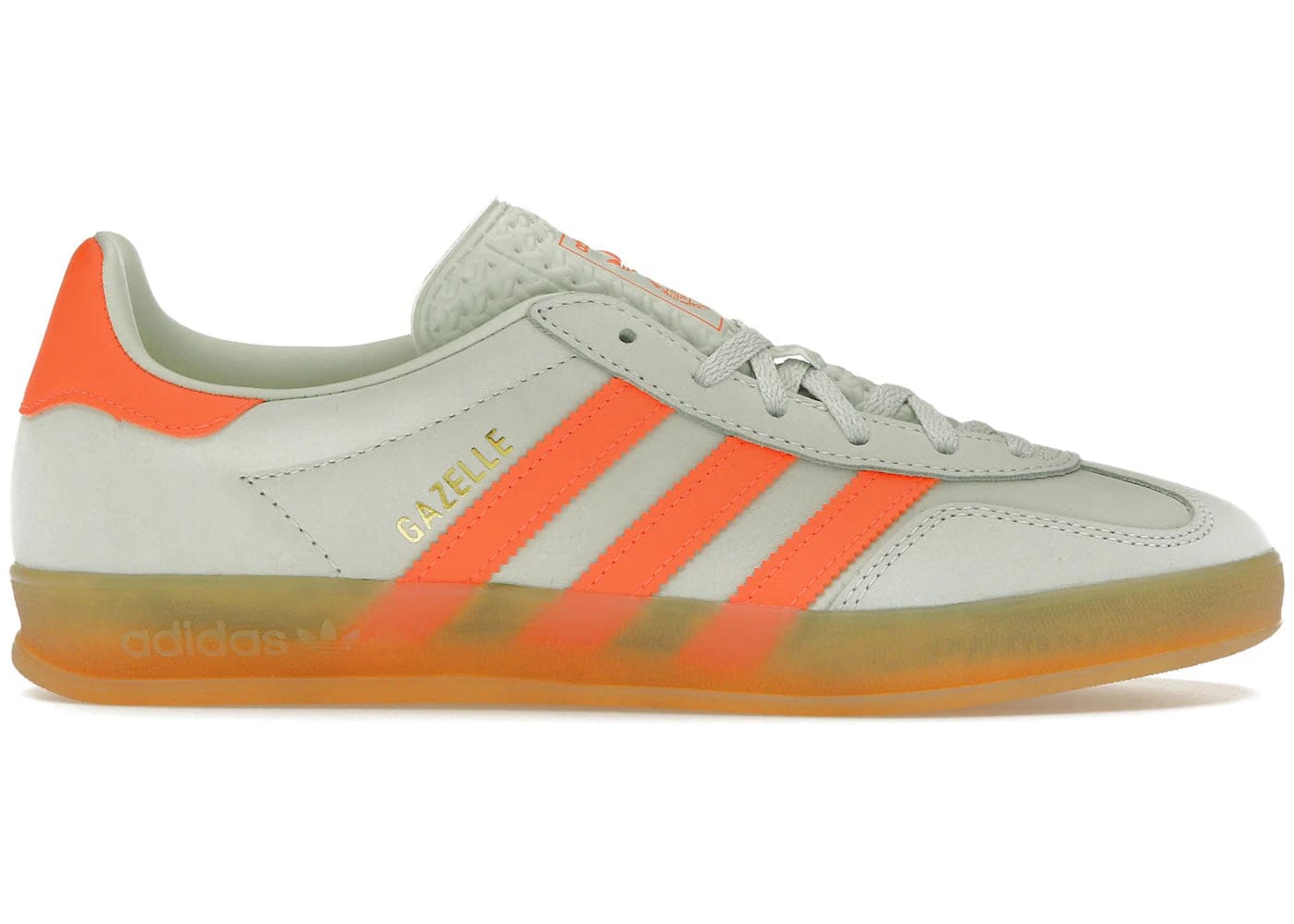
This iteration of the Gazelle Indoor boasts a low-profile design, characterized by a T-toe overlay and the iconic serrated 3-Stripes. The upper is meticulously crafted from premium suede, nubuck, or leather, ensuring both luxury and durability. A durable rubber sole, often translucent and bearing the Trefoil pattern, provides superior grip and defines its distinctive profile, further enhanced by the cushioned footbed and textile lining.








.svg)
.svg)
.svg)