The Gucci Horsebit loafer, born in 1953, was the brainchild of Aldo Gucci, drawing inspiration from American loafers and his father's equestrian passion. Its immediate success cemented its place as an emblem of Italian luxury, signifying a move towards more practical fashion choices. This groundbreaking design, a testament to Gucci's legacy, has consistently evolved under the direction of various creative visionaries.
Primarily designed for versatile wear, the Gucci Horsebit loafer excels in various settings, ranging from casual to formal casual occasions. Its inherent adaptability makes it a staple for business attire and smart-casual ensembles, reflecting a blend of sophistication and everyday practicality. The inclusion of a dust bag, shoe box, and care instructions underscores the brand's commitment to quality and customer service.
The Gucci Horsebit loafer has left an indelible mark on popular culture, frequently seen on icons of style and influence. In 1970, Jacqueline Kennedy Onassis was spotted wearing the loafer in New York, instantly elevating its status. The loafer's presence in cinema is undeniable, including a striking appearance in the 1979 film 'Kramer vs. Kramer', worn by Dustin Hoffman. Furthermore, the loafer's enduring appeal is evident in its continued presence across generations and styles, a testament to its timeless design.
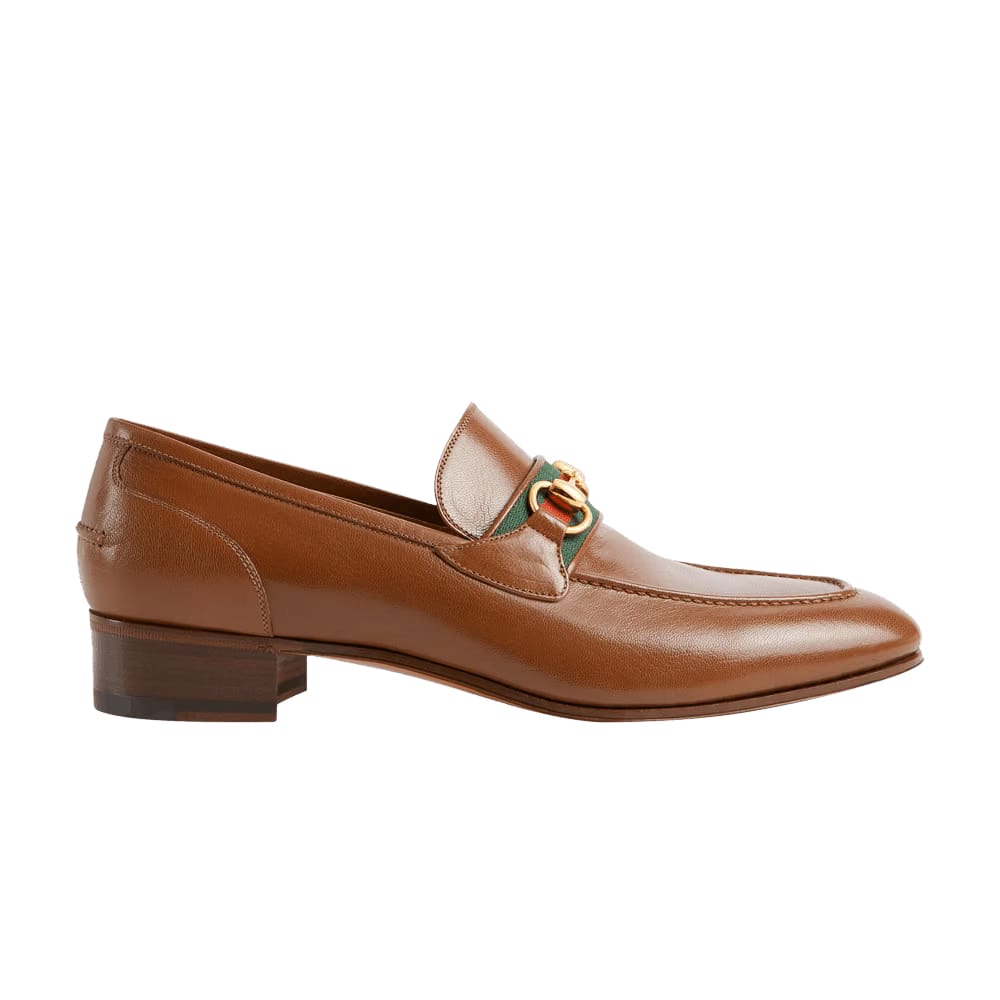
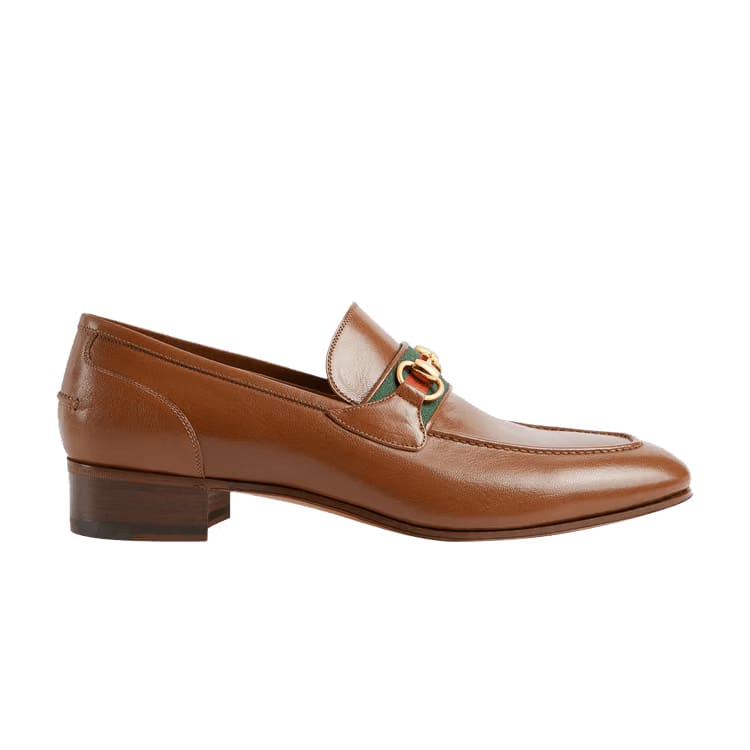
The loafer features a meticulously crafted leather upper, distinguished by moccasin-style stitching and piping, a hallmark of its refined design. Premium materials, including leather for the upper, lining, and sole, along with the iconic gold-toned Horsebit hardware and the green and red Web trim, define its luxurious appeal. The integration of a padded heel bed and Blake stitching construction further enhances the shoe's comfort and durability.








.svg)
.svg)
.svg)