The Gucci Horsebit Loafer, or 1953 Loafer, emerged in that pivotal year under the guidance of Aldo Gucci, a design born from the equestrian passions of his father, Guccio Gucci, and inspired by the American loafer. It swiftly ascended to become an 'It shoe,' a symbol of Italian luxury, craftsmanship, and enduring elegance, marking a defining moment in fashion history. This initial launch established the loafer's trajectory, solidifying its place in the pantheon of iconic footwear.
The Gucci Horsebit Loafer is designed for versatile wear, seamlessly transitioning between casual, formal, and business settings, thus embodying a timeless adaptability. Its lightweight construction, devoid of an insole, prioritizes flexibility and comfort, allowing for ease of movement and all-day wear. The Blake stitching contributes to both flexibility and durability, ensuring the loafer's longevity and enduring appeal across diverse social contexts.
The cultural impact of the Horsebit Loafer is undeniable, evident in its association with icons of style and influence. In 1957, Audrey Hepburn, a figure of timeless grace, was seen wearing the loafers in the film *Funny Face*, cementing its status. Decades later, the loafer made its mark in cinema again when Dustin Hoffman wore them in the 1979 film *Kramer vs. Kramer*. More recently, Paul Mescal was seen in the 70th anniversary campaign of the loafer.
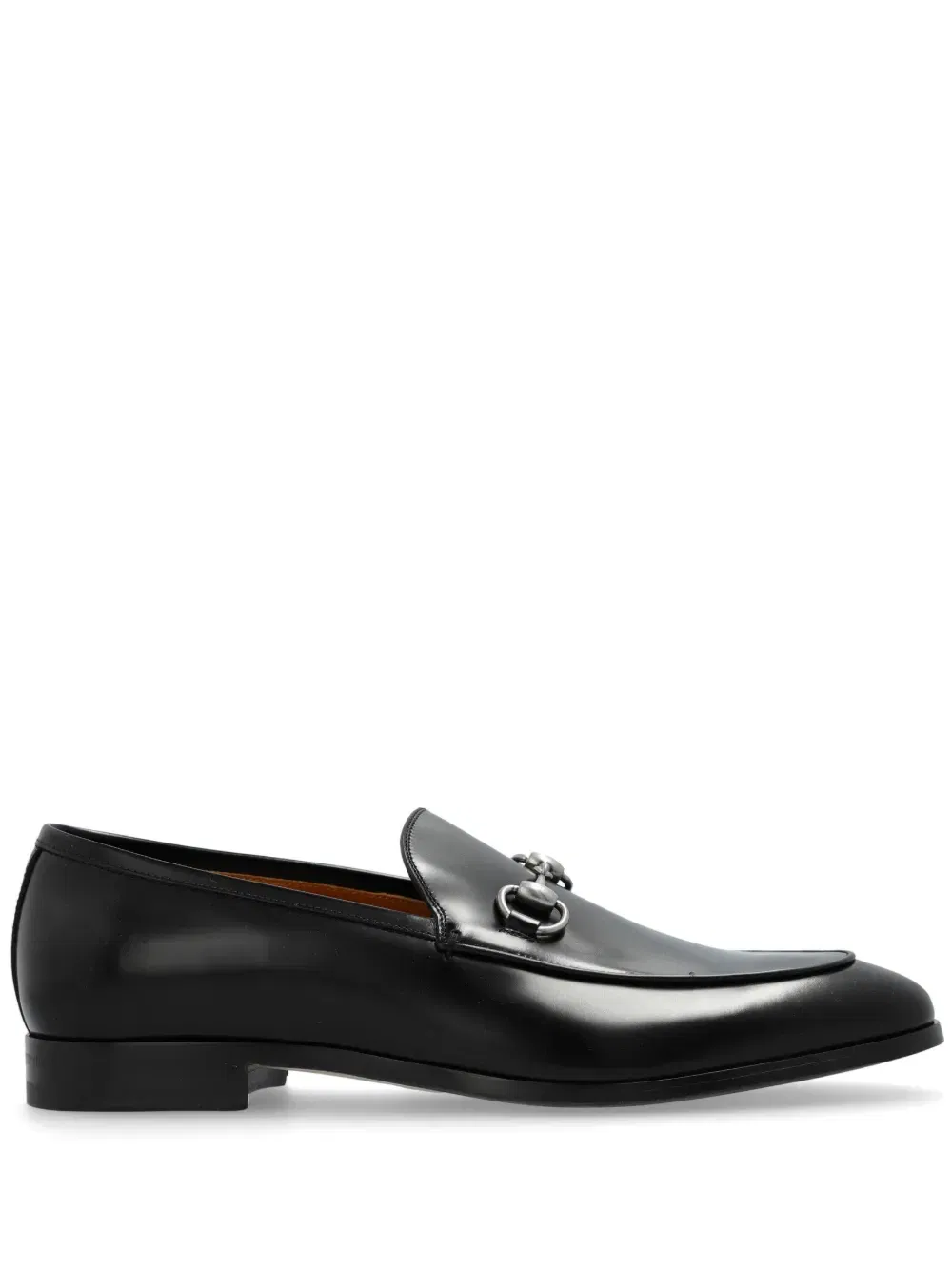
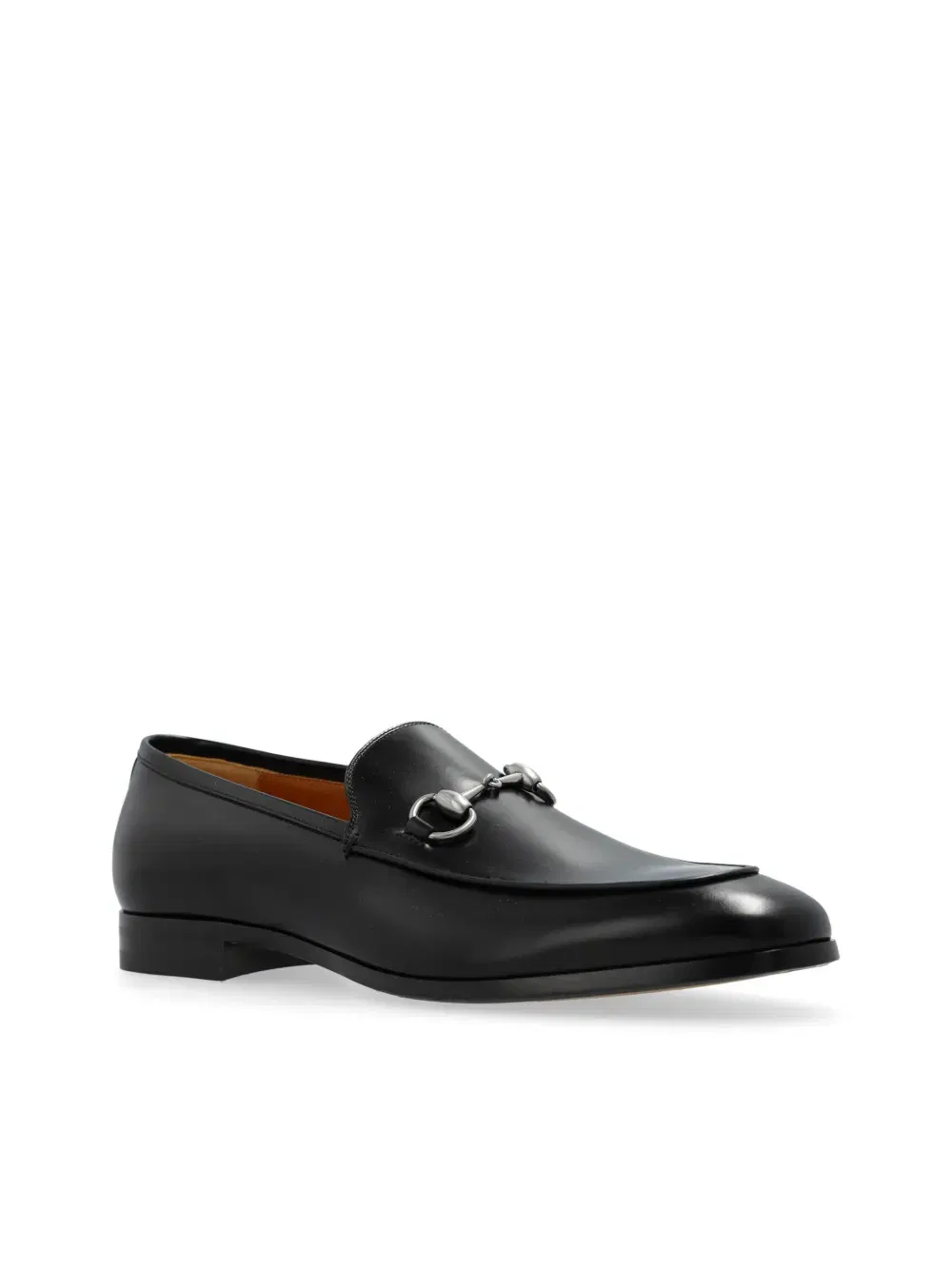
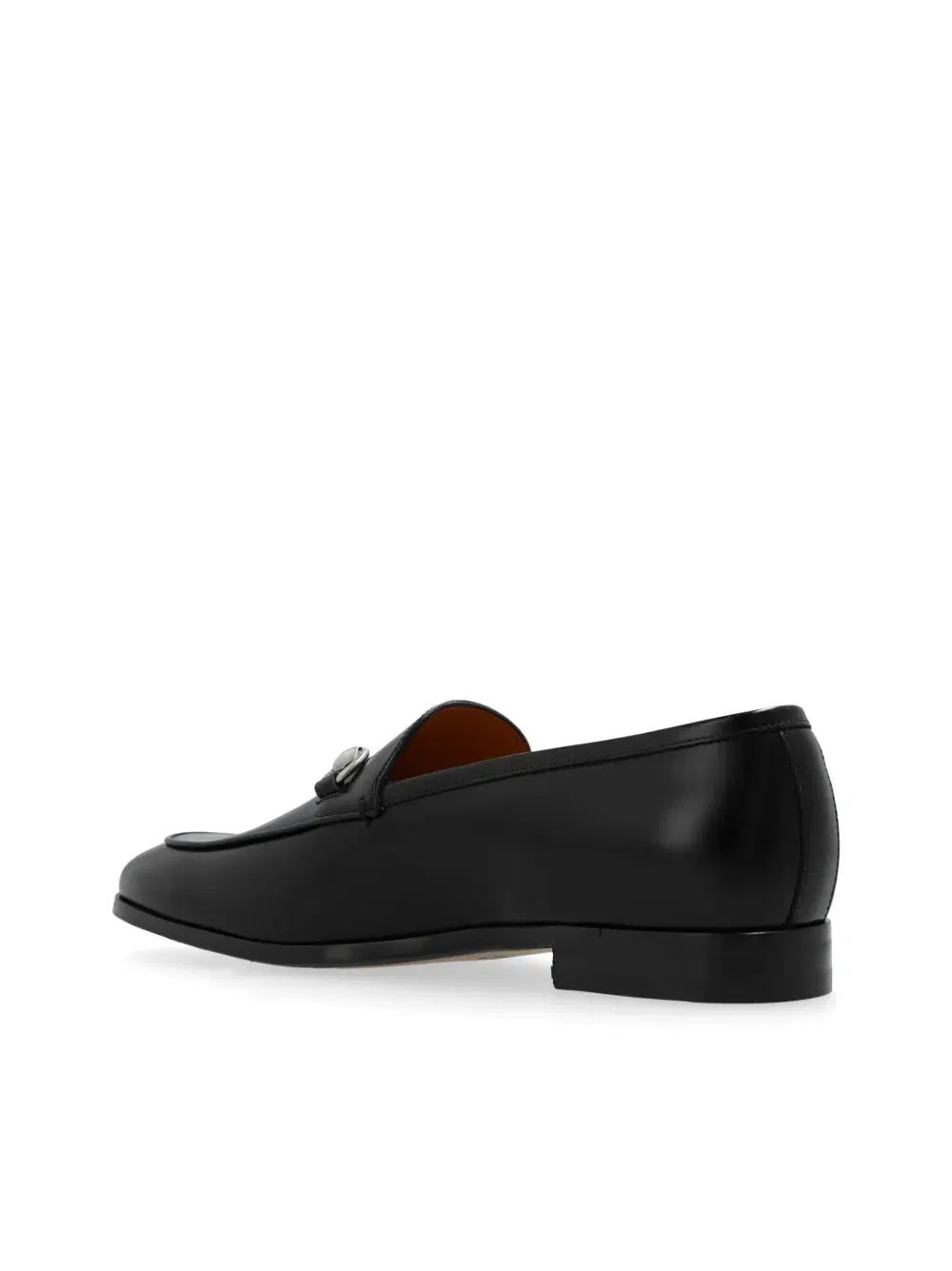
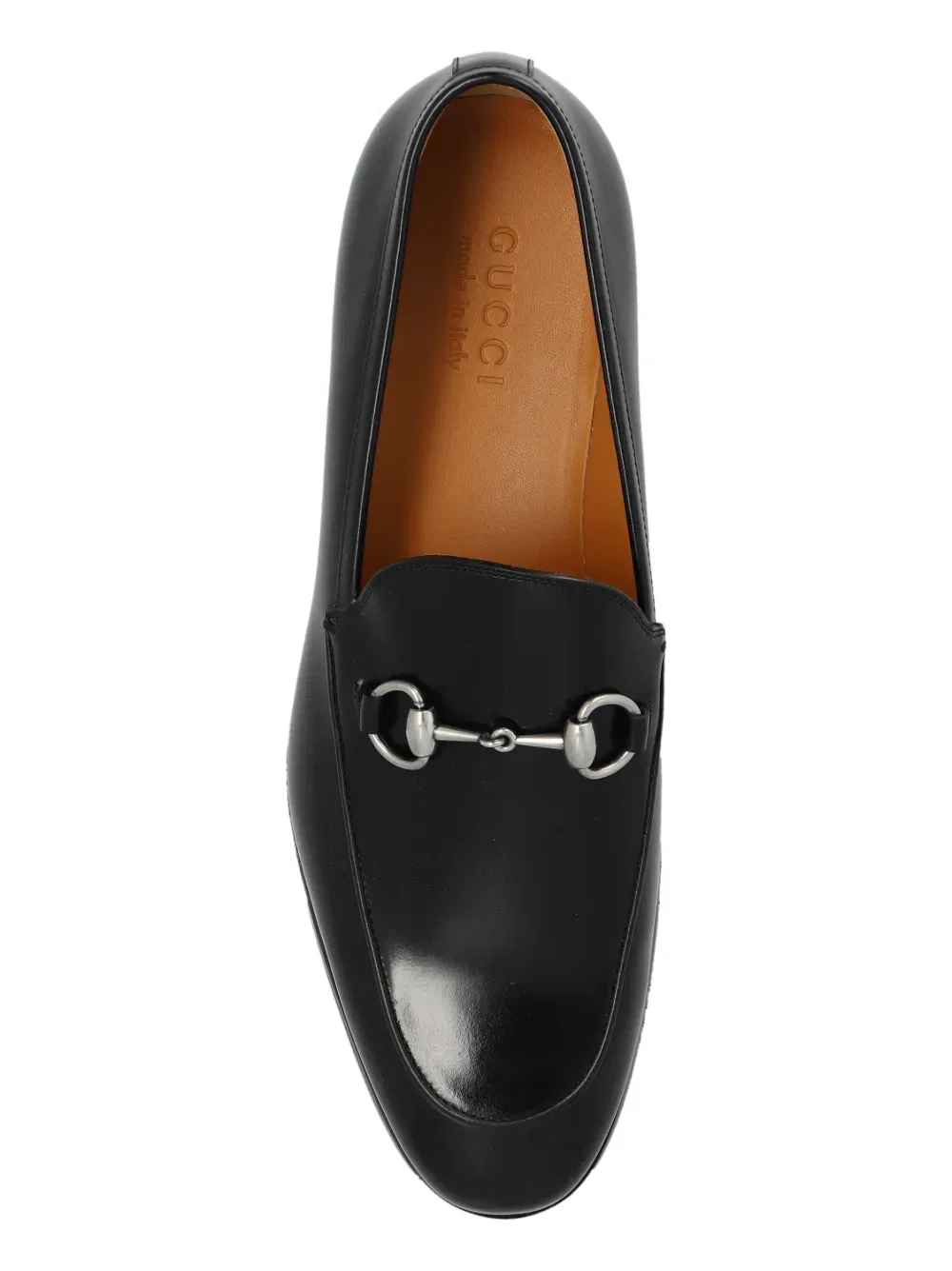
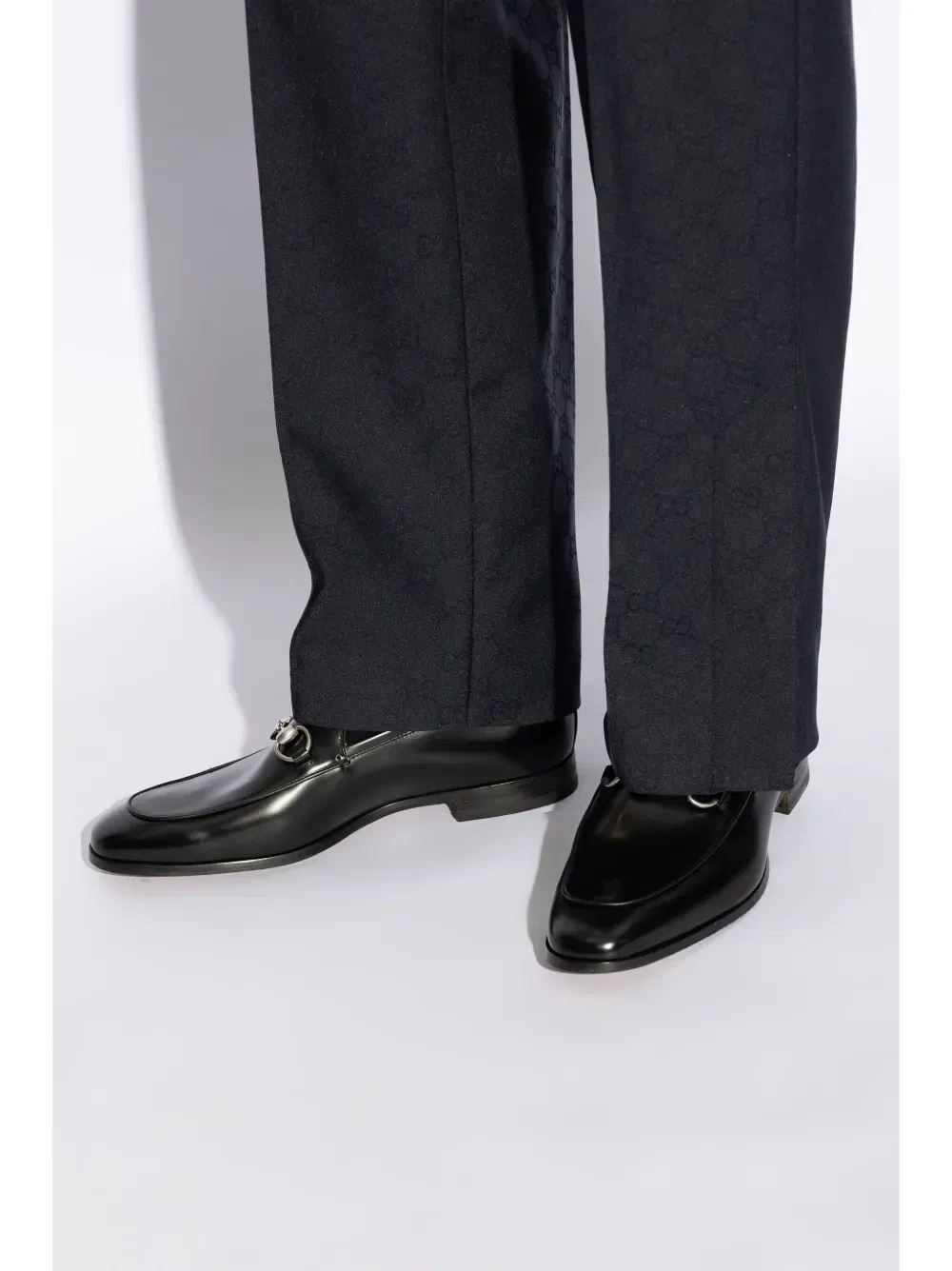
Crafted with meticulous attention to detail, the Horsebit loafer features a slip-on design, distinguished by its almond-shaped toe and moccasin-style construction. The upper is typically fashioned from fine calf leather, suede, or, on select editions, exotic materials, offering a spectrum of textures and a luxurious feel. Its signature is the iconic metal horsebit hardware, a double loop connected by a bar, a gilded snaffle that immediately identifies the Gucci heritage.









.svg)
.svg)
.svg)