The cotton T-shirt, a ubiquitous garment, traces its lineage to the early 20th century, evolving from undergarments into a standalone staple. Initially embraced for its comfort and practicality, the T-shirt's rise mirrors the shift towards casual attire, reflecting societal changes and a demand for accessible clothing. Its widespread adoption underscores its enduring appeal and adaptability across diverse demographics.
The Cotton T-shirt's utility lies in its versatility and ease of wear, serving as a foundational garment in countless wardrobes. Its breathable cotton fabric provides comfort in various climates, making it suitable for layering or standalone wear. Available in diverse fits, from standard to oversized, the T-shirt adapts to individual styles and preferences, solidifying its place as a practical yet adaptable piece.
The cultural impact of the Cotton T-shirt is undeniable, woven into the fabric of various subcultures and movements. While specific event details are not present, the T-shirt has been a canvas for self-expression. The garment's influence is evident in its adoption by diverse groups, solidifying its status as a symbol of individuality and a cornerstone of contemporary fashion.
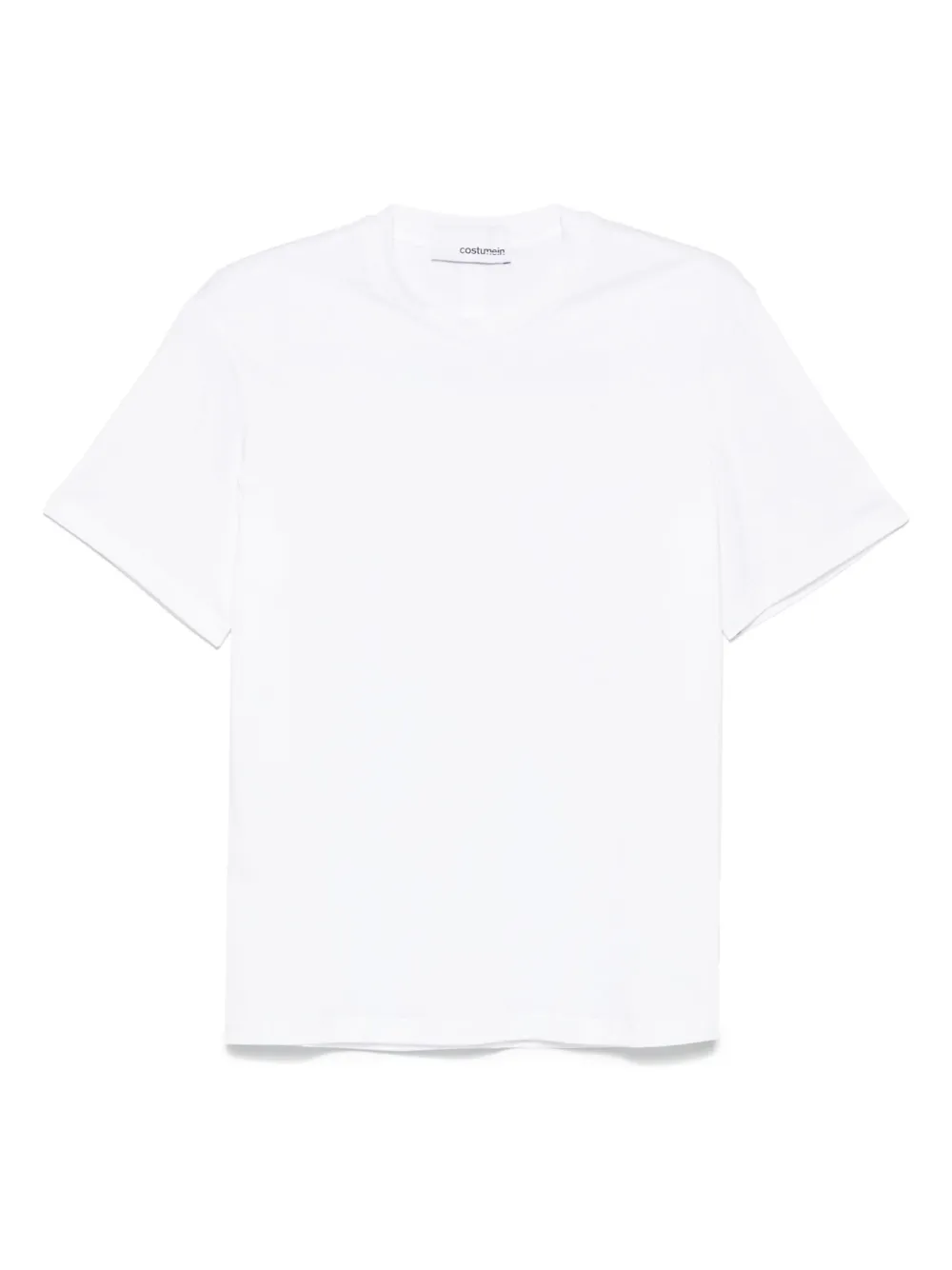
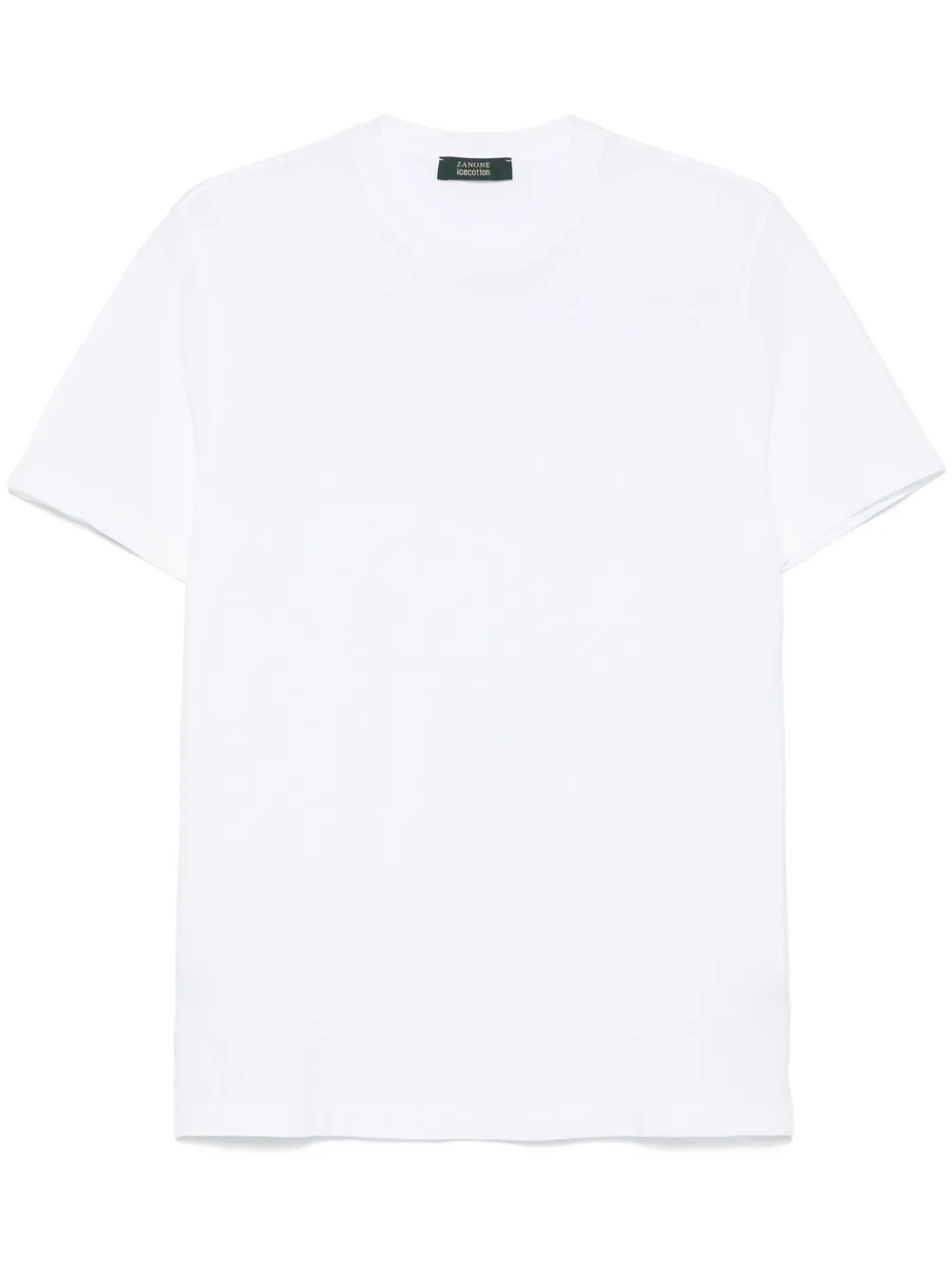
Primarily fashioned from cotton knit, specifically jersey knit, the Cotton T-shirt prioritizes both softness and drape. The construction often employs either a tubular design, devoid of side seams, or a side-seam approach favored by premium brands for a tailored fit. Meticulous details like double-needle stitching and reinforced shoulder seams ensure durability, while neckline options range from a stretchy 1x1 rib neckband to a cleaner self-fabric binding.
















.svg)
.svg)
.svg)