The Adidas Gazelle, first introduced in 1966, was conceived as a multi-purpose training shoe, rapidly gaining traction in the world of indoor sports. Its initial design prioritized performance, offering athletes a lightweight and flexible option for various activities. This early iteration set the stage for the Gazelle's enduring presence in both athletic and fashion spheres, establishing its legacy as a foundational piece of footwear history, setting the stage for its later cultural dominance.
Initially engineered for training and indoor sports, the Gazelle's functionality quickly expanded beyond its performance roots. Its sleek silhouette and comfortable design made it an ideal choice for casual wear, quickly becoming a staple in various subcultures. The Gazelle's versatility allowed it to seamlessly transition from the gym to the streets, appealing to a broad audience seeking both style and practicality. The shoe is now a mainstay in casual and lifestyle footwear.
The Adidas Gazelle has left an indelible mark on popular culture, influencing fashion trends across multiple generations. Kate Moss, a prominent figure associated with the Grunge subculture, was often seen sporting the Gazelle in various locations throughout the 1990s. Run-DMC, a pivotal group in the hip-hop scene, embraced the Gazelle during the 1980s, solidifying its status within the genre. Furthermore, Noel Gallagher of Oasis, a key figure in the Britpop movement, frequently wore the Gazelle during the 1990s, cementing its association with iconic music moments.
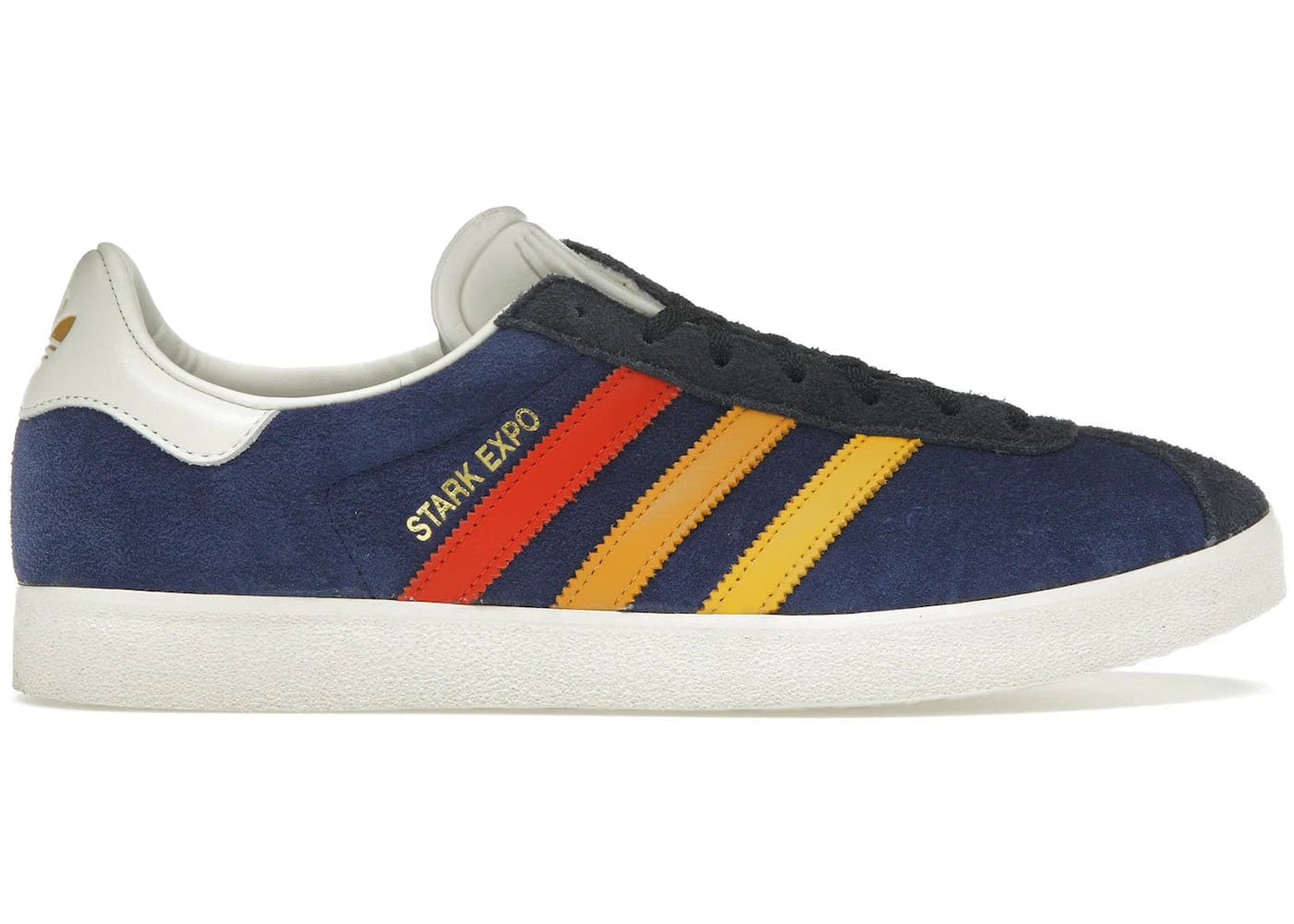
The Gazelle's construction is a testament to Adidas's commitment to quality and design. The shoe features a suede upper, often complemented by leather or synthetic Three Stripes, providing both visual appeal and durability. Its T-toe design and reinforced heel tab enhance the shoe's structural integrity, ensuring a comfortable fit. The inclusion of a lightweight EVA midsole contributes to the Gazelle's overall comfort, while the textured rubber outsole provides reliable traction for various surfaces.








.svg)
.svg)
.svg)