The Adidas Adimatic, a product of the mid-1990s, was initially conceived to dominate the skateboarding scene, emerging in 1996. It was designed to cater to the demands of skaters, who needed durable, stylish footwear. The Adimatic's design ethos was a direct response to the era's aesthetic, which valued a blend of functionality and bold visual statements. The revival in 2022 underscores its enduring appeal and relevance to a new generation.
Primarily engineered for the rigors of skateboarding, the Adimatic was designed to withstand the impacts and stresses of the sport. Its features, such as the thick foam midsole and multi-traction tread, offered both cushioning and grip, critical for performance. However, its aesthetic appeal and comfort also made it a viable choice for casual wear and streetwear, broadening its utility beyond its original purpose.
The Adimatic's influence is deeply interwoven with the subcultures of its time, particularly the Ura-Hara movement in Japan. This movement, epitomized by figures like Hiroshi Fujiwara, championed the fusion of street style and high fashion. The shoe's chunky design and bold branding resonated with the ethos of the Ura-Hara scene. Furthermore, the Adimatic's association with skateboarding and hip-hop solidified its status as a cultural icon, embraced by style arbiters from varied backgrounds during the height of its popularity.
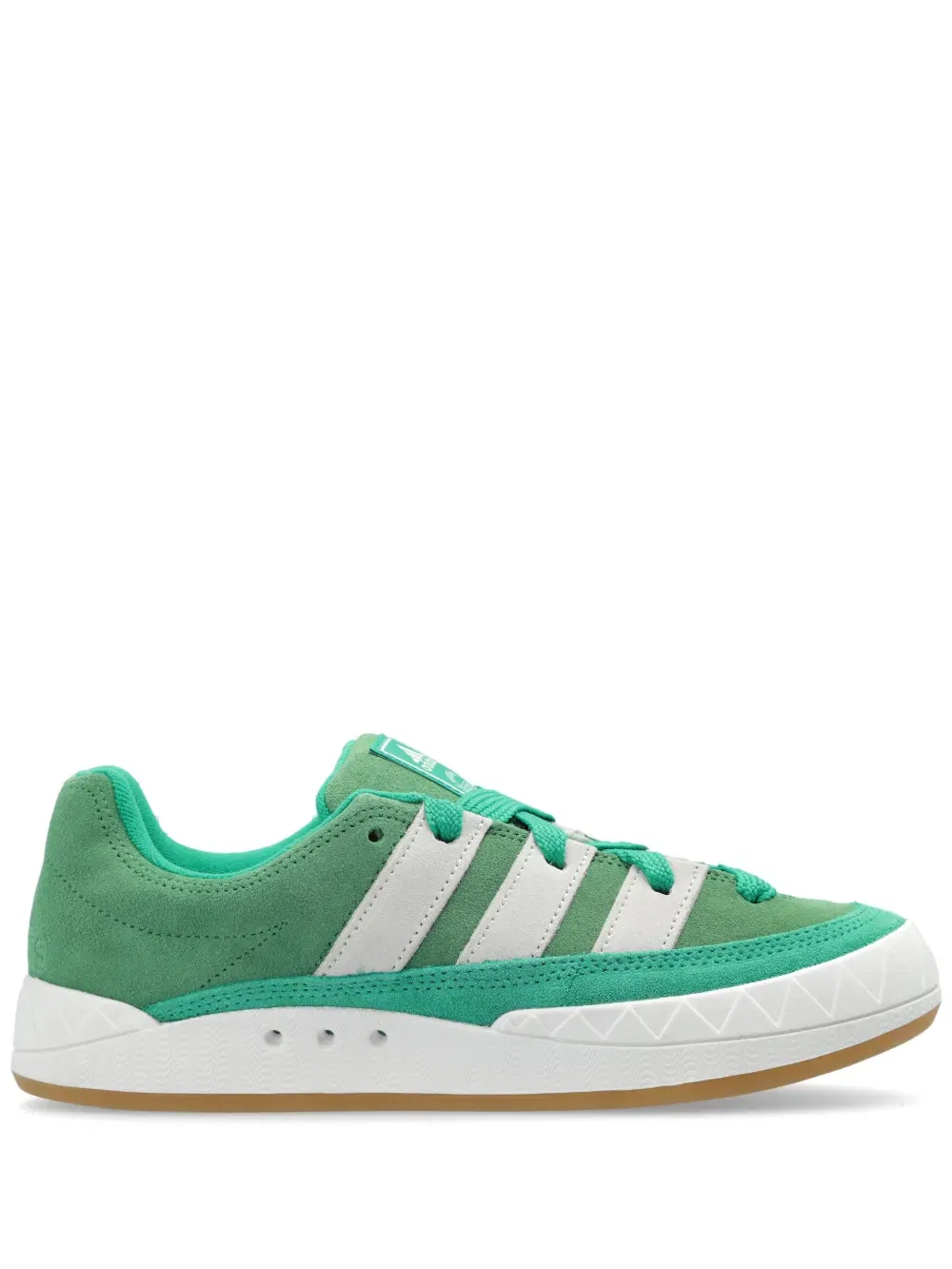
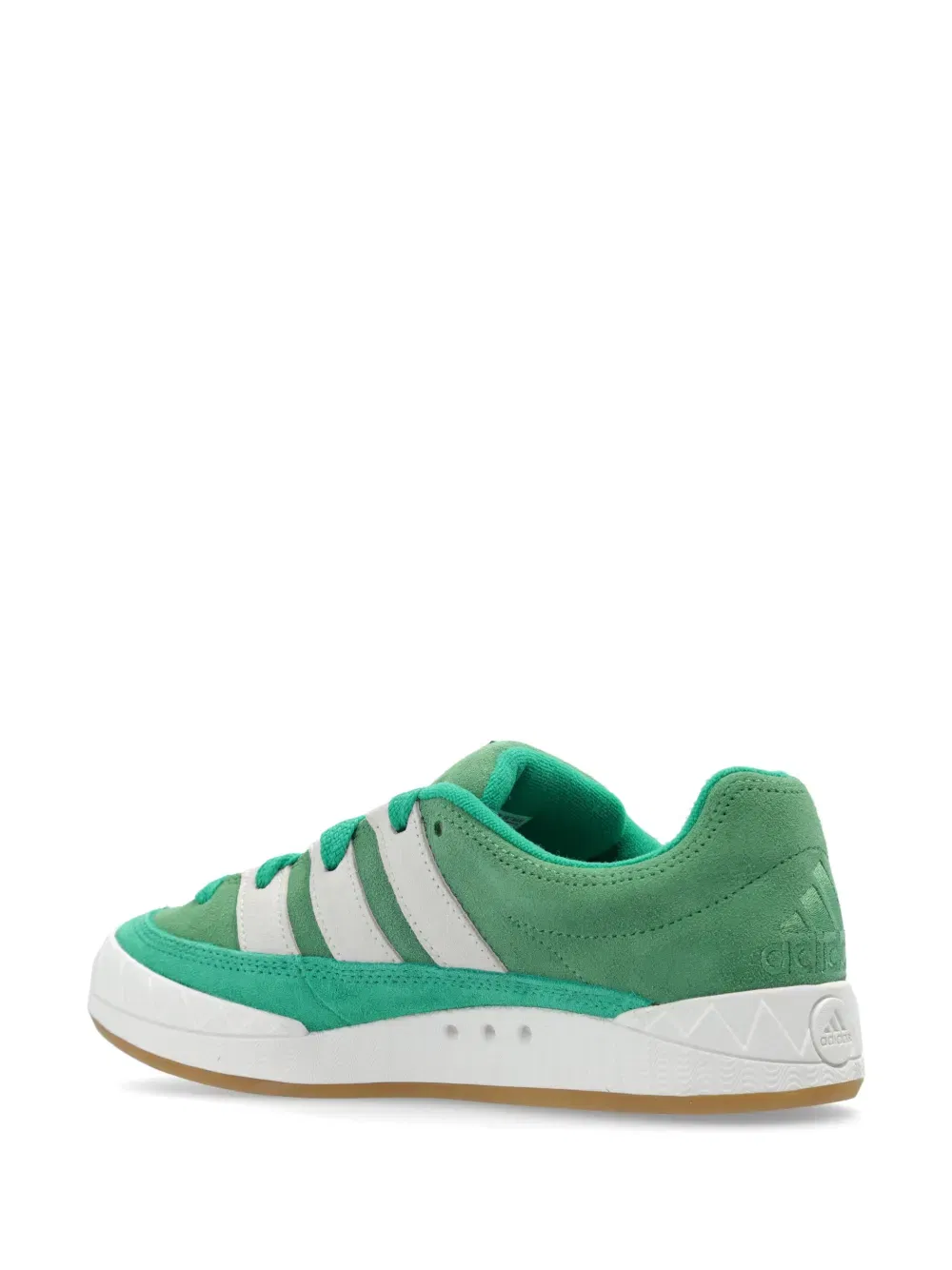
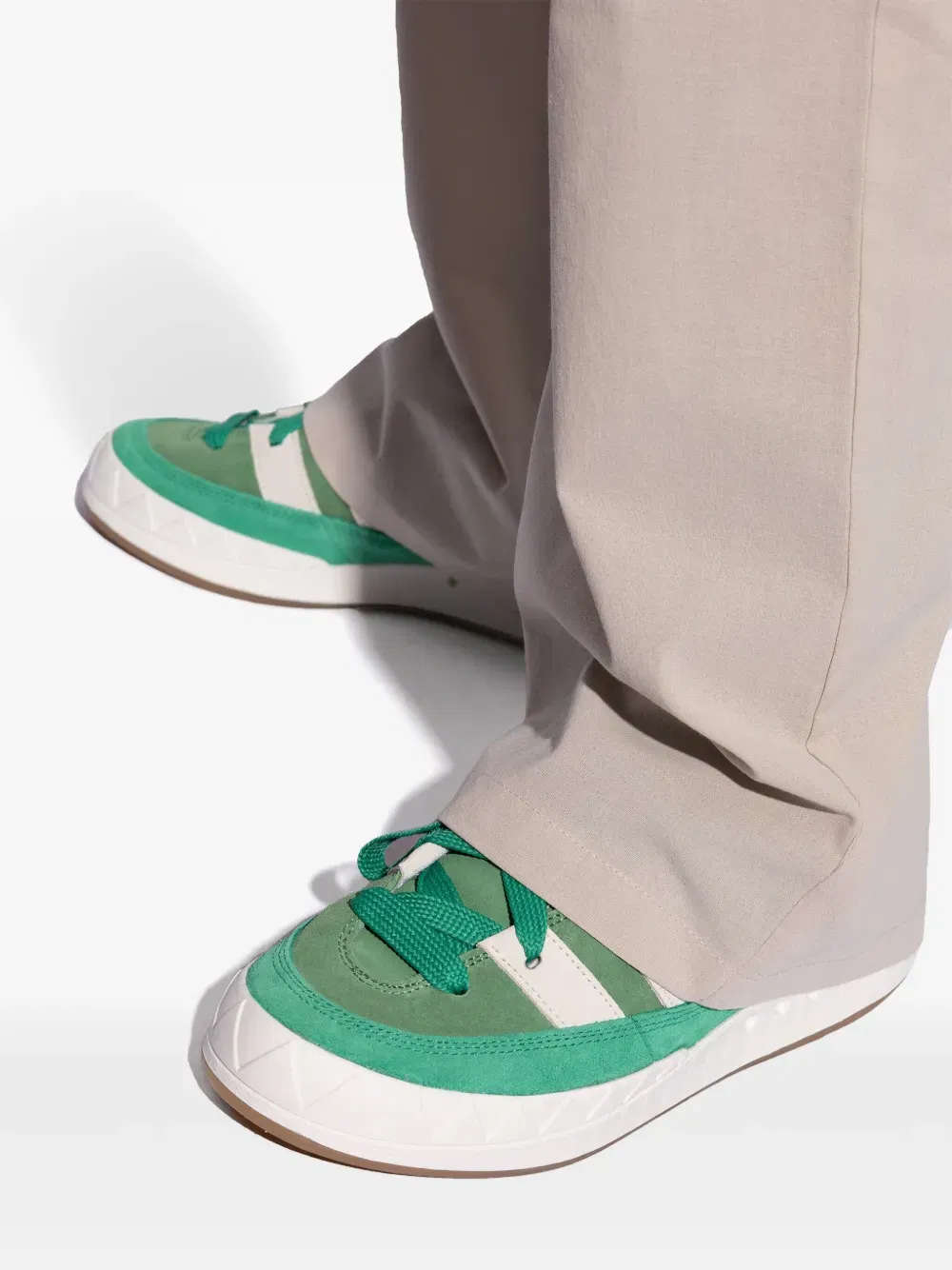
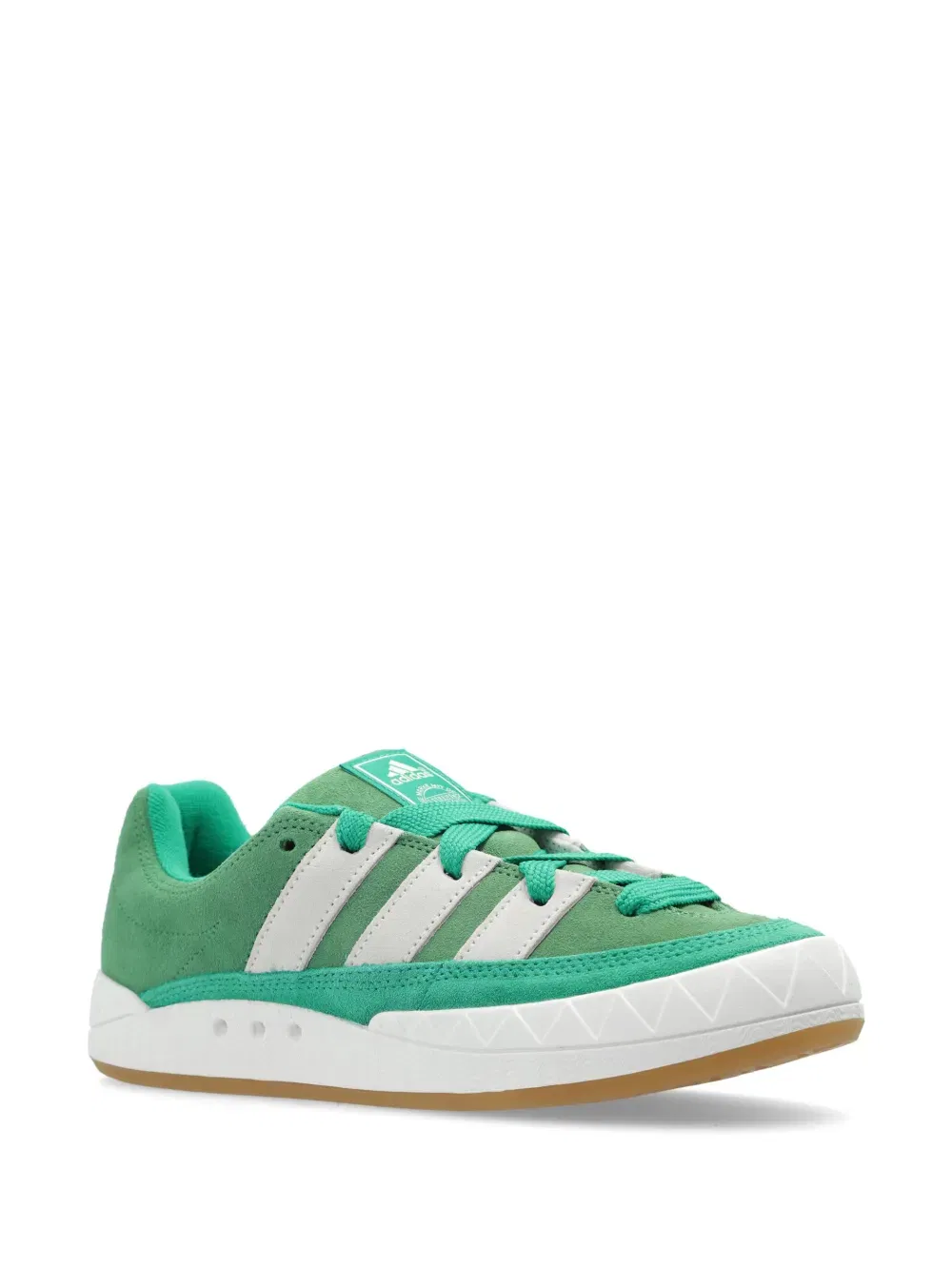
The Adimatic Leather Lace-Up variant boasts a low-cut silhouette, crafted with a premium leather upper. The design is punctuated by the iconic oversized Three Stripes, thick, flat laces, and a zig-zag midsole pattern. The construction includes a robust rubber outsole with a shark-tooth sole, ensuring grip and longevity. A padded tongue and collar contribute to the shoe's overall comfort and support.










.svg)
.svg)
.svg)