
Certificate of
Authenticity
Authenticity
0
View authenticity certificate

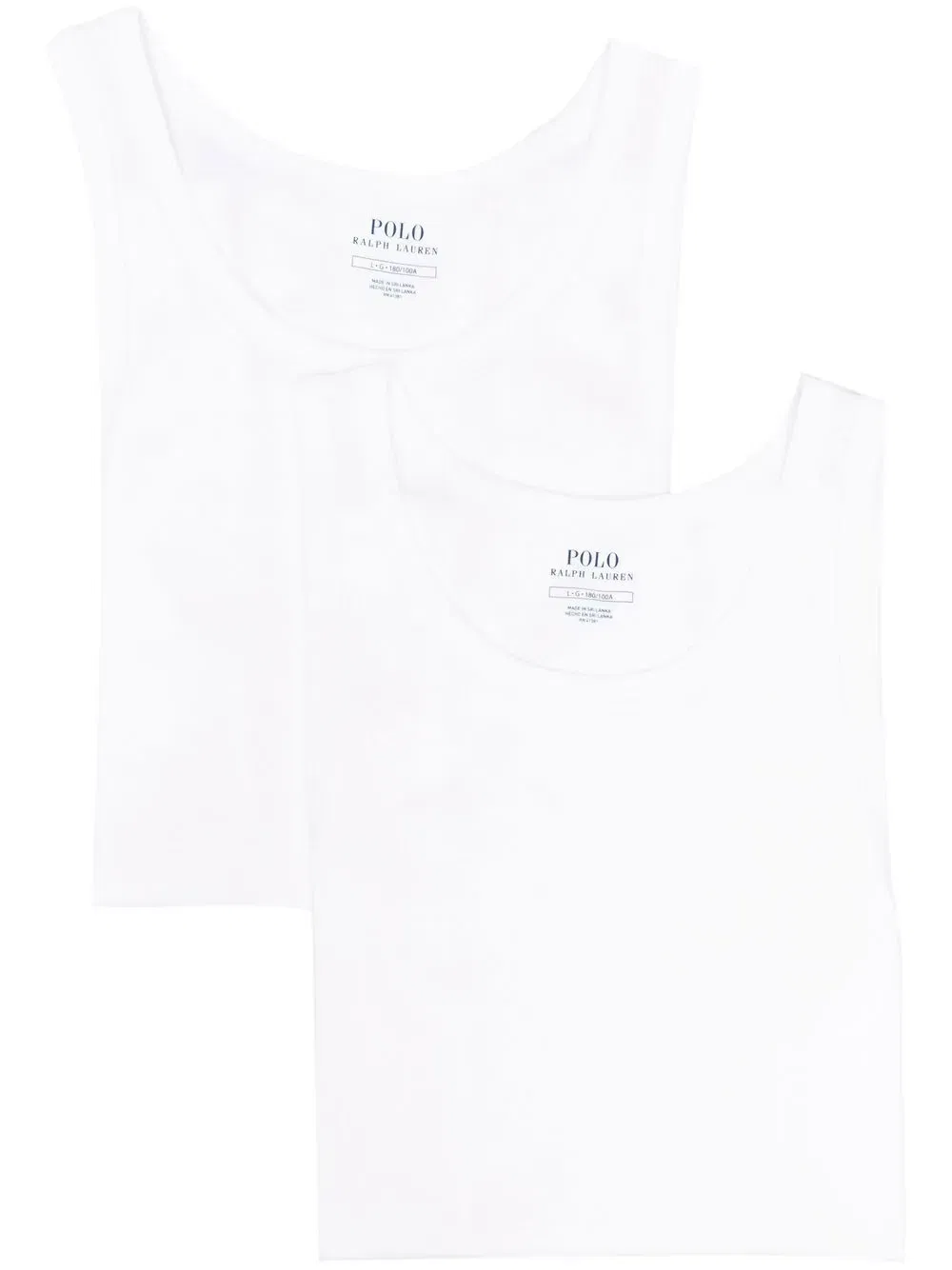
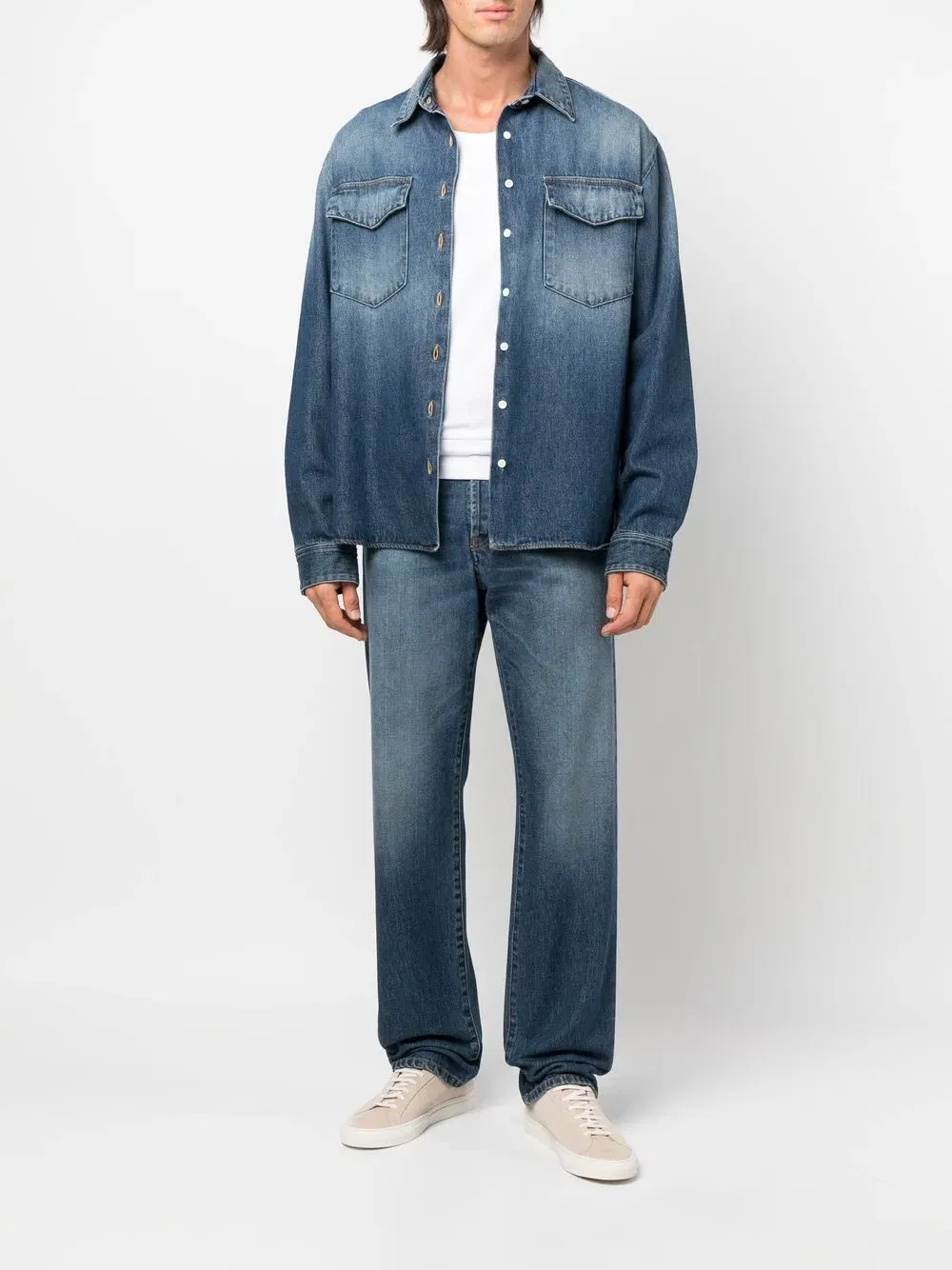
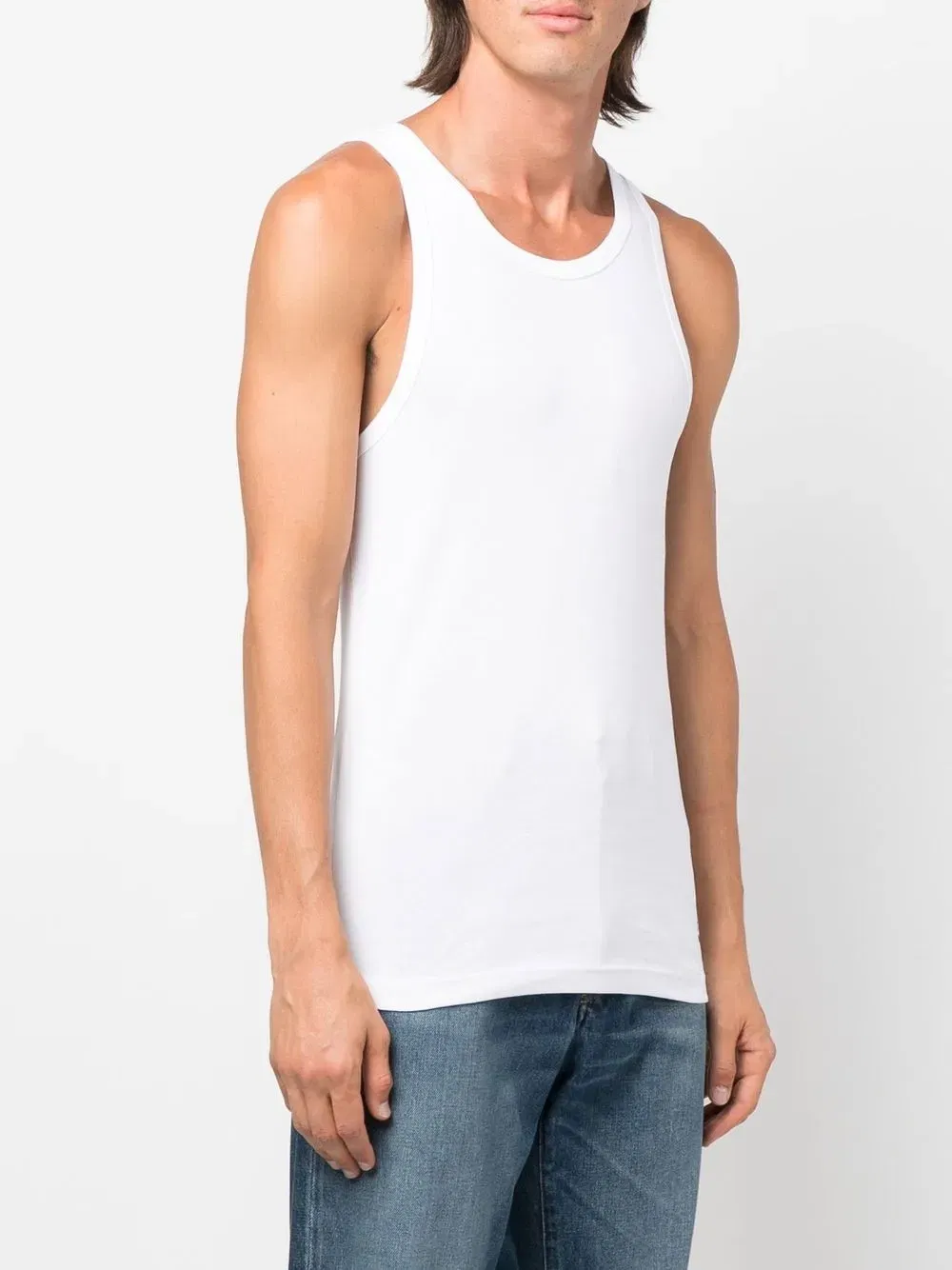
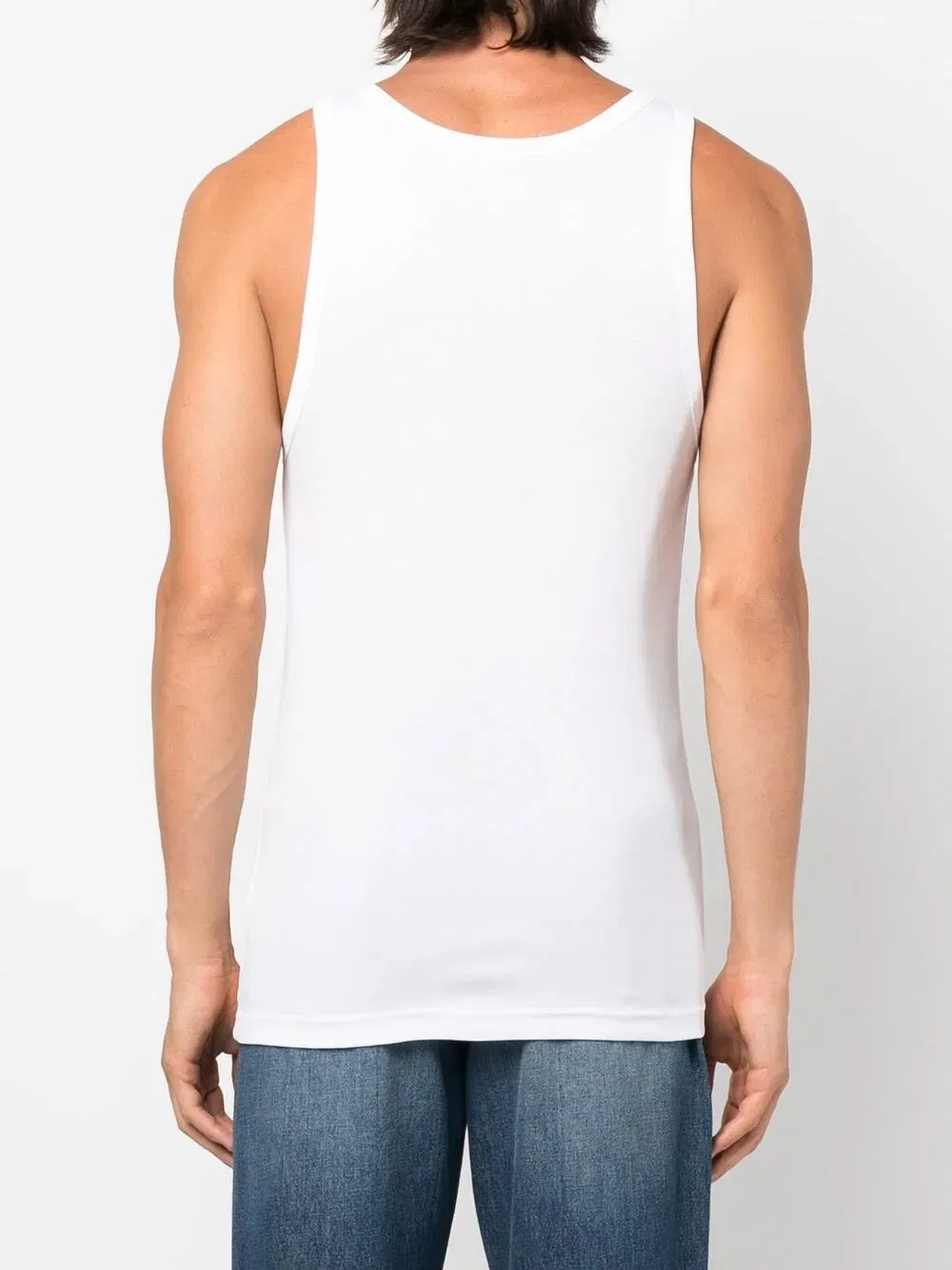
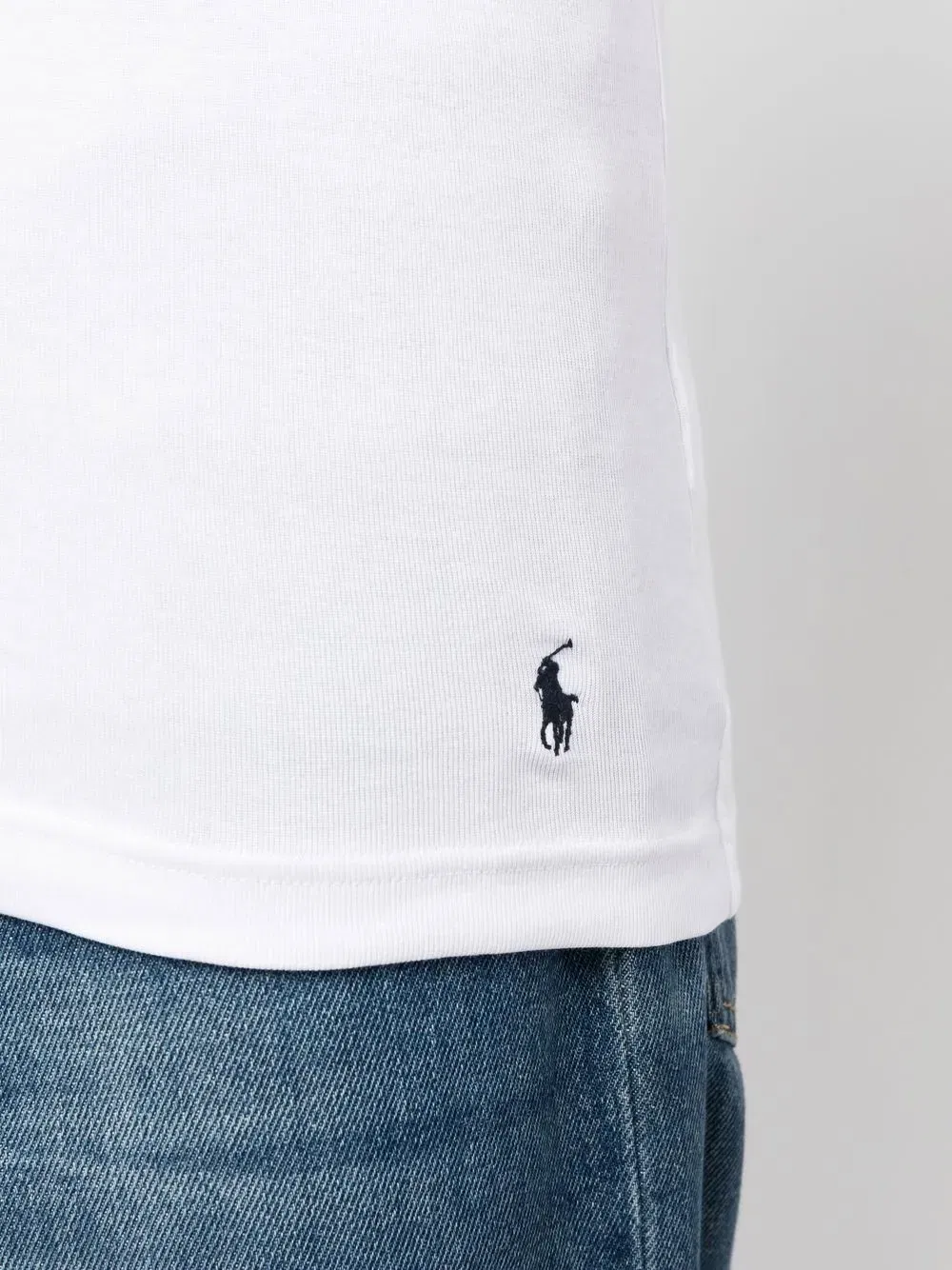
cotton tank top (pack of two)
cotton tank top (pack of two)
DELIVERY AND AUTHENTICATION

Includes Authentication Certificate
by Checkcheck global standards
Come see it in person


Culture Note™
The cotton tank top, in its most rudimentary form, emerged as a functional undergarment, evolving from the union suit and undershirt. Its genesis is rooted in the practical demands of physical activity and warmer climates, designed to offer comfort and breathability. The design's simplicity and adaptability quickly solidified its place in the wardrobes of laborers, athletes, and eventually, the general public.
The cotton tank top serves a multifaceted role, functioning seamlessly as both an undergarment and a standalone garment. Its close-fitting nature and lightweight fabric make it an ideal base layer, while its simplicity allows for versatile styling options. It is perfectly suited for layering under shirts or jackets, or worn on its own during warmer weather. The tank top's adaptability has cemented its place as a cornerstone of casual and athletic attire.
The cotton tank top, a ubiquitous garment, has undeniably permeated various cultural spheres. Its influence is profoundly visible. Consider the impact of the tank top on the rise of the streetwear aesthetic, solidifying its status as an iconic piece. The tank top, particularly in its white iteration, became a symbol of rebellion and counter-culture during the late 20th century, notably embraced at events like the infamous punk rock concerts of the late 1970s in London. Furthermore, the tank top's presence is undeniable in the realm of high fashion, regularly featured in runway shows, solidifying its status.
These tank tops are predominantly crafted from cotton, the fabric's inherent softness and absorbency making it ideal for direct skin contact. Variations incorporate blends such as cotton-polyester or cotton-spandex, offering enhanced durability or a more form-fitting silhouette. Construction details typically involve a scoop or round neckline, tank straps, and banded armholes, often featuring a tag-free design for superior comfort and ease of wear. Some designs incorporate a racerback or a lettuce edge finish, adding subtle stylistic variations.
Most asked questions
How we always
Guarantee the best prices?

Luxury marketplace
In luxury marketplaces, prices depend on demand — less popular items sell below retail.
.svg)
Competition between sellers
Our 5,000+ verified sellers compete with each other, giving you the lowest prices.
.svg)
Price comparison
We show you price comparisons across sellers so you always get better deals.
.svg)
Helping sellers, helping you
We help sellers buy smarter inventory, so they can offer you better prices.
Loading…