The dotted shirt's genesis is rooted in the broader history of textile design, with the polka dot pattern itself emerging in the mid-19th century. Its proliferation coincided with advancements in textile printing techniques, enabling the mass production of this distinctive motif. The pattern's simplicity and adaptability quickly facilitated its adoption across various garments, solidifying its place in the sartorial landscape.
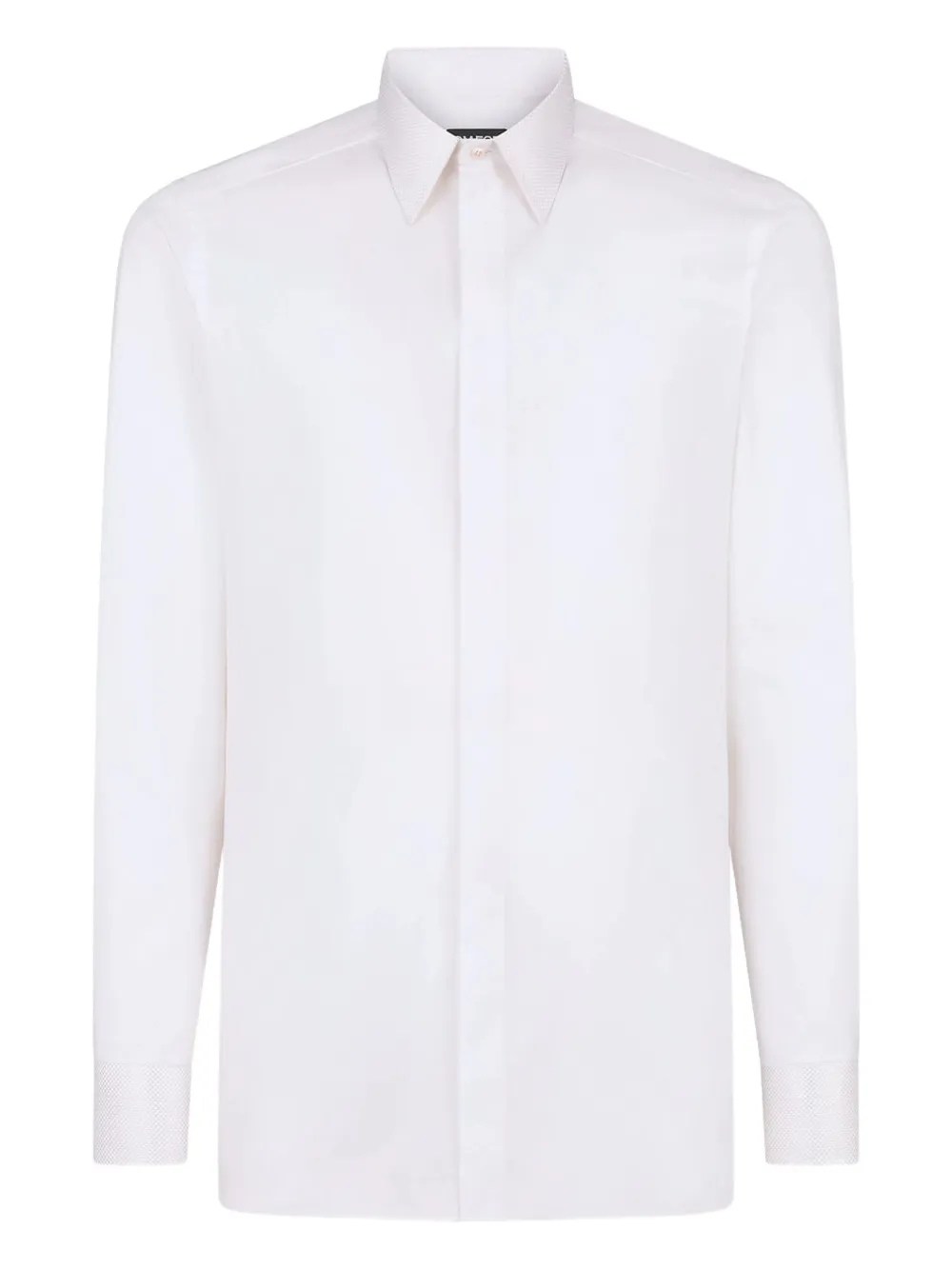
The dotted shirt serves as a versatile garment, appropriate for a range of occasions from casual outings to more formal settings depending on the fabric, cut, and specific design. Its visual appeal derives from the patterned arrangement of circular dots, which can range from understated micro-dots to bold, oversized prints. This versatility allows the wearer to express a spectrum of styles, from classic elegance to contemporary flair.
The dotted shirt's impact is undeniable, echoing through decades of cultural expression. The shirt's influence is seen, for example, on the stage of the '1960s Mod Scene' in London, where the dotted shirt epitomized the era's rebellious spirit. Furthermore, the garment's adoption by figures within the jazz community, particularly in New Orleans, during the mid-20th century, cemented its association with creativity and cool. The dotted shirt's enduring appeal continues, seen in its contemporary embrace by fashion-forward individuals across the globe.
Dotted shirts are constructed from a diverse range of fabrics, including cotton, nylon blends, and lyocell, each providing unique characteristics in terms of drape and texture. Weave types vary from poplin to jersey, influencing the shirt's overall structure and feel. Construction details commonly include various collar styles, button fronts, and cuff designs, with darts sometimes incorporated for shaping, ensuring a tailored fit.











.svg)
.svg)
.svg)