
Certificate of
Authenticity
Authenticity
0
Try on
View authenticity certificate

 76 Sold in the last 7 days
 76 Sold in the last 7 days
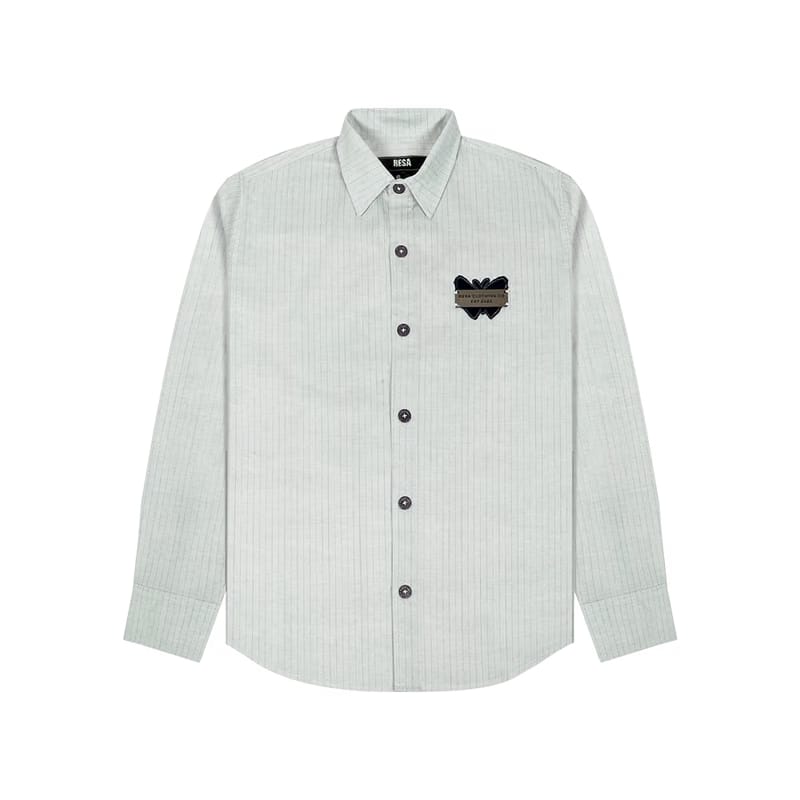
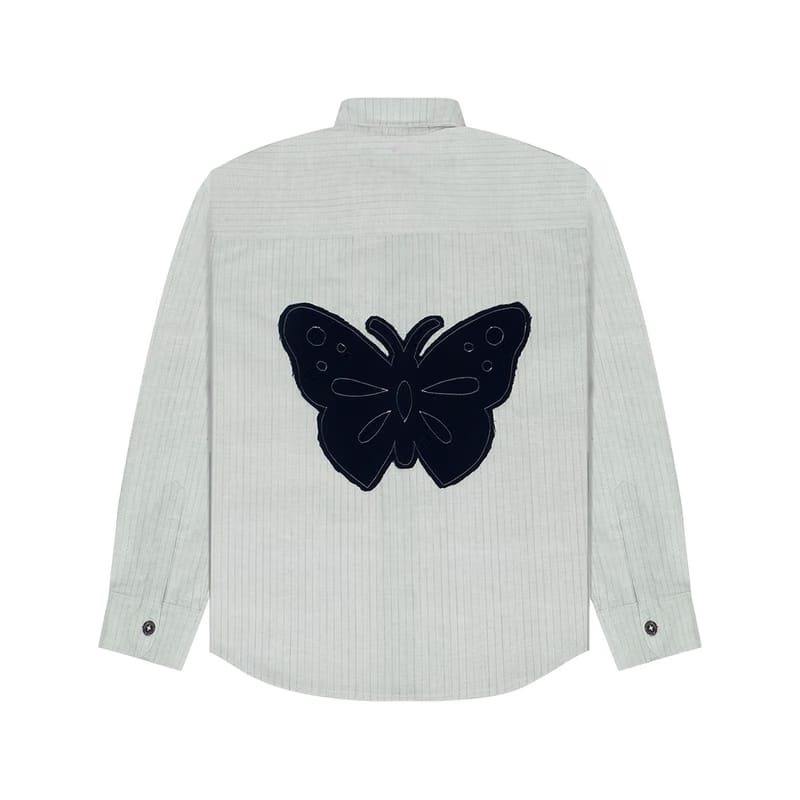
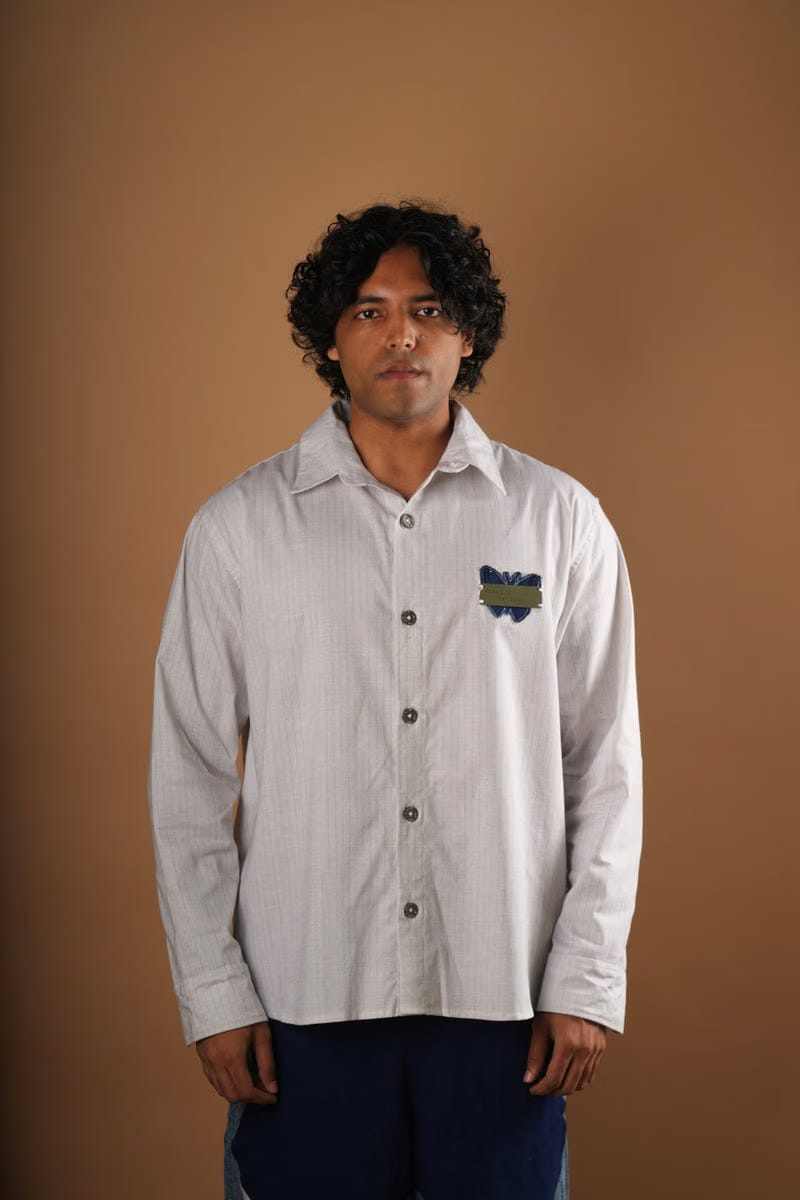
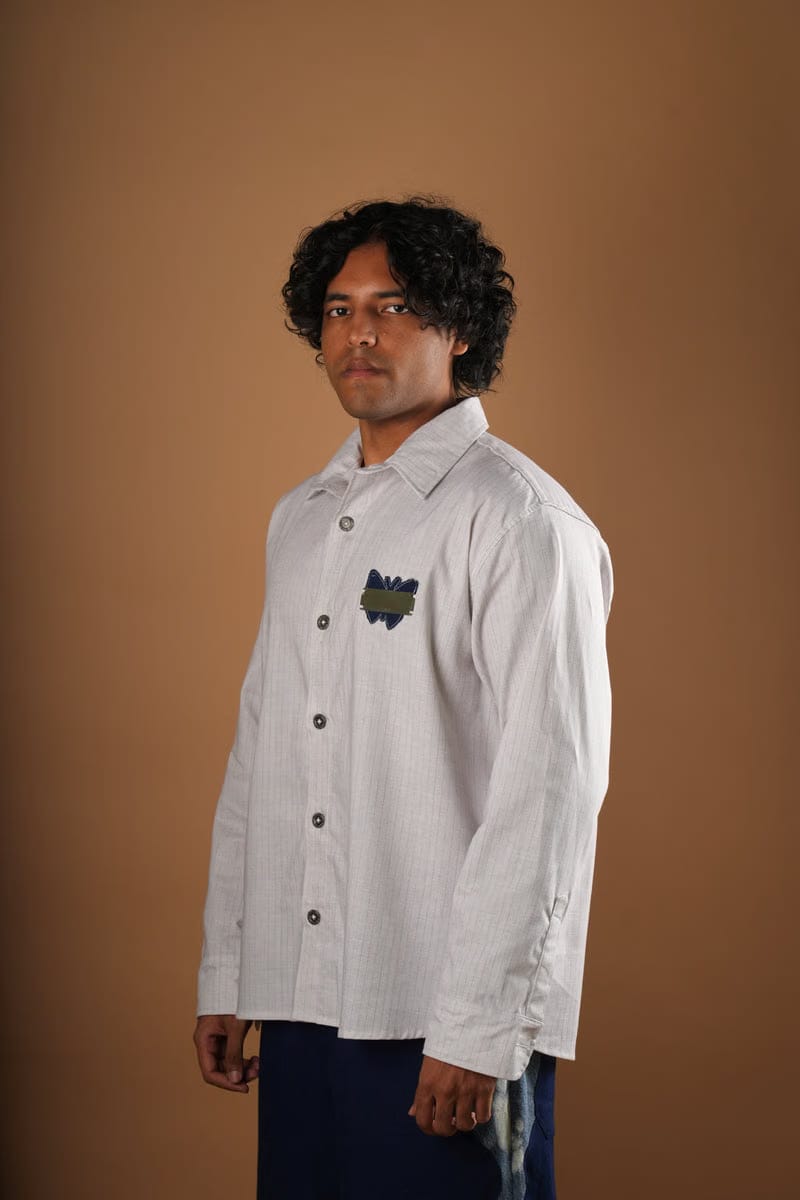
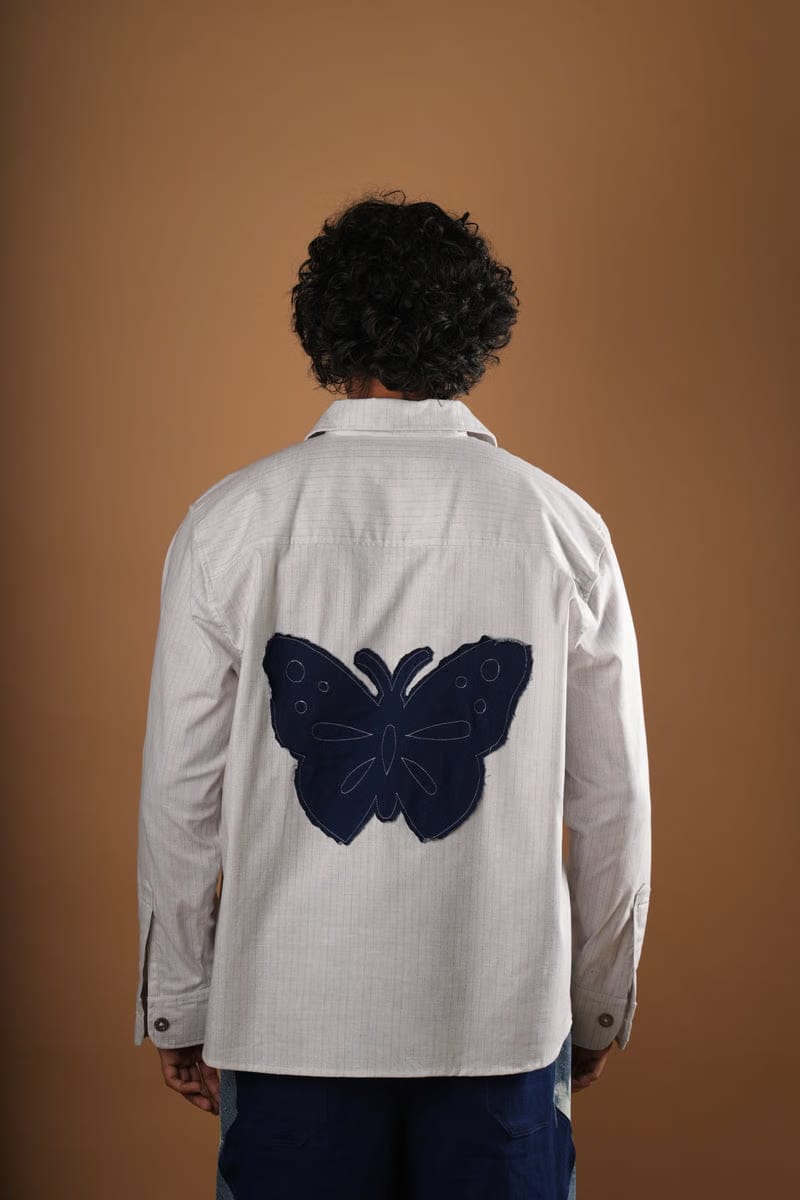
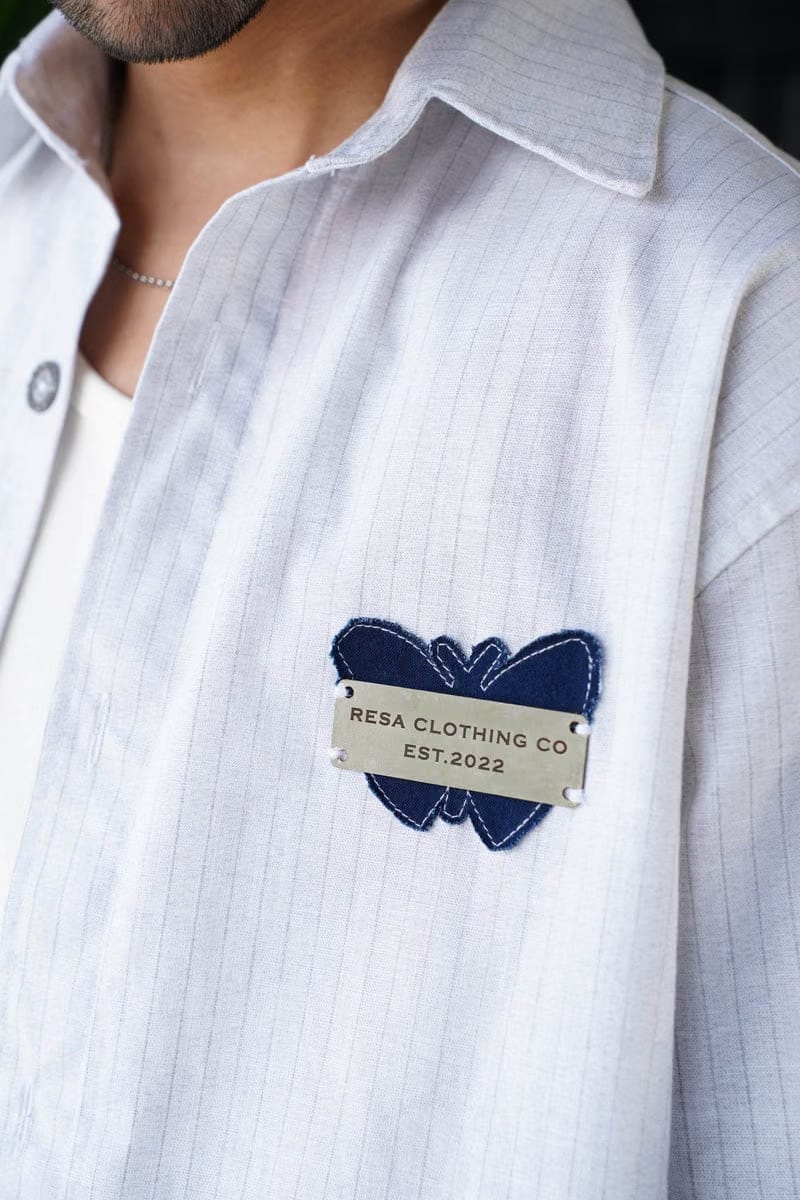
Fast Fashion Shirt
Fast Fashion Shirt
DELIVERY AND AUTHENTICATION

Includes Authentication Certificate
by Checkcheck global standards
Come see it in person

Culture Note™
The genesis of the Fast Fashion Shirt lies within the relentless churn of contemporary consumer culture. Its origins are intertwined with the rise of globalized supply chains and the prioritization of speed over substance. This garment represents a symptom of a broader shift, a commodification of trends, and a disregard for enduring quality.
The primary utility of the Fast Fashion Shirt is to satisfy the immediate demands of rapidly changing trends. It serves as a disposable item, designed for short-term wear and frequent replacement. This shirt is a symbol of a culture of disposability, where obsolescence is built into the product's very design.
The Fast Fashion Shirt has permeated nearly every stratum of modern society, acting as a ubiquitous symbol of consumption. It has become a staple in wardrobes across the globe, reflecting the widespread accessibility of fleeting trends. While direct sightings in specific events are not detailed in the data, the shirt's influence is undeniable. Its presence is felt everywhere from the bustling streets of Tokyo to the runways of hastily arranged fashion shows. The shirt's impact is also seen in the actions of the consumer, making their everyday choices a reflection of the shirt's existence.
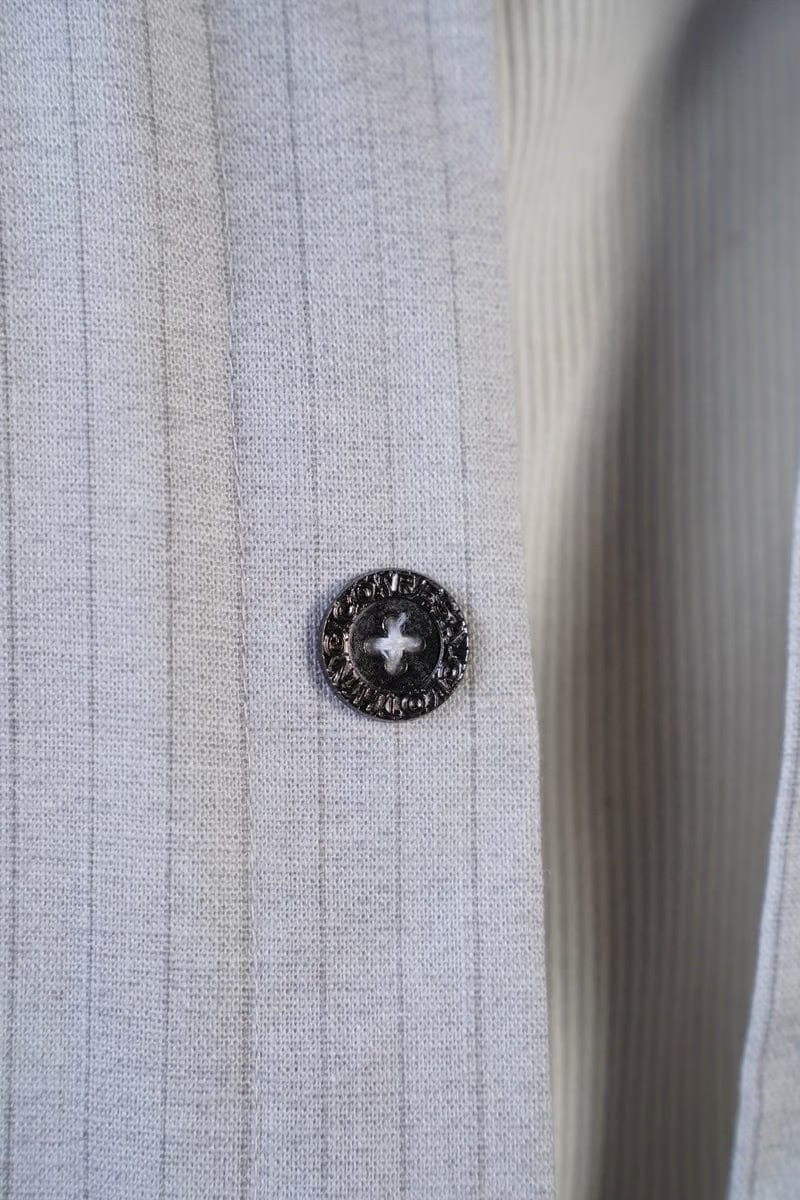
The Fast Fashion Shirt's construction typically prioritizes cost efficiency above all else. Common materials include inexpensive fabrics, often synthetic or mass-produced cotton. Production methods favor speed, frequently utilizing automated processes, and the garment's design often reflects a transient aesthetic.
Most asked questions
How we always
Guarantee the best prices?

Luxury marketplace
In luxury marketplaces, prices depend on demand — less popular items sell below retail.
.svg)
Competition between sellers
Our 5,000+ verified sellers compete with each other, giving you the lowest prices.
.svg)
Price comparison
We show you price comparisons across sellers so you always get better deals.
.svg)
Helping sellers, helping you
We help sellers buy smarter inventory, so they can offer you better prices.
Loading…