
Certificate of
Authenticity
Authenticity
0
Try on
View authenticity certificate

 53 Sold in the last 7 days
 53 Sold in the last 7 days
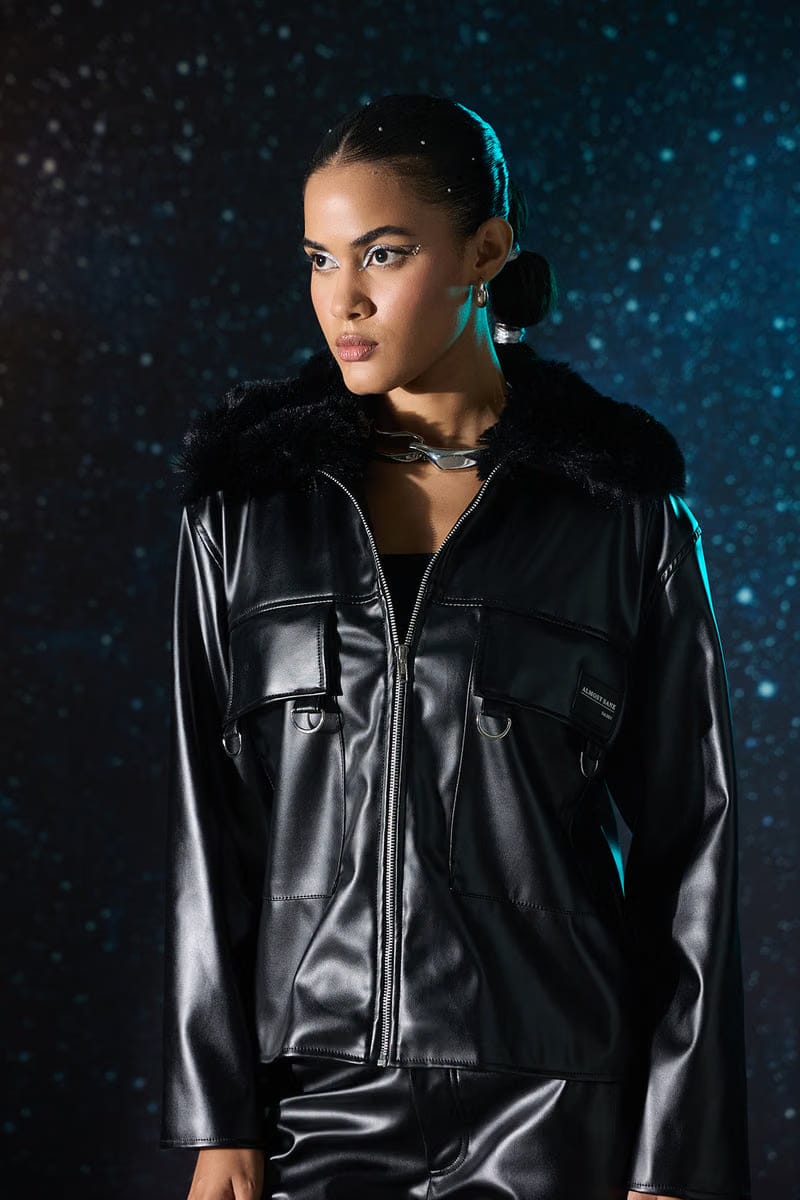
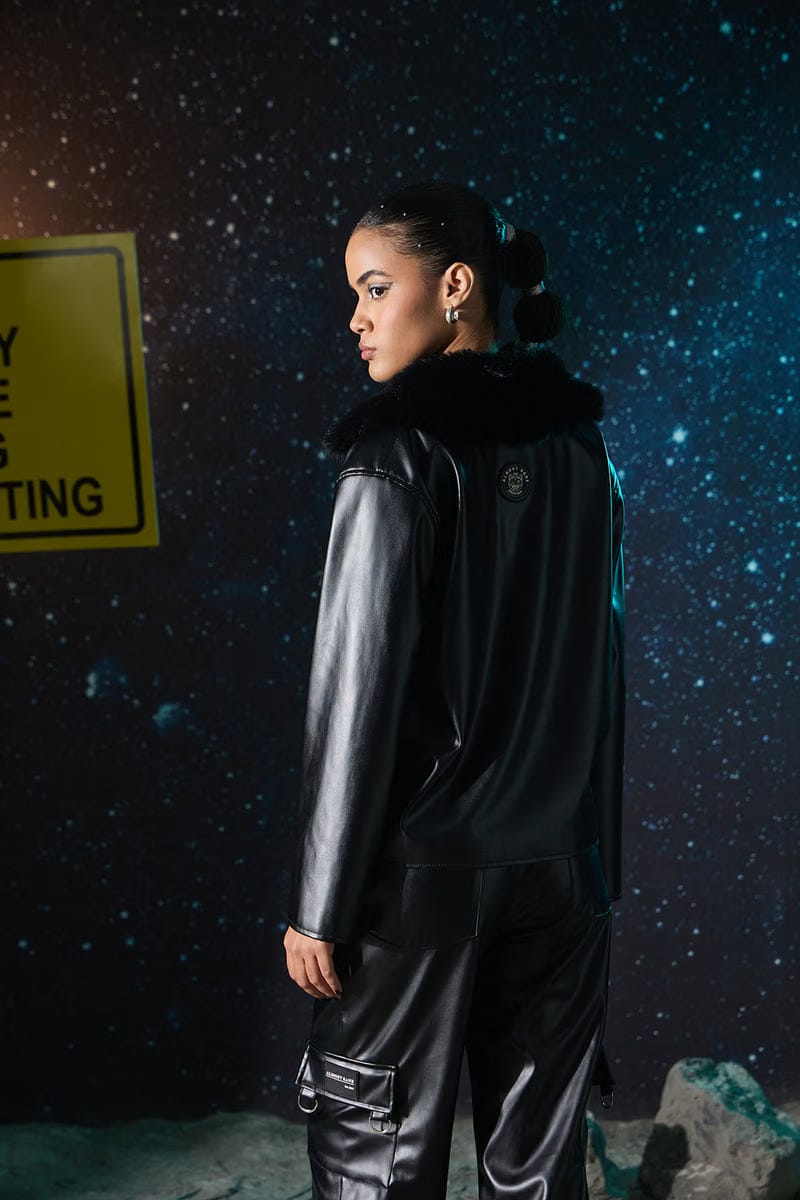
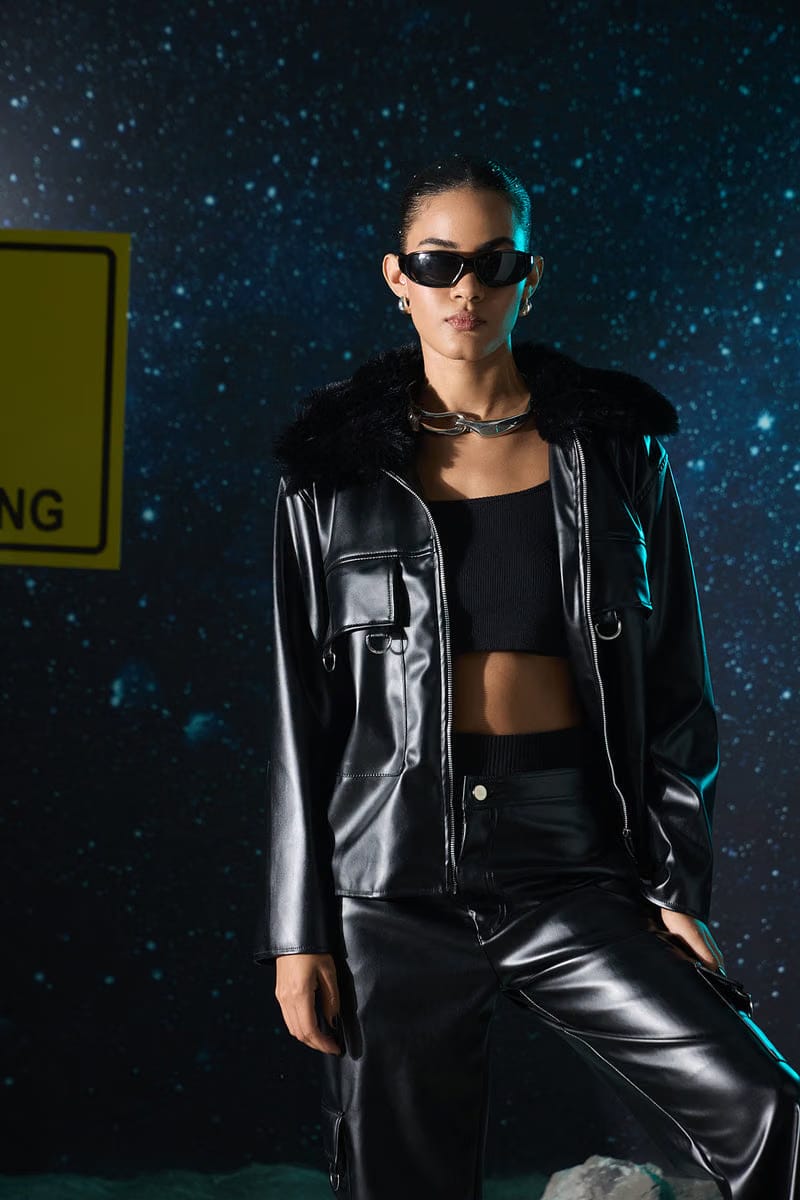
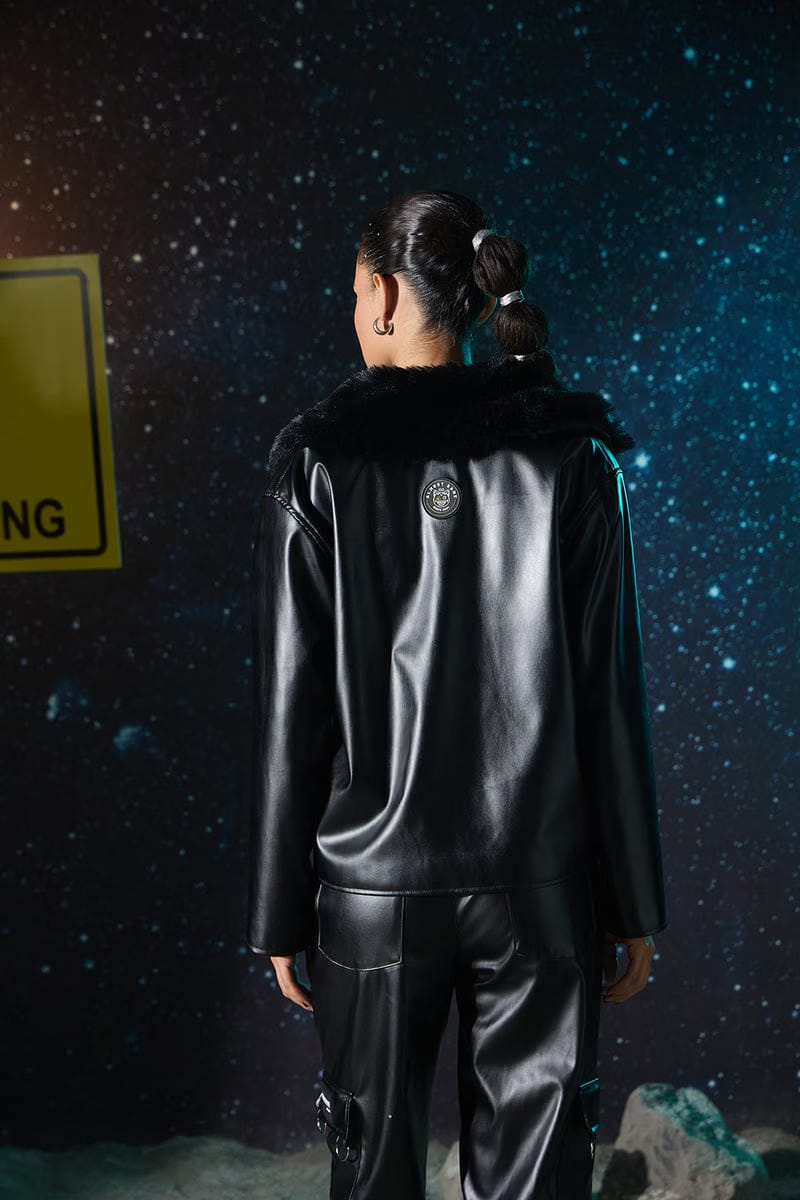
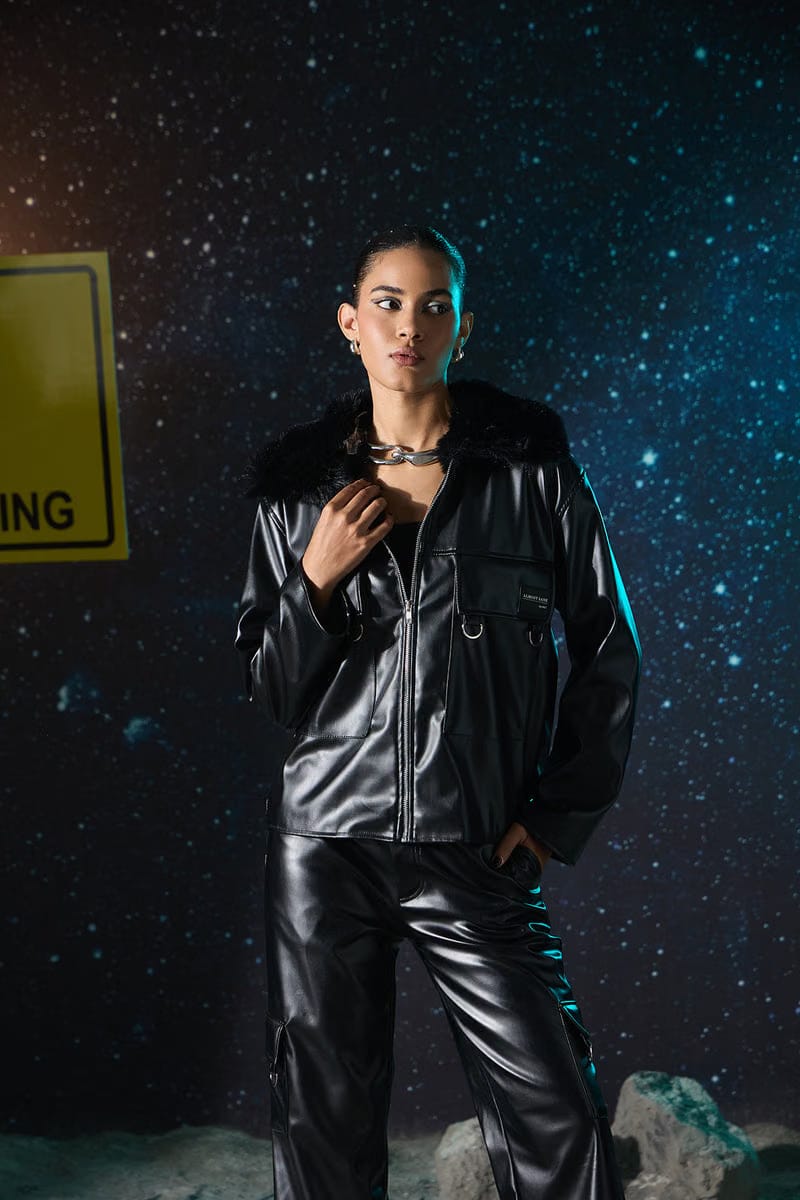
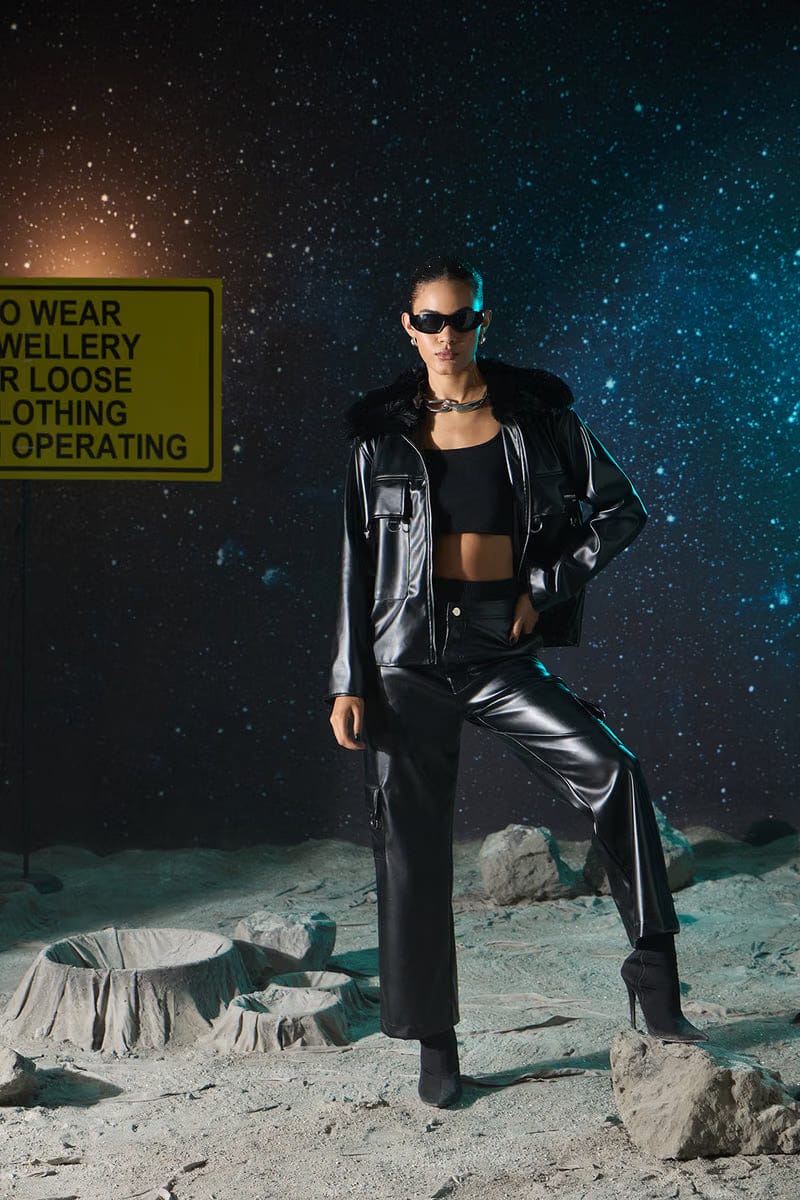
FAUX LEATHER JACKET
FAUX LEATHER JACKET
DELIVERY AND AUTHENTICATION

Includes Authentication Certificate
by Checkcheck global standards
Come see it in person

Culture Note™
The Faux Leather Jacket, a garment born from the desire for the aesthetic of leather without the environmental or ethical implications, emerged as a symbol of rebellion and counter-culture. Its rise paralleled advancements in synthetic materials, offering a more accessible and versatile alternative to traditional leather. This jacket quickly became a staple in various subcultures, evolving from its initial utilitarian purpose.
Beyond its aesthetic appeal, the Faux Leather Jacket serves a practical purpose, offering protection from the elements while maintaining a stylish appearance. Its durability and ease of care make it a versatile choice for various activities, from urban exploration to casual outings. The jacket's design also allows for layering, adapting to different climates and personal styles, cementing its place as a functional wardrobe essential.
The Faux Leather Jacket has exerted significant influence across fashion and popular culture. It became a hallmark of the punk movement, particularly in the raw energy of performances at CBGB in New York City. The jacket's association with rock and roll icons, particularly during the height of the British Invasion, further solidified its rebellious image. Moreover, the jacket's adoption by the fashion elite, seen prominently at runway shows in Paris, elevated its status as a timeless garment.
The Faux Leather Jacket is typically crafted from a base fabric, often polyester or nylon, coated with a synthetic polymer like polyurethane or polyvinyl chloride, allowing for diverse textures and finishes. Construction often features an asymmetrical zipper, wide lapels, and epaulets, reflecting the iconic biker jacket design. Further details include side pockets, snap-button plackets, and quilted accents, contributing to its bold and recognizable silhouette.
Most asked questions
How we always
Guarantee the best prices?

Luxury marketplace
In luxury marketplaces, prices depend on demand — less popular items sell below retail.
.svg)
Competition between sellers
Our 5,000+ verified sellers compete with each other, giving you the lowest prices.
.svg)
Price comparison
We show you price comparisons across sellers so you always get better deals.
.svg)
Helping sellers, helping you
We help sellers buy smarter inventory, so they can offer you better prices.
Loading…