The Adidas Gazelle emerged in 1966, distinguishing itself as an early pioneer crafted from suede, a departure from the conventional leather or canvas. This marked the genesis of a design destined to transcend its athletic origins, setting the stage for its eventual cultural dominance. The Gazelle's introduction signaled a shift in Adidas' design philosophy, prioritizing both performance and aesthetic appeal.
Initially conceived for training across indoor and outdoor sports, the Gazelle's utility has expanded far beyond its original purpose. While it maintains its casual and lifestyle appeal, its enduring design has made it a versatile choice for various activities. The inclusion of an extra pair of laces in some editions suggests a focus on user customization and adaptability.
The Gazelle's influence is undeniable, having permeated numerous subcultures from the football terraces to the world of hip-hop. Kate Moss, a pivotal figure, was regularly seen sporting the Gazelle during the 1990s, solidifying its place in fashion history, and later featured in Adidas' 2016 campaign. Noel Gallagher of Oasis, a cornerstone of the Britpop scene, frequently wore the shoe, further embedding the Gazelle within the cultural zeitgeist. The Beastie Boys, instrumental figures in hip-hop, adopted the Gazelle, contributing to its widespread appeal and influence.
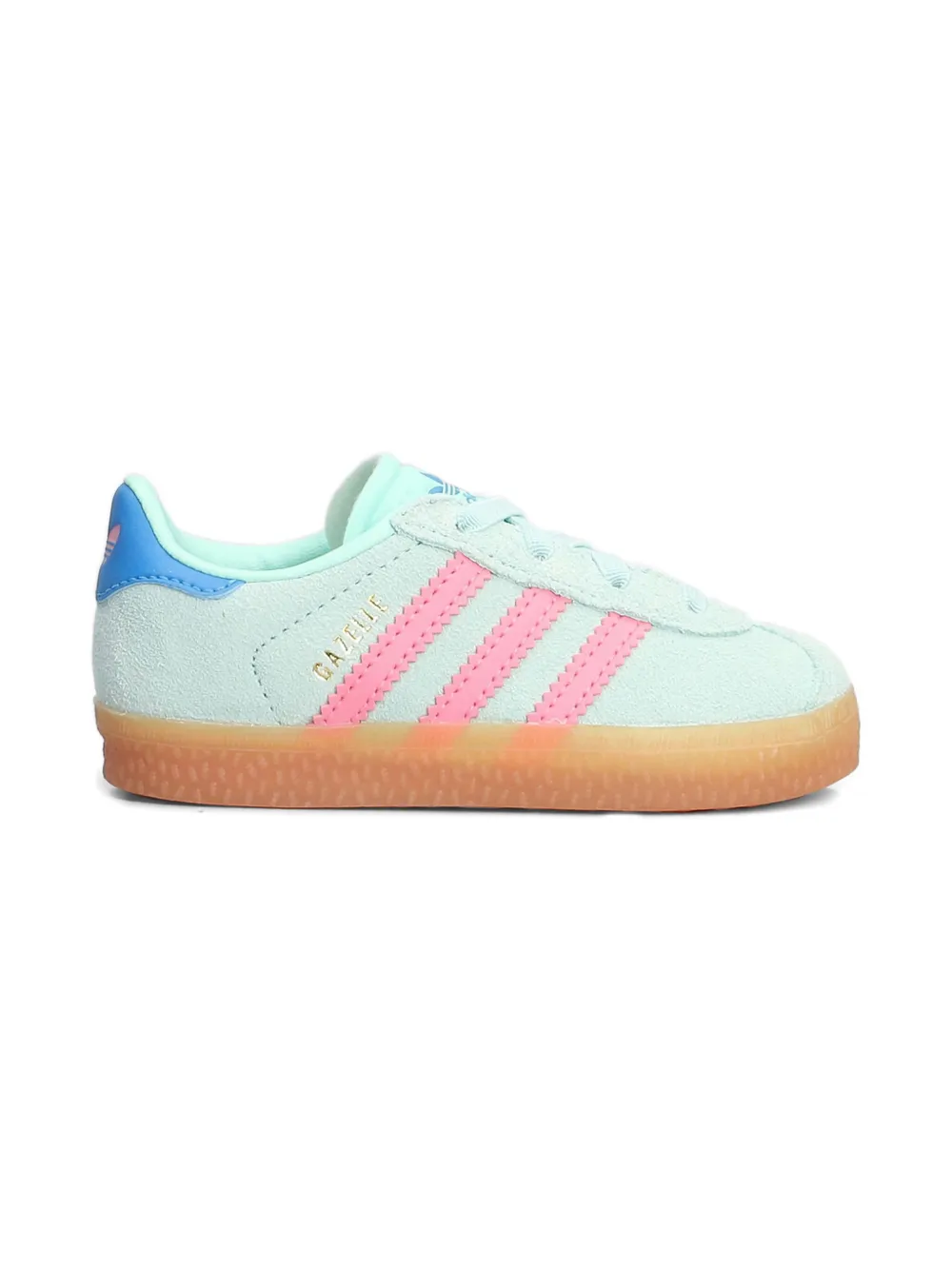
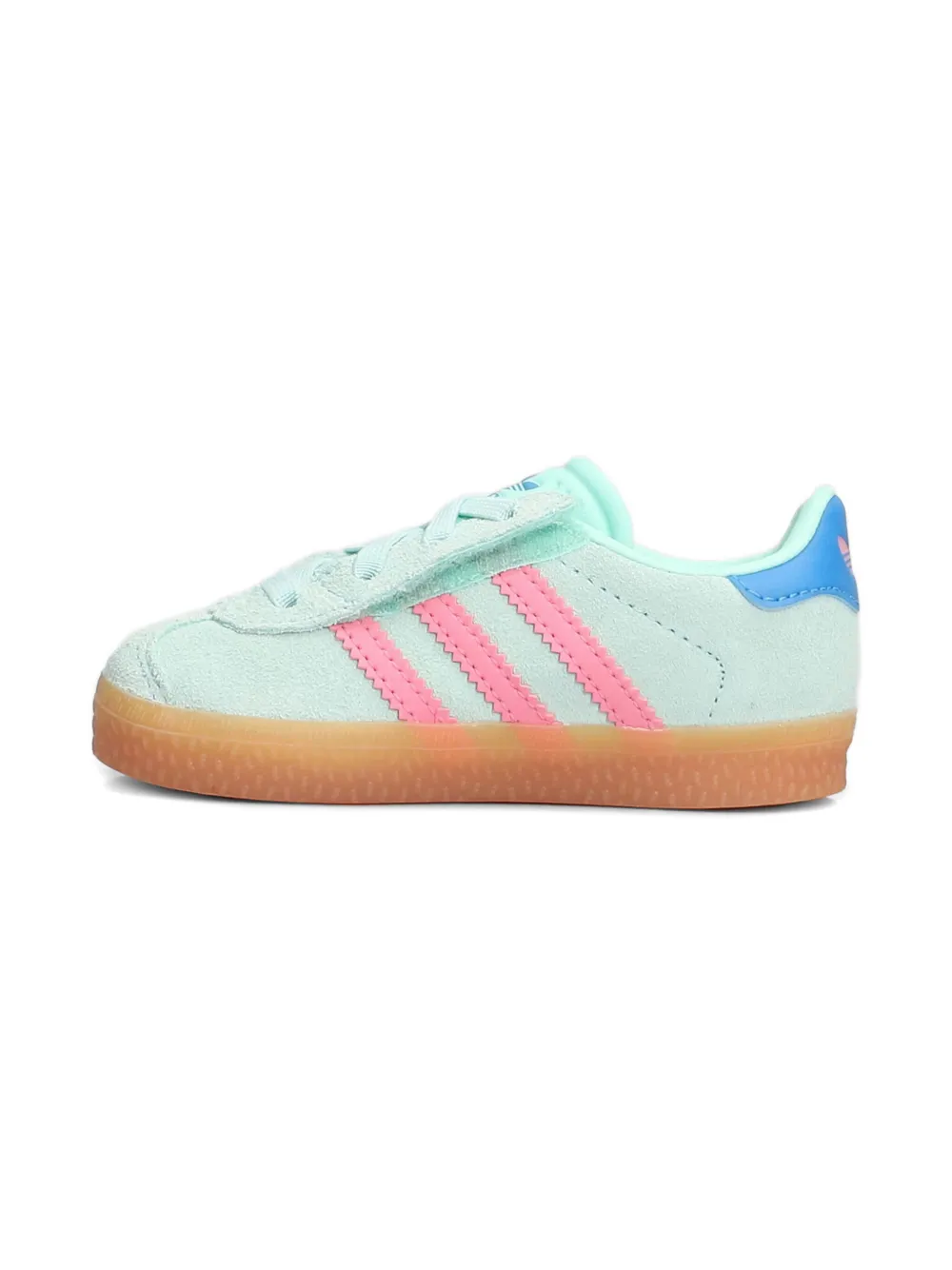
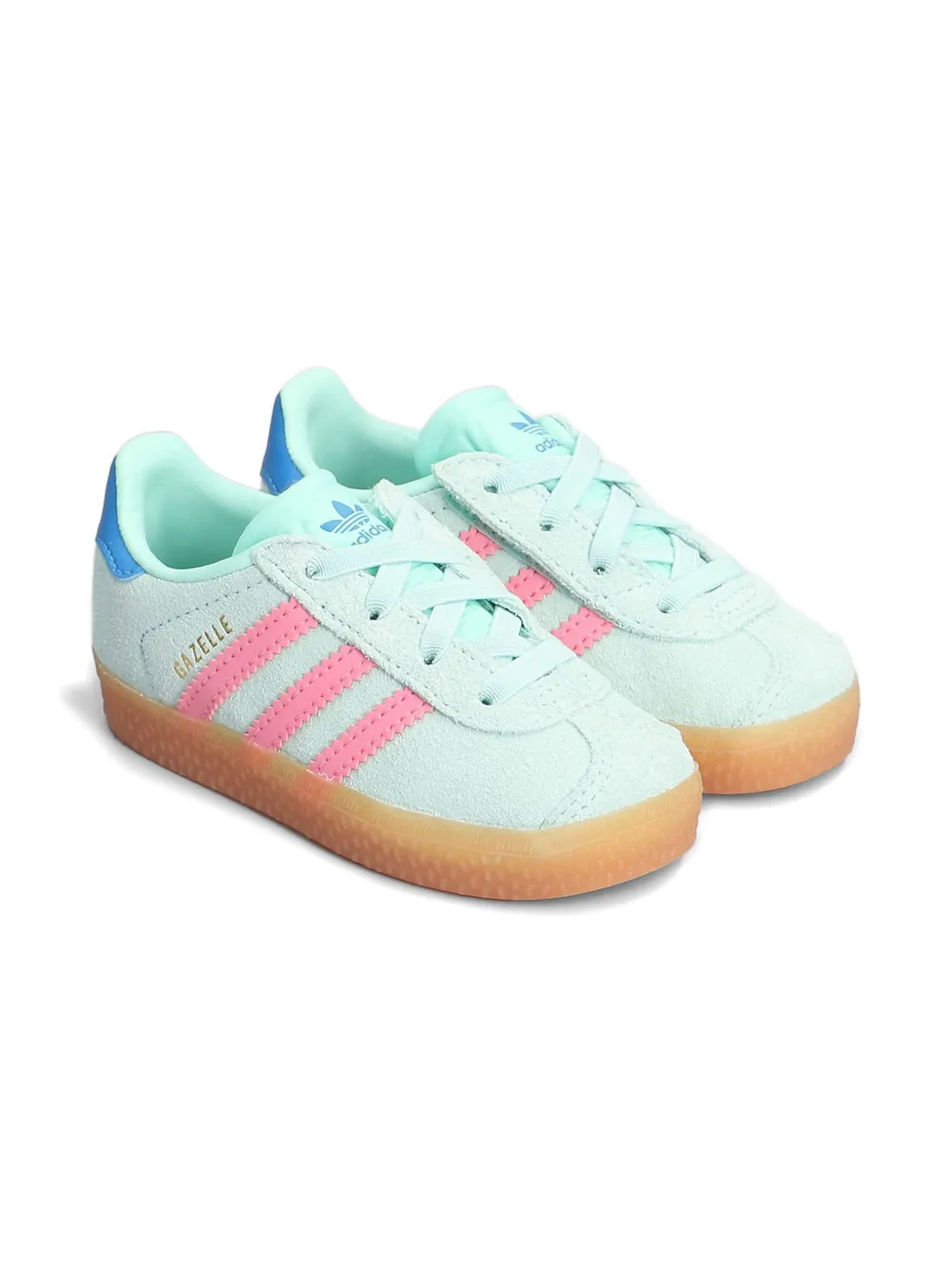
The Gazelle boasts a suede or nubuck upper, frequently featuring a T-toe overlay and the iconic serrated 3-Stripes. Its construction incorporates a rubber outsole, often with a textured midsole or a translucent gum variation, with hexagonal patterns appearing since 1971. The use of suede, rubber, and textile lining underscores its blend of durability and comfort.










.svg)
.svg)
.svg)