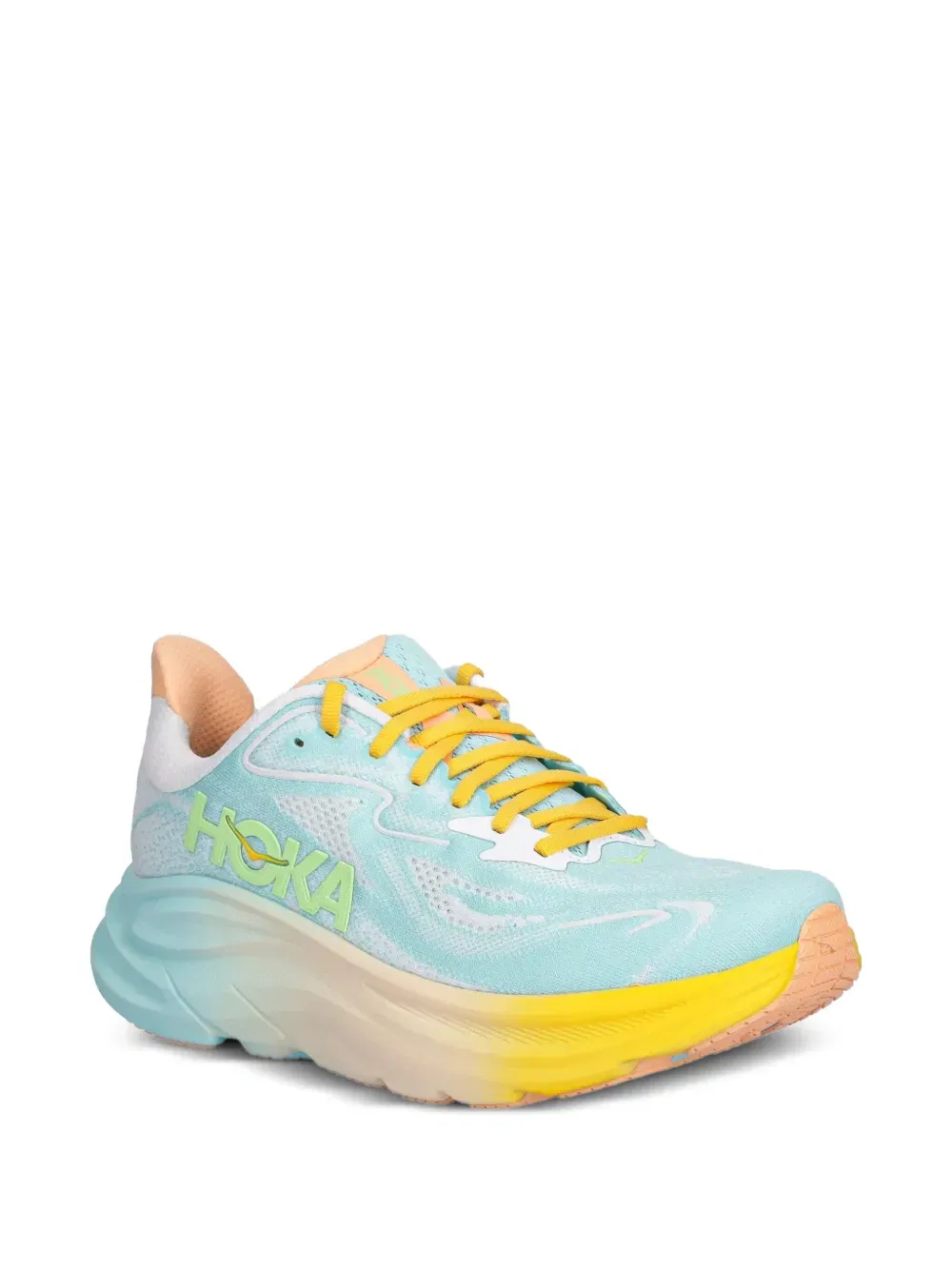
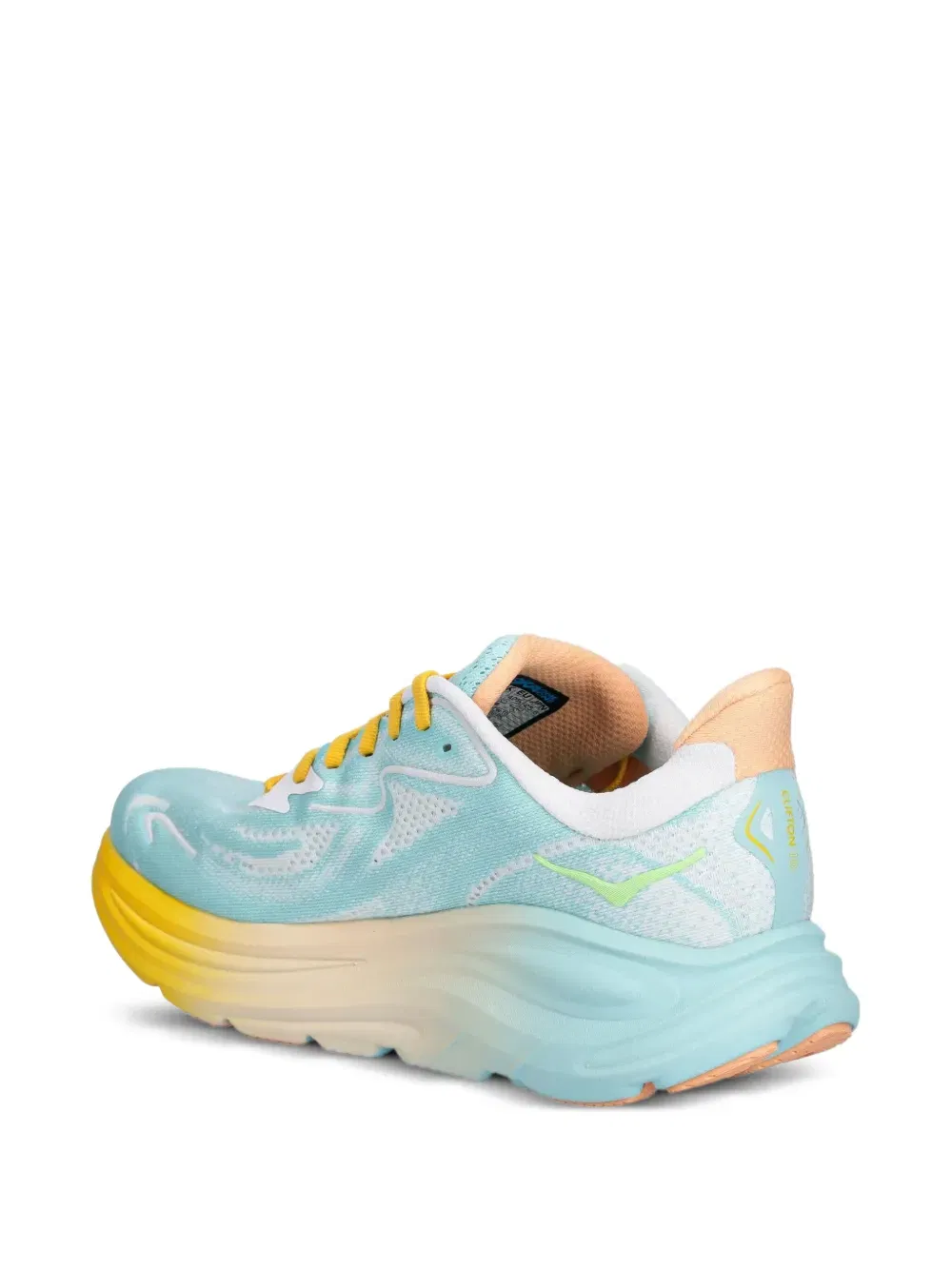
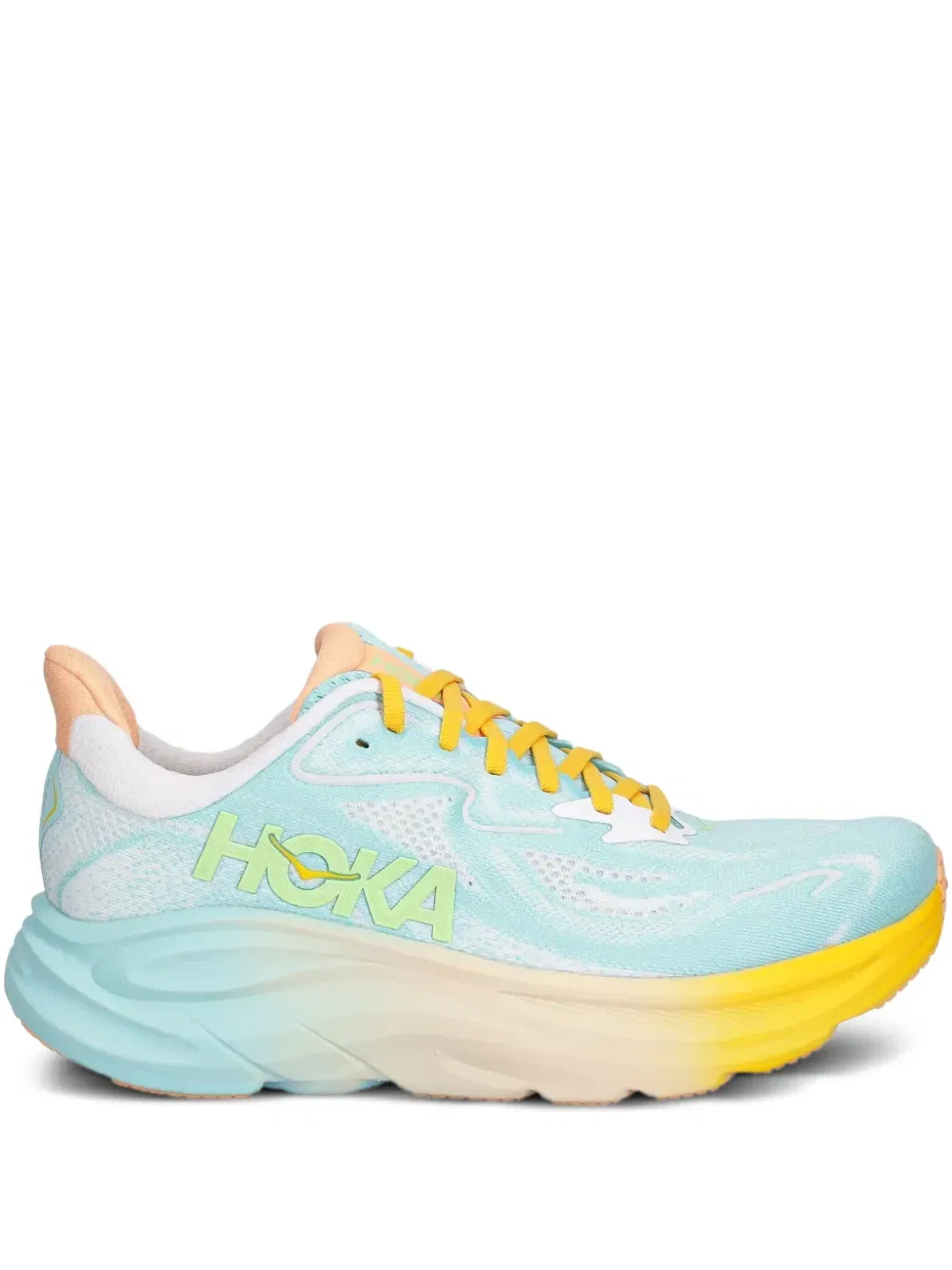
The genesis of gradient-sole sneakers can be traced back to the burgeoning footwear trends of the late 20th century, with the Nike Air Max Plus as a pivotal example. This innovative design, conceived in the 1990s, sought to translate the ephemeral beauty of natural phenomena into wearable art. The design was inspired by vibrant sunset skies and the swaying palm trees, which were then translated into a gradient effect.
Gradient-sole sneakers are primarily designed for casual wear and lifestyle purposes, providing comfort and style for everyday use. The adaptability of these sneakers extends to specific models that are engineered for athletic activities, running, or even specialized pursuits like whitewater kayaking. The versatile design and construction make them suitable for a wide range of activities.
The gradient-sole sneaker has made an indelible mark on sneaker culture, fashion, and street style. Lev Tanju, during a Panel talk at Manor Place on March 12, 2026, was seen sporting a pair, solidifying their status within discerning circles. The gradient colorways, from the earliest designs, have become a signature aesthetic. These sneakers have transcended their functional origins to become a symbol of style, innovation, and self-expression, embraced by fashion-forward individuals across the globe.
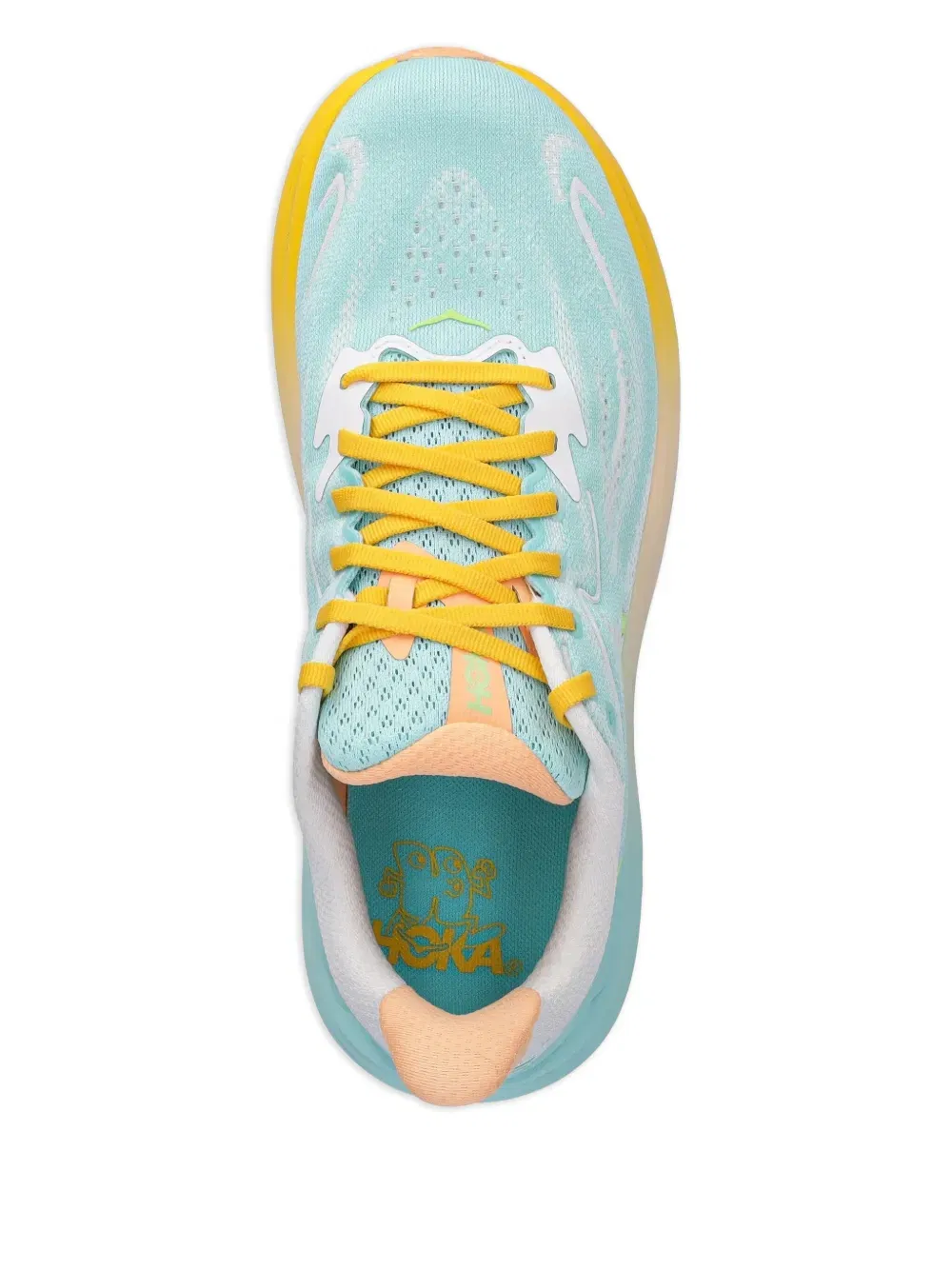
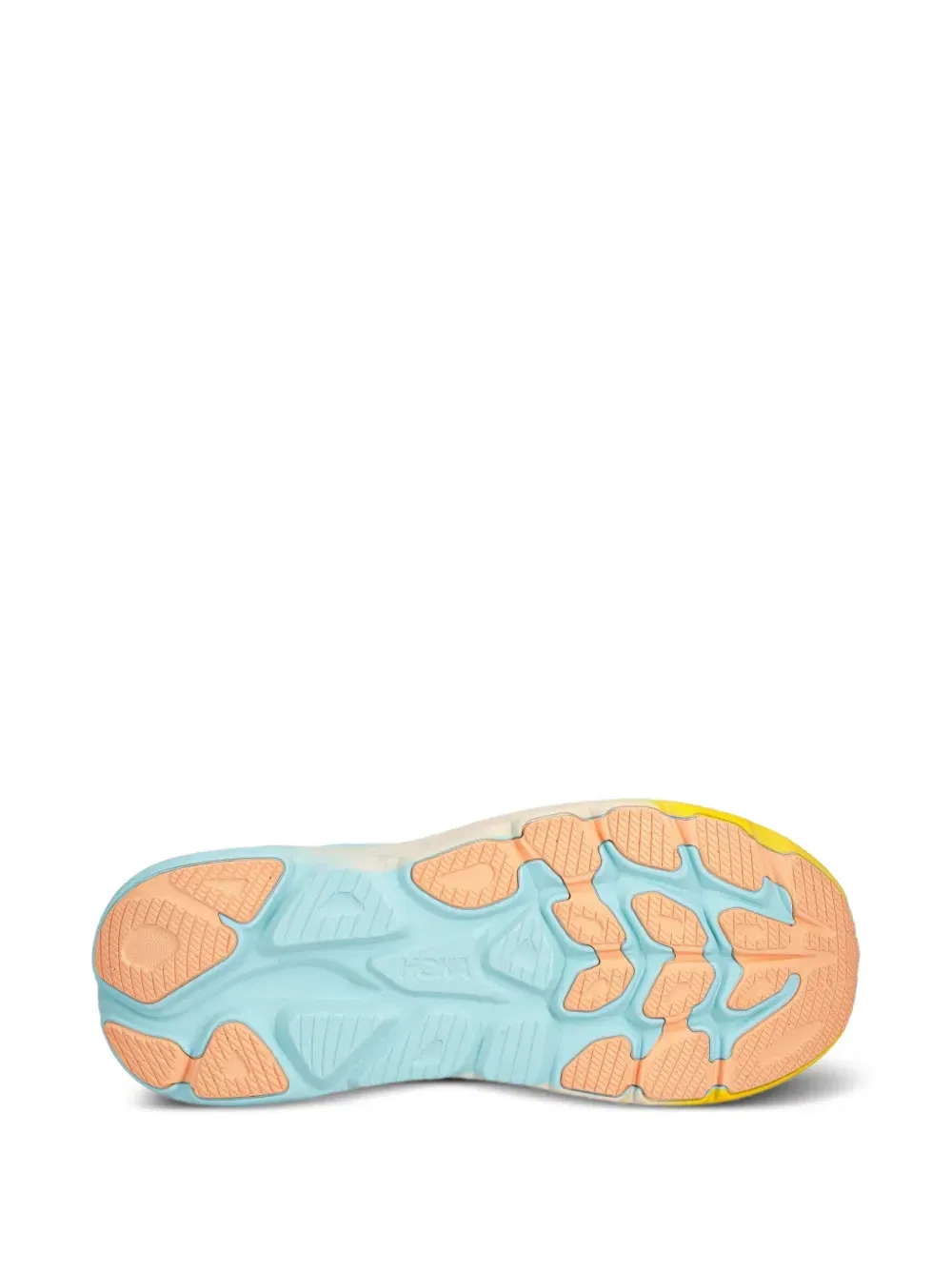
These sneakers are crafted with a diverse array of materials, including fabrics, synthetic leather, and often include mesh elements for breathability. The outsole, typically composed of rubber or synthetic compounds, is designed for optimal grip, sometimes incorporating specialized traction technologies. Cushioning systems often feature EVA midsoles, sometimes with Air bed or foam-based technologies for enhanced comfort and support, and may include features like adjustable laces.








.svg)
.svg)
.svg)