The black leather jacket, an emblem of rebellion and cool, emerged from utilitarian roots, quickly transcending its initial purpose. Born from the need for durable outerwear, its evolution mirrored societal shifts, solidifying its place in the wardrobes of those who dared to defy convention. This garment's origins are inextricably linked to a spirit of independence, making it a cornerstone of counter-cultural movements.
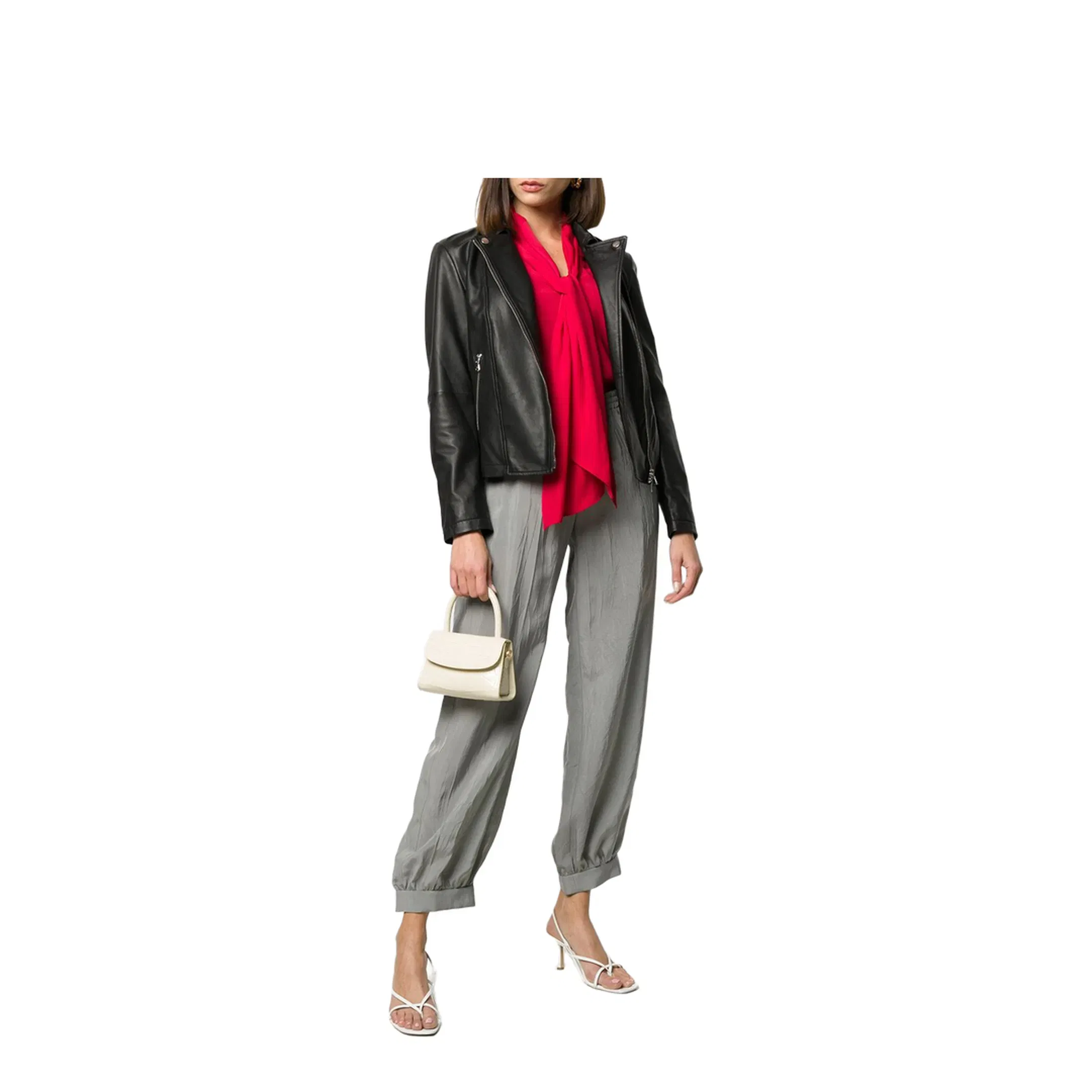
Beyond its aesthetic appeal, the black leather jacket serves as a practical garment, offering protection from the elements while projecting an aura of confidence. Its versatility allows it to seamlessly integrate into various styles, from casual to more formal ensembles, making it a wardrobe staple. The jacket's enduring appeal lies in its ability to adapt, serving as a canvas for self-expression and a symbol of timeless style.
The black leather jacket has indelibly marked the cultural landscape, influencing generations. In the heart of the punk movement, figures like Sid Vicious, often seen in London clubs, adopted the jacket as a badge of rebellion. Later, in the realm of rock and roll, the jacket became synonymous with legends, like Bruce Springsteen, who wore it on countless tours, embodying a rugged, working-class ethos. The jacket's influence extended to Hollywood, where Marlon Brando, in 'The Wild One', solidified its image as a symbol of defiance and cool.
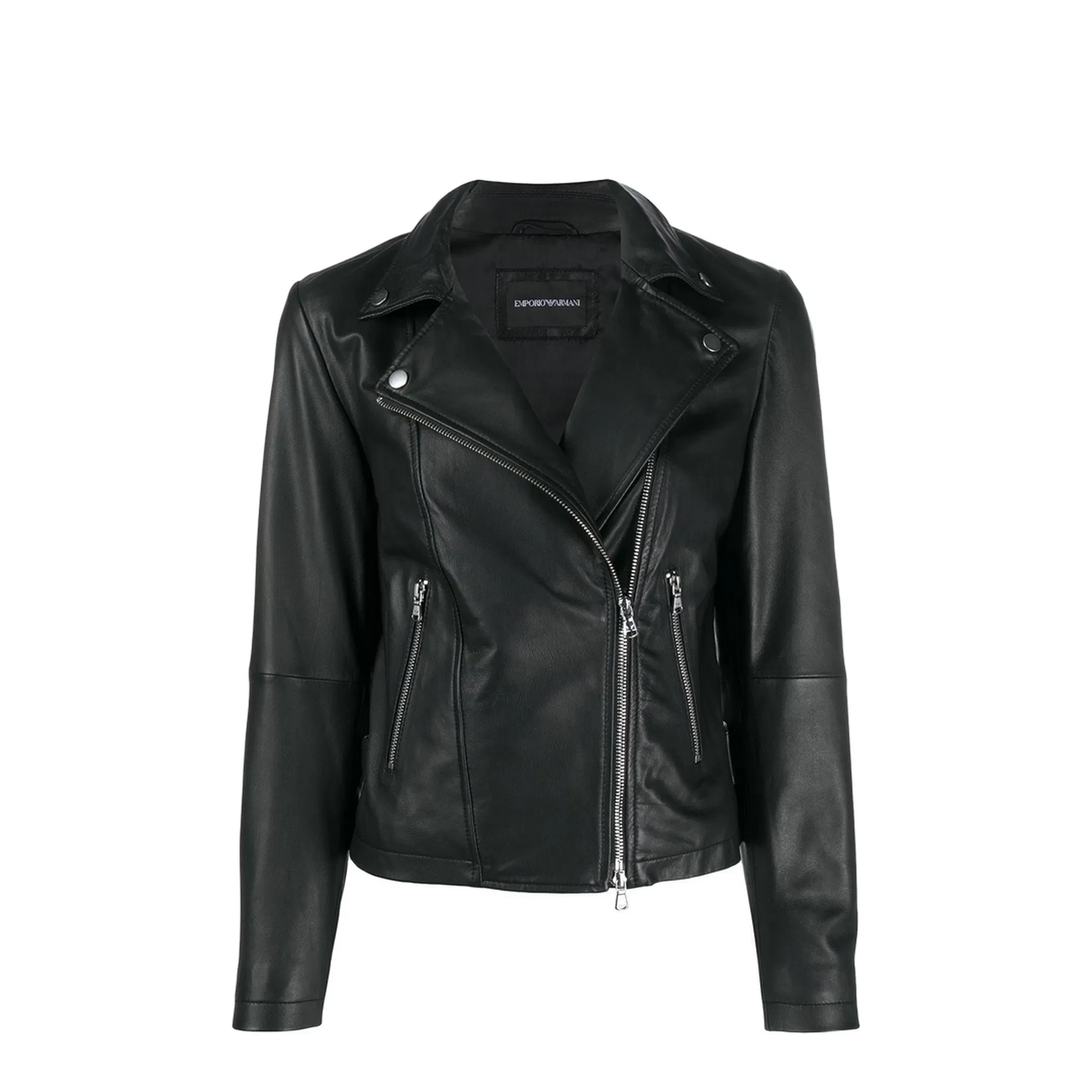
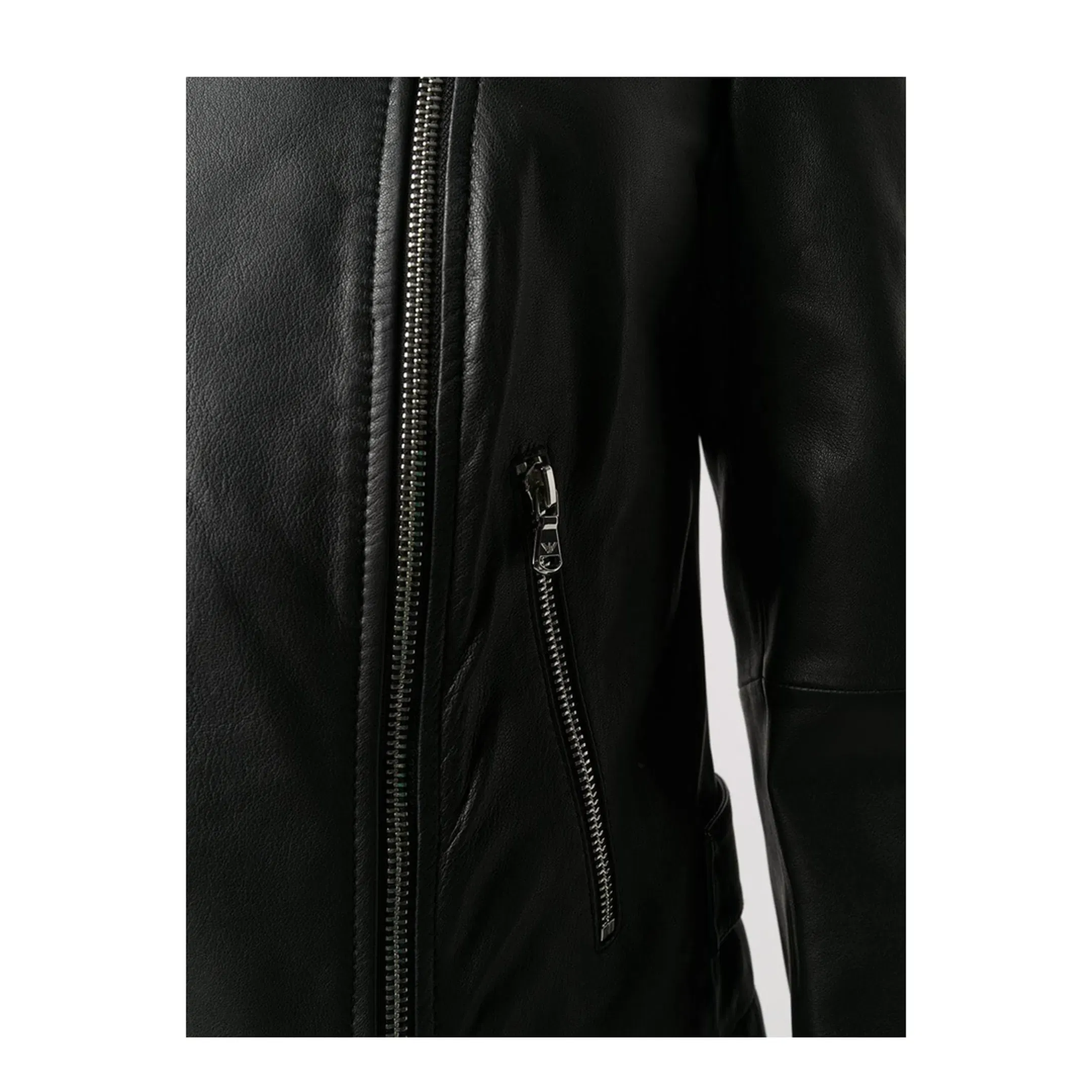
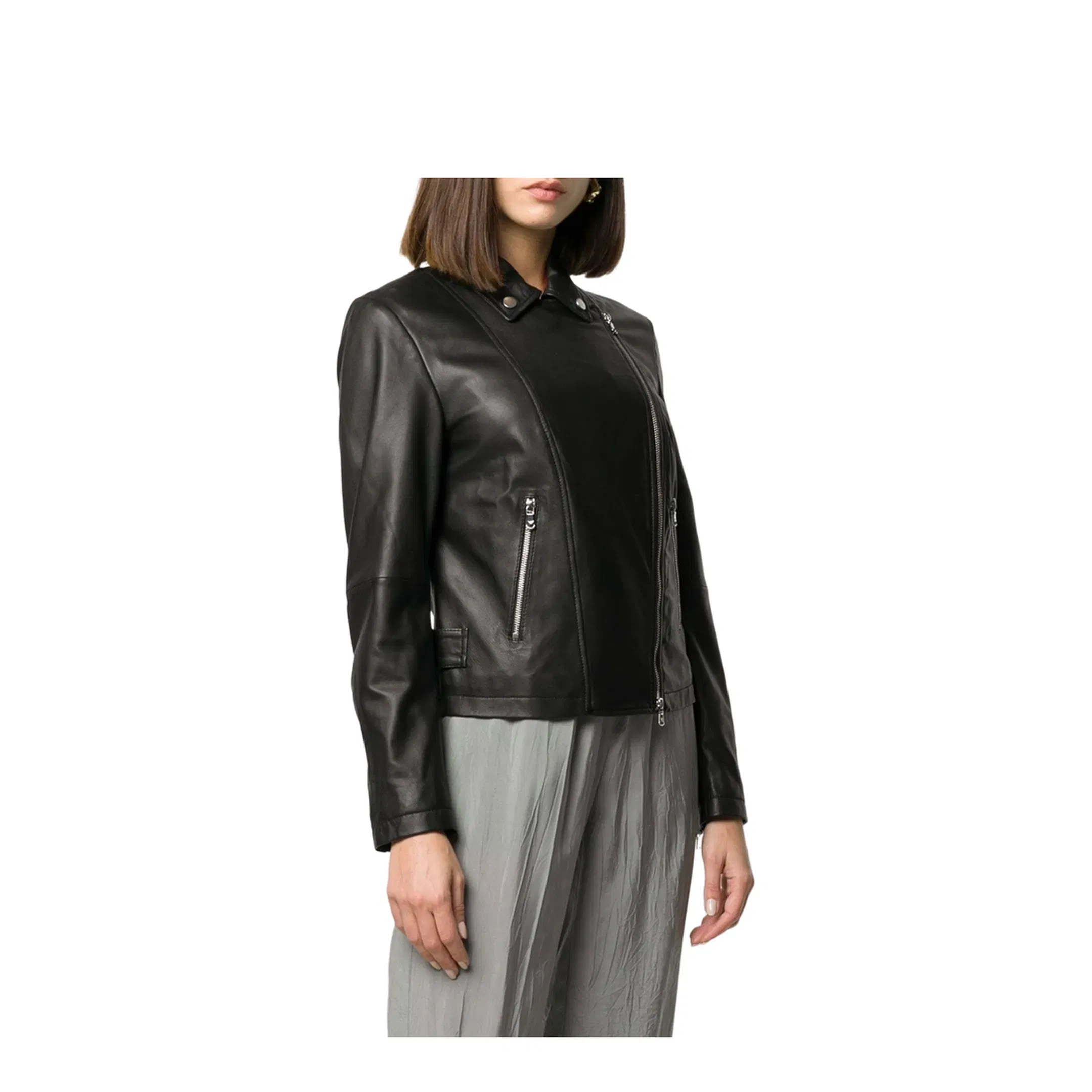
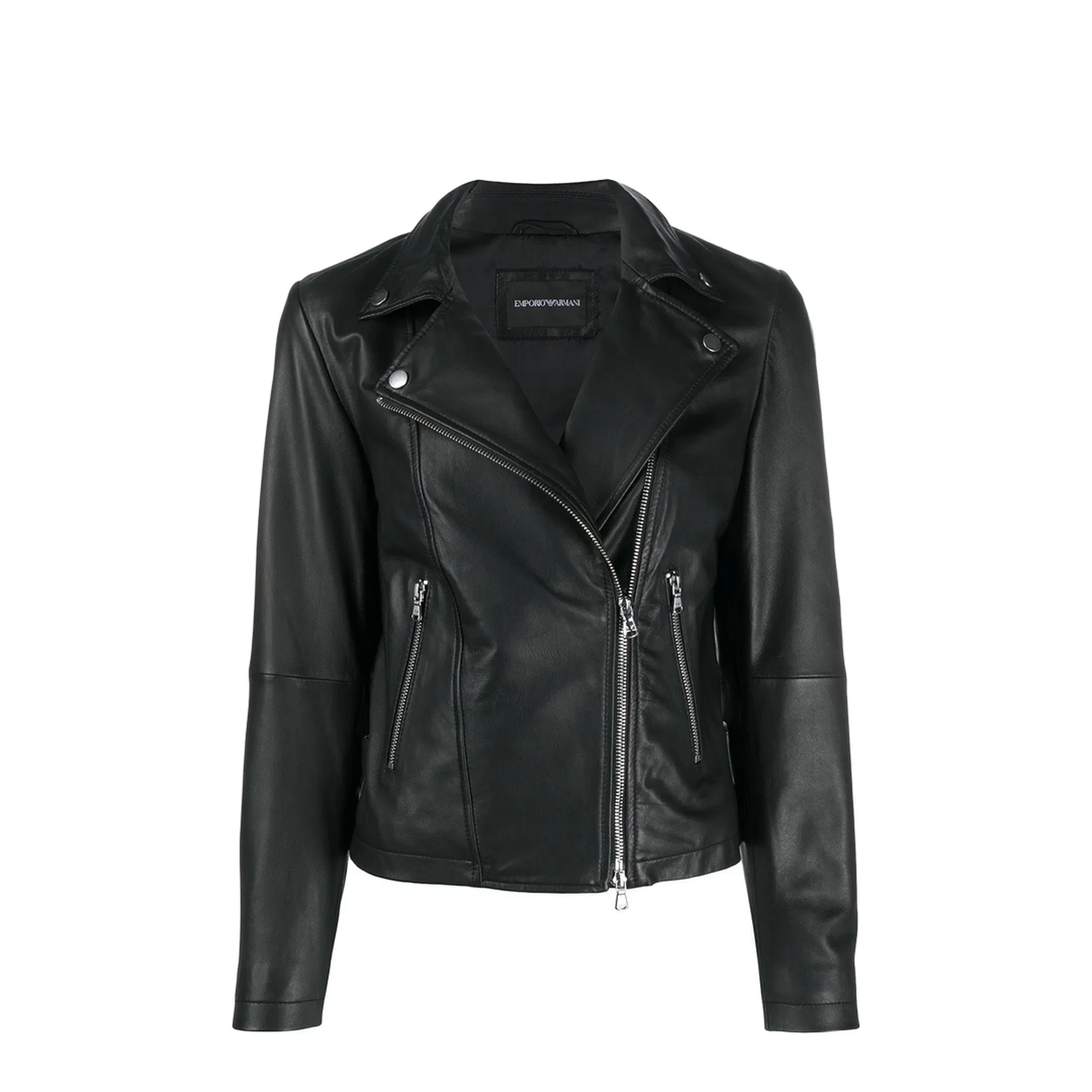
Crafted from robust leather, the black leather jacket is defined by its strength, designed to withstand the rigors of daily life. The construction typically involves meticulous stitching, reinforced seams, and often, a tailored fit that accentuates the wearer's form. Details such as zippers, pockets, and a sturdy collar contribute to both the jacket's functionality and its iconic aesthetic.







.svg)
.svg)
.svg)