The genesis of the boat shoe can be traced back to 1935, a pivotal year when Paul A. Sperry, observing his dog's surefootedness on ice, conceived the idea for a non-slip shoe. This innovative design, featuring siped rubber soles, was initially crafted to provide superior grip on wet boat decks, thereby preventing slips and falls. This functional design quickly became a staple for sailors, setting the stage for its subsequent evolution into a broader cultural icon, with its roots firmly planted in the world of maritime activity.
Primarily designed for sailing and boating, these shoes provide essential grip on slick surfaces. They have seamlessly transitioned into versatile casual wear, suitable for everyday use and smart-casual occasions. Their adaptability extends to various outdoor activities, and the design often incorporates features like breathable uppers and secure lacing systems. This makes them ideal for summer outfits, offering both comfort and practicality in diverse settings.
The boat shoe, a symbol of preppy style, gained significant prominence in the 1960s, embraced by figures like John F. Kennedy Jr., whose public appearances often featured the shoe. The shoe's influence expanded into multiple subcultures. In 2009, Kanye West, recognized for his impact on fashion, designed a line of boat shoes, further cementing its presence in contemporary culture. The boat shoe has a deep-rooted association with nautical style and continues to evolve, maintaining its status as a timeless footwear choice.
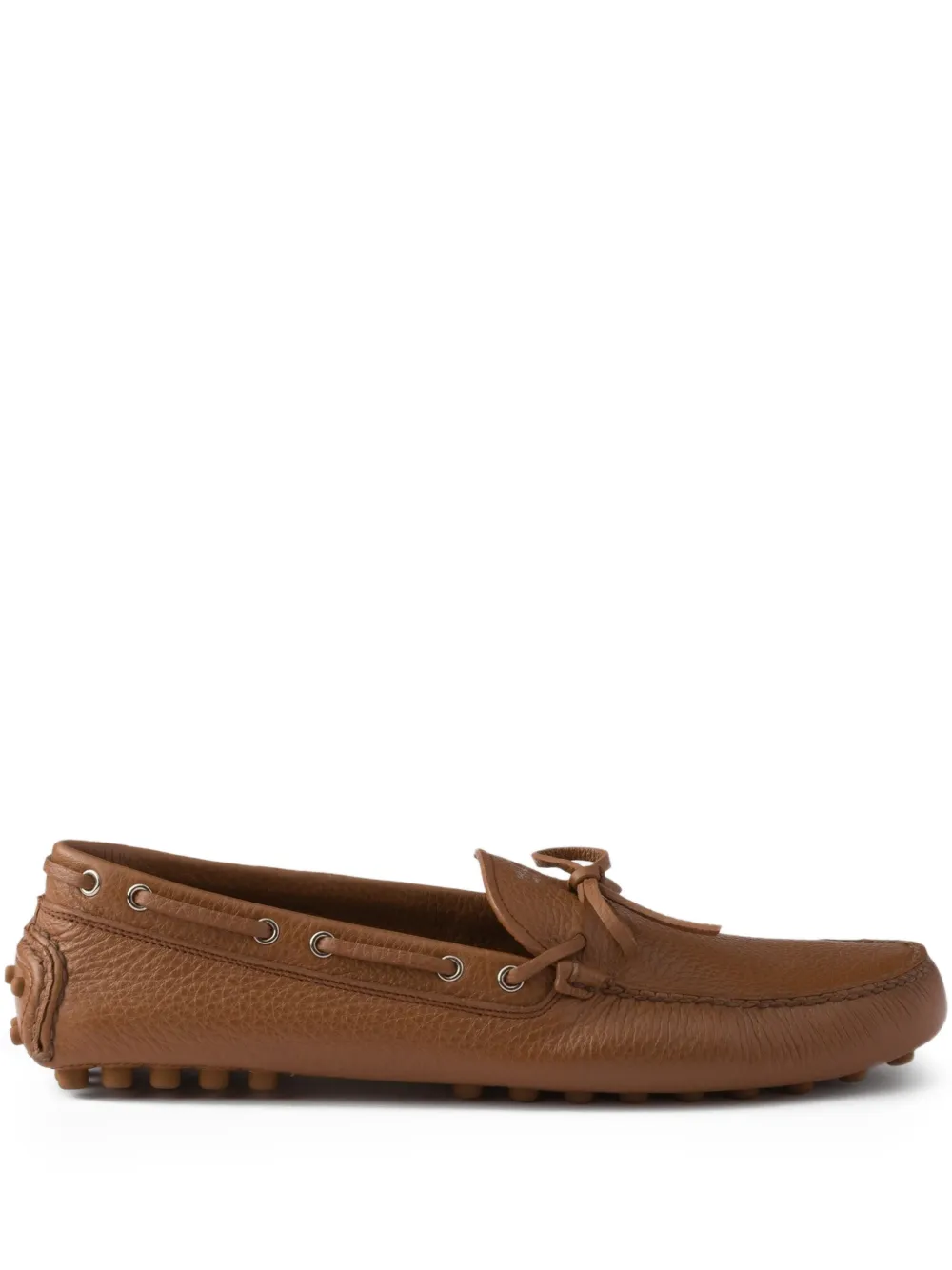
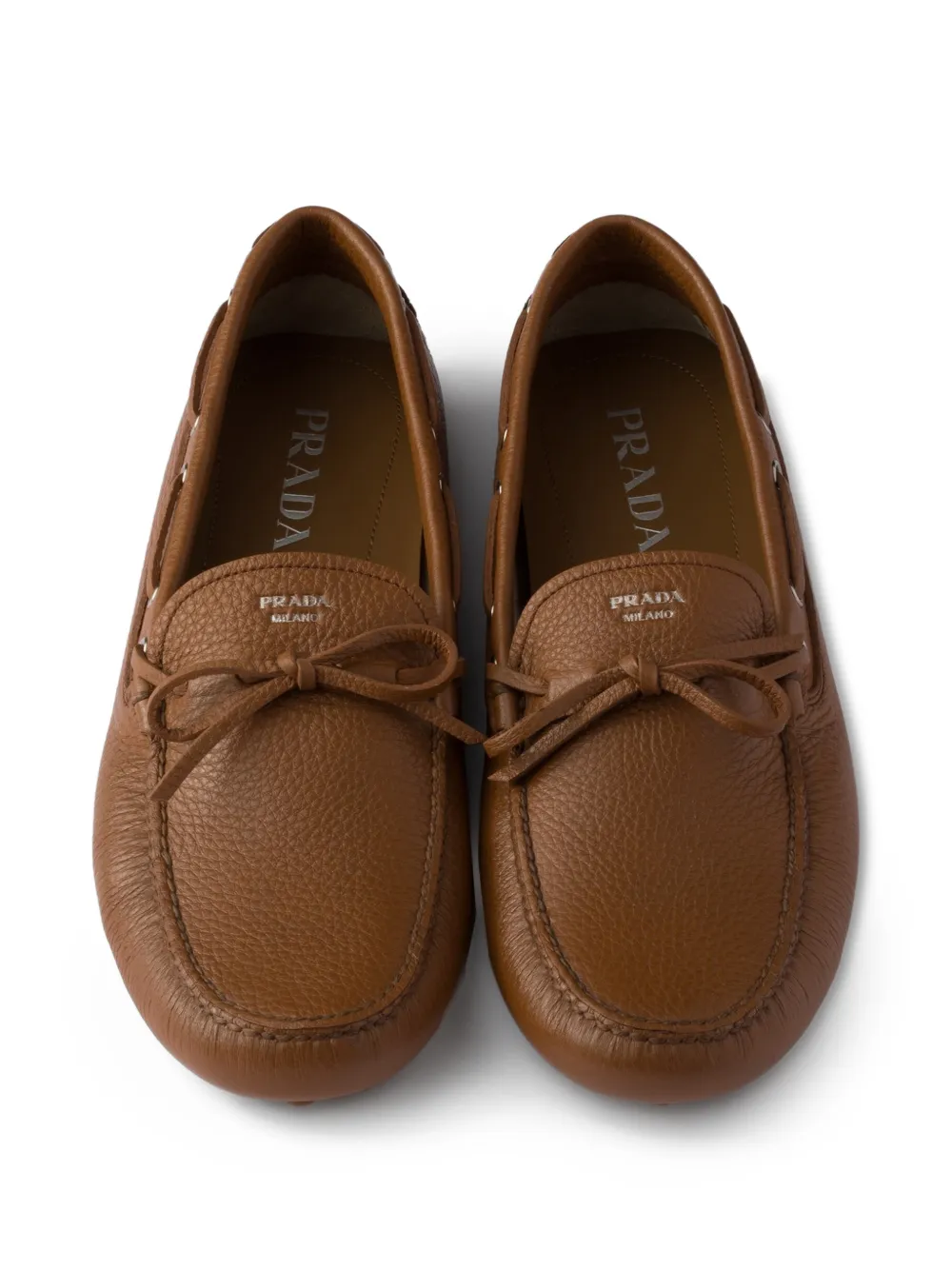
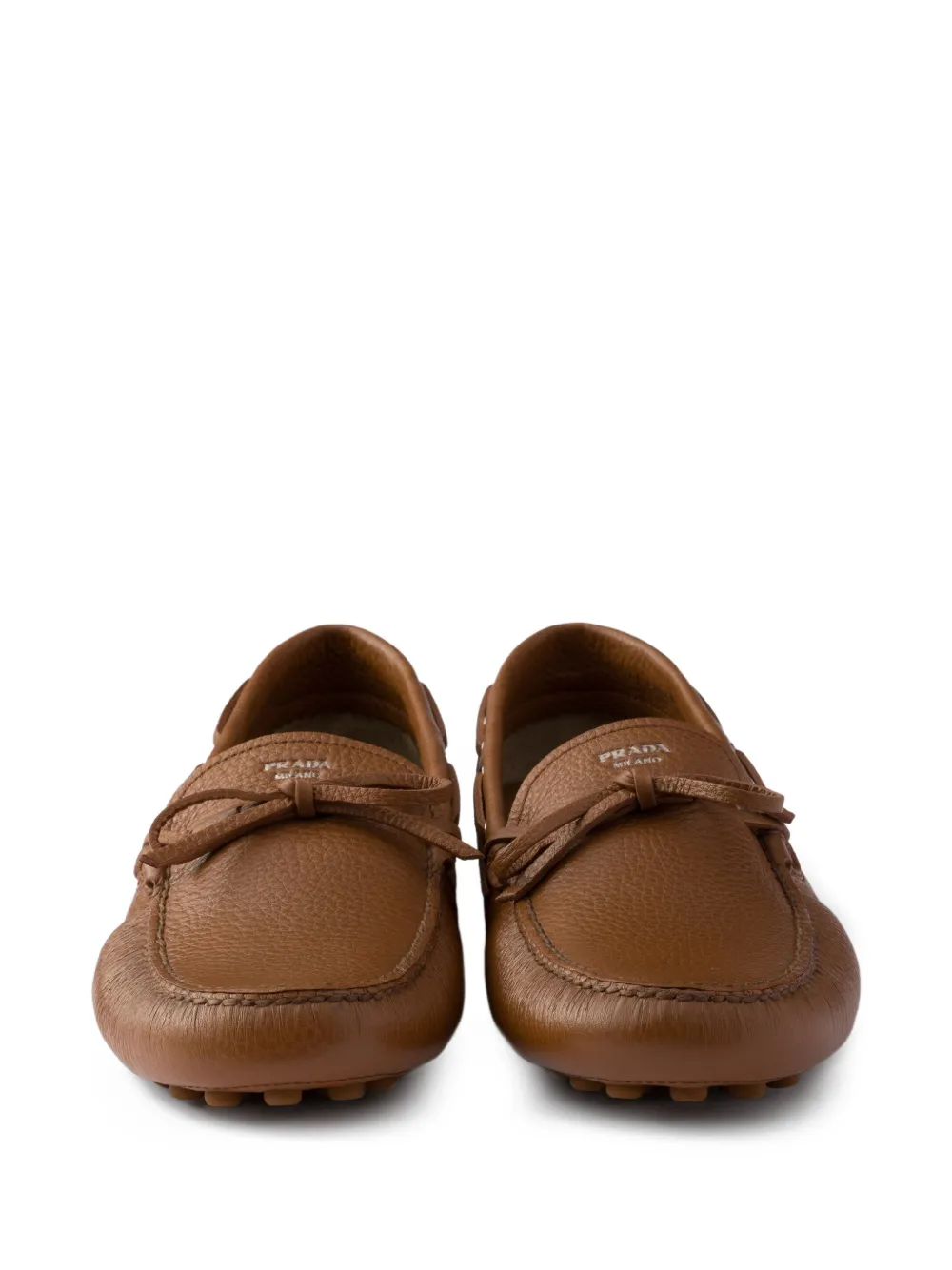
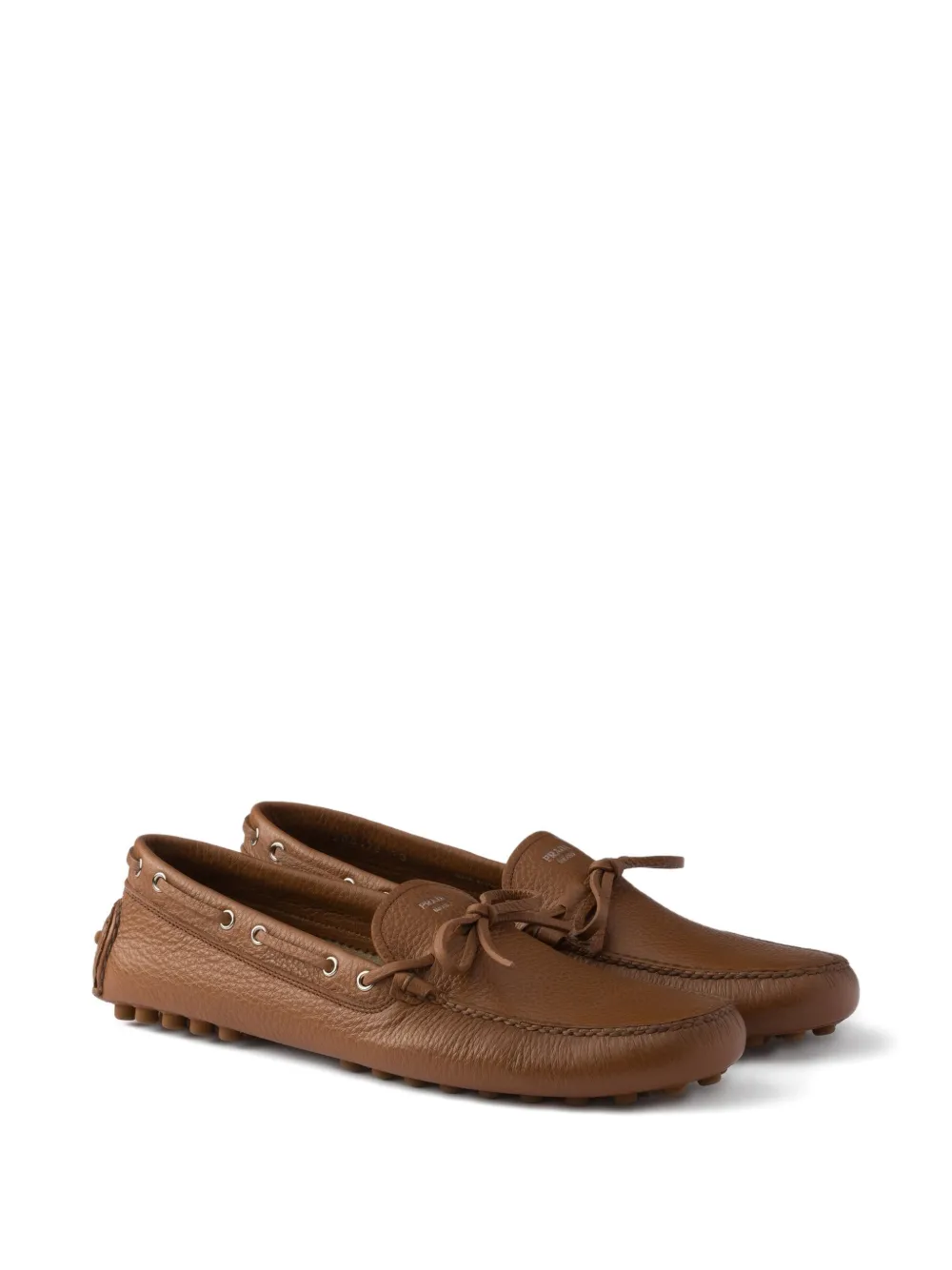
These shoes typically showcase a moccasin-style construction, often meticulously hand-sewn, where the leather is expertly molded around the foot. The materials employed include full-grain leather, nubuck, or specially treated water-resistant leather, along with canvas for some variations, and durable rubber for the outsole. Signature elements encompass moccasin-toe stitching, a 360-degree lacing system with rust-proof eyelets, and a siped rubber outsole, along with the logo detail specified in the product's name.








.svg)
.svg)
.svg)