The G.H. Bass Weejuns, including the Madison model, emerged in 1936, solidifying their place as the original penny loafer. These shoes were conceived with a clear vision: to offer a blend of comfort and style that would resonate with the discerning consumer. The initial design was a direct response to the need for a practical yet fashionable shoe, marking a pivotal moment in footwear history.
These loafers are engineered for versatility, seamlessly transitioning from casual to more formal settings. The internal dual-density foam cushioning provides comfort, while the rubber or synthetic soles deliver reliable traction. The design itself, with its penny slot and moc toe stitching, allows for both ease of wear and a distinctive visual appeal, suitable for various occasions.
The Madison, a G.H. Bass Weejuns variant, has significantly influenced fashion, notably through its association with luminaries. Michael Jackson, in the iconic 'Thriller' music video of 1982, showcased their adaptability to pop culture. The penny loafer's influence also extends to classic Hollywood; Paul Newman, Cary Grant, and James Dean, each adopted the style, solidifying its place in the wardrobes of the elite. Furthermore, the Madison has become a staple of timeless elegance, embraced by Audrey Hepburn, Grace Kelly, and even JFK, reflecting its widespread appeal.
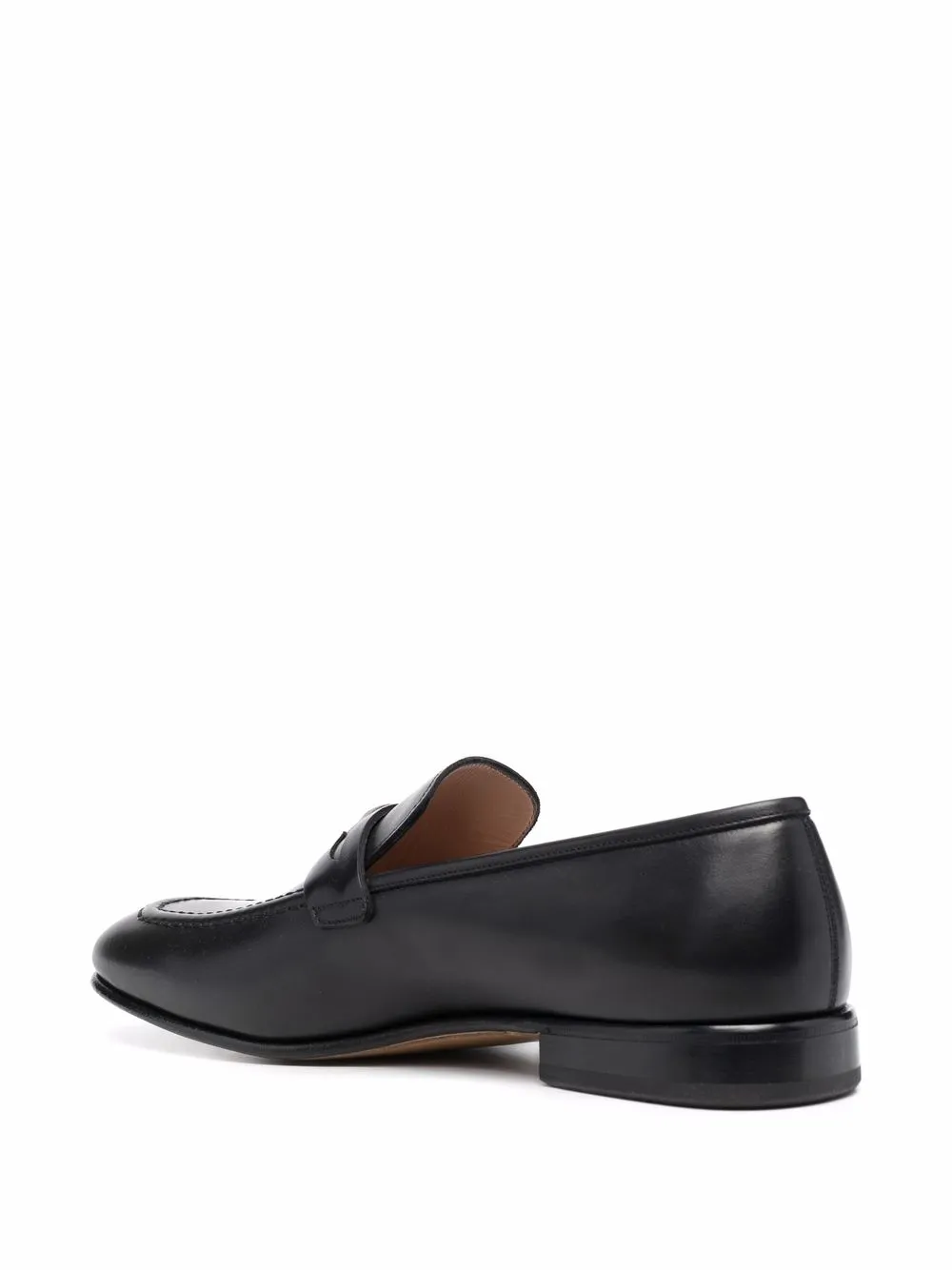
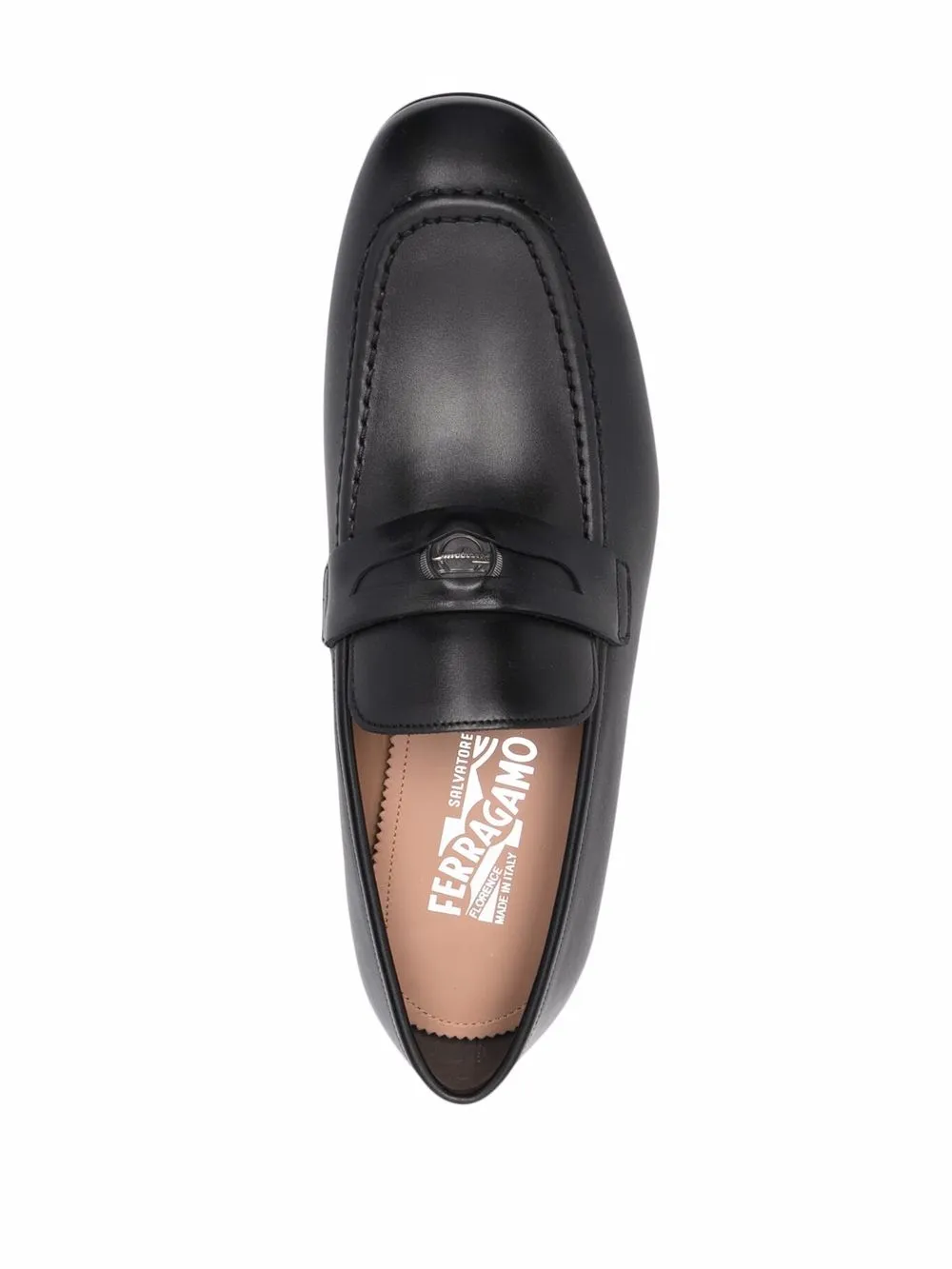
Madison penny loafers boast a moc toe, slip-on design, and are meticulously crafted. The uppers are fashioned from premium leather, including patent and glossy finishes, complemented by a supple leather lining. The soles, initially rubber, now include synthetic options, ensuring durability and a refined aesthetic. These structural choices underscore a commitment to quality and enduring design.









.svg)
.svg)
.svg)