The panelled loafer, a footwear staple, traces its heritage to the utilitarian shoes of Norwegian fishermen and the traditional moccasins of Native Americans in the early 20th century. These designs merged, giving rise to a new silhouette that swiftly gained traction. By the 1930s, the loafer's popularity soared, setting the stage for its enduring legacy.
Panelled loafers offer unparalleled versatility, seamlessly transitioning from casual to formal settings. Their inherent design lends itself to a wide range of use cases, including smart casual, business casual, and semi-formal attire. The choice of materials, from supple leather to durable rubber, determines the loafer's suitability for various occasions. The panelled loafer is, therefore, a foundation of a well-curated wardrobe.
The panelled loafer's impact is undeniable, as demonstrated by its frequent appearances on prominent figures. Zendaya, a style icon, has been seen sporting panelled loafers on the streets of Los Angeles, cementing its status as a contemporary must-have. Kendall Jenner, a trendsetter, was spotted in Manhattan, New York City, further amplifying the loafer's influence. Moreover, Hailey Bieber's presence in Tribeca, New York City, solidifies the shoe's relevance in today's fashion landscape.
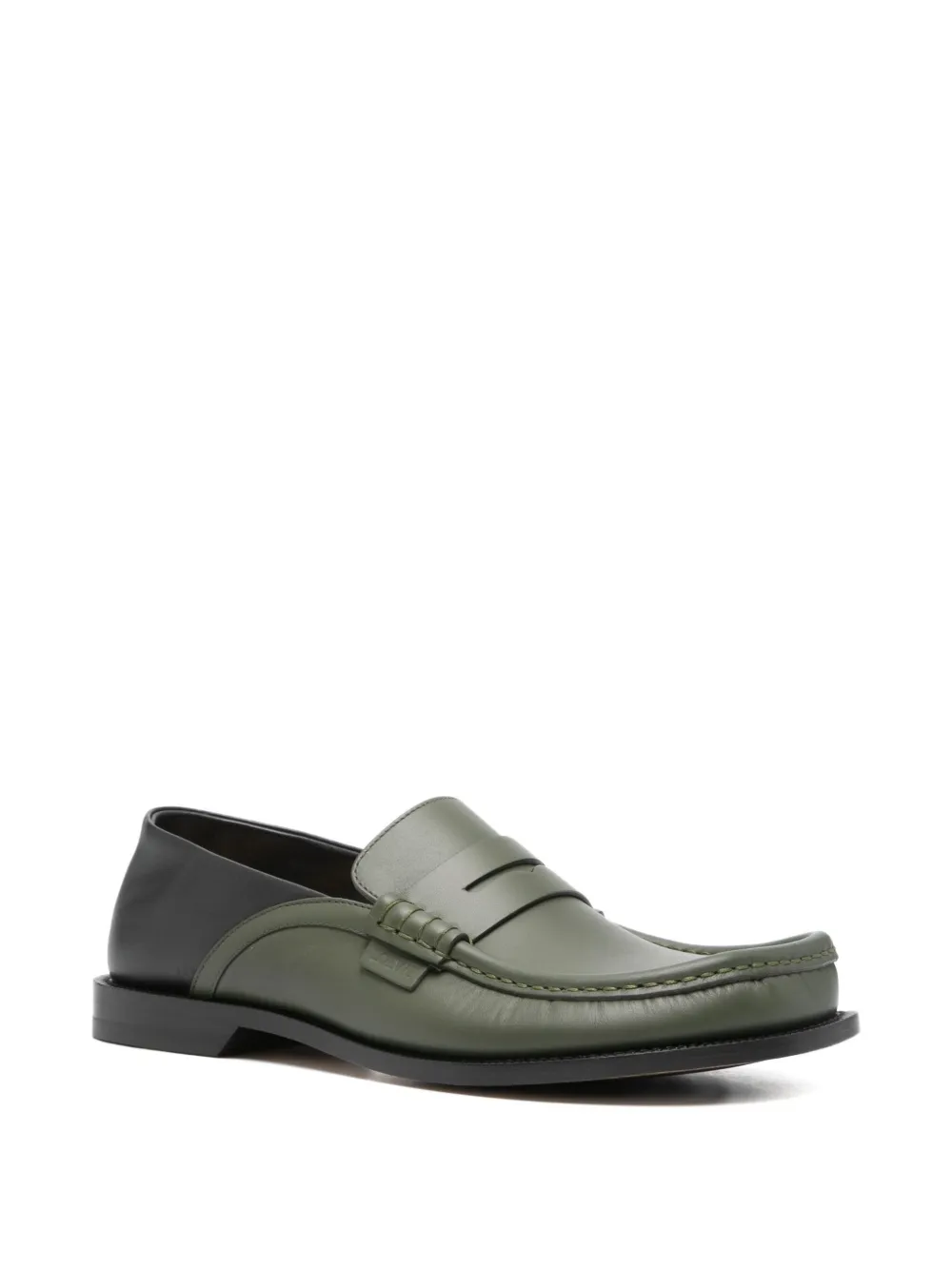
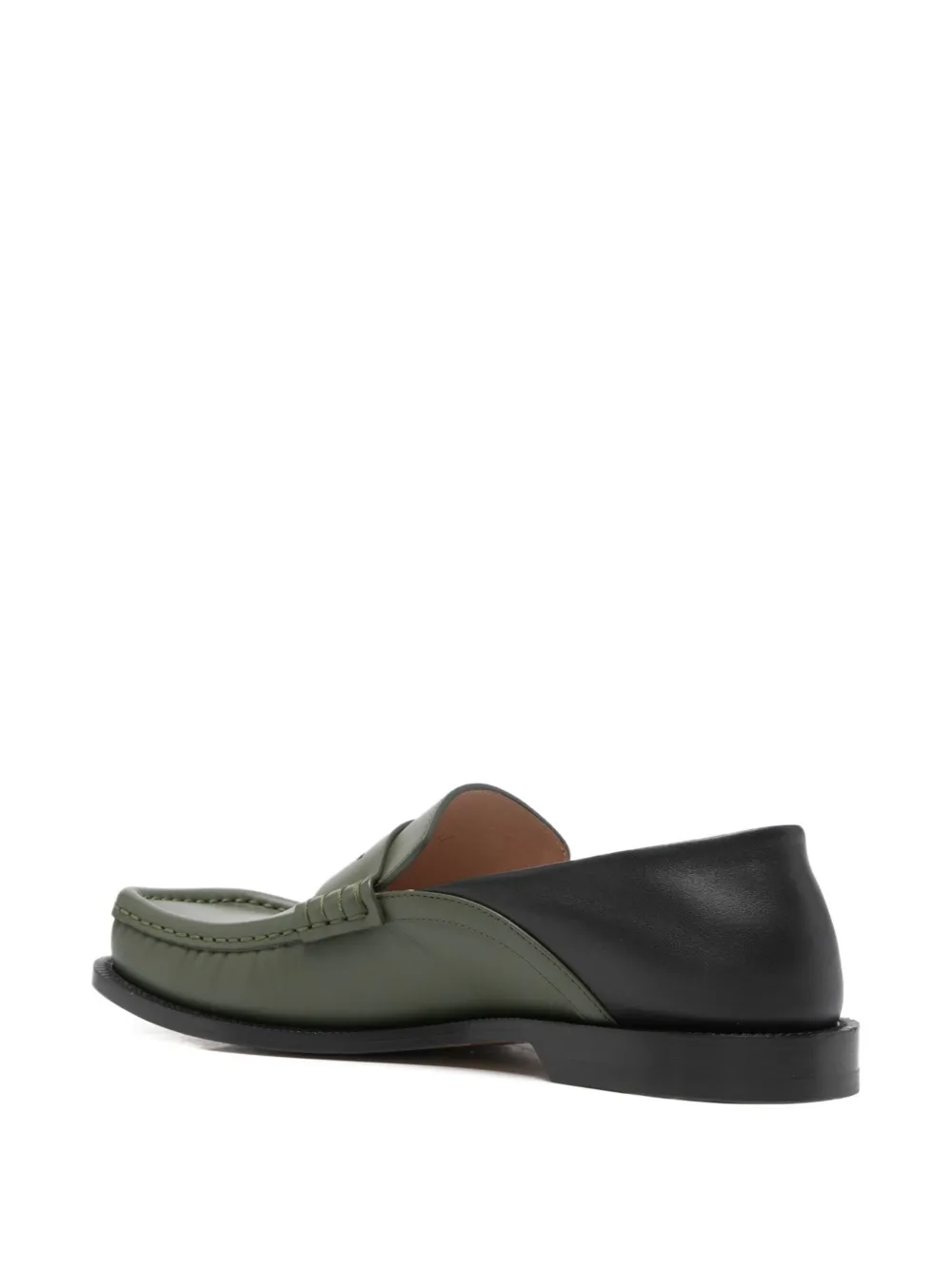
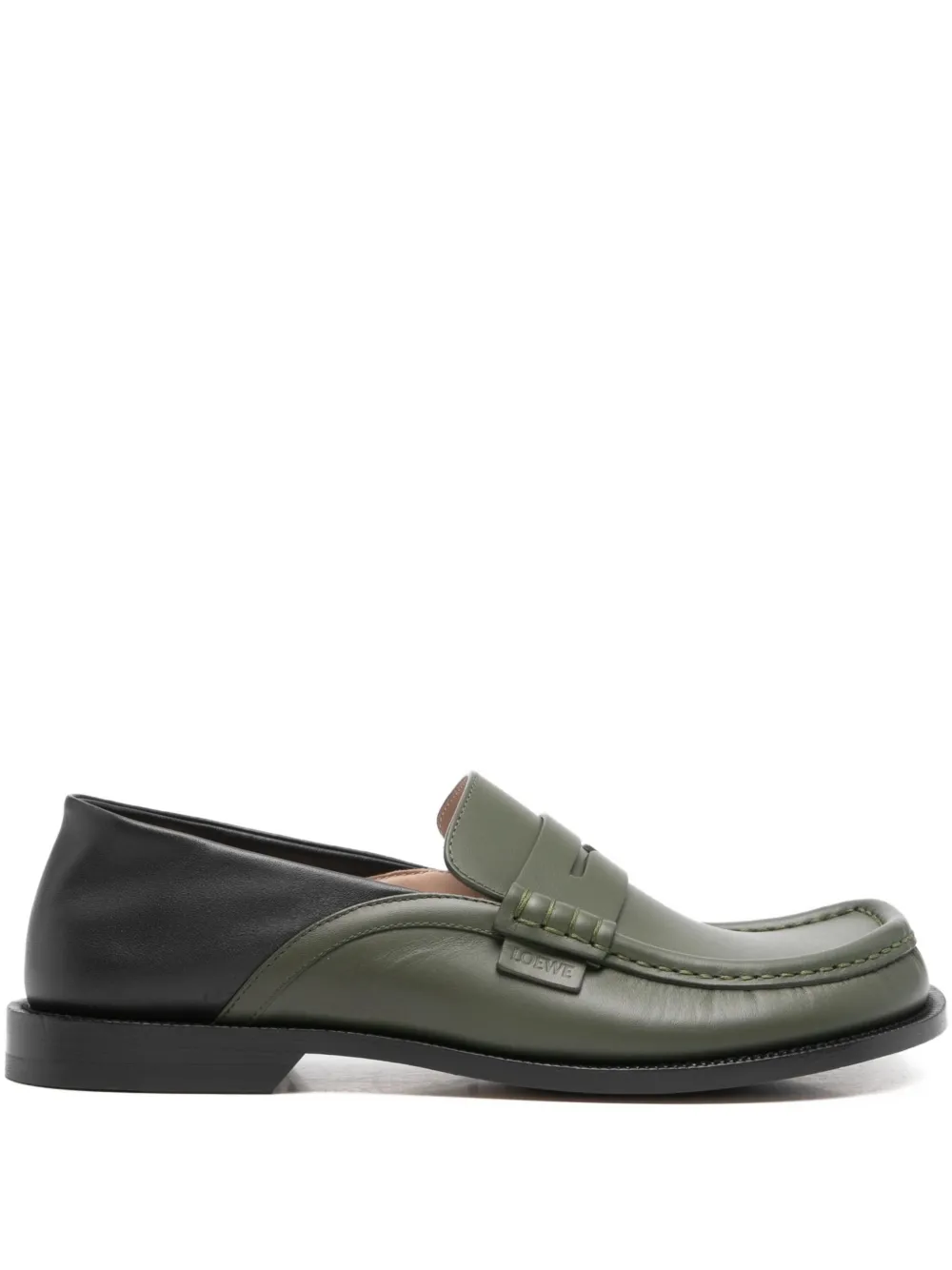
Panelled loafers are defined by their unique upper construction, which is built from multiple material sections stitched together. This method creates a signature aesthetic, often featuring a distinctive U-shape or apron toe over the vamp. Leather and suede are the primary materials used, offering a spectrum of textures and appearances. The slip-on design, low heel, and panel detailing further distinguish the panelled loafer.









.svg)
.svg)
.svg)