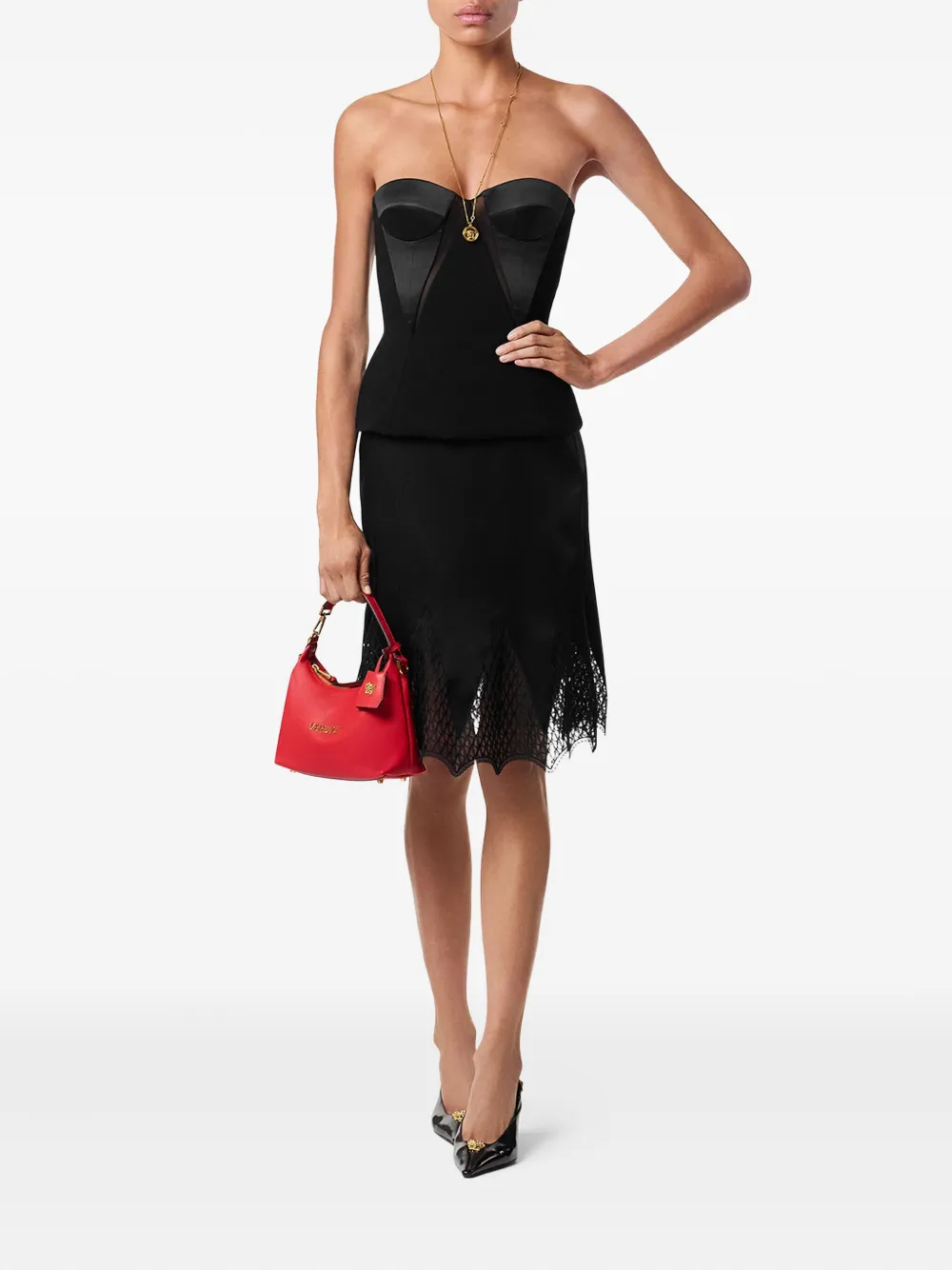
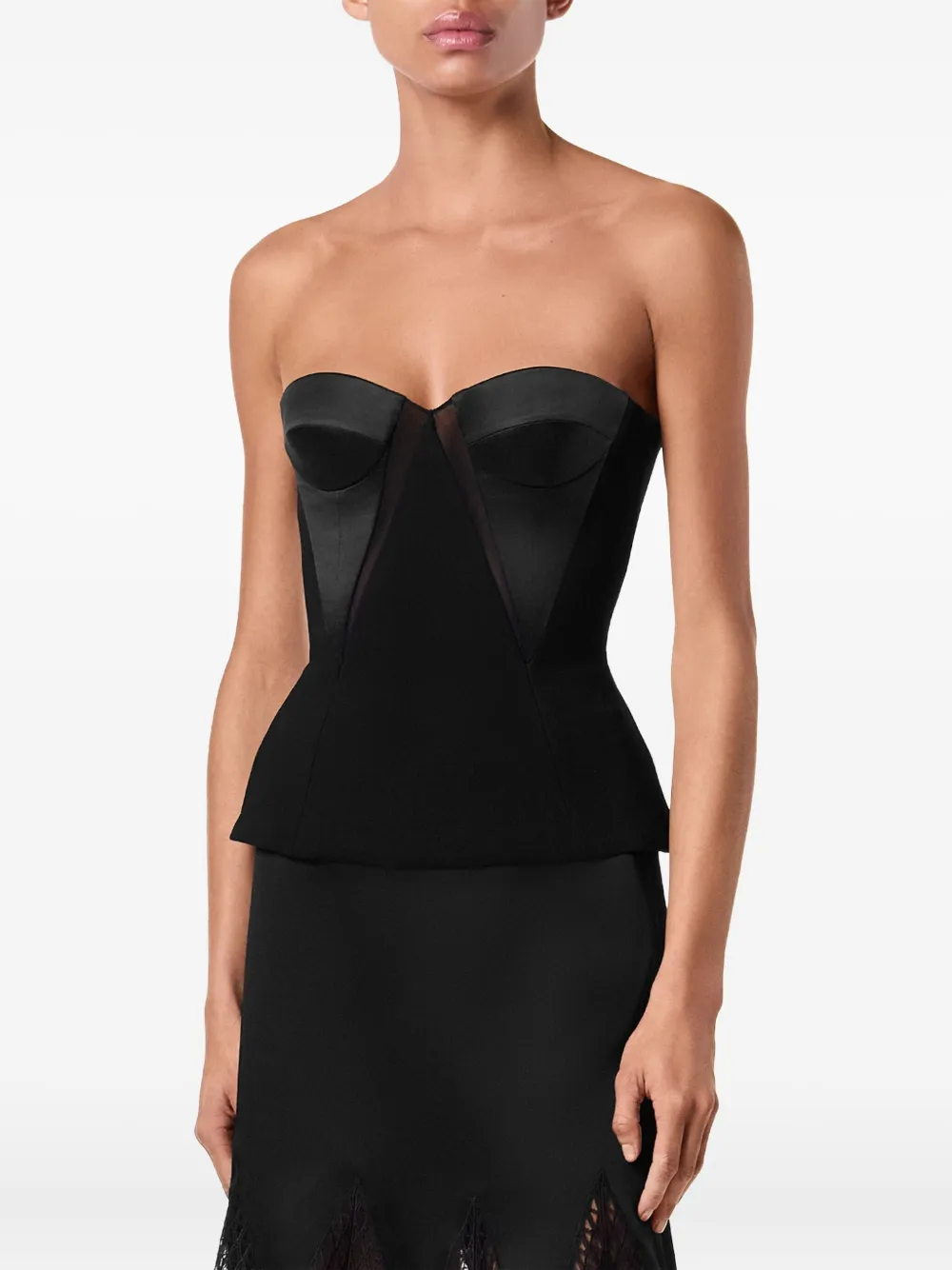
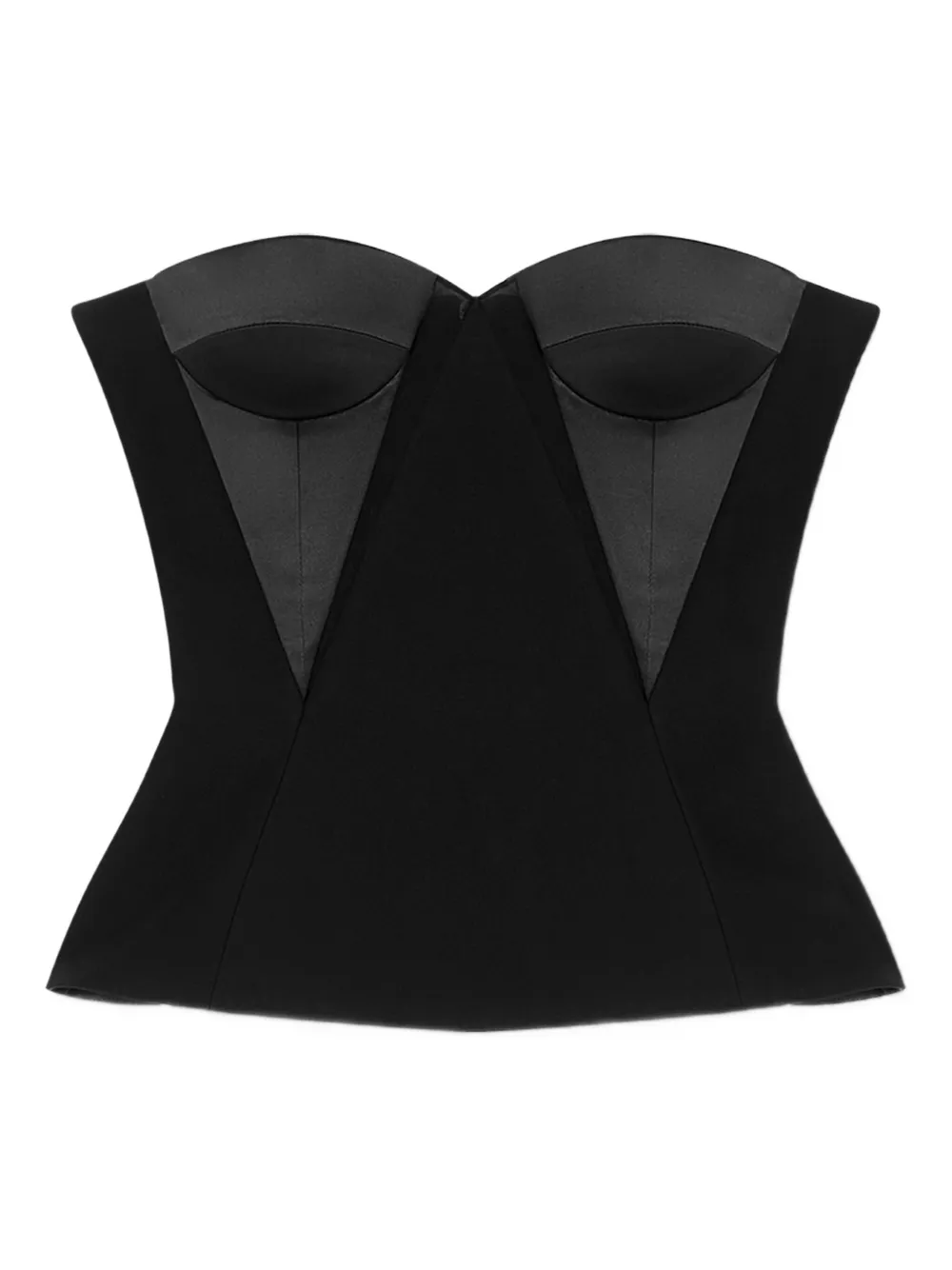
The satin-panelled bustier top, an emblem of empowered femininity, emerges from a lineage of structured undergarments, evolving through centuries of fashion. Its roots are firmly planted in the corset's legacy, albeit with a focus on surface beauty and overt display. The garment's design has been refined to emphasize the form, providing support and sculpting the silhouette, a testament to its enduring appeal.
The satin-panelled bustier top serves a dual purpose: it offers both support and aesthetic enhancement. Its primary function is to sculpt the figure, cinching the waist and creating a smooth, streamlined silhouette. Beyond its foundational role, the bustier top is a statement piece, designed to be seen, often paired with high-waisted bottoms or layered under outerwear, transforming any ensemble with its inherent allure and confidence.
The satin-panelled bustier top has long been a symbol of rebellion and self-expression. Madonna, during her 'Blond Ambition Tour', embraced the bustier, transforming it into a symbol of pop cultural dominance. More recently, the garment has permeated high fashion, with designers like Vivienne Westwood incorporating its structure into their collections, solidifying its place in sartorial history. Its influence extends to contemporary street style, where the bustier is now a staple, worn as a statement of bold individuality and modern glamour.
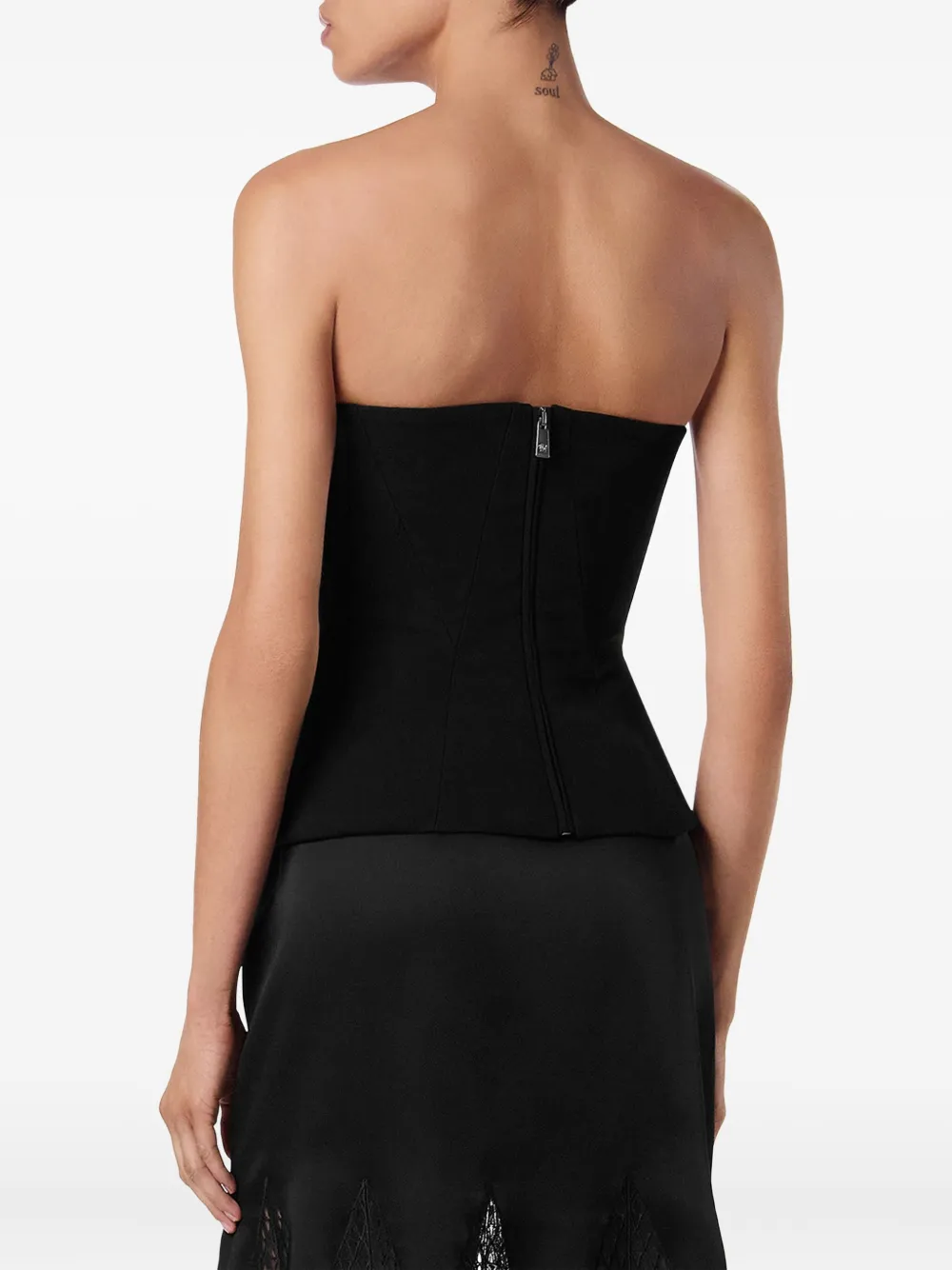
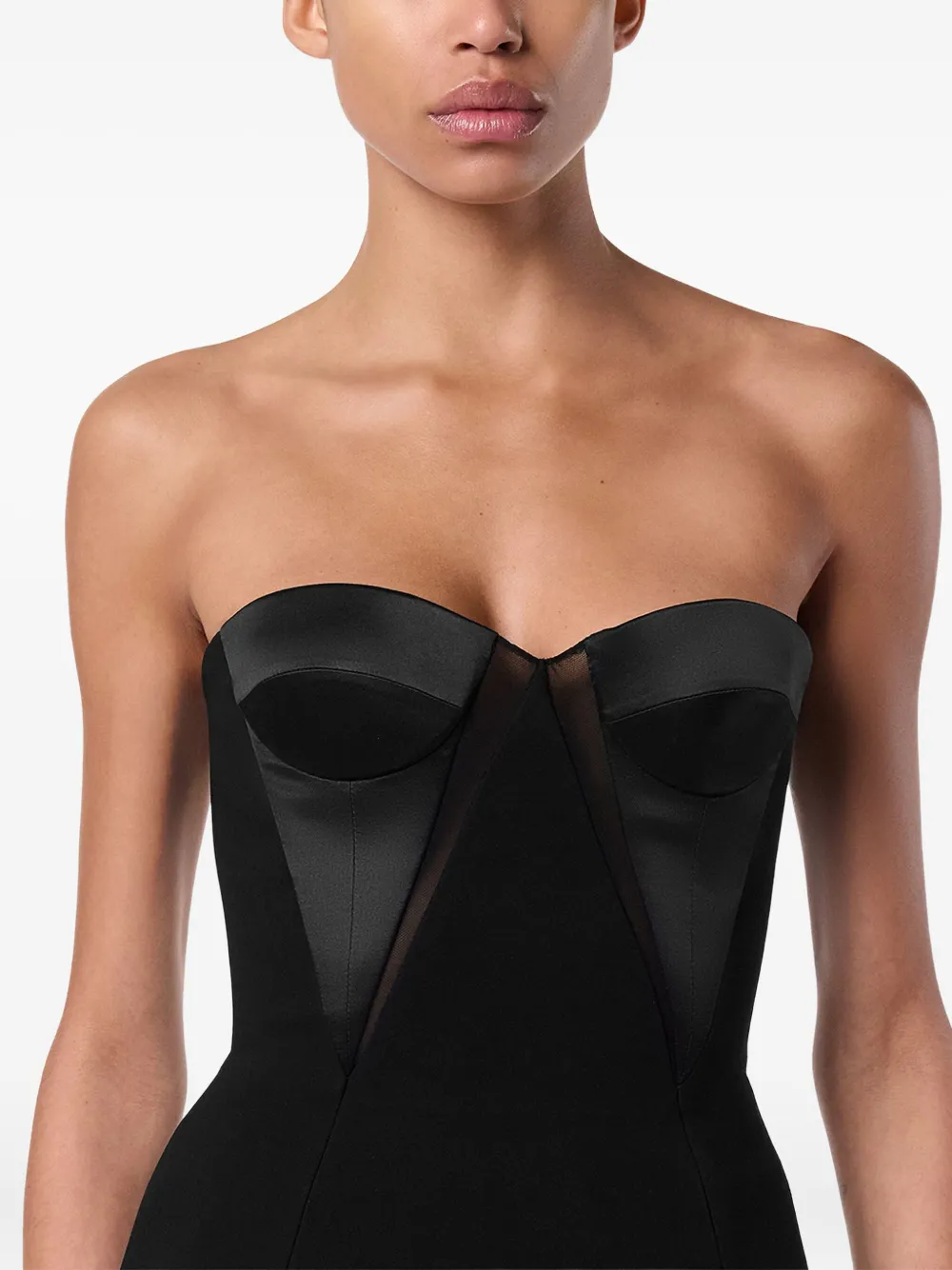
This garment is meticulously crafted, typically featuring panels of satin, often composed of polyester, silk, or a blend, chosen for its lustrous sheen and drape. The construction employs a panelled design, providing the foundational structure that defines the bustier's shape. Boning, whether spiral steel, flat steel, or plastic, is strategically incorporated to offer support and maintain form, alongside integrated cups and a complete lining to ensure both comfort and a smooth, refined appearance.








.svg)
.svg)
.svg)