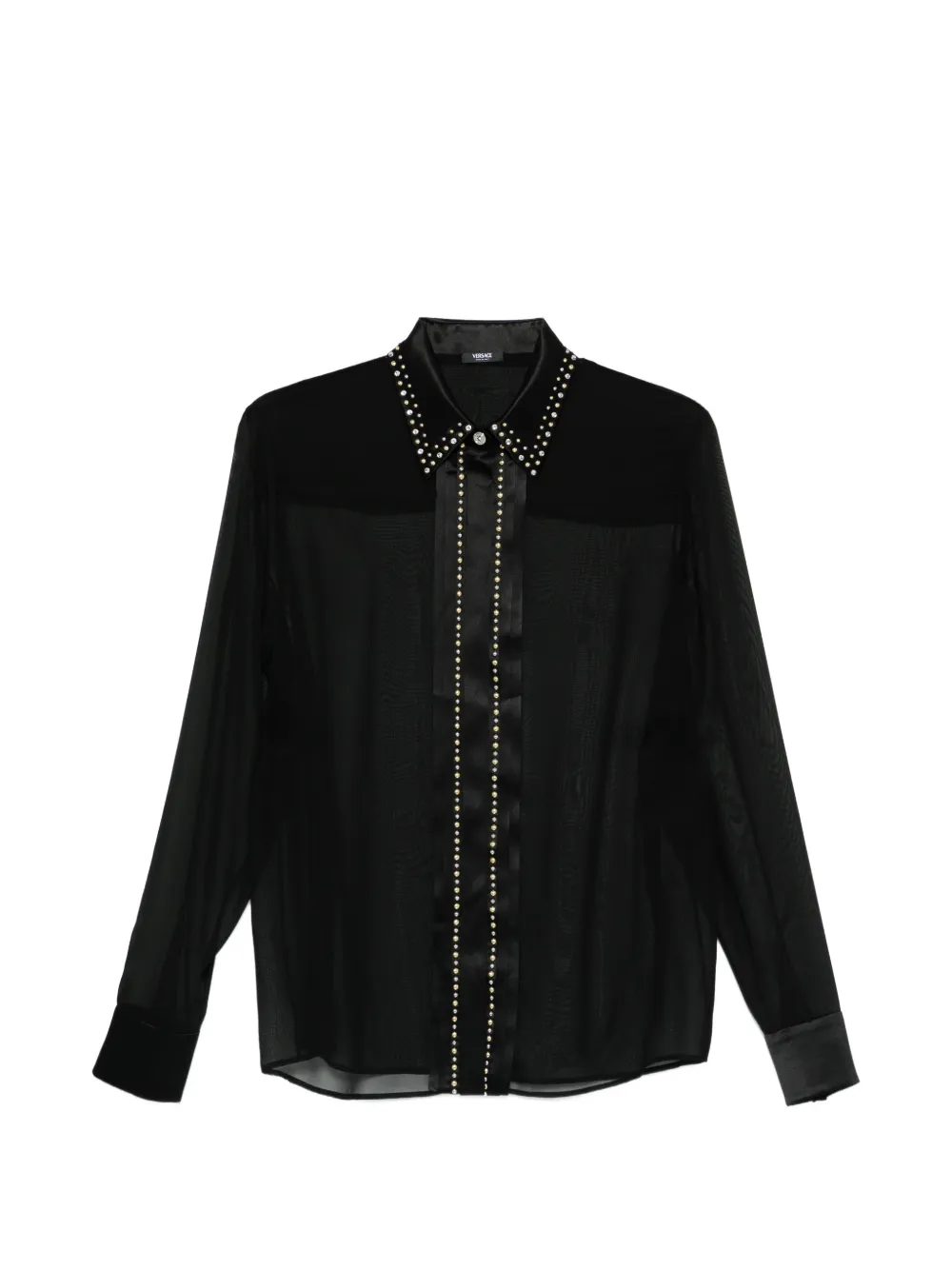
The studded shirt, a garment of assertive embellishment, emerged as a statement piece, its origins rooted in a desire for individualized expression. It quickly transcended mere functionality, evolving into a symbol of rebellious artistry, and a bold assertion of personal style. The shirt's inception saw its adoption in various subcultures, marking its initial foray into wider cultural recognition.
Functionally, the studded shirt offers a dynamic range of applications, adapting seamlessly to diverse settings. Its inherent versatility allows for both casual and formal wear, depending on the specific design and context. The shirt's ability to be dressed up or down, combined with its inherent visual appeal, makes it a staple for those seeking to make a definitive statement.
The studded shirt has left an indelible mark on fashion, influencing trends and empowering individuals to embrace self-expression. Figures like those associated with the Punk movement in London, circa 1977, adopted the studded shirt as a symbol of defiance, contributing to its early prominence. Furthermore, the shirt's association with the Glam Rock scene, especially the performances in the early 1970s, solidified its place in fashion history. Its continued relevance is evident in its adoption by contemporary designers and style icons, ensuring its lasting impact.
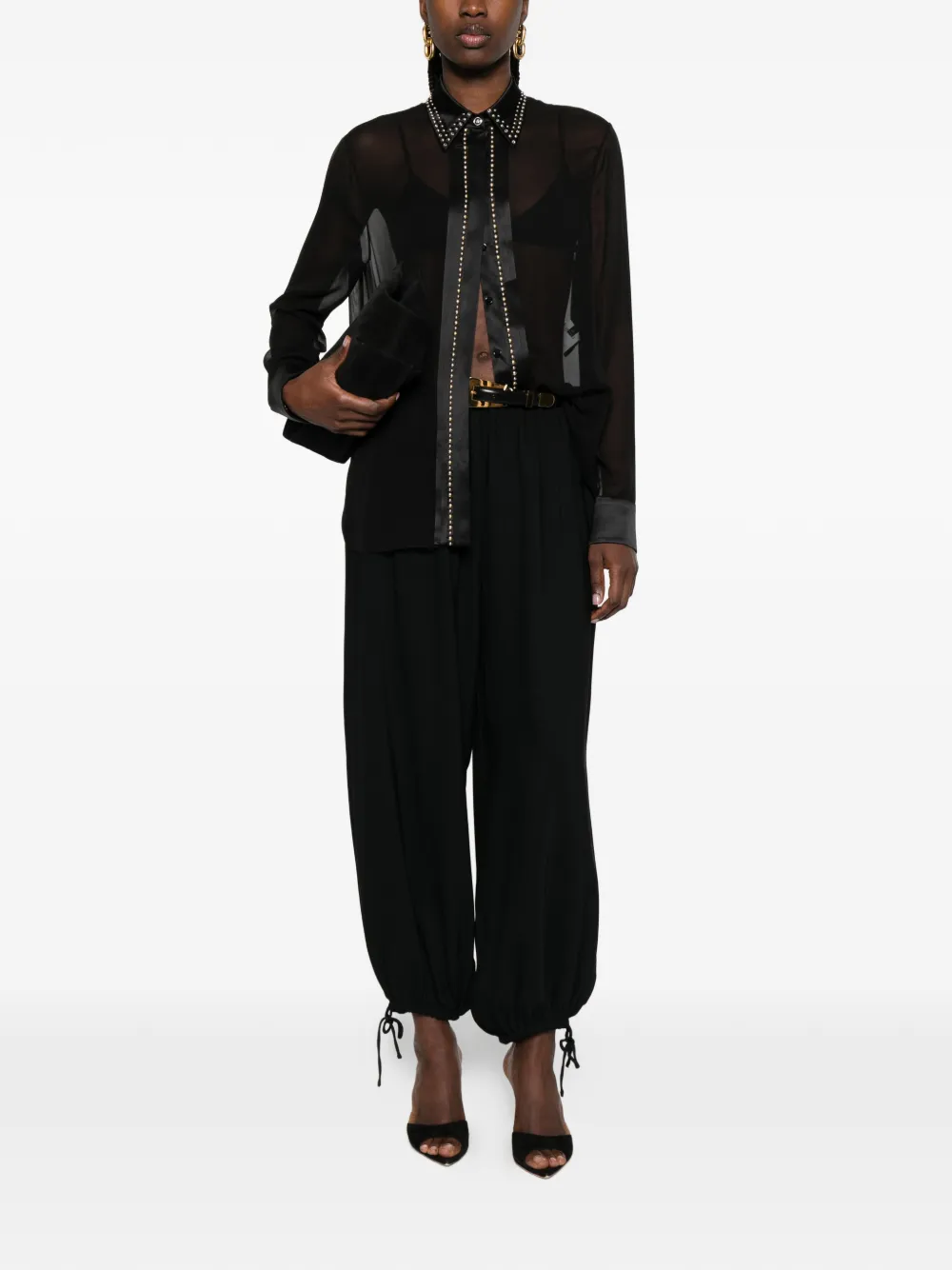
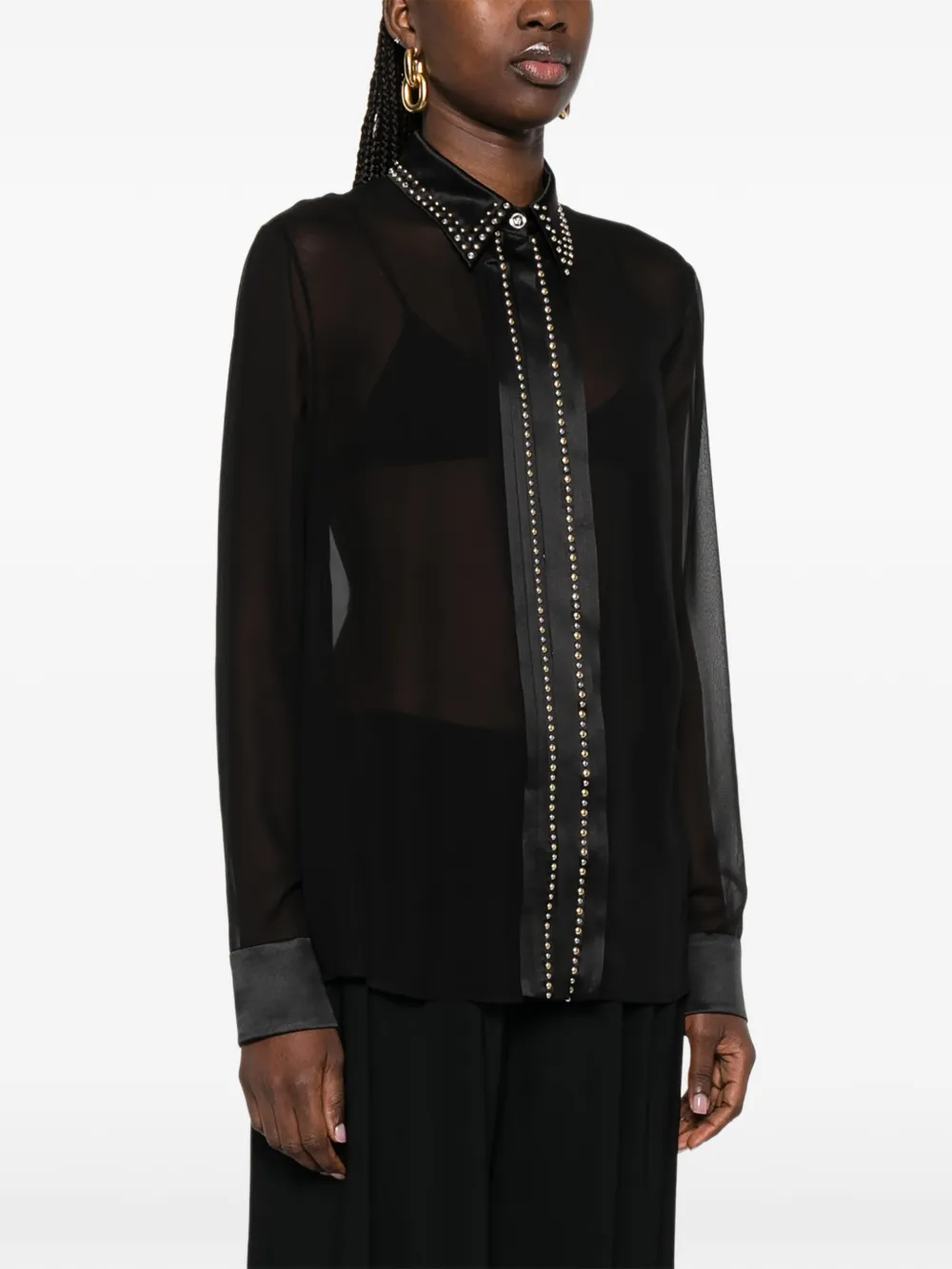
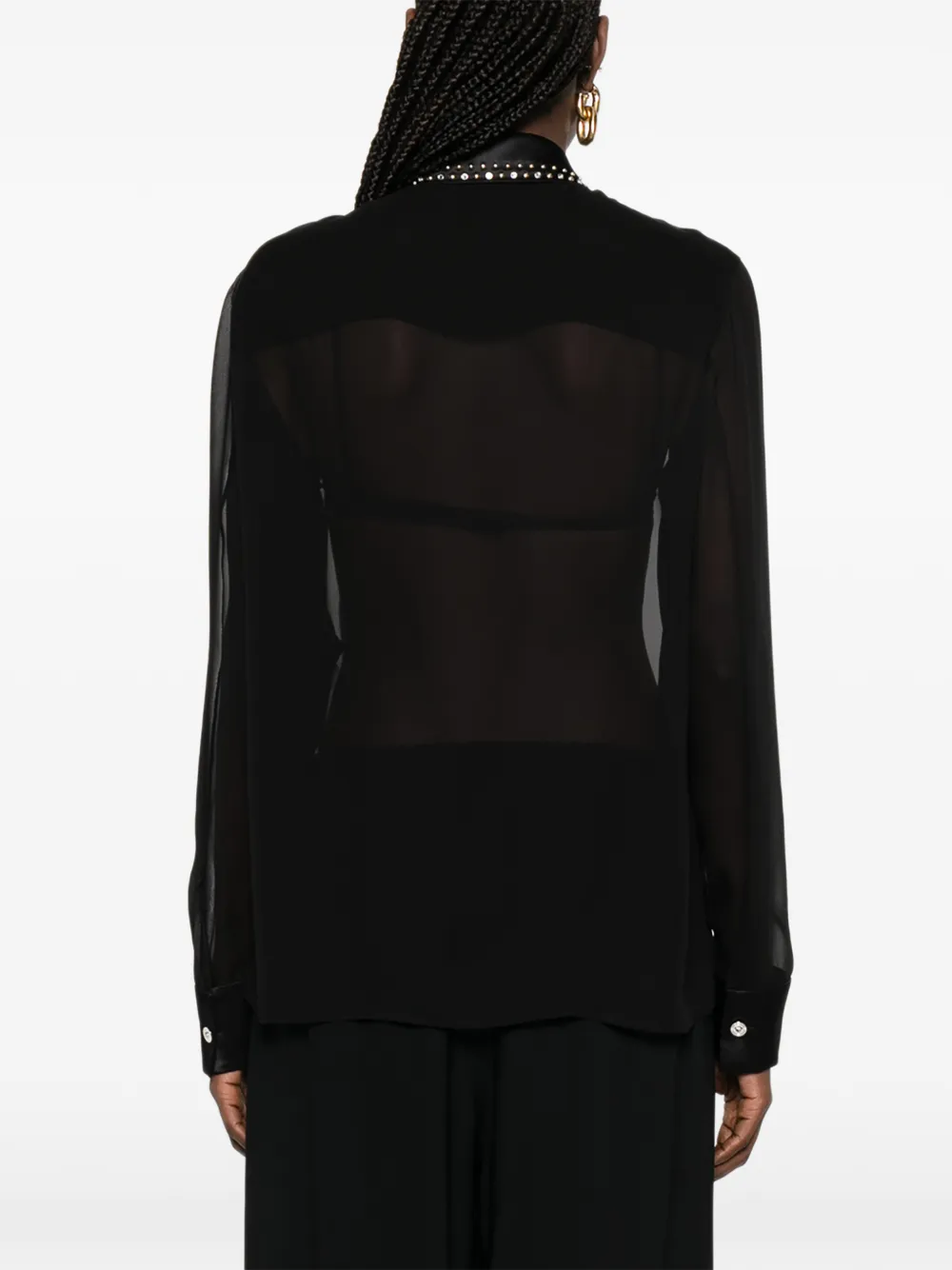
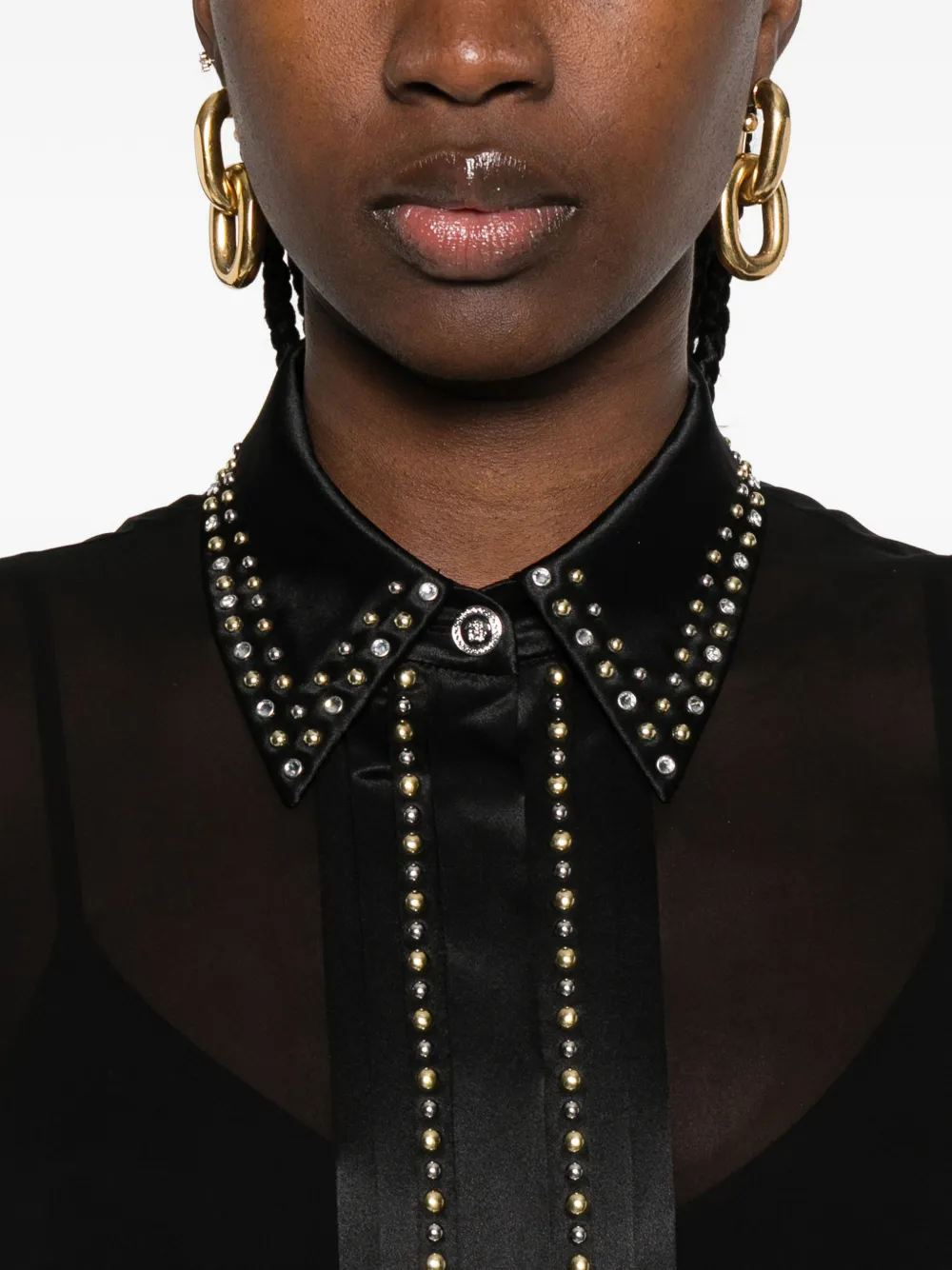
The studded shirt's construction is a testament to meticulous craftsmanship, with each iteration showcasing a unique approach to embellishment. Various fabrics, including cotton, silk, and blends, provide the canvas for the carefully applied studs or rhinestones. The application methods, ranging from pronged settings to hotfix techniques, guarantee both visual impact and structural integrity, crucial to the shirt's longevity.








.svg)
.svg)
.svg)