The Swingman Jersey, a staple in the realm of athletic apparel, emerged as a more accessible alternative to the authentic, on-court jerseys worn by professional athletes. Produced by giants such as Nike and Mitchell & Ness, these jerseys quickly found their place in the wardrobes of fans seeking a piece of the game. This rise paralleled the increasing popularity of professional basketball, football, and baseball, solidifying the jersey's place in sports culture.
The Swingman Jersey serves a dual purpose, functioning as both a comfortable piece of athletic wear and a bold statement of fandom. Its athletic cut and roomier fit allows for ease of movement, making it suitable for casual wear or light physical activity. The jersey's design, featuring team colors, logos, and player details, allows wearers to express their allegiance and support for their favorite teams and athletes. Furthermore, the jersey's relatively accessible price point compared to authentic jerseys broadened its appeal to a wider audience, solidifying its role as a fashion and cultural item.
The Swingman Jersey has permeated through sports and fashion cultures. Its influence can be seen through the embrace of basketball culture, with the jersey becoming a ubiquitous symbol of street style. The jersey's presence is undeniable, signifying allegiance and style. Furthermore, the jersey's design has inspired countless imitations and adaptations, cementing its place as an enduring icon of athletic and streetwear fashion trends.
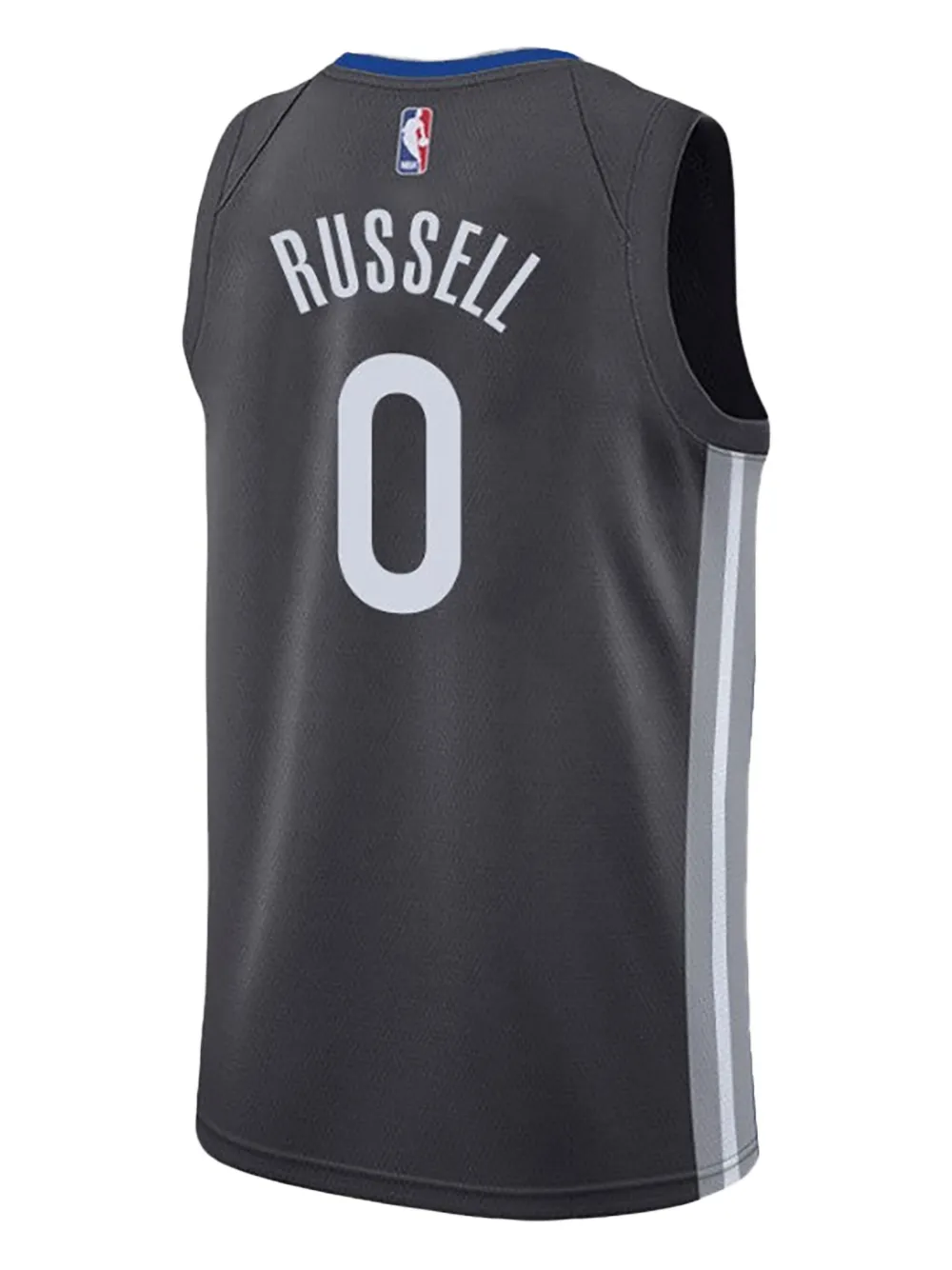
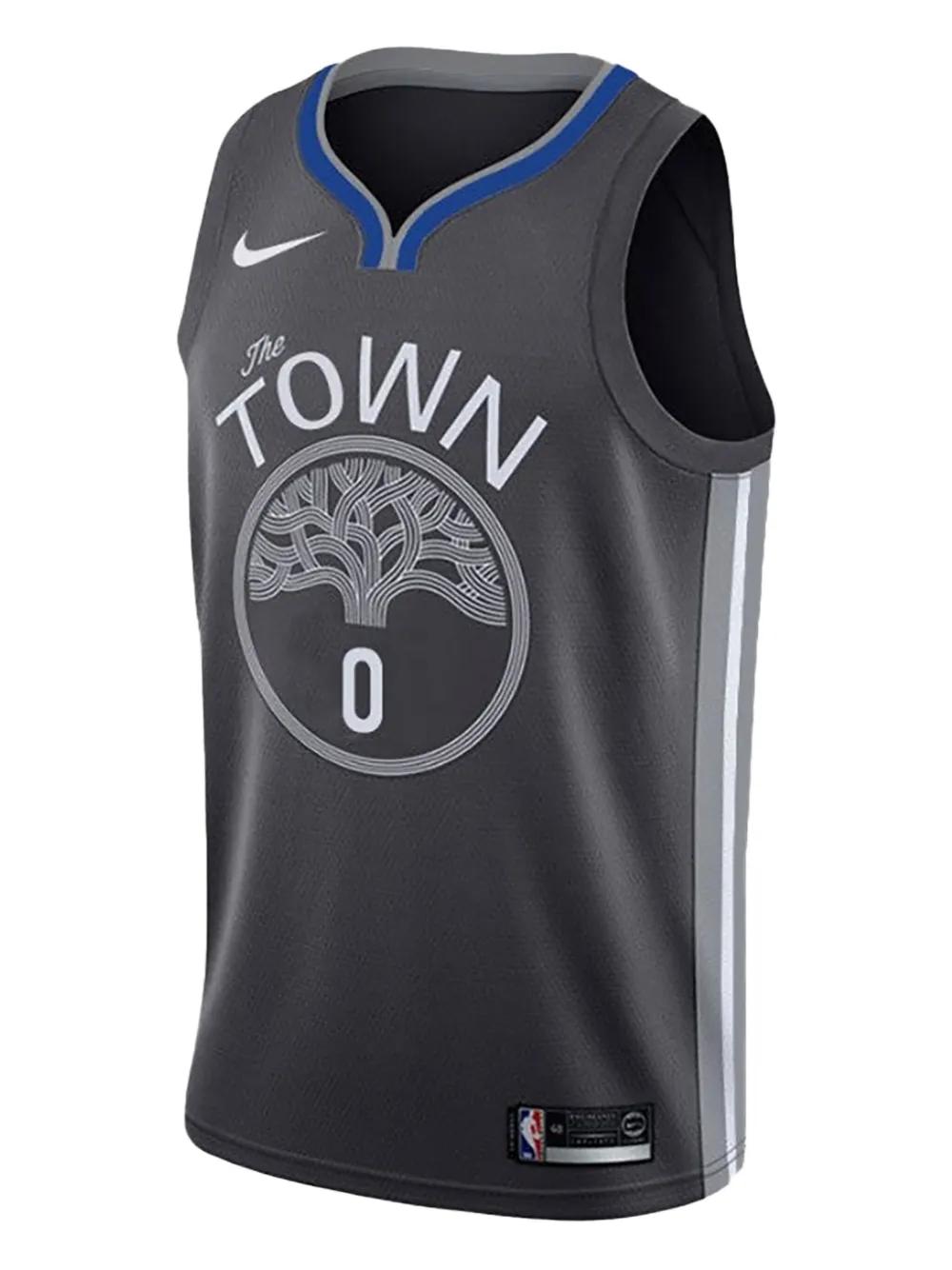
Crafted predominantly from 100% polyester, often incorporating moisture-wicking technology, the Swingman Jersey prioritizes both durability and comfort. The construction typically involves heat-applied tackle twill graphics, heat-pressed vinyl, or printed twill for player names and numbers, ensuring a lasting and visually appealing design. Details such as rib knit collars and armholes, droptail hems with side splits, and satin woven jock tags (on Nike versions) contribute to the jersey's distinct aesthetic and athletic fit.








.svg)
.svg)
.svg)