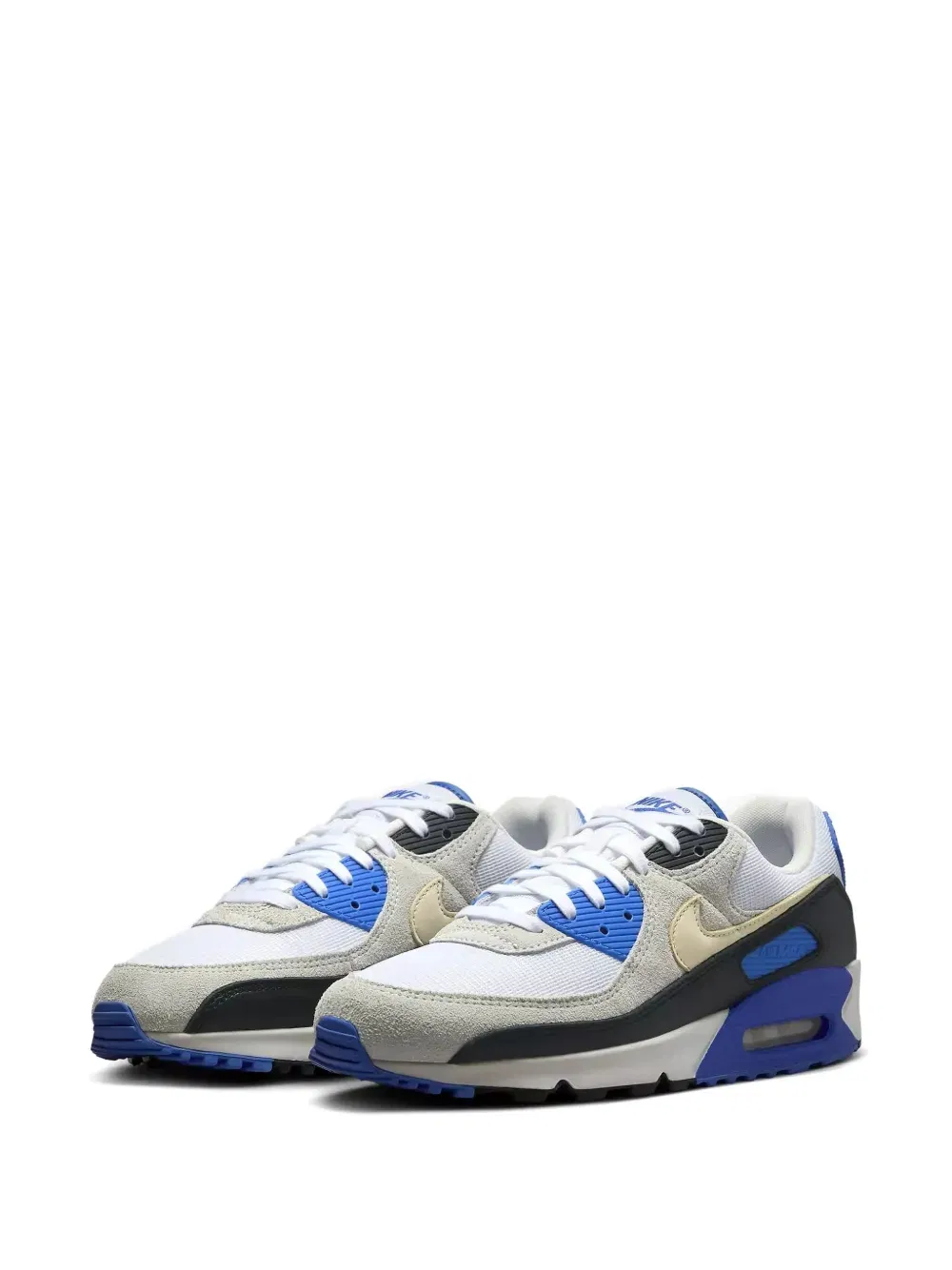
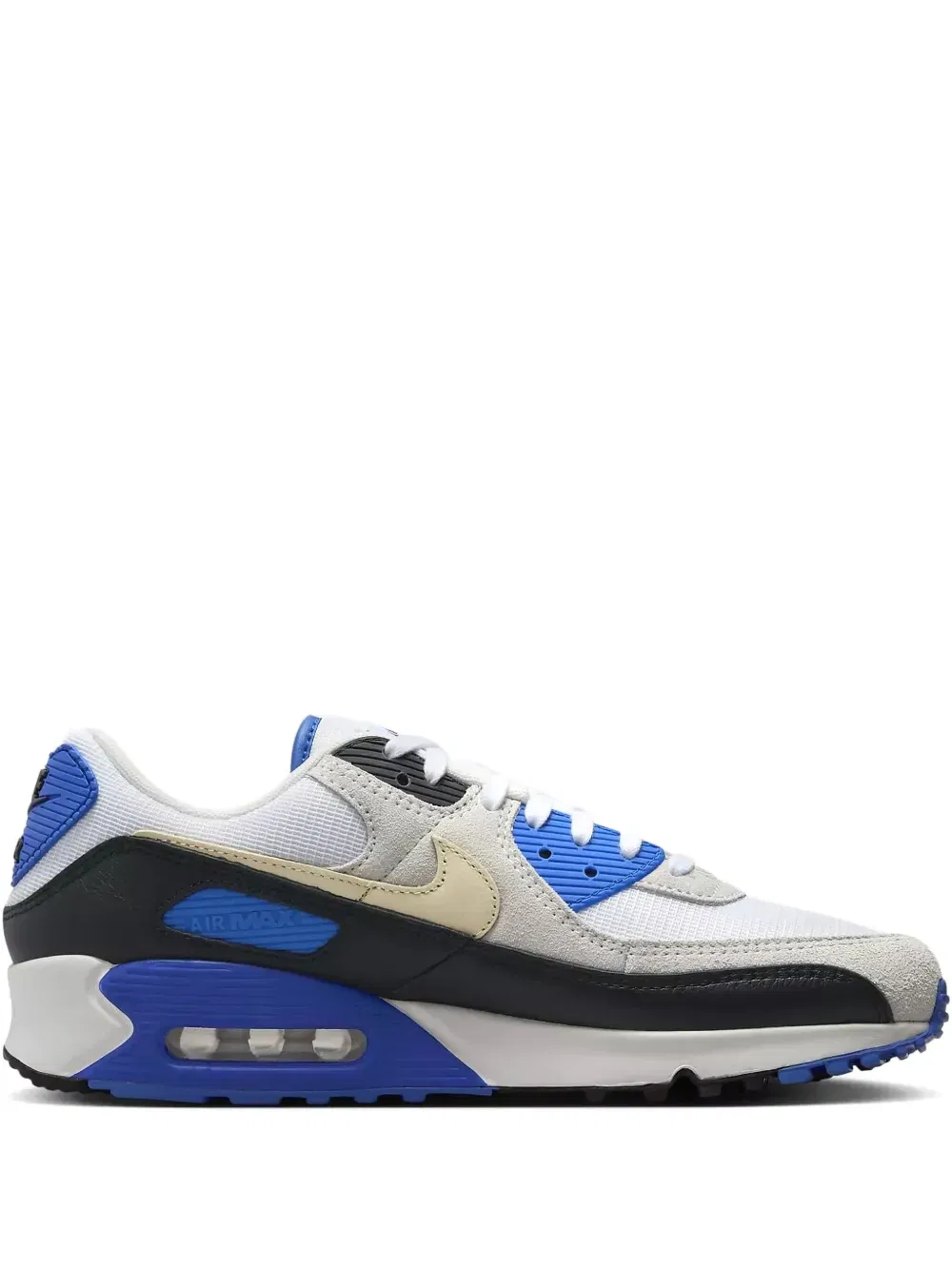
The Air Max 90, initially christened the Air Max III, emerged from the visionary mind of Tinker Hatfield in 1990. This design was conceived as the successor to the Air Max 1, furthering the exploration of visible Air technology. Its debut marked a pivotal moment in sneaker history, quickly becoming a symbol of innovation in athletic footwear.
Originally engineered for performance running, the Air Max 90's versatility swiftly transcended its initial athletic purpose. It has become a staple for casual wear, seamlessly integrating into activewear and streetwear wardrobes globally. The design's enduring appeal lies in its ability to marry comfort with a bold aesthetic, making it an indispensable part of contemporary culture.
The Air Max 90's influence is undeniable across multiple cultural landscapes. Its impact is felt strongly in streetwear, with the shoe's design influencing countless designers and brands. The model has become a canvas for artistic expression, appearing in galleries and public art installations worldwide. Furthermore, the Air Max 90's presence is profoundly felt in the music scene, especially within UK Garage and Grime, where its association with events in London during the 1990s continues to resonate.
The 'Premium Khaki Racer Blue' variant of the Air Max 90 showcases a meticulously layered upper, masterfully blending premium materials. The foundation is a breathable white mesh, overlaid with leather, synthetics, suede, and textile components that provide both texture and durability. Furthering the design, the shoe includes signature elements such as a visible Air unit, a waffle outsole, and TPU accents.