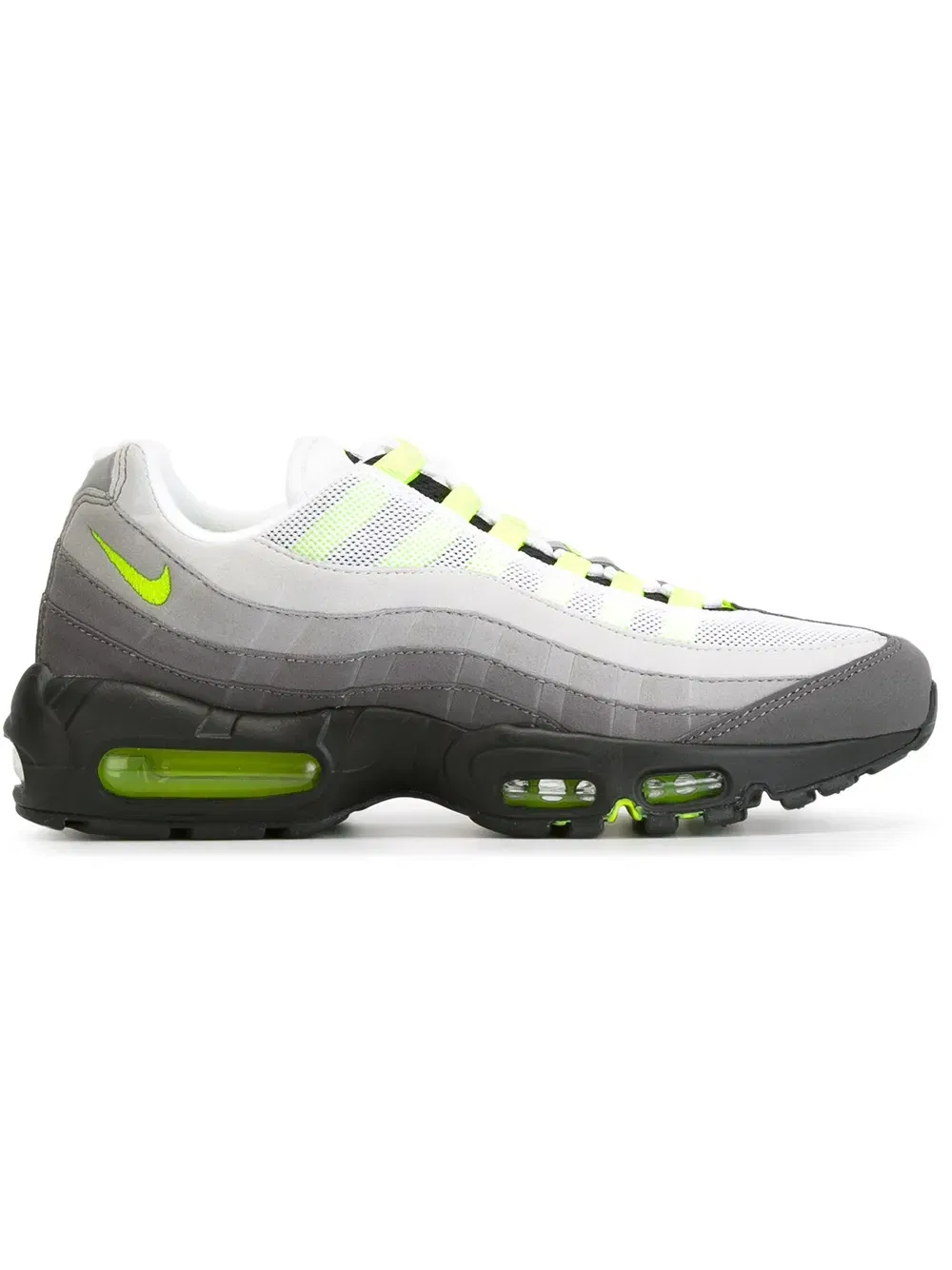
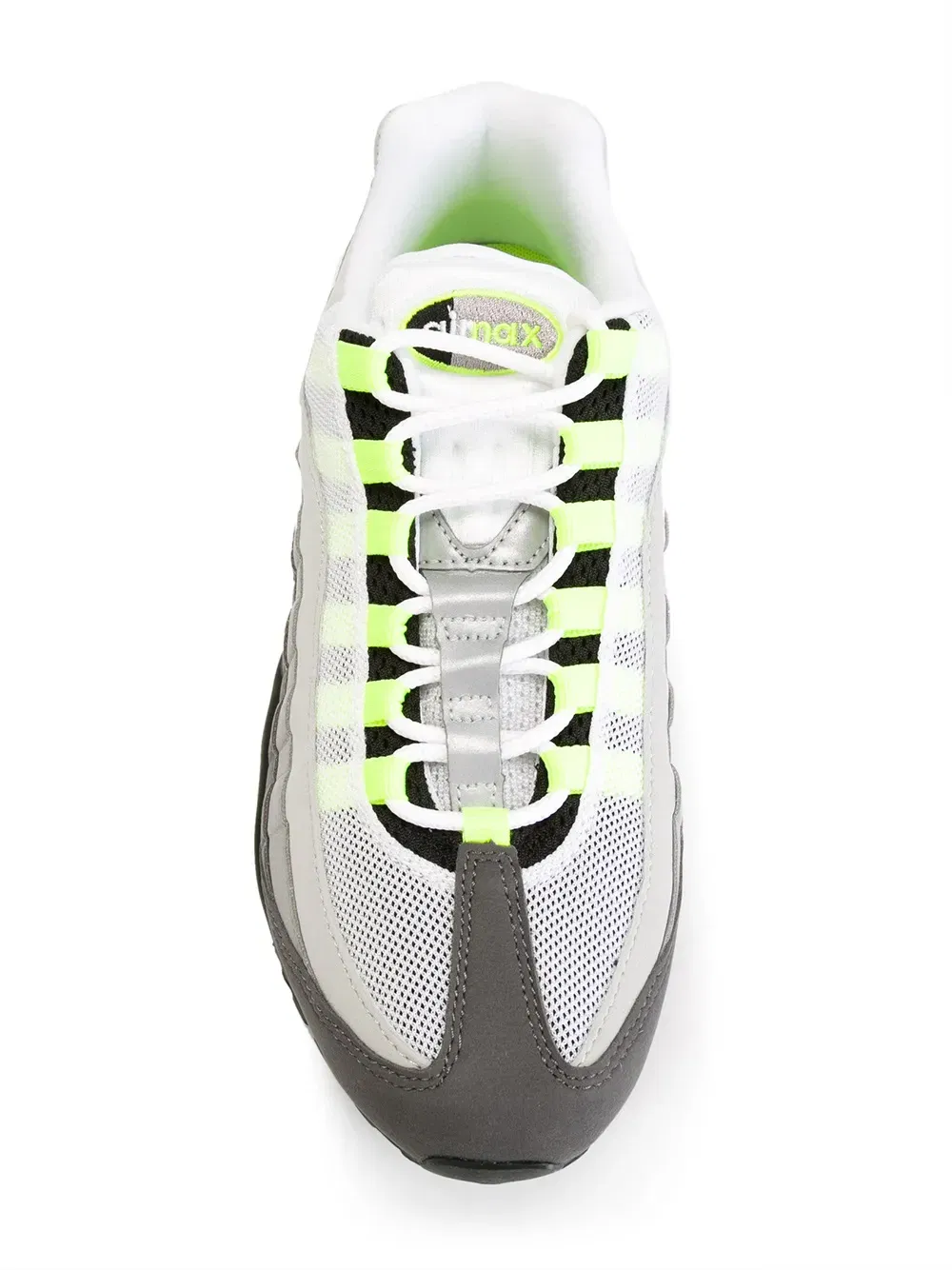
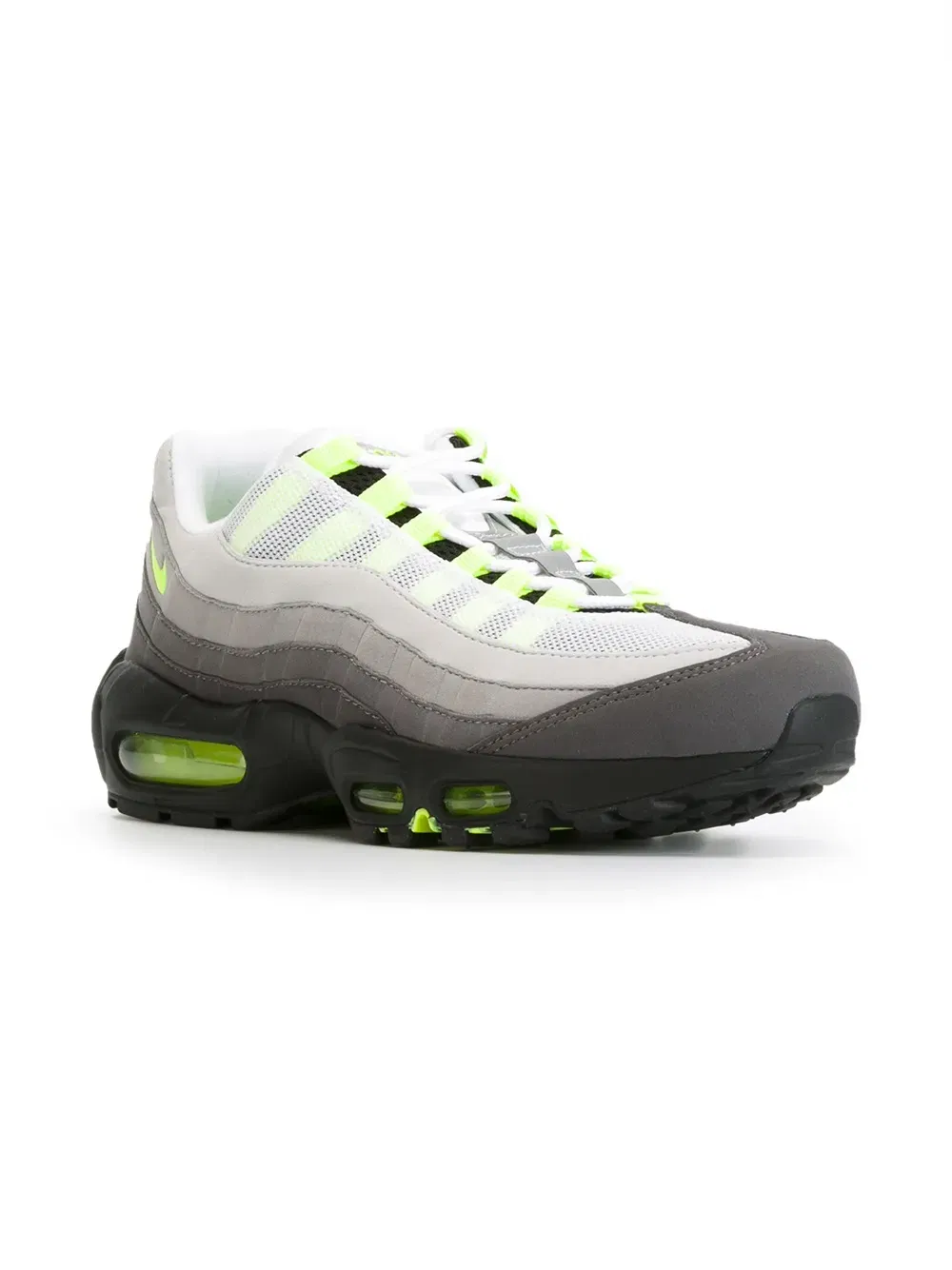
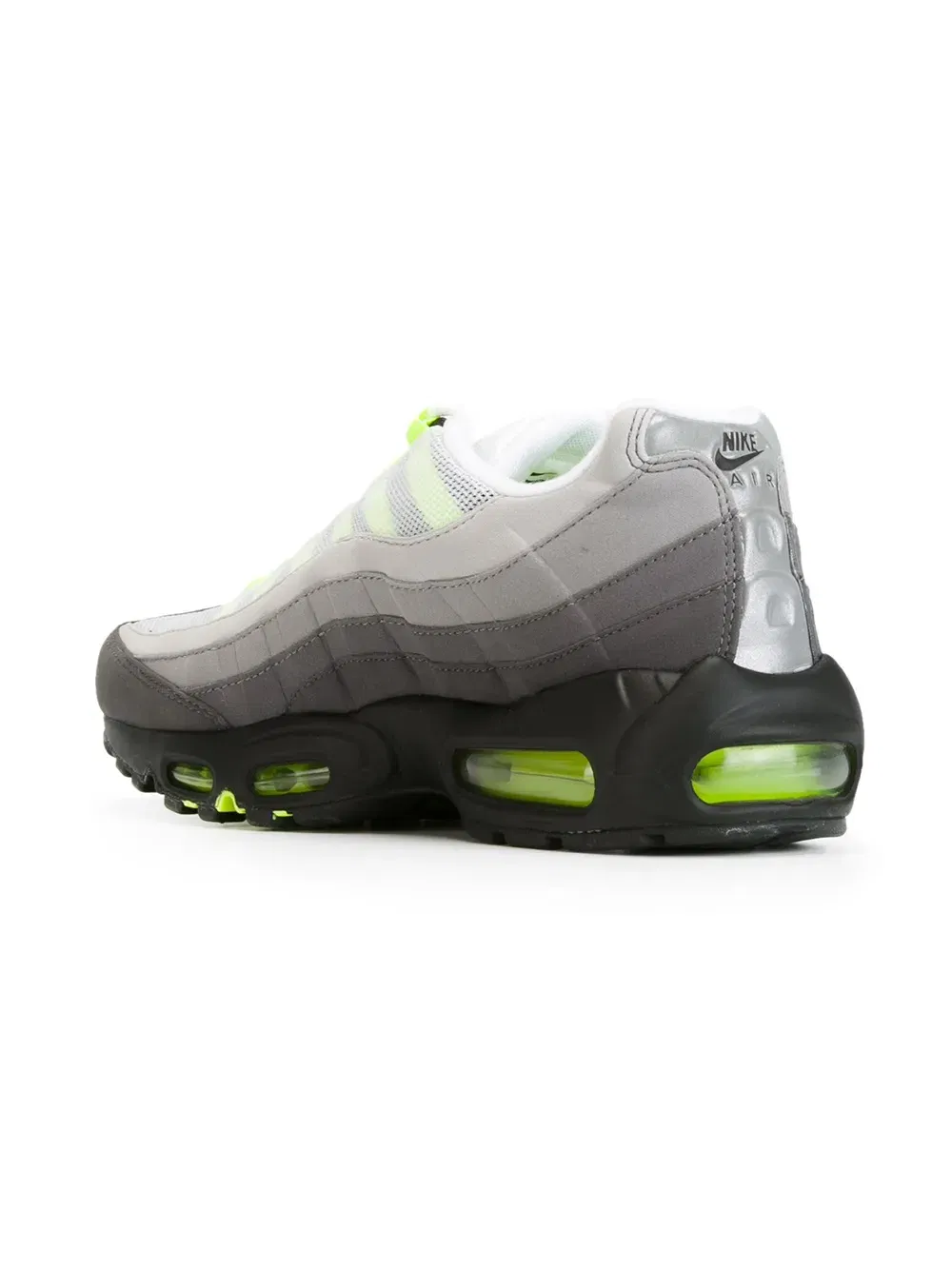
The Air Max 95, a revolutionary design by Sergio Lozano in 1995, forever changed the landscape of sneaker culture. Its inception was driven by a desire to push boundaries, resulting in a design inspired by human anatomy, a bold move that would solidify its iconic status. The original release year marked a pivotal moment in sneaker history, setting the stage for future innovation.
Initially conceived as a performance running shoe, the Air Max 95 quickly transcended its athletic origins. Its innovative design and superior cushioning made it a favorite for both casual wear and high-impact activities. The shoe's versatility allowed it to seamlessly transition from the track to the streets, becoming a symbol of comfort, style, and rebellion.
The Air Max 95's influence is undeniable, permeating various subcultures and solidifying its place in sneaker history. Its popularity among figures within hip-hop culture, particularly during the mid-to-late 1990s, cannot be overstated. The shoe's impact on Japanese streetwear, especially in the Shibuya and Harajuku districts, further cemented its global appeal. The Air Max 95 remains a cultural touchstone, a testament to innovative design and enduring style.
The Air Max 95's construction is a testament to its groundbreaking design, featuring layered panels that mimic the human body's structure. These panels, composed of mesh, synthetic suede, and leather, create a gradient effect, complemented by the signature Neon Yellow accents. The integration of visible Max Air units in both the forefoot and heel, a first for Nike, offered unparalleled cushioning and became a defining feature.