

Certificate of
Authenticity
Authenticity

0
Try on
View authenticity certificate

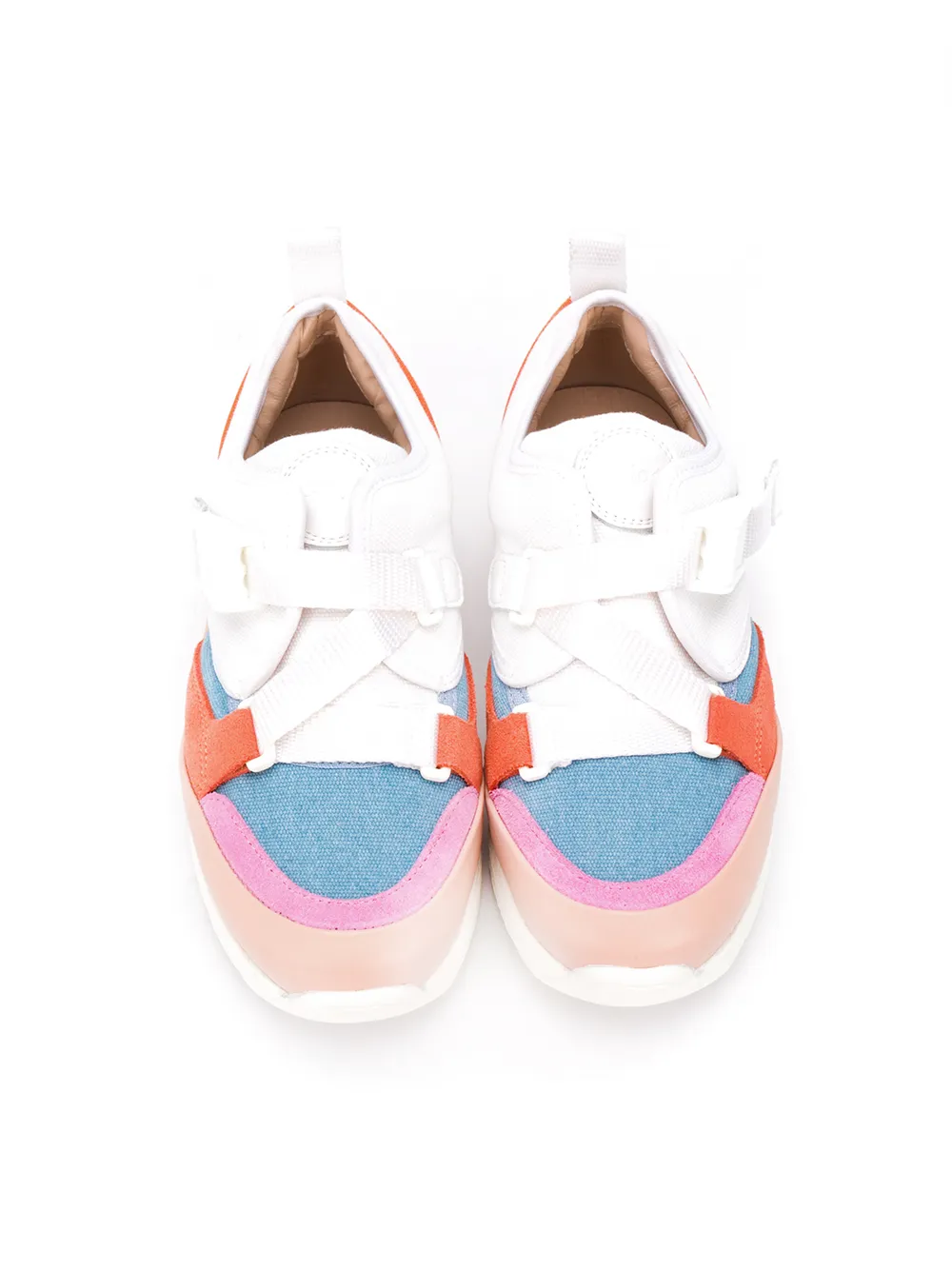
contrast-panel cross-strap trainers
contrast-panel cross-strap trainers
DELIVERY AND AUTHENTICATION

Includes Authentication Certificate
by Checkcheck global standards
Culture Note™
The genesis of the contrast-panel cross-strap trainer emerged as a deliberate counterpoint to prevailing design trends. It represented a fusion of athletic functionality and sartorial sensibility, a middle ground between the purely utilitarian and the overtly stylized. This design ethos quickly resonated with a burgeoning streetwear scene, establishing the trainer's early adoption.
The contrast-panel cross-strap trainer is engineered for versatile use, seamlessly transitioning from casual wear to more active pursuits. Its design allows it to be suitable for running errands, weekend adventures, and light sports routines. Furthermore, the aesthetic adapts to urban commuting and street style, solidifying its place as a practical yet fashionable footwear choice.
The influence of the contrast-panel cross-strap trainer is undeniable within the streetwear community. While precise sightings are not readily available, its presence is felt across various subcultures. The trainer's silhouette has become a staple, embodying a blend of retro-sport elements and contemporary design. It is a testament to the trainer's enduring appeal in a world constantly seeking a balance between form and function.
These trainers are crafted with a diverse range of materials, including faux leather, nylon, and textiles, often punctuated by contrast panels. The construction typically incorporates a round toe and lace-up closure, although some iterations feature cross-straps for added security and aesthetic flair. The soles, often chunky, incorporate rubber outsoles with deep traction lugs, offering both durability and grip.
Most asked questions
How we always
Guarantee the best prices?

Luxury marketplace
In luxury marketplaces, prices depend on demand — less popular items sell below retail.
.svg)
Competition between sellers
Our 5,000+ verified sellers compete with each other, giving you the lowest prices.
.svg)
Price comparison
We show you price comparisons across sellers so you always get better deals.
.svg)
Helping sellers, helping you
We help sellers buy smarter inventory, so they can offer you better prices.
Loading…