
Certificate of
Authenticity
Authenticity
0
Try on
View authenticity certificate

- Brand
- Adidas
- Gender
- Unisex
- Colourway
- Black
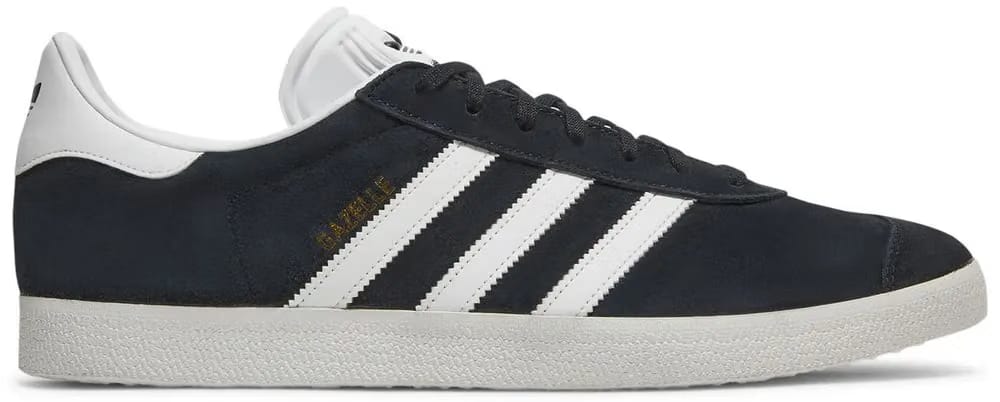
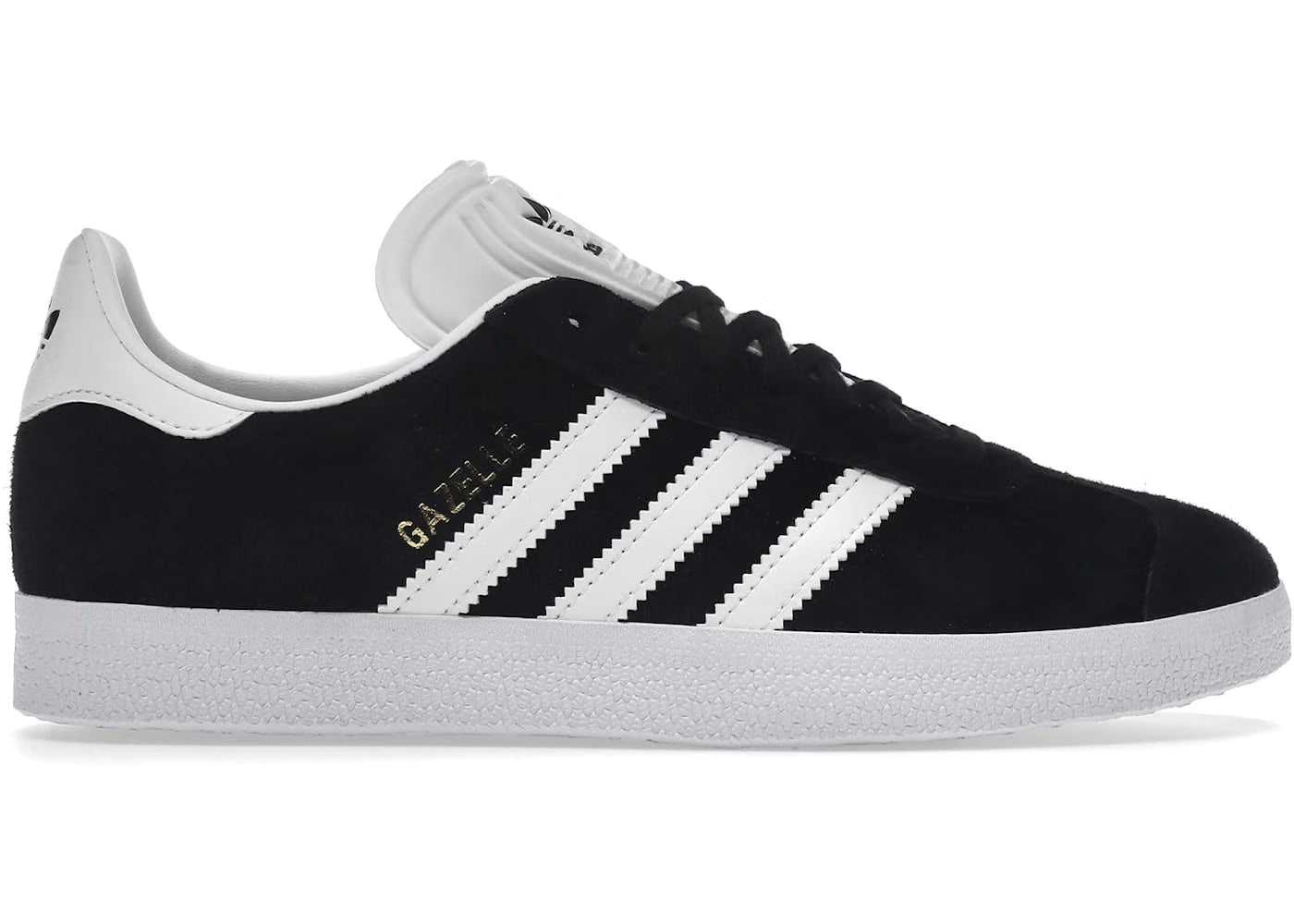
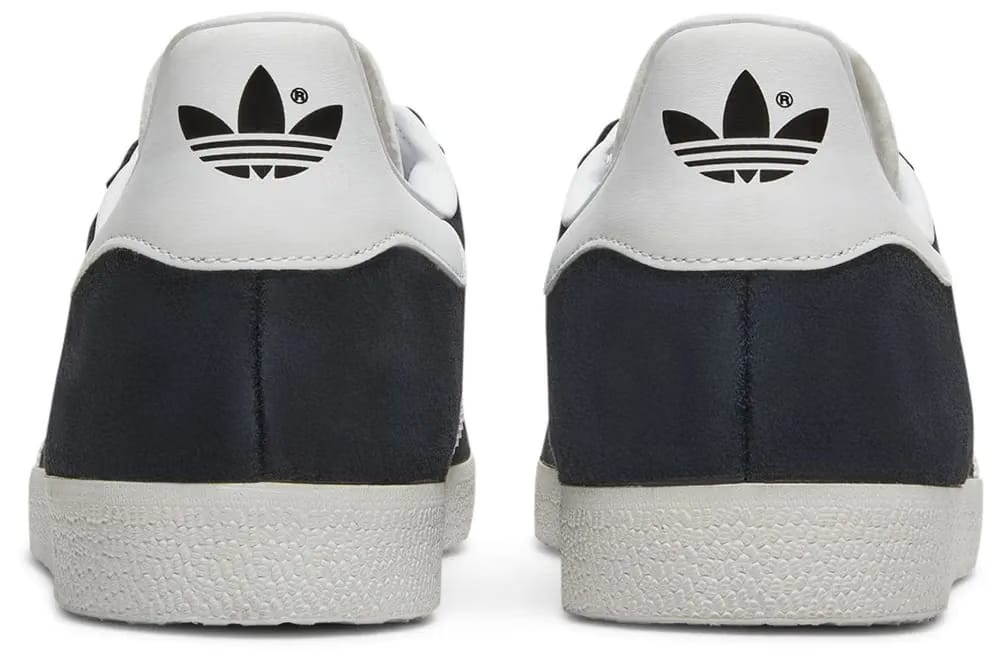
Gazelle Black
Gazelle Black
- Brand
- Adidas
- Gender
- Unisex
- Colourway
- Black
DELIVERY AND AUTHENTICATION

Includes Authentication Certificate
by Checkcheck global standards
Culture Note™
The Adidas Gazelle, initially conceived in 1966, emerged as a training shoe. This design marked a pivotal moment, being one of the first Adidas shoes to utilize suede, a departure from the leather prevalent at the time. The Gazelle was crafted to serve athletes in various indoor sports, solidifying its utilitarian beginnings. The shoe's early functionality set the stage for its eventual ascent in the cultural landscape.
Primarily designed for indoor sports like football and handball, the Gazelle provided the necessary support and grip for athletic pursuits. Its design prioritized agility and stability, making it a functional choice for training. Over time, the Gazelle's versatile design allowed it to transition seamlessly from the sports arena to casual wear, solidifying its place in daily life.
The Adidas Gazelle has been embraced by cultural icons, solidifying its place in the wardrobes of the influential. Kate Moss, in the 1990s, was a central figure in the shoe's rise, as seen in various campaigns in London. Harry Styles has frequently sported the Gazelle during his 'Love on Tour' concert performances worldwide. Furthermore, the model has been seen on the streets of New York City and other locations, notably worn by Kendall Jenner and Bella Hadid, cementing its status as a contemporary fashion staple.
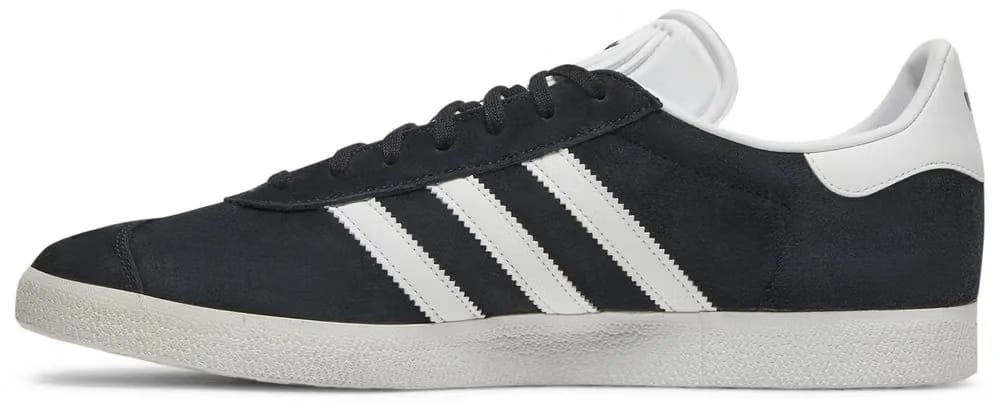
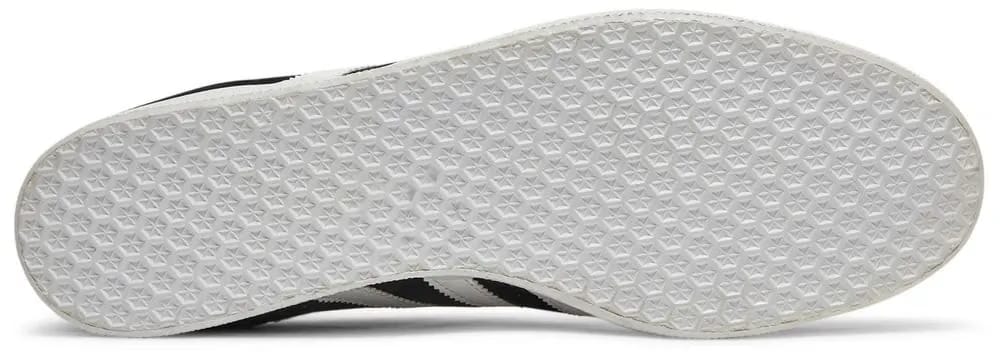
The Gazelle boasts a low-profile silhouette with a T-toe overlay, offering a blend of style and structural integrity. Key materials include a suede upper, often complemented by nubuck or synthetic overlays. Signature elements such as the serrated 3-Stripes and metallic-gold "Gazelle" lettering underscore its iconic status. Further enhancing comfort and performance are the OrthoLite® sockliner and a rubber outsole.
- Brand
- Adidas
- Gender
- Unisex
- Colourway
- Black
Most asked questions
How we always
Guarantee the best prices?

Luxury marketplace
In luxury marketplaces, prices depend on demand — less popular items sell below retail.
.svg)
Competition between sellers
Our 5,000+ verified sellers compete with each other, giving you the lowest prices.
.svg)
Price comparison
We show you price comparisons across sellers so you always get better deals.
.svg)
Helping sellers, helping you
We help sellers buy smarter inventory, so they can offer you better prices.
Loading…