The genesis of the lace-up leather boat shoe can be traced to 1935, when Paul A. Sperry, an American, conceived the design. His inspiration stemmed from observing his dog's agility on ice, which spurred the development of a siped sole for enhanced grip. This innovation laid the groundwork for a footwear category that would become synonymous with maritime activities and casual elegance.
Initially engineered for sailing and boating, the lace-up leather boat shoe provides essential grip on slick surfaces. It offers protection for the feet, while also serving as a versatile piece of casual footwear. Its suitability for warm climates and casual events has solidified its place as a wardrobe staple.
The lace-up leather boat shoe has become a symbol of enduring style, most notably during the 1960s, John F. Kennedy Jr. was seen wearing them at various public appearances. The shoe’s association with a refined aesthetic further flourished with Jacqueline Kennedy Onassis, also spotted in them during the same period. The preppy aesthetic was embraced by Paul Newman, solidifying the shoe's place in popular culture.
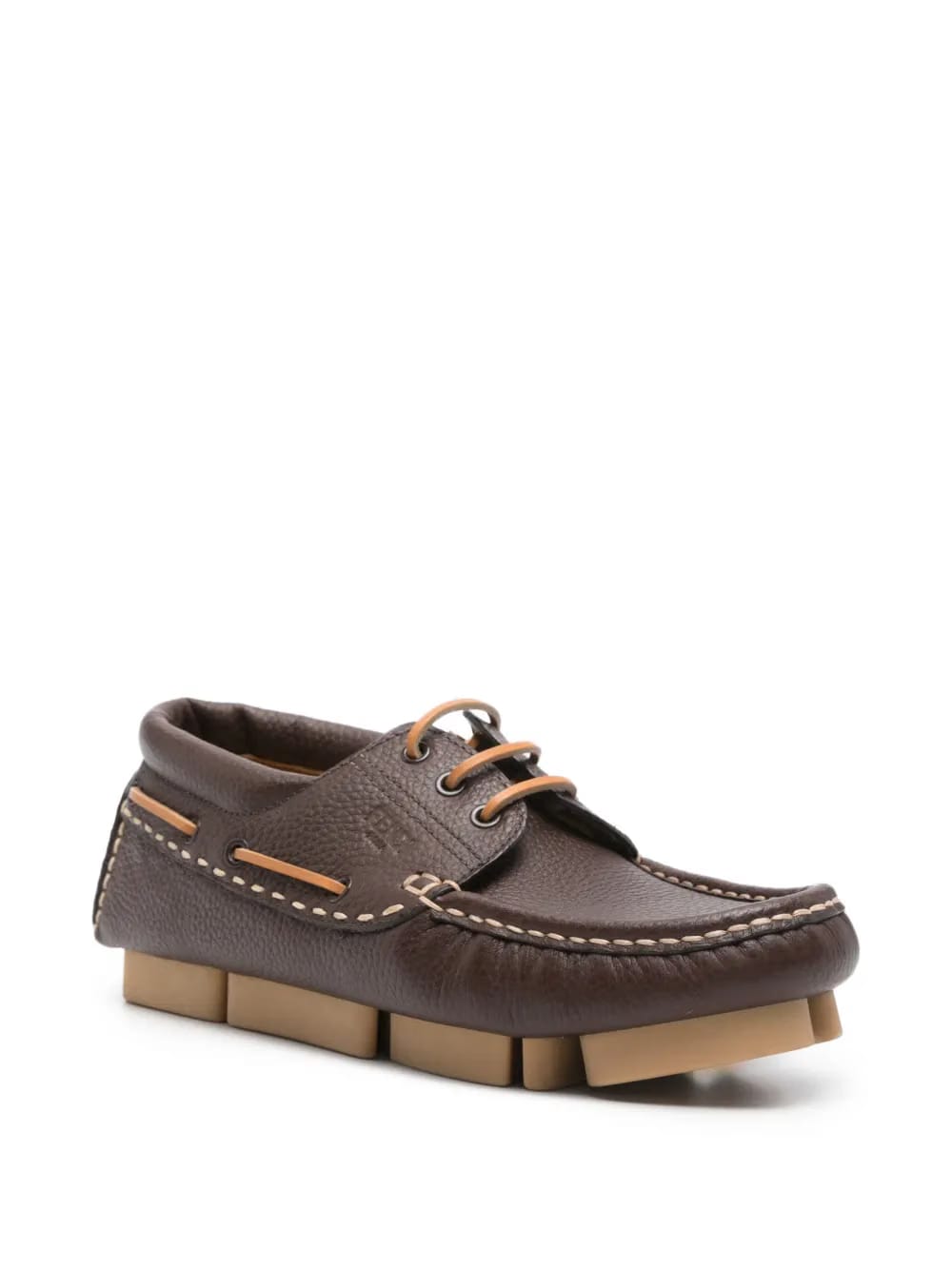
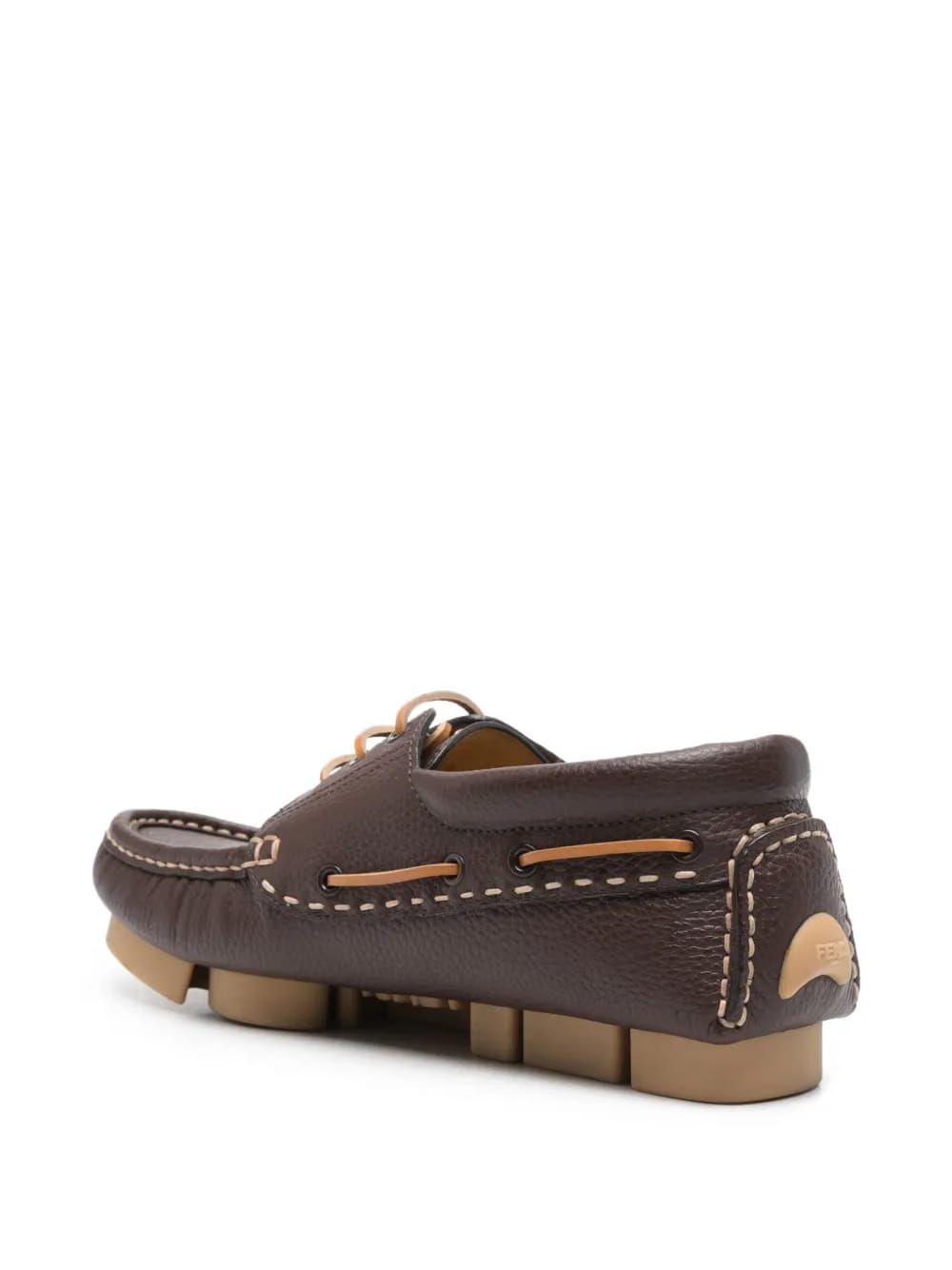
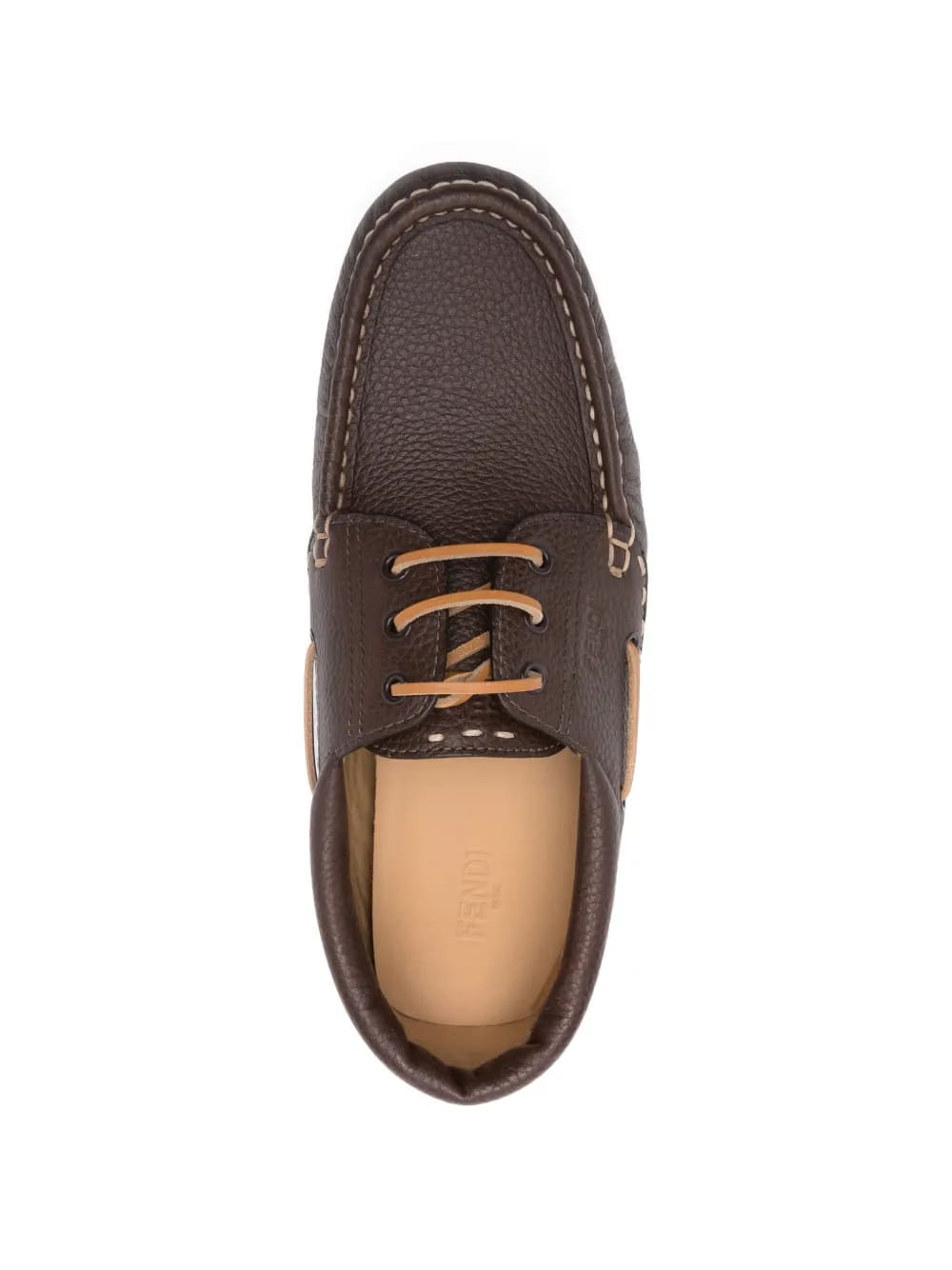
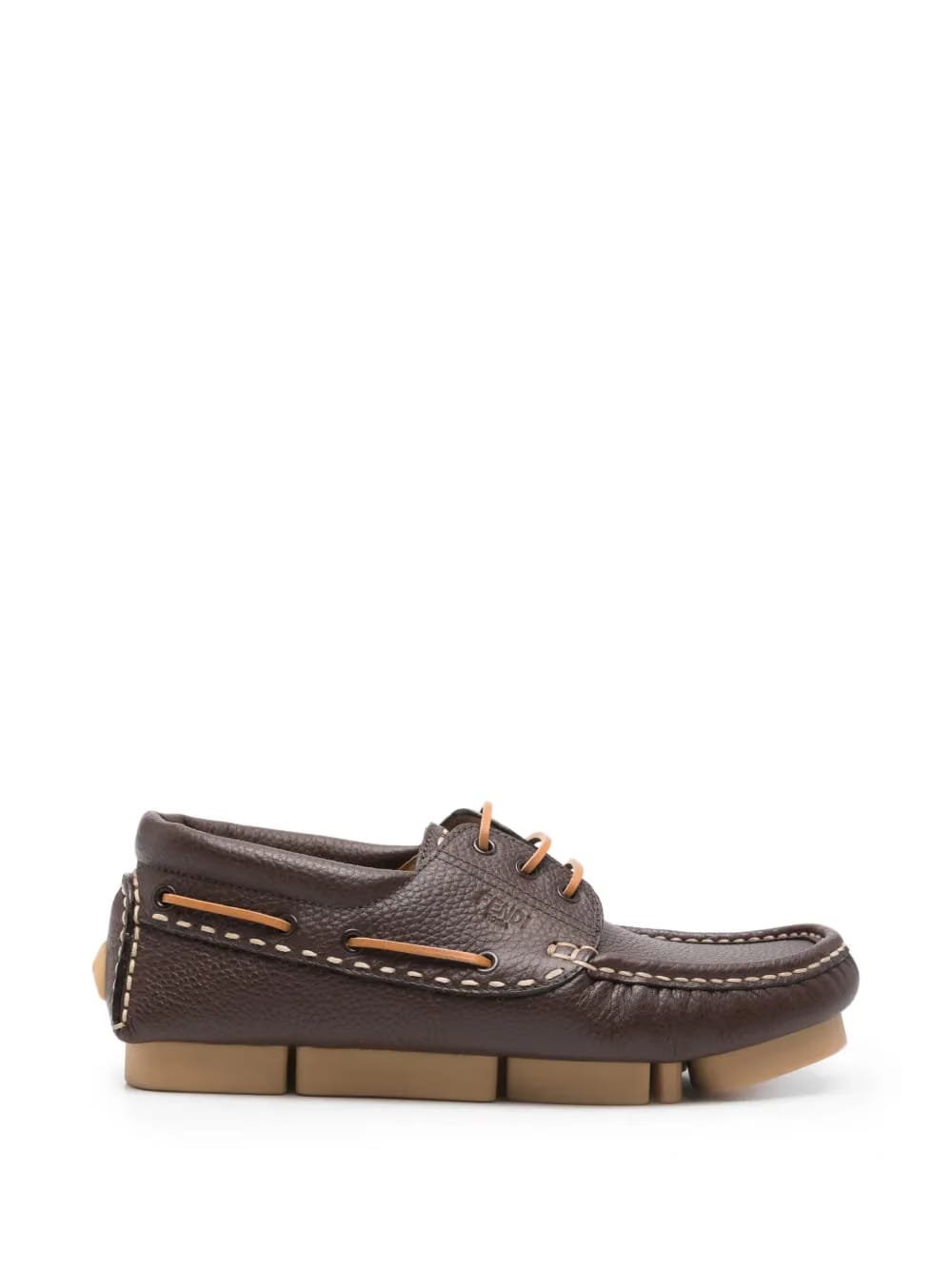
These shoes are meticulously crafted with a moccasin-style upper, often hand-sewn, featuring an open-top design. The primary materials include water-resistant leather, rawhide laces, and a durable rubber outsole. Key design elements include a 360-degree lacing system, moc-toe stitching, and a siped outsole pattern for superior traction.