
Certificate of
Authenticity
Authenticity
0
Try on
View authenticity certificate

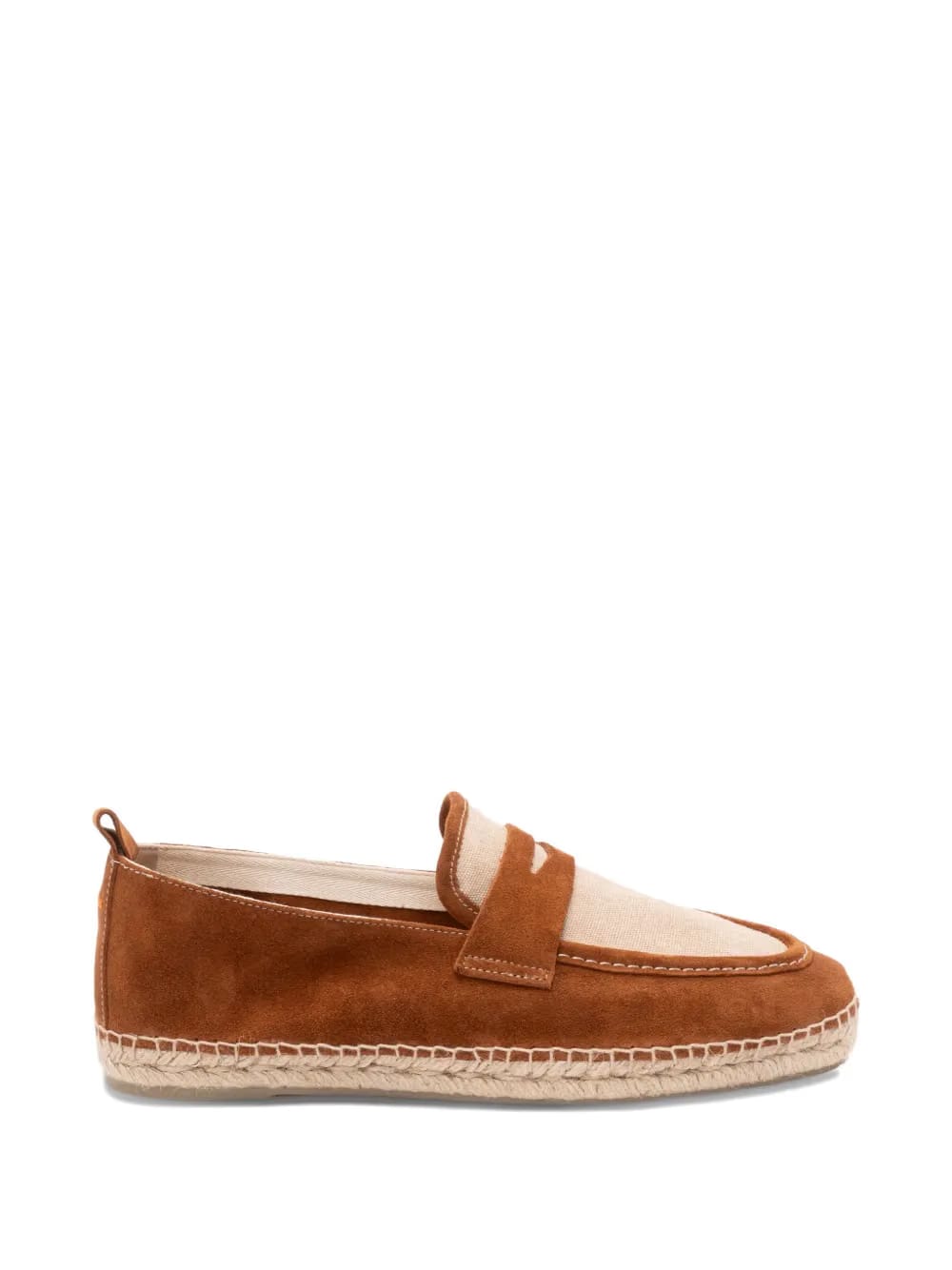
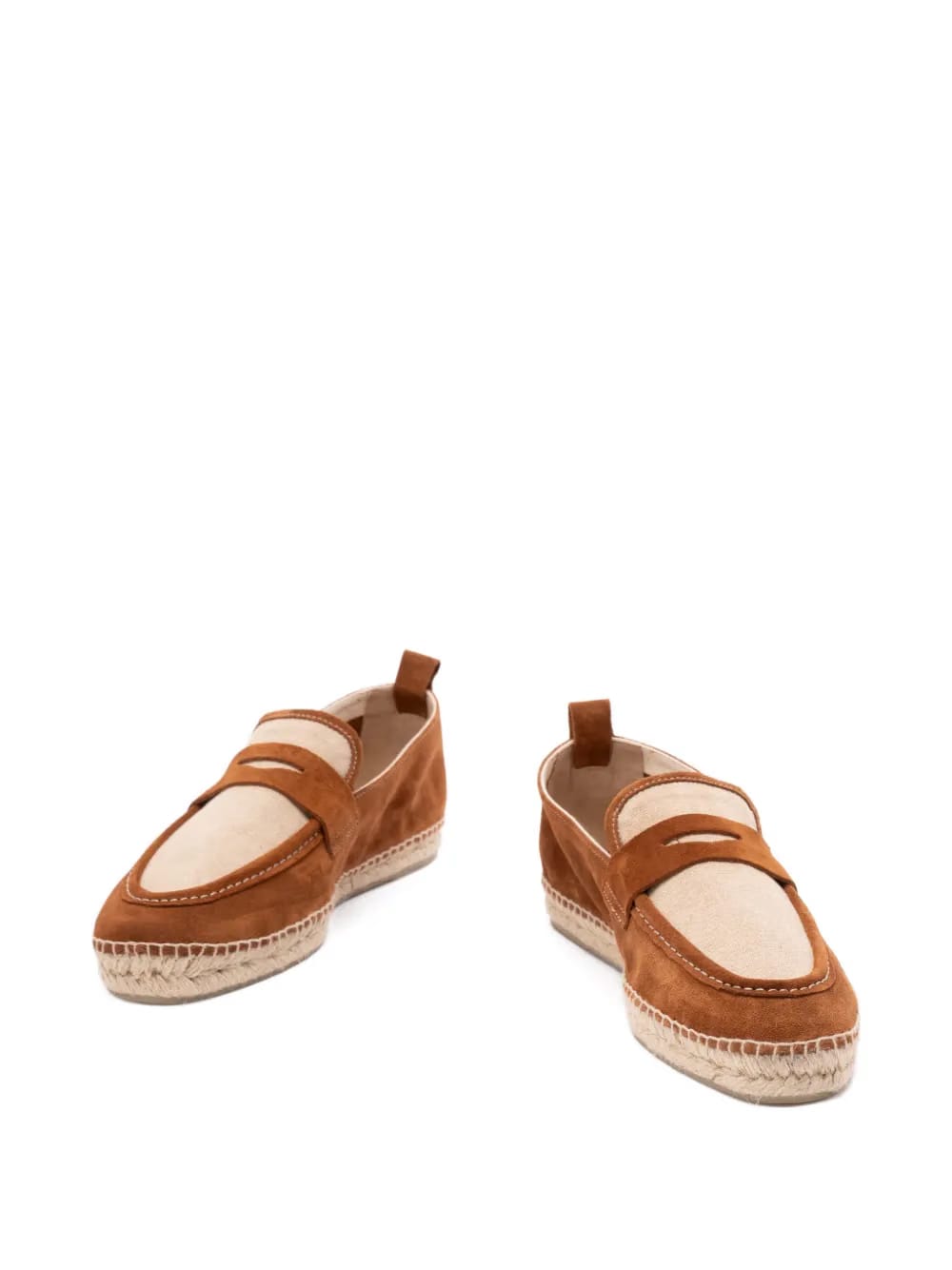
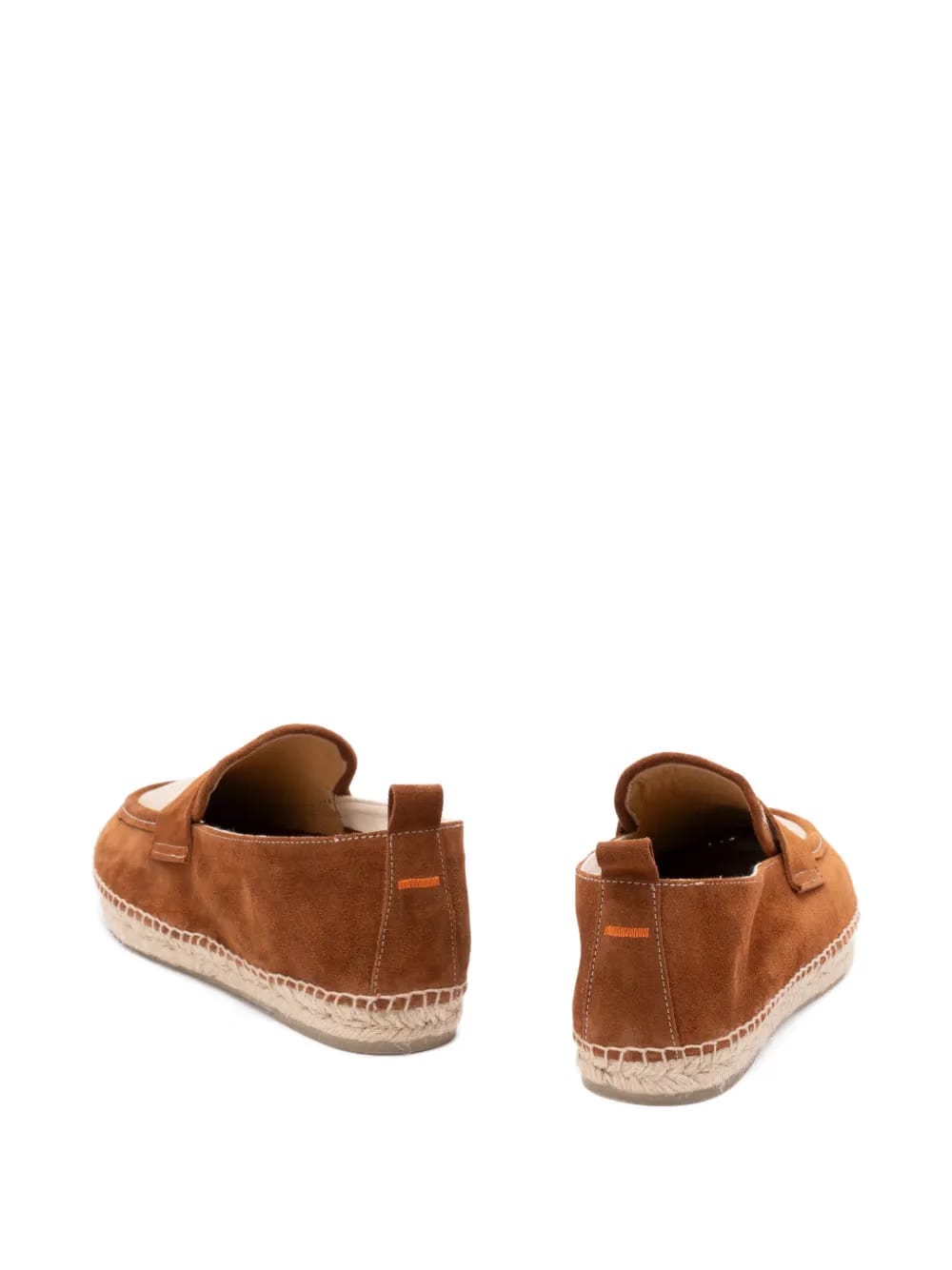
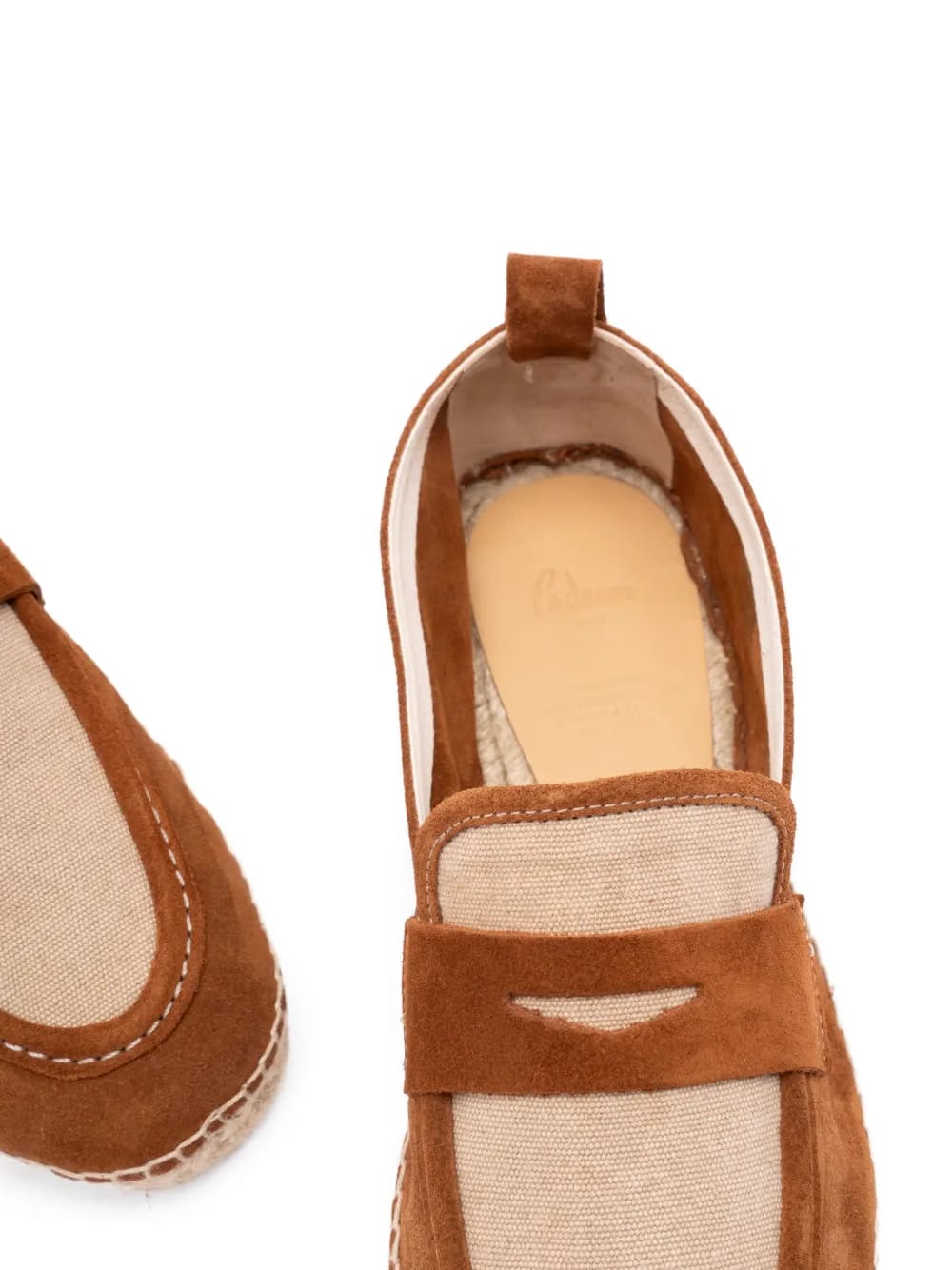
panelled espadrilles
panelled espadrilles
DELIVERY AND AUTHENTICATION

Includes Authentication Certificate
by Checkcheck global standards
Culture Note™
Espadrilles, originating in the Pyrenees, emerged between the 13th and 14th centuries. Initially crafted for practicality, their history traces back to 2000 BCE, serving peasants, farmers, and soldiers. They became emblematic during the Spanish Civil War, representing Catalan rebels and their struggle.
Primarily designed for warm weather, panelled espadrilles are a staple for spring and summer wardrobes. Their versatility extends from casual outings to more formal events, reflecting their adaptability. The lightweight design provides comfort, making them ideal for various activities and occasions.
The espadrille's influence reverberates through culture, notably with figures like Pablo Picasso, who wore them while creating in his studio during the early 20th century. Coco Chanel embraced them while on vacation, solidifying their place in leisure fashion. Furthermore, the iconic Rita Hayworth donned them in the film 'The Lady from Shanghai' of 1947, further cementing their status in popular culture.
The panelled espadrille typically features a construction using two fabric pieces, sewn onto a rope sole. Canvas, cotton, or leather often form the upper, while the sole is characteristically made from braided jute. Modern iterations often include rubber reinforcement for added durability, making them a testament to enduring craftsmanship.
Most asked questions
How we always
Guarantee the best prices?

Luxury marketplace
In luxury marketplaces, prices depend on demand — less popular items sell below retail.
.svg)
Competition between sellers
Our 5,000+ verified sellers compete with each other, giving you the lowest prices.
.svg)
Price comparison
We show you price comparisons across sellers so you always get better deals.
.svg)
Helping sellers, helping you
We help sellers buy smarter inventory, so they can offer you better prices.
Loading…