
Certificate of
Authenticity
Authenticity
0
Try on
View authenticity certificate

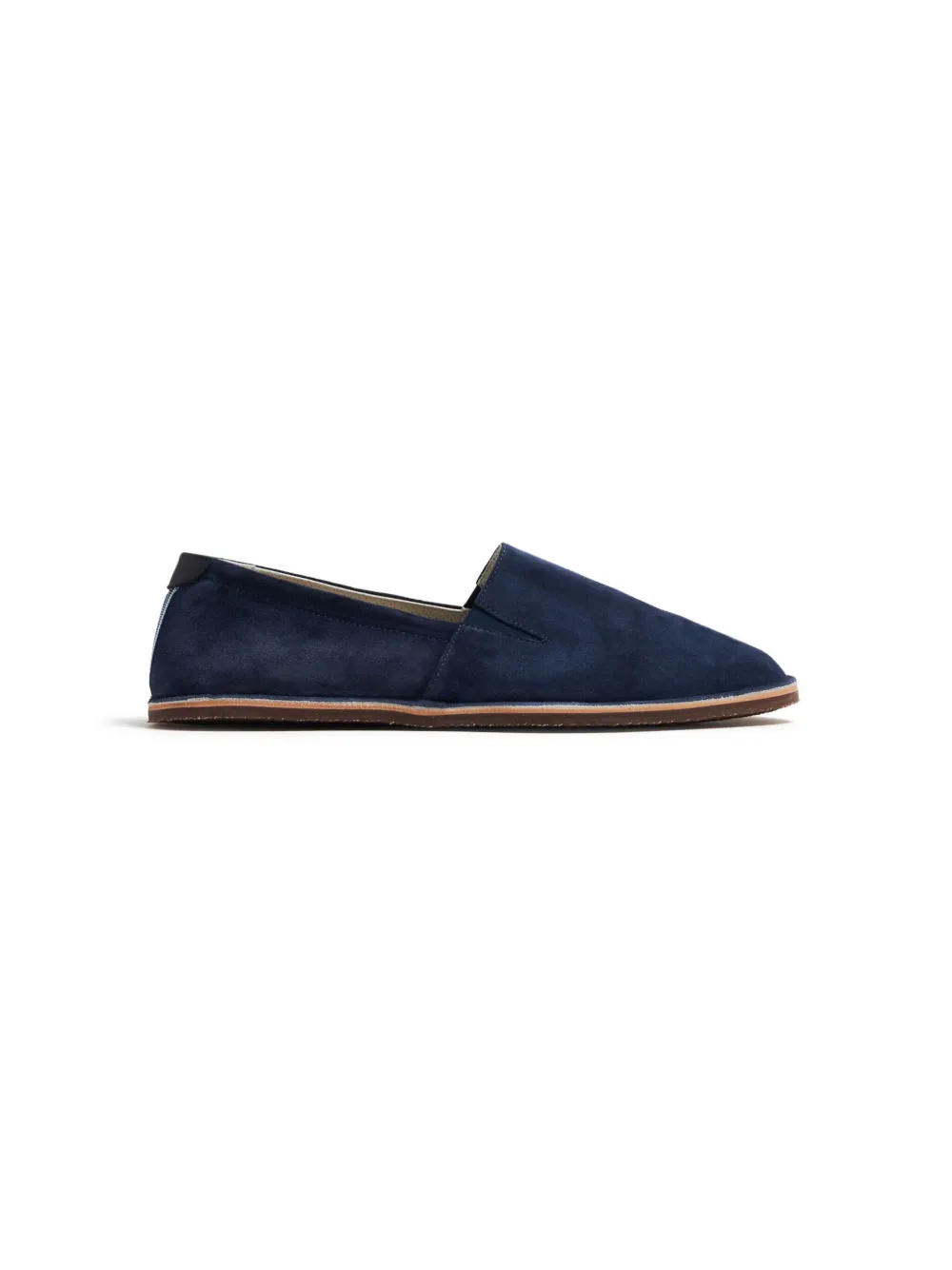
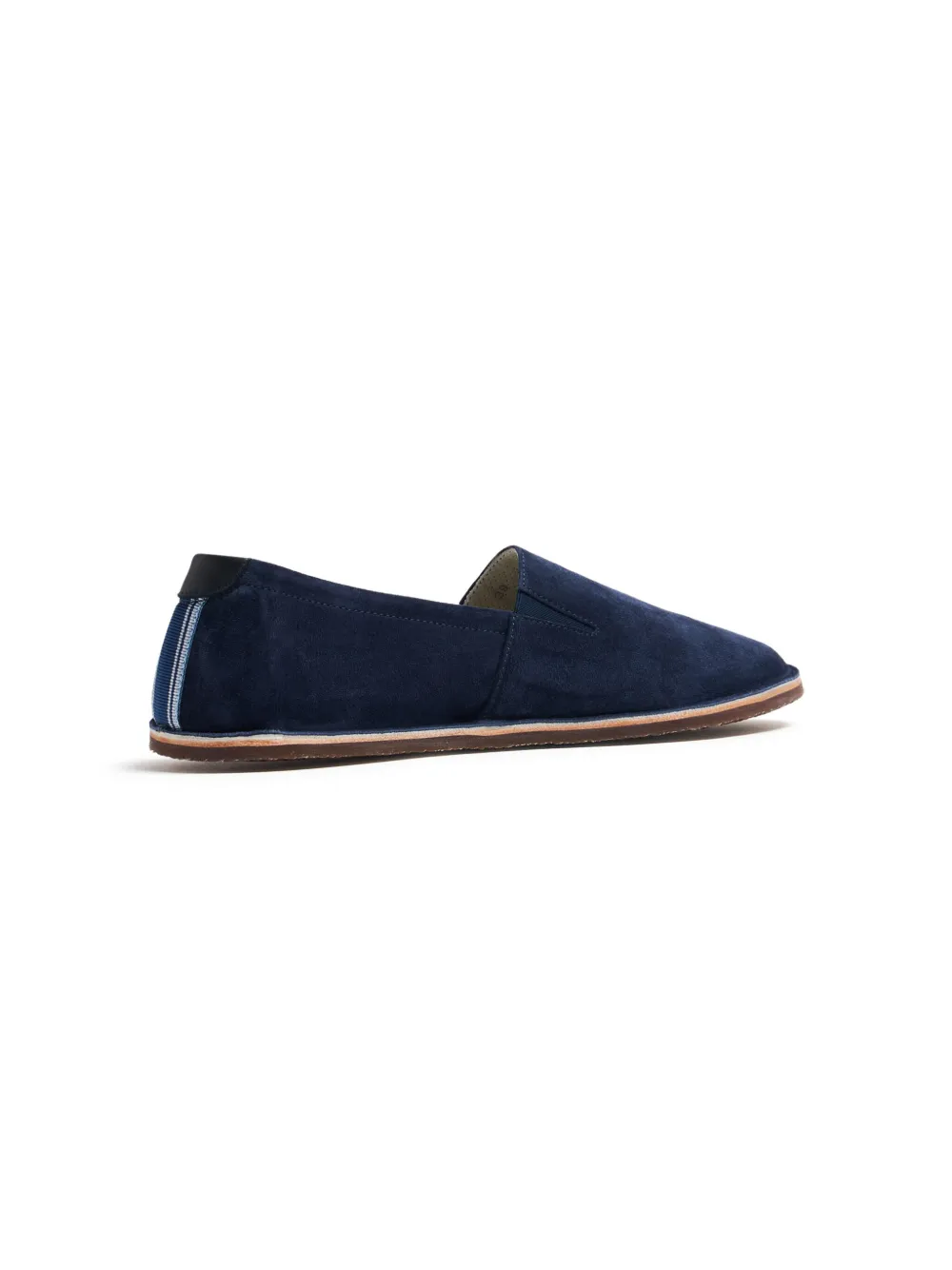
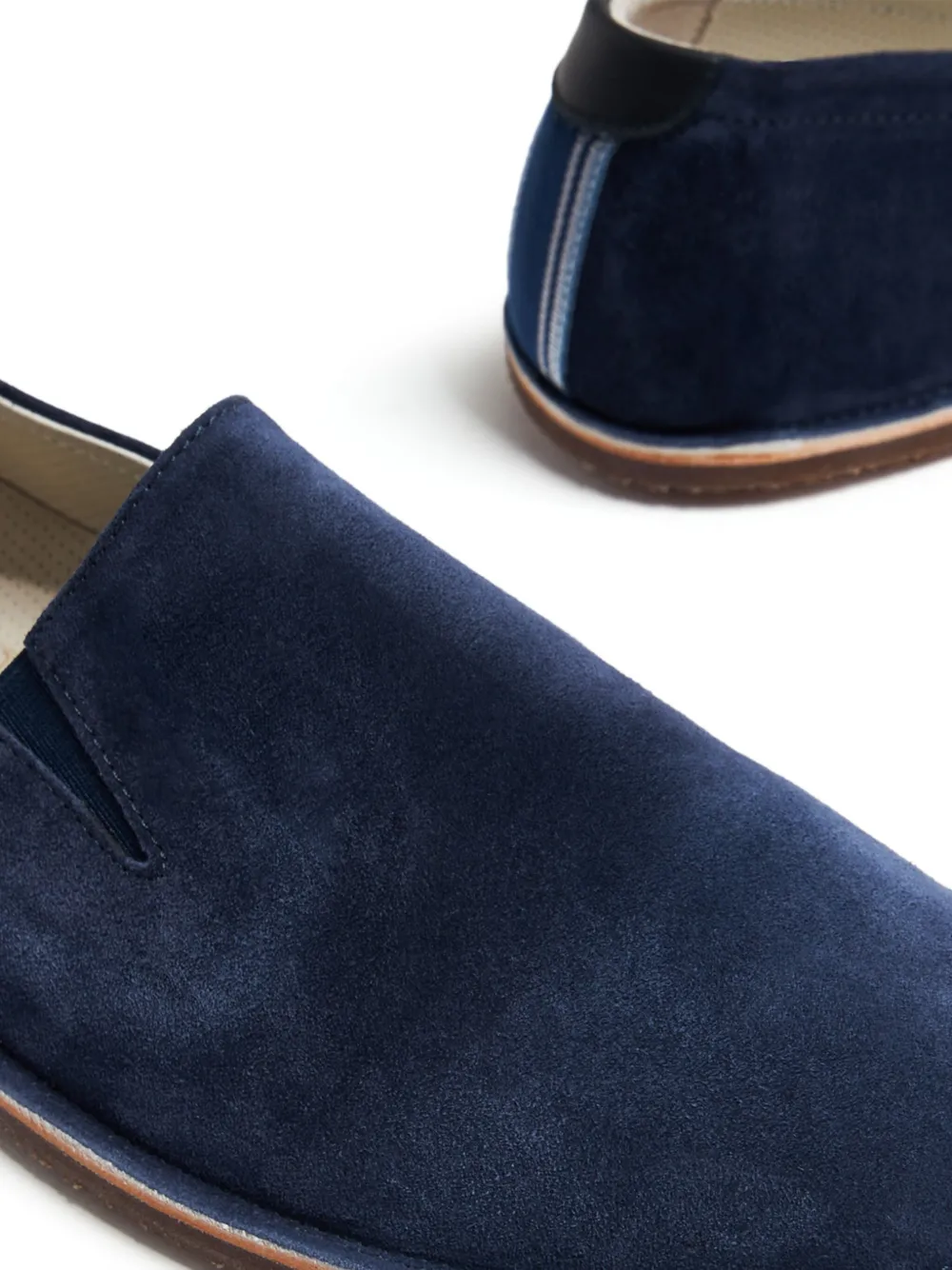
stripe-detail suede loafers
stripe-detail suede loafers
DELIVERY AND AUTHENTICATION

Includes Authentication Certificate
by Checkcheck global standards
Come see it in person
Culture Note™
The Gucci Horsebit Loafer, a symbol of enduring luxury, emerged in 1953, the brainchild of Aldo Gucci [cite: 1, 2, 3, 7]. This iconic shoe was meticulously designed to capture the essence of both American casualness and Italian elegance. The loafer's creation was deeply rooted in the brand's equestrian heritage, a defining characteristic of the Gucci legacy.
The Gucci Horsebit Loafer transcends mere footwear; it is a versatile statement piece [cite: 4, 13, 19, 23]. It seamlessly transitions from casual settings to more formal occasions, embodying a sense of understated luxury. Whether paired with tailored trousers or denim, the loafer elevates any ensemble, reflecting a discerning taste for both comfort and refinement.
The cultural impact of the Gucci Horsebit Loafer is undeniable. The loafer has been embraced by cultural icons and style leaders across decades. In 1957, Audrey Hepburn was seen in a film scene in 'Funny Face'. More recently, in a 2023 campaign, the loafer was featured with Paul Mescal to celebrate the 70th anniversary. The shoe's enduring appeal is further exemplified by its presence in film, as seen with Matt Dillon in the 1989 film 'Drugstore Cowboy'.
Crafted with precision, the Horsebit Loafer features a supple suede upper, often adorned with moccasin-style stitching [cite: 4, 13, 19, 23]. Its construction incorporates premium materials such as leather for the lining and sole, and the signature Horsebit detail, a gilded snaffle, is a testament to Gucci's commitment to quality. The Web stripe, a hallmark of the brand, adds a touch of boldness and sophistication.
Most asked questions
How we always
Guarantee the best prices?

Luxury marketplace
In luxury marketplaces, prices depend on demand — less popular items sell below retail.
.svg)
Competition between sellers
Our 5,000+ verified sellers compete with each other, giving you the lowest prices.
.svg)
Price comparison
We show you price comparisons across sellers so you always get better deals.
.svg)
Helping sellers, helping you
We help sellers buy smarter inventory, so they can offer you better prices.
Loading…