
Certificate of
Authenticity
Authenticity
0
Try on
View authenticity certificate

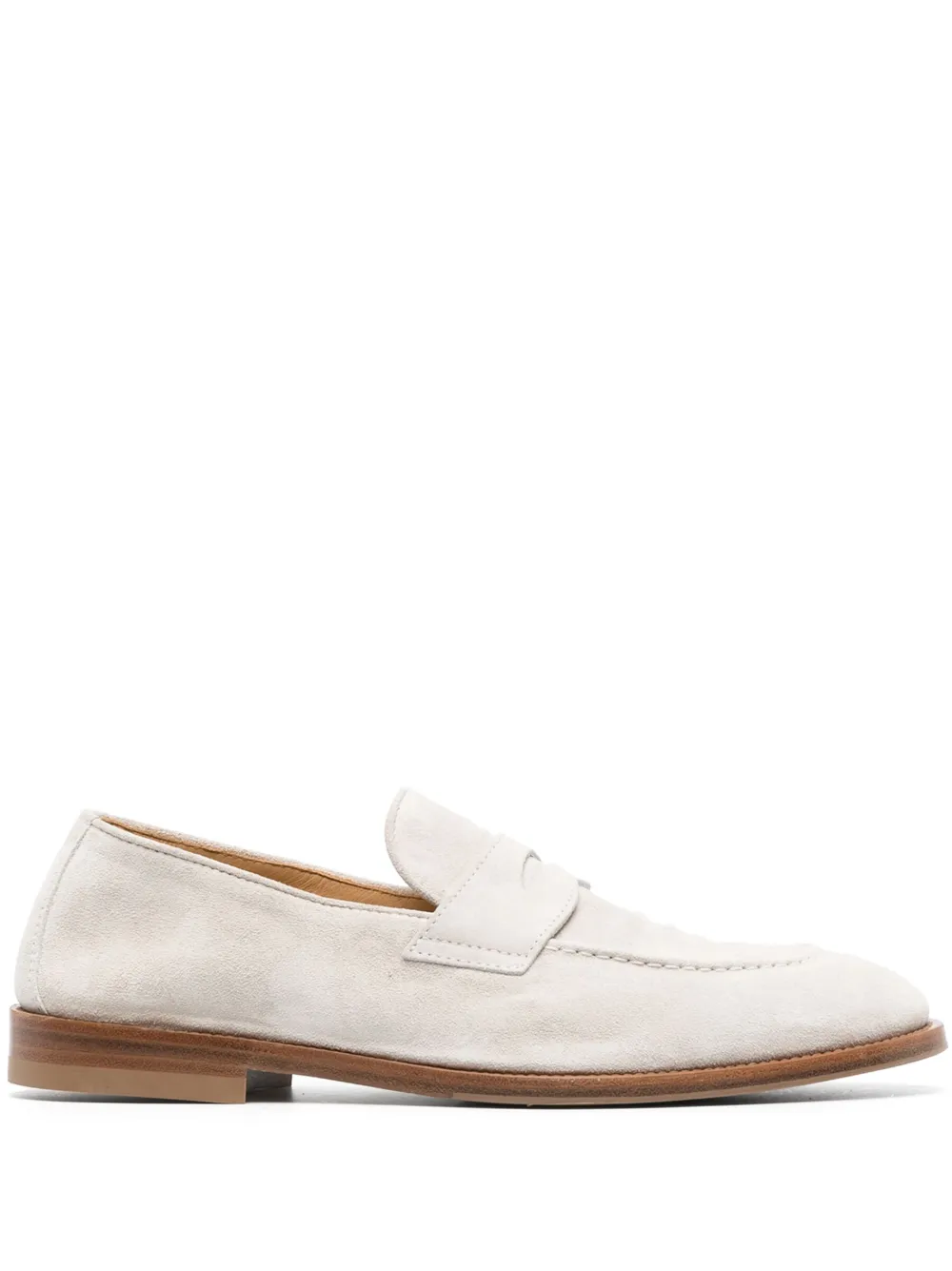
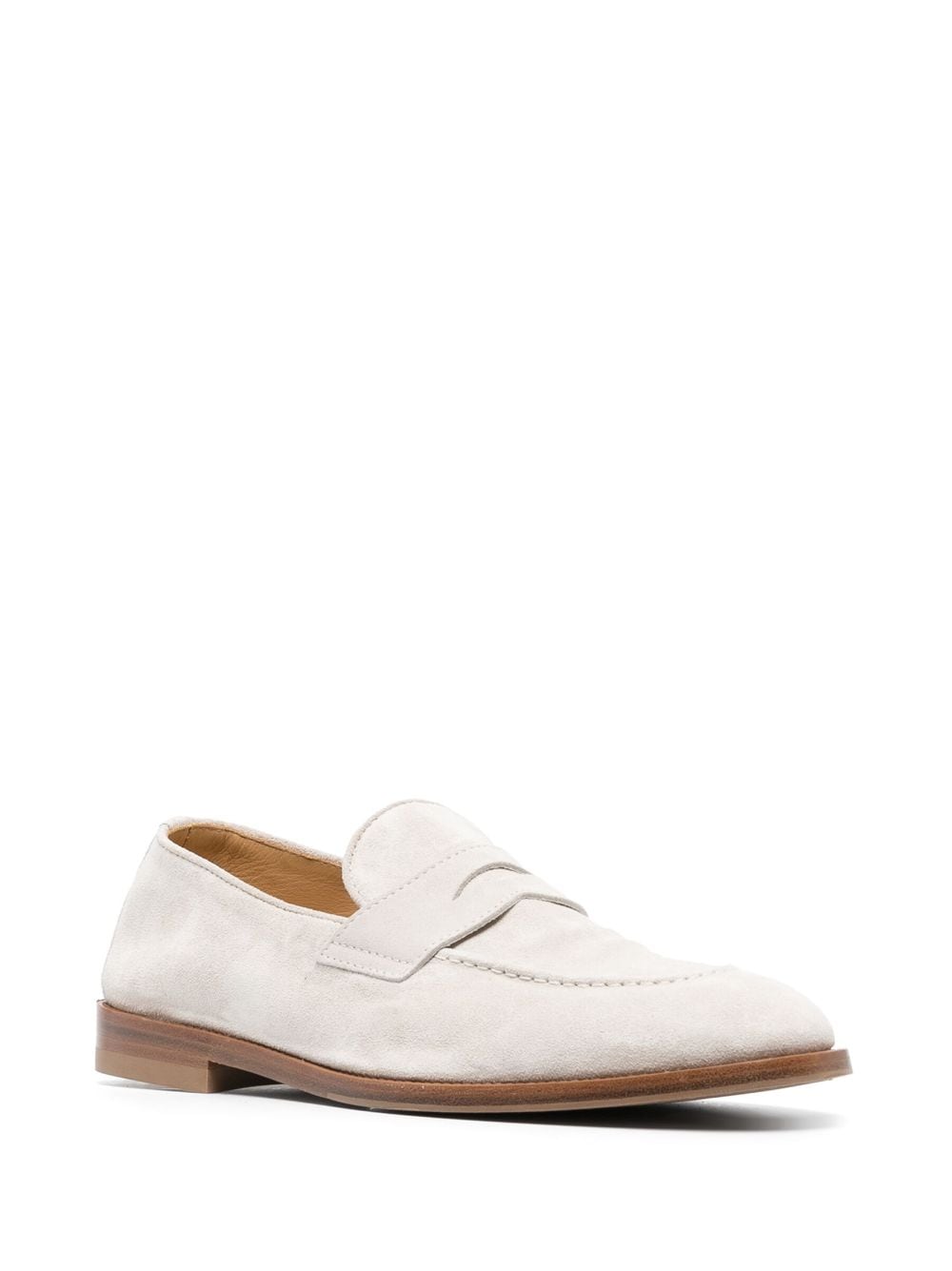
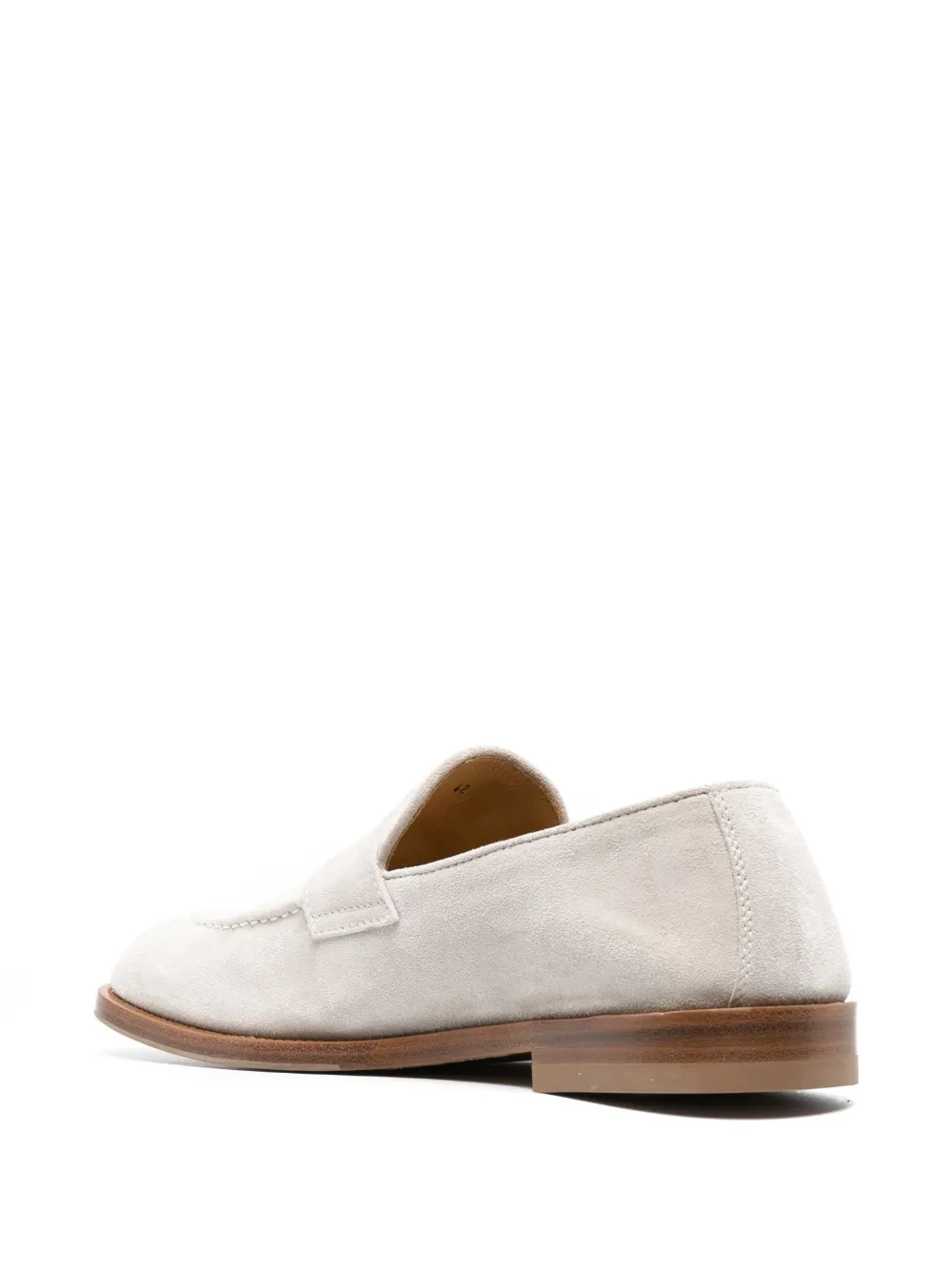
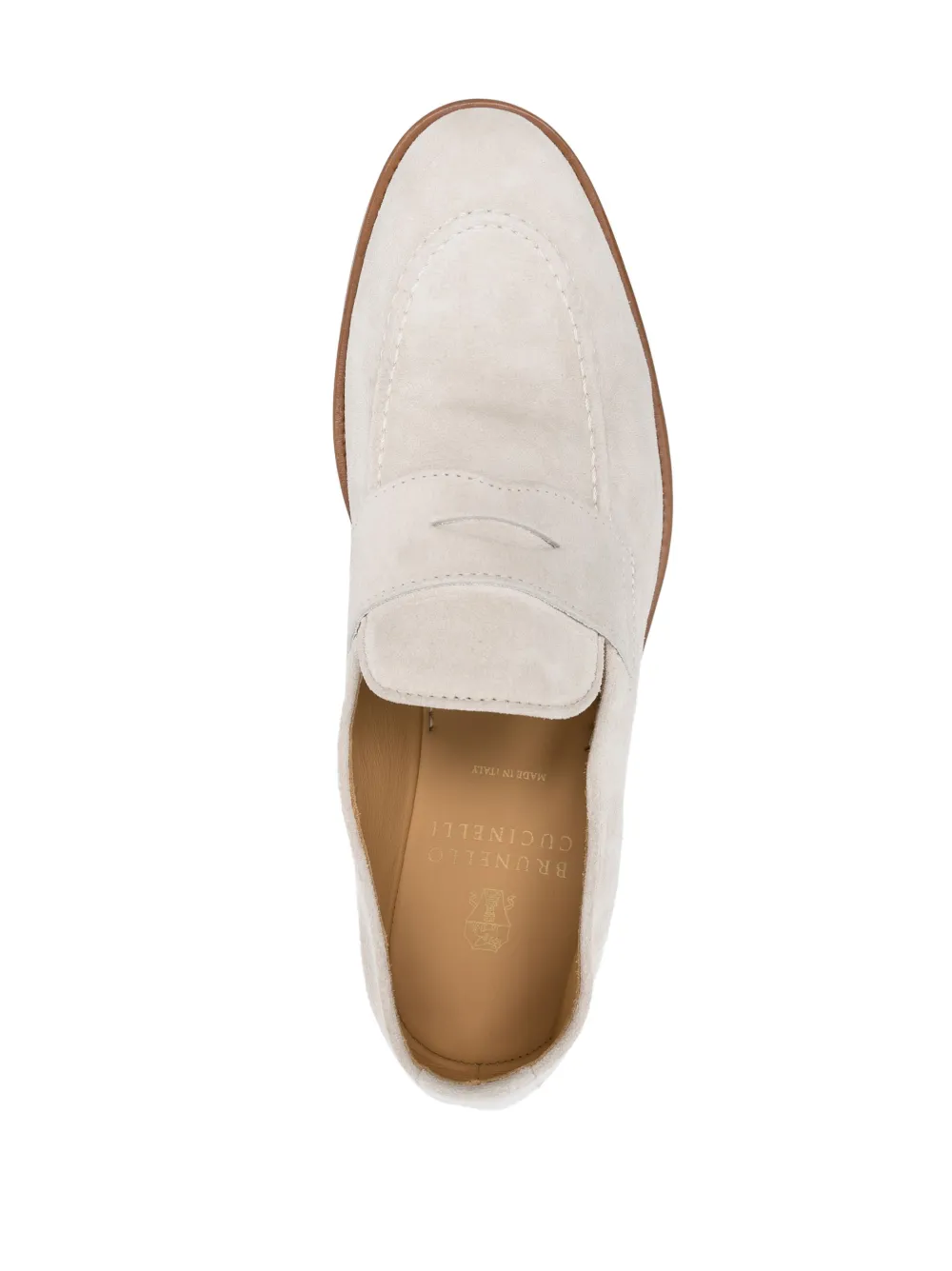
suede penny-slot loafers
suede penny-slot loafers
DELIVERY AND AUTHENTICATION

Includes Authentication Certificate
by Checkcheck global standards
Come see it in person
Culture Note™
The penny loafer's lineage traces back to the slip-on shoes of Norwegian fishermen in the early 1900s, specifically the teser/Aurland moccasin. Its American ascent began in the 1930s, popularized by G.H. Bass, with their 'Weejuns' model. This design soon became a cornerstone of classic American style, influencing generations.
Penny loafers are designed for versatility, effortlessly transitioning from casual to smart casual and business casual environments. They are suitable for both office settings and weekend wear. The inclusion of a cushioned footbed or supportive insoles adds to their appeal, ensuring all-day comfort.
The cultural impact of the suede penny loafer is undeniable, as evidenced by its embrace by style icons across decades. Kendall Jenner, in September 2025, during a L'Oréal campaign at the Louvre in Paris, showcased the loafer's modern appeal. Kate Middleton (Princess of Wales) wore the style during a visit to Castle Hill Academy in February 2026, further cementing its timeless elegance. The legendary Elvis Presley, during his 1950s performances and everyday wear, adopted the penny loafer, forever linking it to a rebellious spirit and iconic status. Gene Kelly, also in the 1950s, through his movie performances, such as 'An American in Paris', demonstrated the shoe's versatility.
These loafers are meticulously crafted from soft, velvety suede with a matte finish, often featuring a moc-toe or apron toe design. The construction incorporates suede uppers, leather linings, insoles, and soles, sometimes with a rubber outsole or a chunky lug sole. The signature penny slot, a horizontal strap with a cutout, distinguishes this iconic footwear.
Most asked questions
How we always
Guarantee the best prices?

Luxury marketplace
In luxury marketplaces, prices depend on demand — less popular items sell below retail.
.svg)
Competition between sellers
Our 5,000+ verified sellers compete with each other, giving you the lowest prices.
.svg)
Price comparison
We show you price comparisons across sellers so you always get better deals.
.svg)
Helping sellers, helping you
We help sellers buy smarter inventory, so they can offer you better prices.
Loading…