

Certificate of authenticity


0
Try on
View authenticity certificate

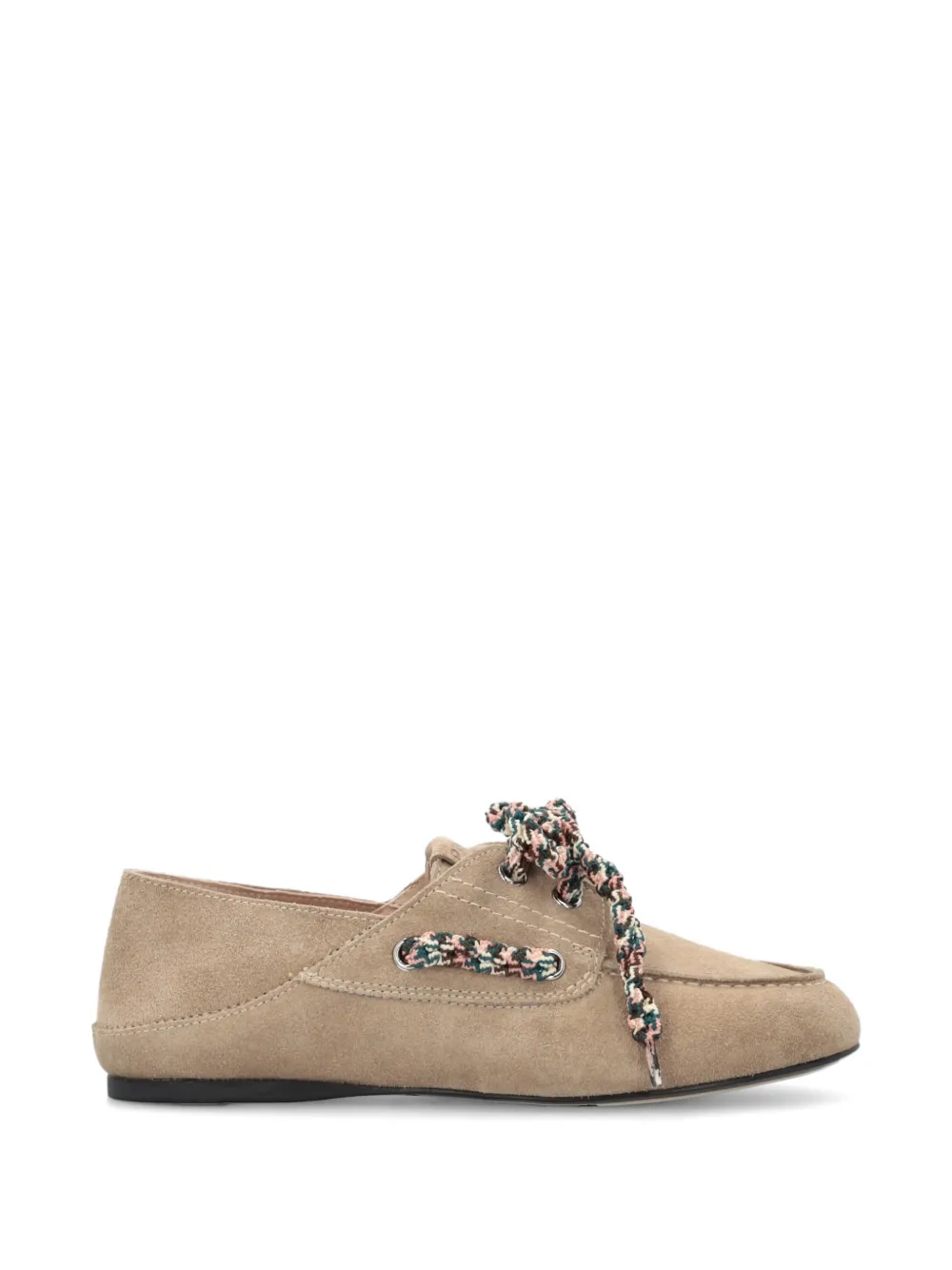
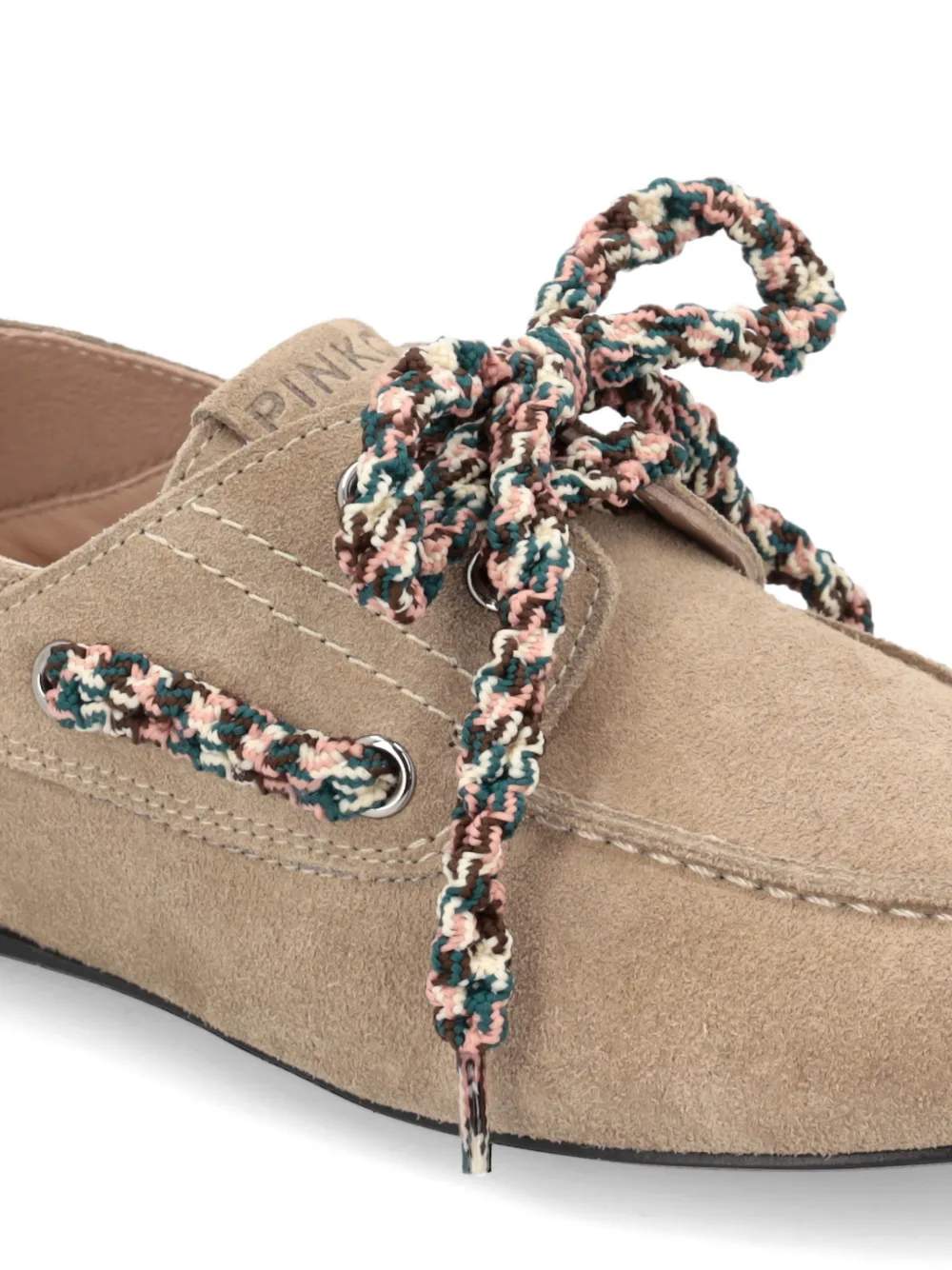
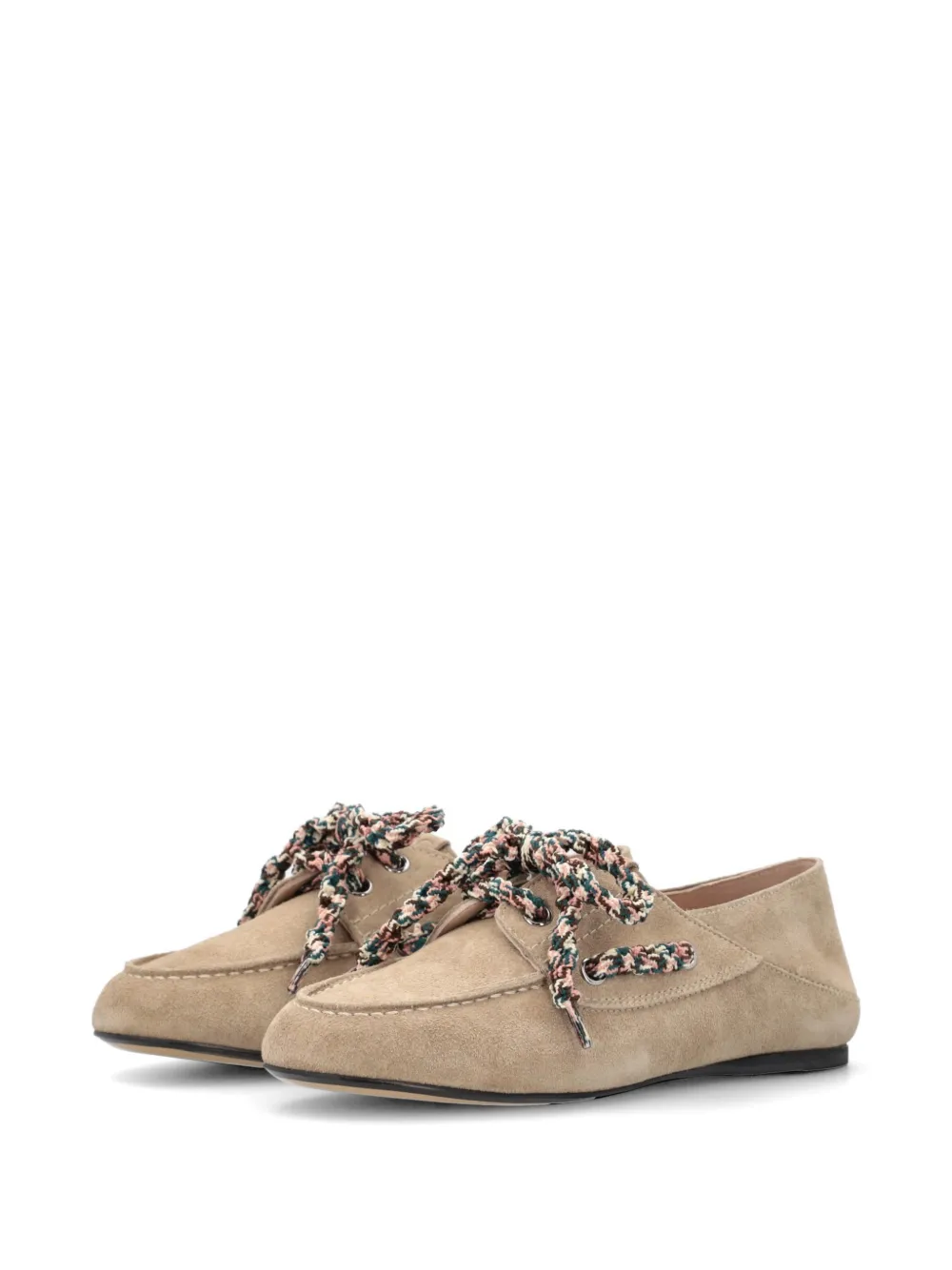
woven lace-up loafers
woven lace-up loafers
Delivery and authentication

Includes authentication certificate
By CheckCheck global standards
Come see it in person
Culture Note™
The genesis of the woven lace-up loafer finds its roots in early 20th-century shoemaking, drawing inspiration from Norwegian footwear and Native American moccasins. The evolution of the loafer, a casual shoe, began with King George VI's commission in 1847 for a house shoe. This lineage laid the groundwork for the modern loafer style, subsequently embraced by the affluent and later, by the Ivy League cohort.
The woven lace-up loafer is ideally suited for a spectrum of occasions, from casual wear to smart casual and even business casual settings, exhibiting remarkable versatility. It is particularly apt for warmer climates. The design allows for comfort and style in diverse social environments. High-end versions may include branded felt cloth bags and extra shoelaces.
The woven lace-up loafer's influence echoes the broader legacy of the loafer, a staple of classic style. While direct sightings are not available, the loafer's general impact is undeniable. The modern loafer's evolution and appeal is undeniable. The association with the Ivy League underscores its place in the sartorial canon.
These loafers feature a woven upper design coupled with a lace-up closure, offering a distinctive aesthetic. The materials utilized span a spectrum, including leather, faux leather, suede, and various synthetic and natural textiles. The silhouette is characterized by the classic loafer form: low-cut, exposing the ankle, and a low heel separate from the sole, often resembling a moccasin-style upper. The full leather outsole, in high-end iterations, emphasizes quality.
Most asked questions
How we always
Guarantee the best prices?

Luxury marketplace
In luxury marketplaces, prices depend on demand — less popular items sell below retail.
.svg)
Competition between sellers
Our 5,000+ verified sellers compete with each other, giving you the lowest prices.
.svg)
Price comparison
We show you price comparisons across sellers so you always get better deals.
.svg)
Helping sellers, helping you
We help sellers buy smarter inventory, so they can offer you better prices.
Loading…