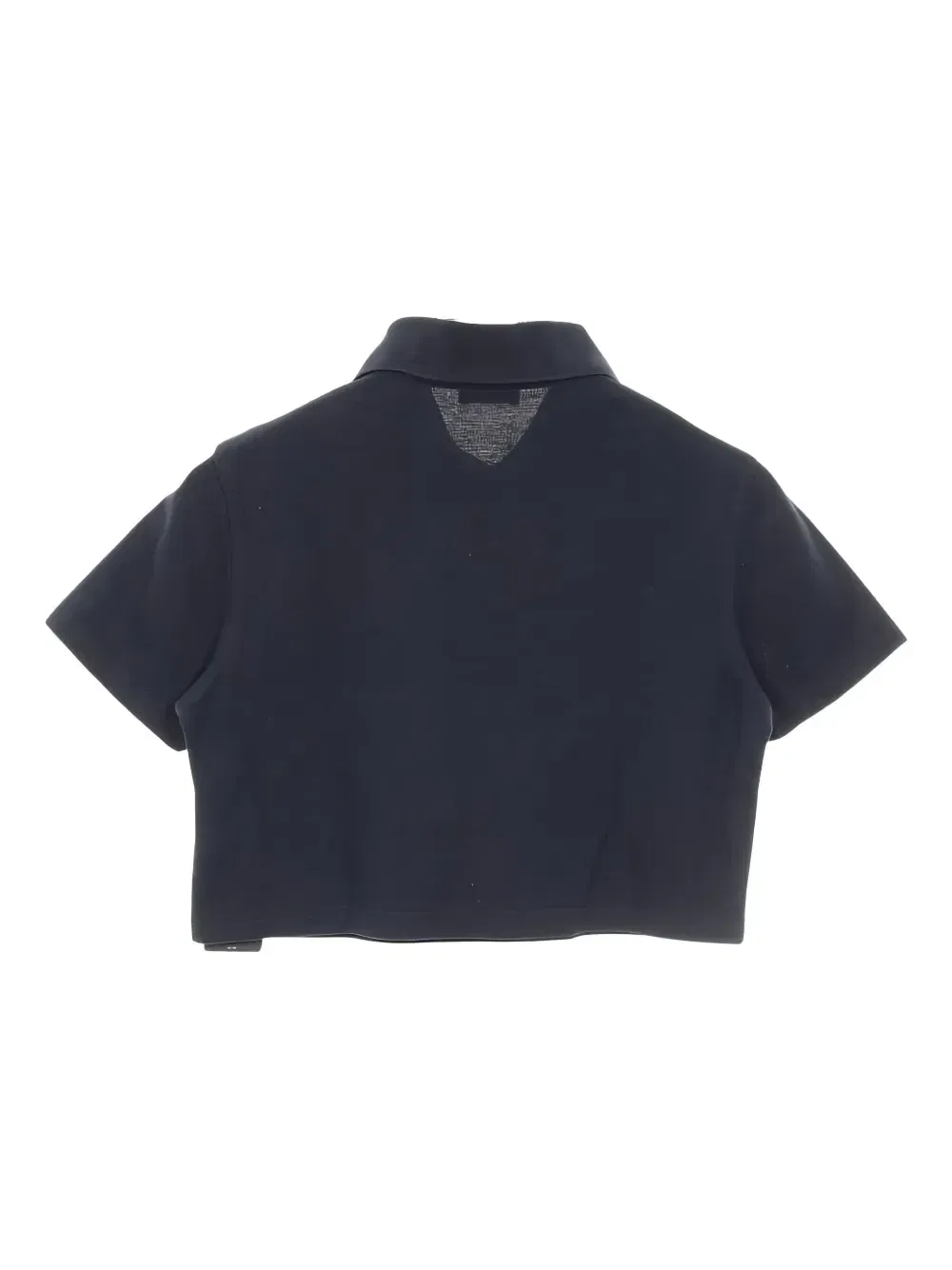
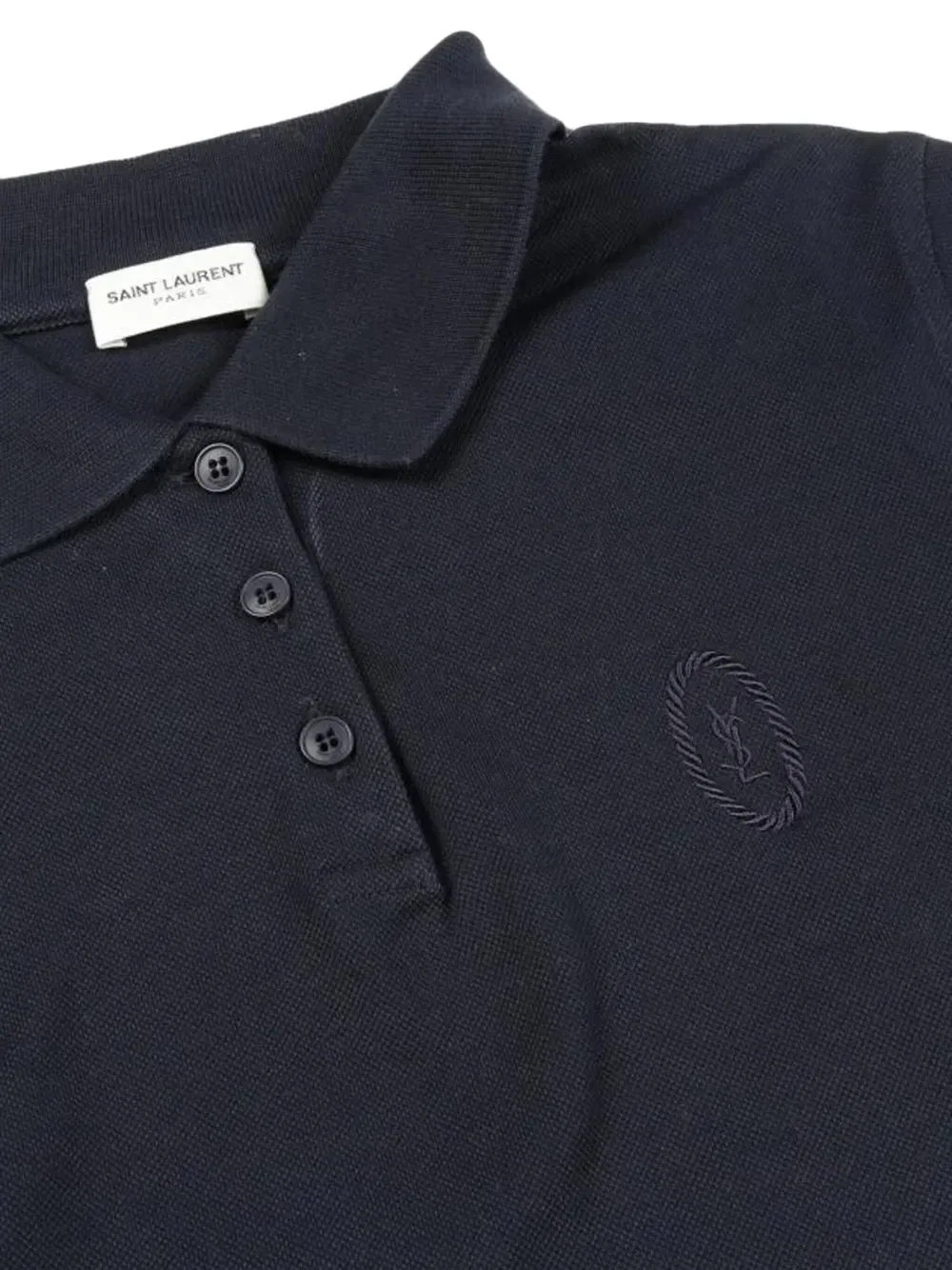


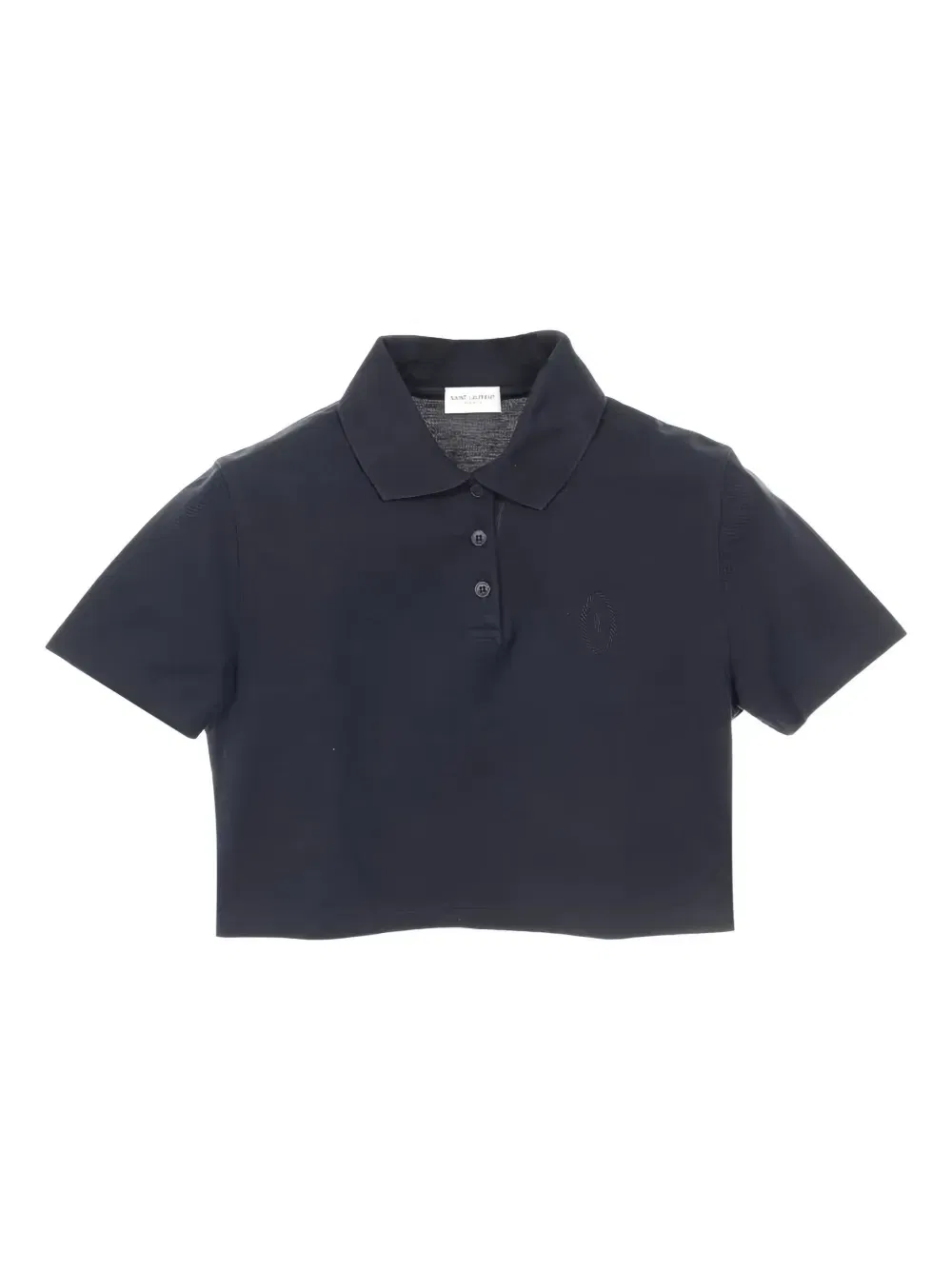
The cotton polo shirt, a staple of casual elegance, emerged as a dominant force in the early 2000s. Its widespread adoption reflected a shift towards relaxed yet refined aesthetics, solidifying its place in the sartorial landscape. The garment's roots trace back to the functional sportswear of the late 19th and early 20th centuries, evolving into a versatile piece for both leisure and social settings.
The 2000s cotton polo shirt serves as a versatile garment, appropriate for a range of occasions. Its breathable cotton fabric makes it suitable for warmer climates and casual activities. The shirt's adaptable nature allows it to be dressed up or down, making it a reliable choice for various social settings, embodying a blend of comfort and style.
The polo shirt's influence in the early 2000s is undeniable, shaping the era's fashion sensibilities. The garment found its place in the cultural zeitgeist. Hip-hop artists, particularly those emerging from the South, embraced the polo shirt, often pairing it with oversized fits and bold accessories, shaping trends in major urban centers. Its influence expanded beyond music into mainstream fashion, with designers incorporating the polo shirt's silhouette into high-fashion collections.
This iteration of the polo shirt is characterized by its cotton fabric, providing a comfortable and breathable experience. The design features a collared neckline, a buttoned placket, and a shirt-tail that is longer in the back, a detail often referred to as a tennis tail. The presence of buttons on the placket adds a touch of classic refinement to the overall construction.