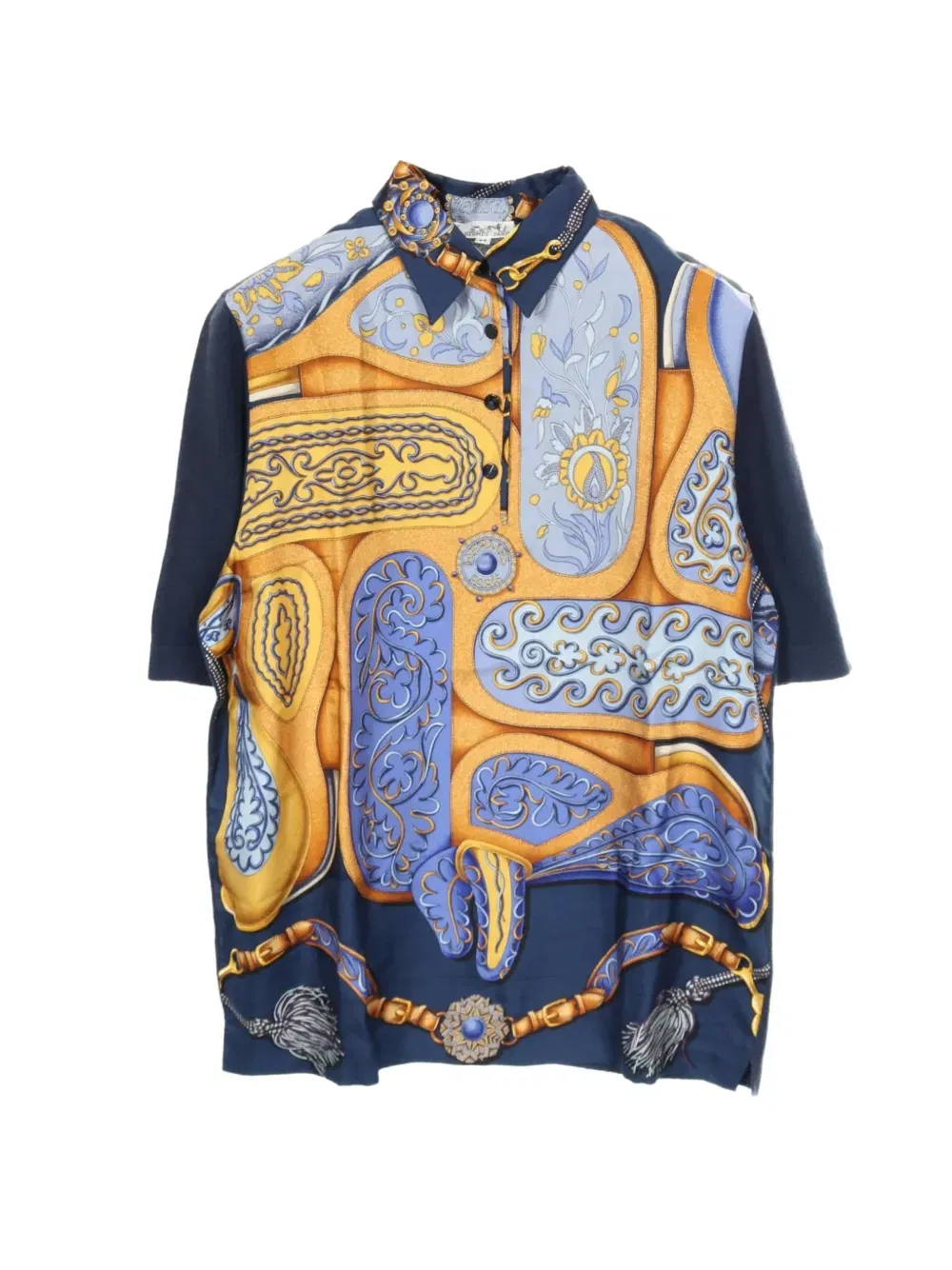

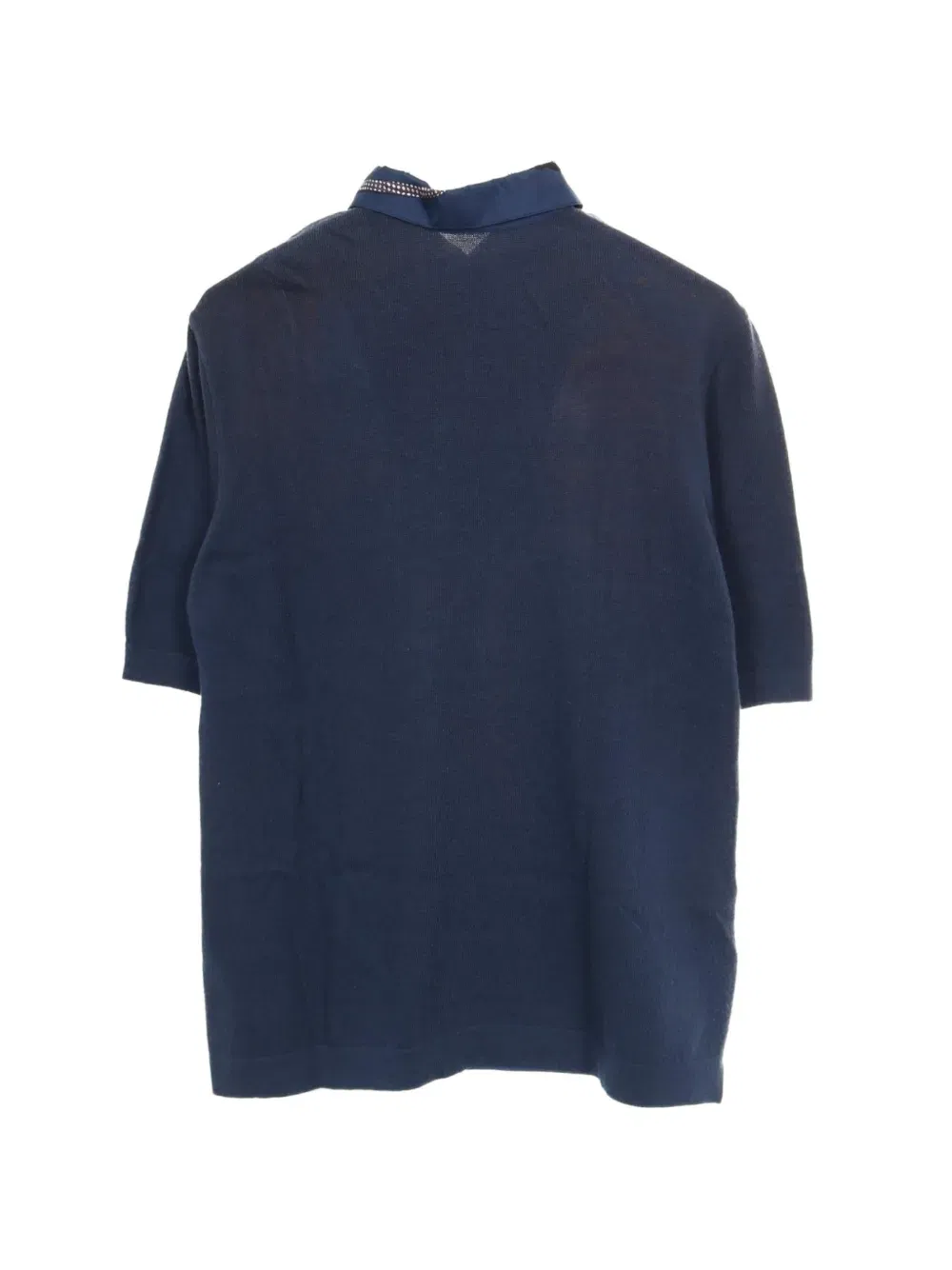
The printed polo shirt, a ubiquitous garment of the early 2000s, emerged as a direct descendant of the classic polo, gaining traction through branding and accessible retail. Its roots are firmly planted in the late 20th century, but it truly blossomed in the new millennium. The style was quickly adopted and adapted by various brands, each vying for dominance in the casual wear market.
The printed polo shirt served as a versatile staple, bridging the gap between casual and semi-formal attire. It was readily adaptable, lending itself to a multitude of settings, from weekend outings to more relaxed workplace environments. The inherent breathability and comfort of the fabrics, along with the adaptable style, solidified its place as a wardrobe essential for a broad demographic.
The 2000s printed polo shirt's influence is undeniable, having permeated various facets of culture. The shirt's prominence in pop culture is seen through its branding and accessible retail. The era's celebrities and trendsetters embraced the style, solidifying its status as a signifier of the times. Its enduring legacy is a testament to its design and cultural resonance.
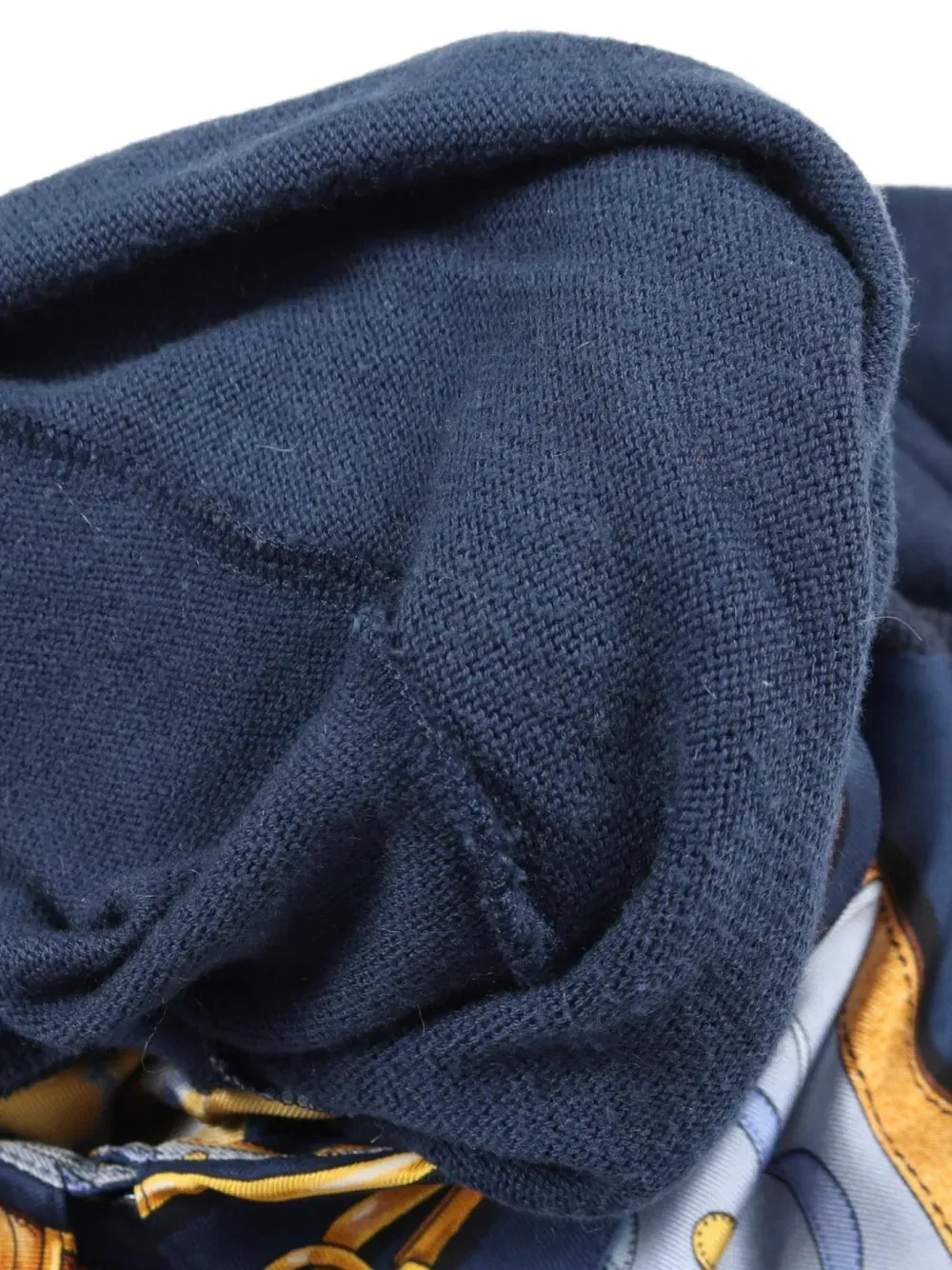
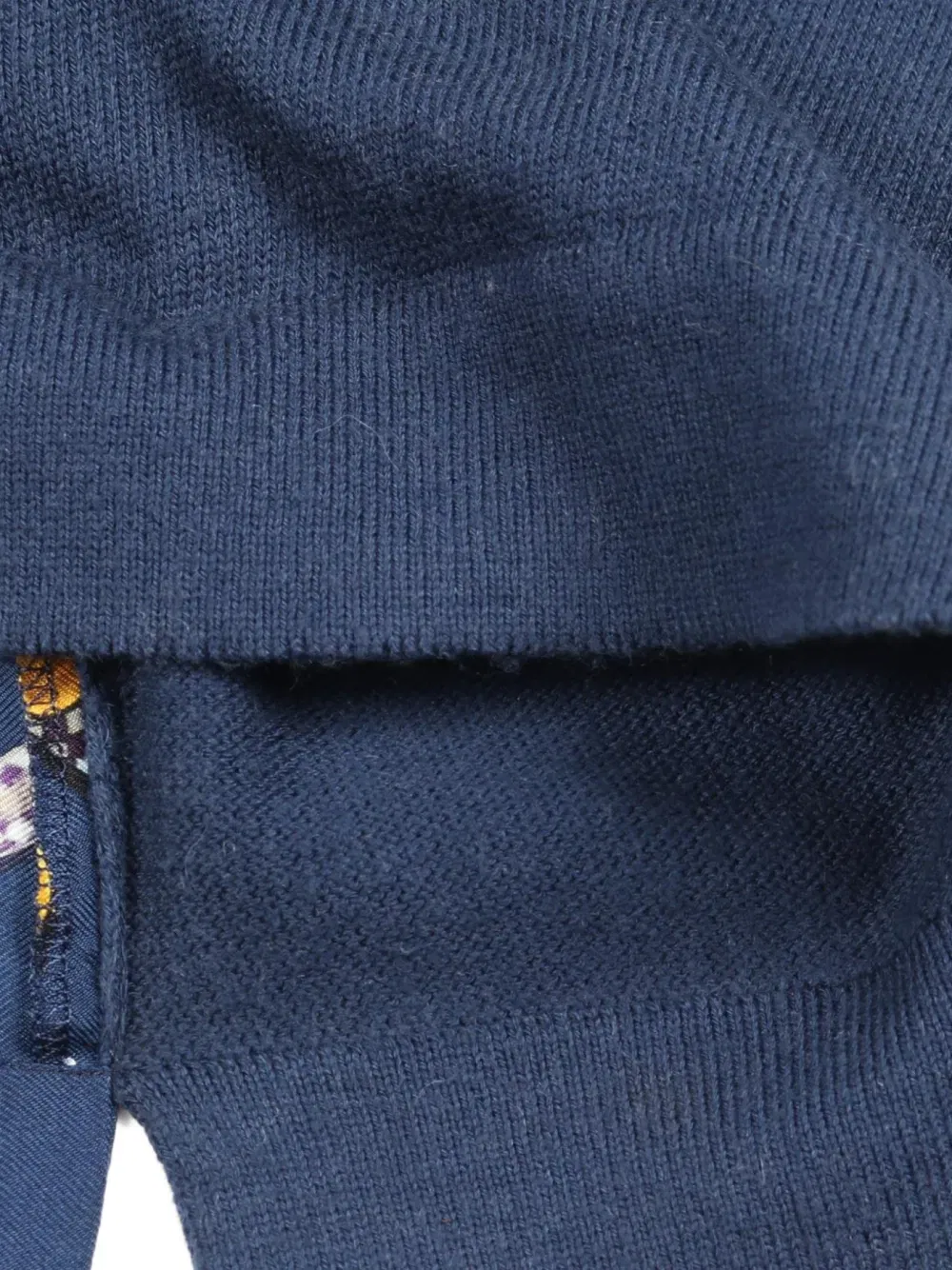
These shirts were often crafted from cotton, polyester, or blends, with the knit fabric being the cornerstone of their construction. The signature piqué knit, with its textured surface, was a favored choice, alongside the smoother jersey knit. Distinctive features included a collared neckline, a placket secured by buttons, and rib-knit detailing on the collar and cuffs, establishing a consistent aesthetic.