
Certificate of
Authenticity
Authenticity
0
Try on
View authenticity certificate

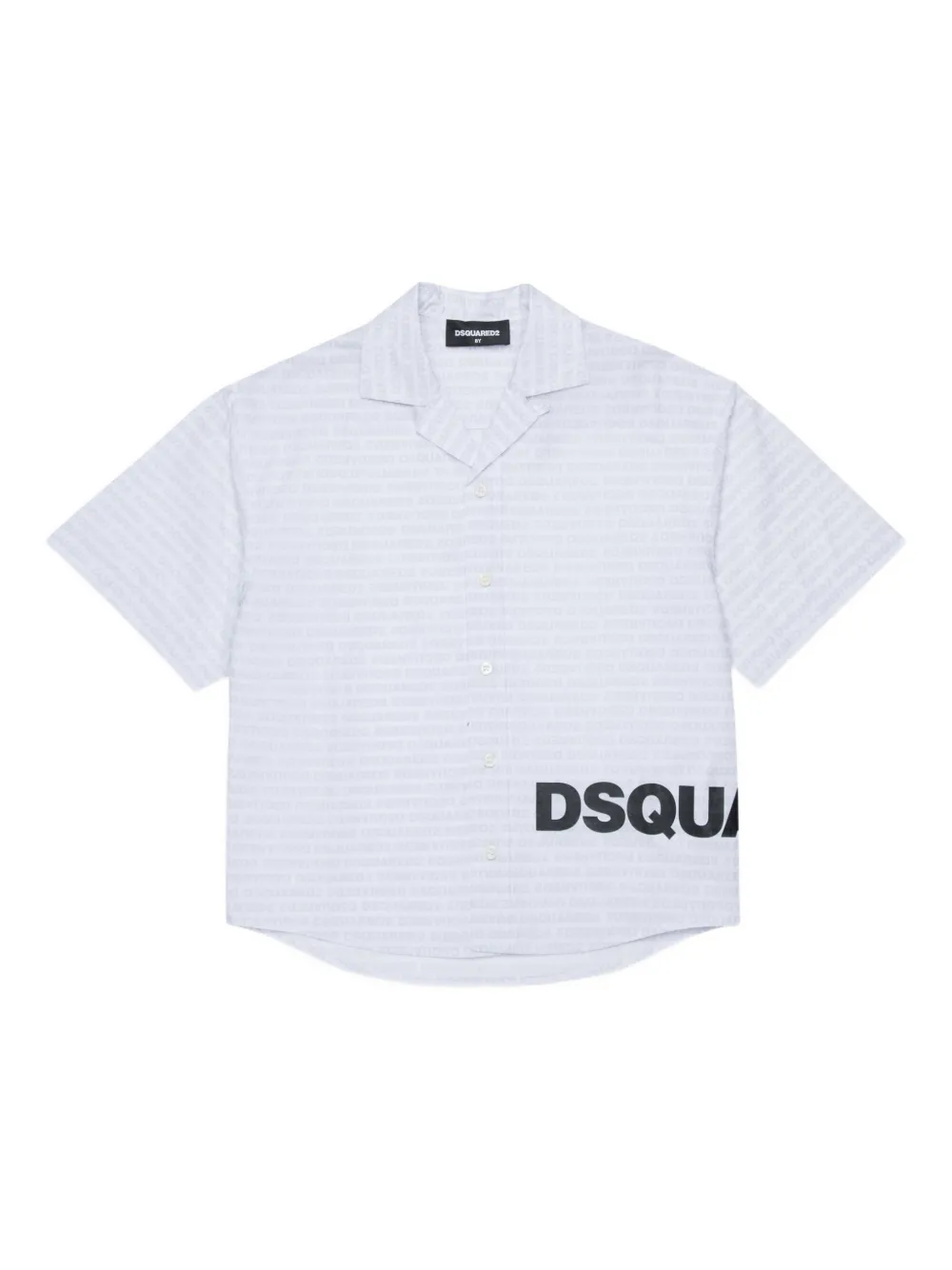
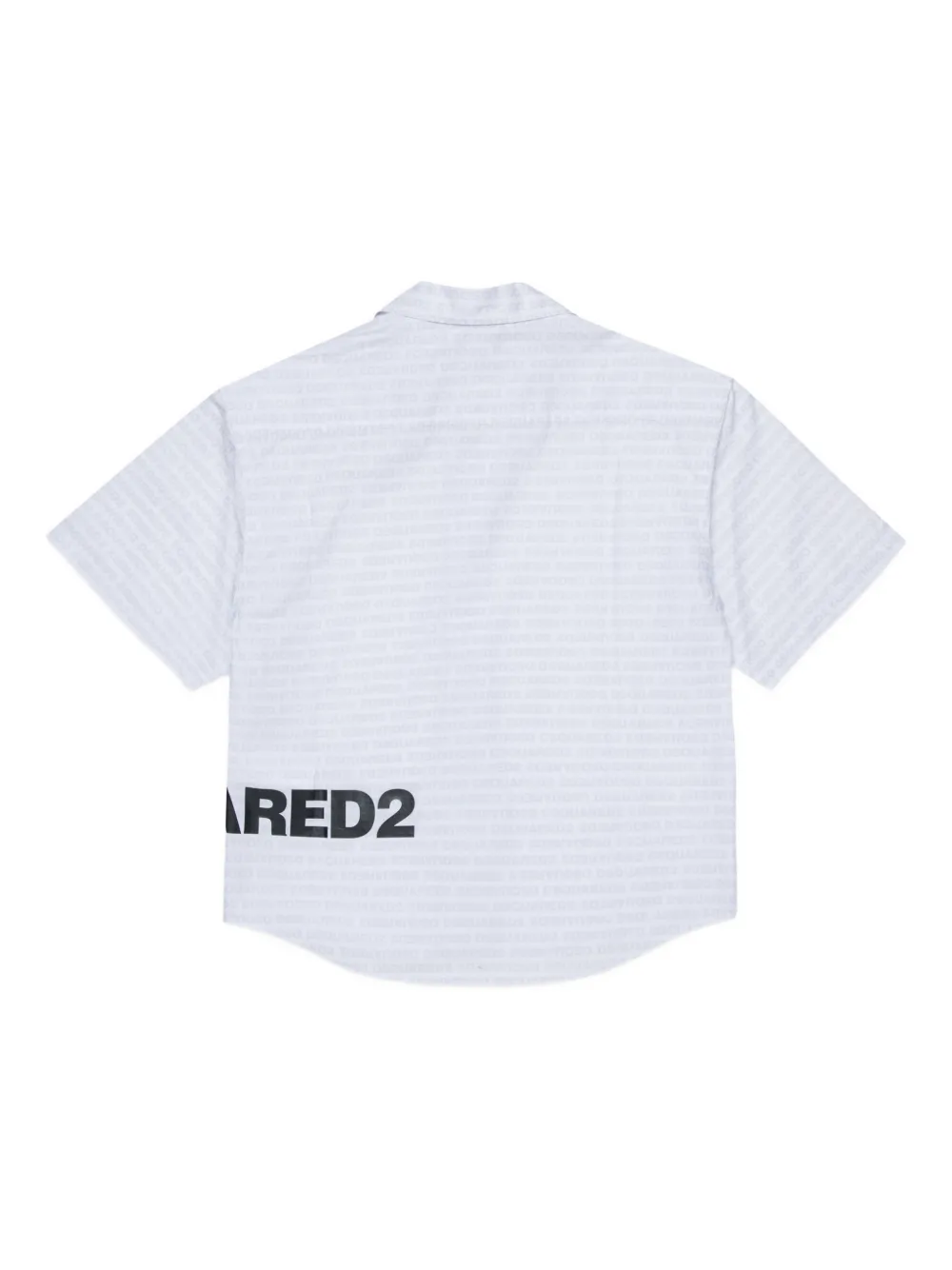
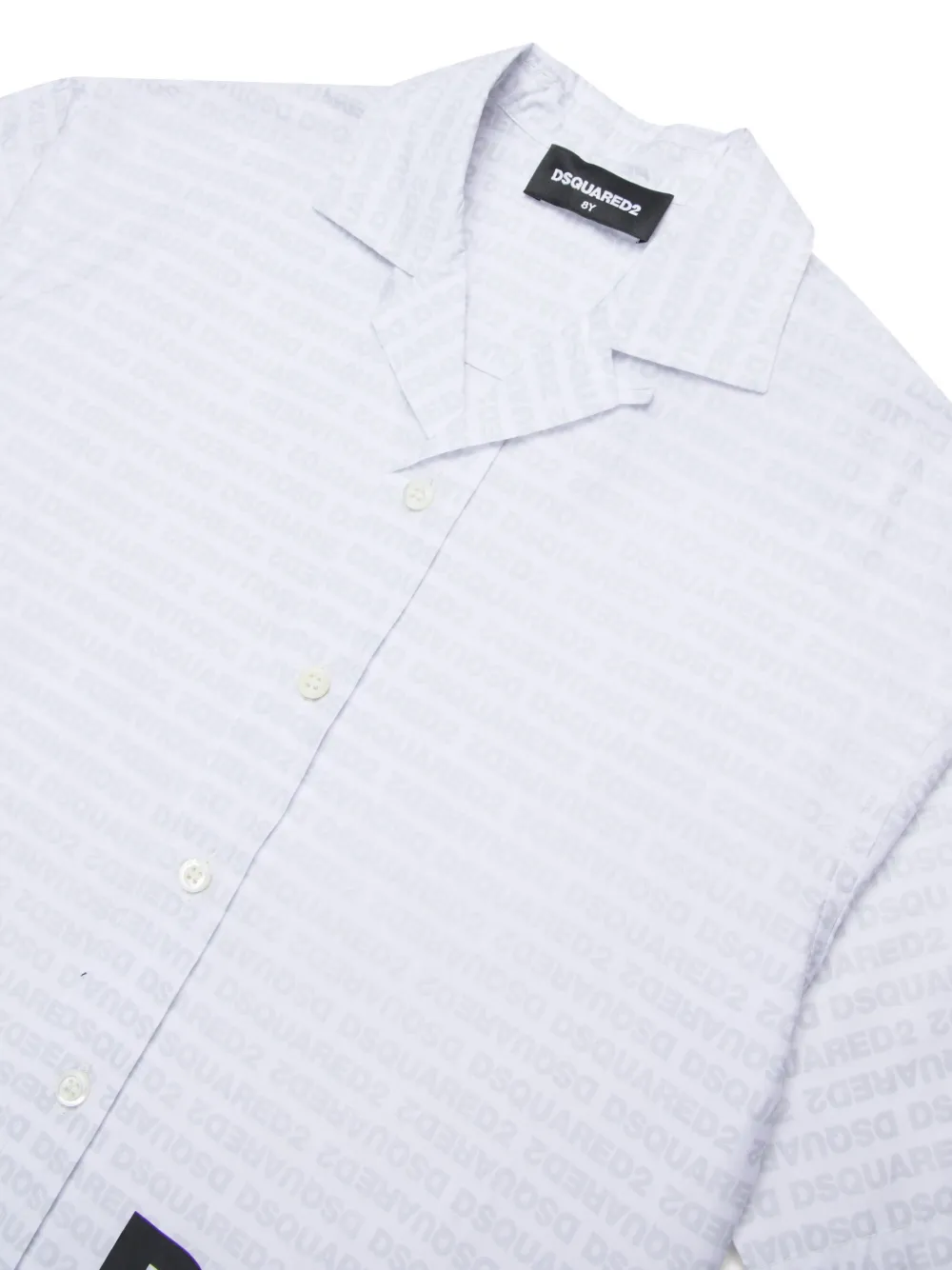
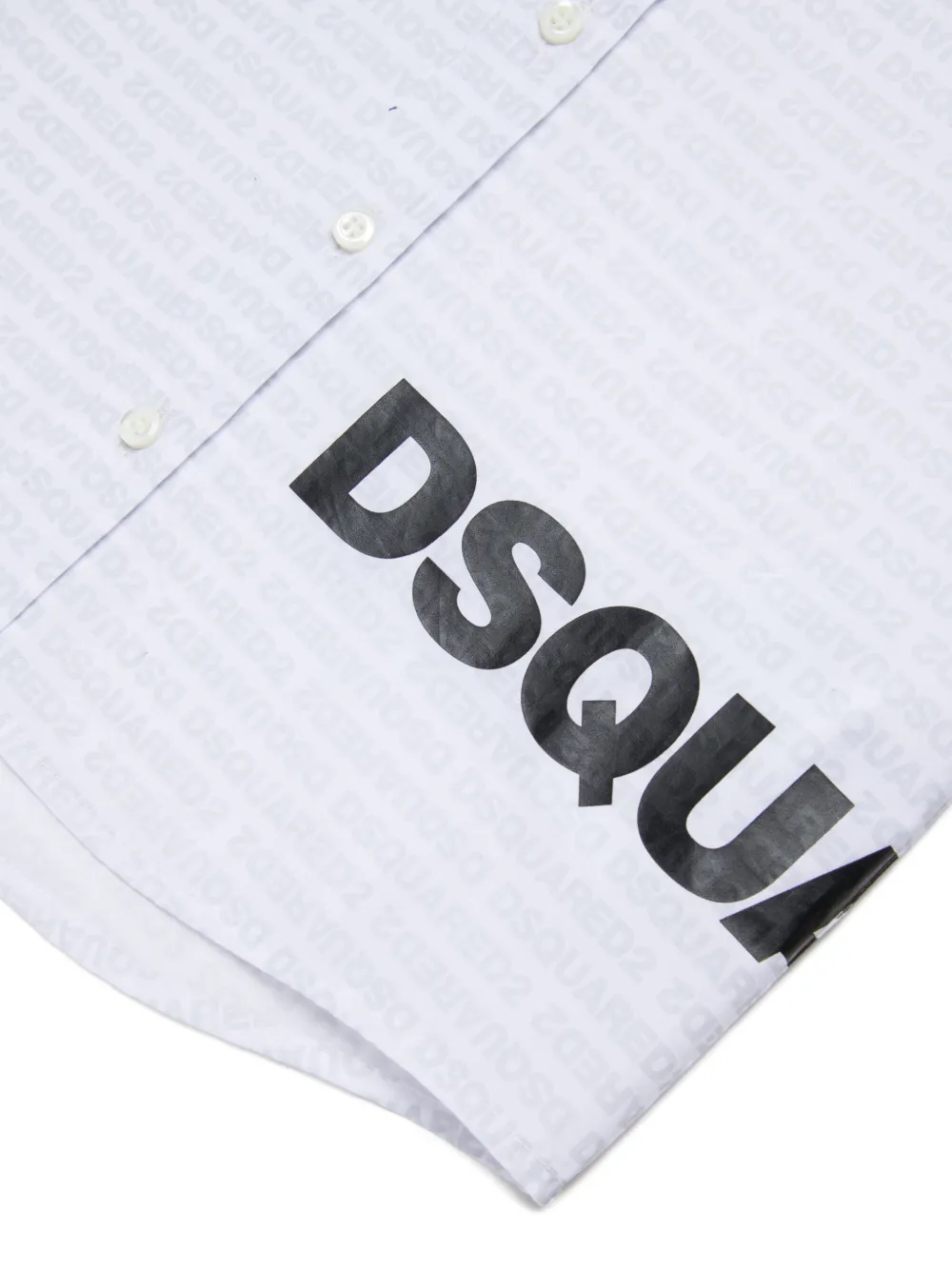
buttoned print shirt
buttoned print shirt
DELIVERY AND AUTHENTICATION

Includes Authentication Certificate
by Checkcheck global standards
Culture Note™
The buttoned print shirt, a garment of considerable versatility, traces its lineage to the functional needs of early garment design. Its origins are firmly rooted in the necessity for adaptable clothing, evolving from simpler forms to incorporate both practicality and aesthetic appeal. The shirt's fundamental design, incorporating buttons and printed designs, allowed for diverse applications across various social strata.
The buttoned print shirt serves a dual purpose: providing fundamental protection while also acting as a canvas for self-expression. Its utility is evident in its adaptability, suited to both casual and semi-formal contexts. The garment's design allows for ease of wear and styling, bridging the gap between comfort and aesthetic presentation, making it a ubiquitous item.
The influence of the buttoned print shirt is widespread, though concrete sightings are absent from the provided data. This garment has nonetheless permeated various subcultures, influencing styles from the relaxed to the highly curated. Its adaptability has made it a favorite among creatives, often seen in the art scenes of the late 20th century. The shirt's enduring appeal in various social contexts underscores its lasting significance.
The construction of the buttoned print shirt is defined by its core elements: a fabric base, typically woven or knitted, and the integration of button closures. The presence of buttonholes dictates a precise manufacturing process, ensuring both functionality and visual symmetry. Prints, applied through various methods, add layers of complexity, transforming the shirt from a basic garment into a statement piece.
Most asked questions
How we always
Guarantee the best prices?

Luxury marketplace
In luxury marketplaces, prices depend on demand — less popular items sell below retail.
.svg)
Competition between sellers
Our 5,000+ verified sellers compete with each other, giving you the lowest prices.
.svg)
Price comparison
We show you price comparisons across sellers so you always get better deals.
.svg)
Helping sellers, helping you
We help sellers buy smarter inventory, so they can offer you better prices.
Loading…