
Certificate of
Authenticity
Authenticity
0
Try on
View authenticity certificate

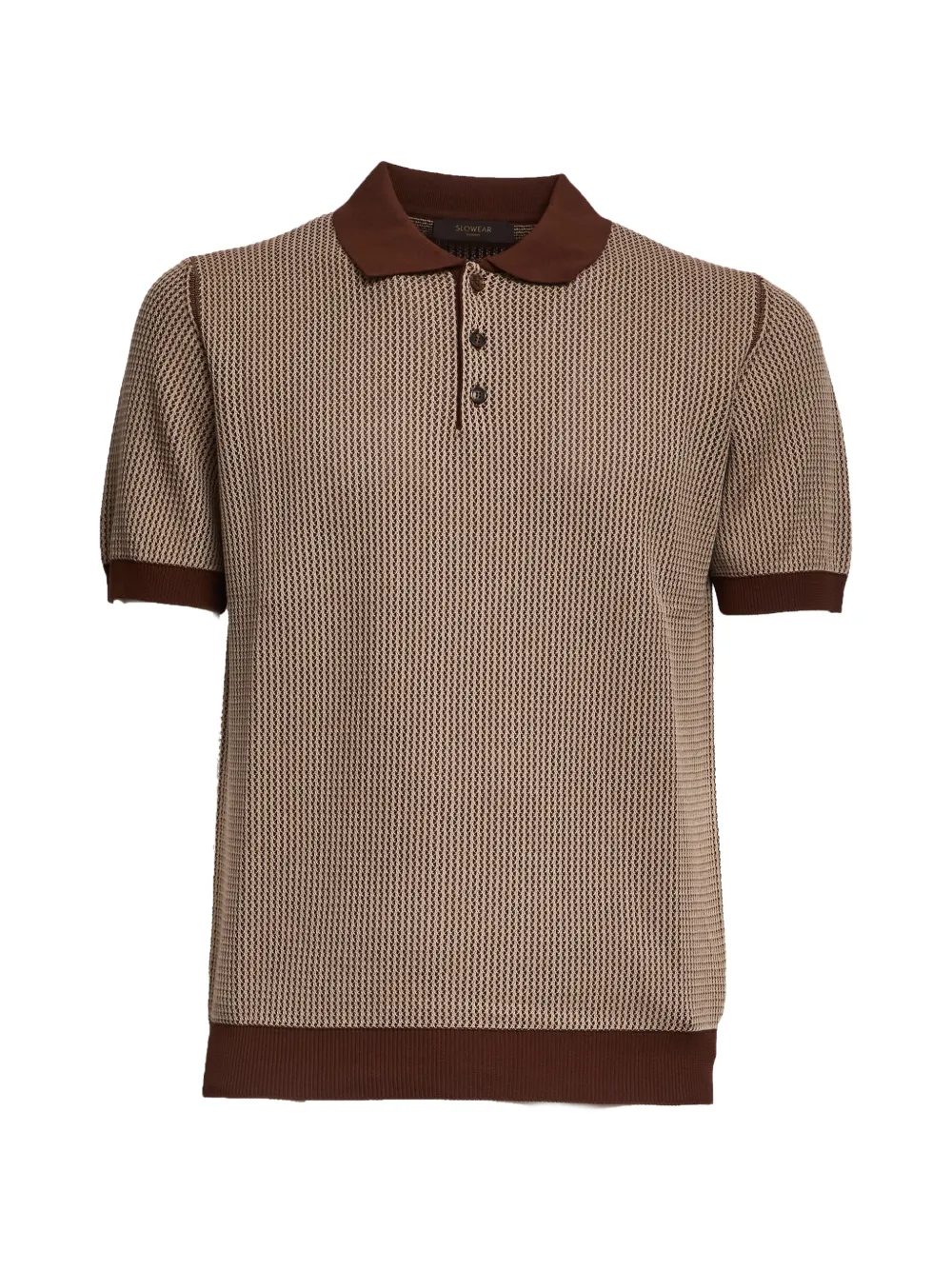
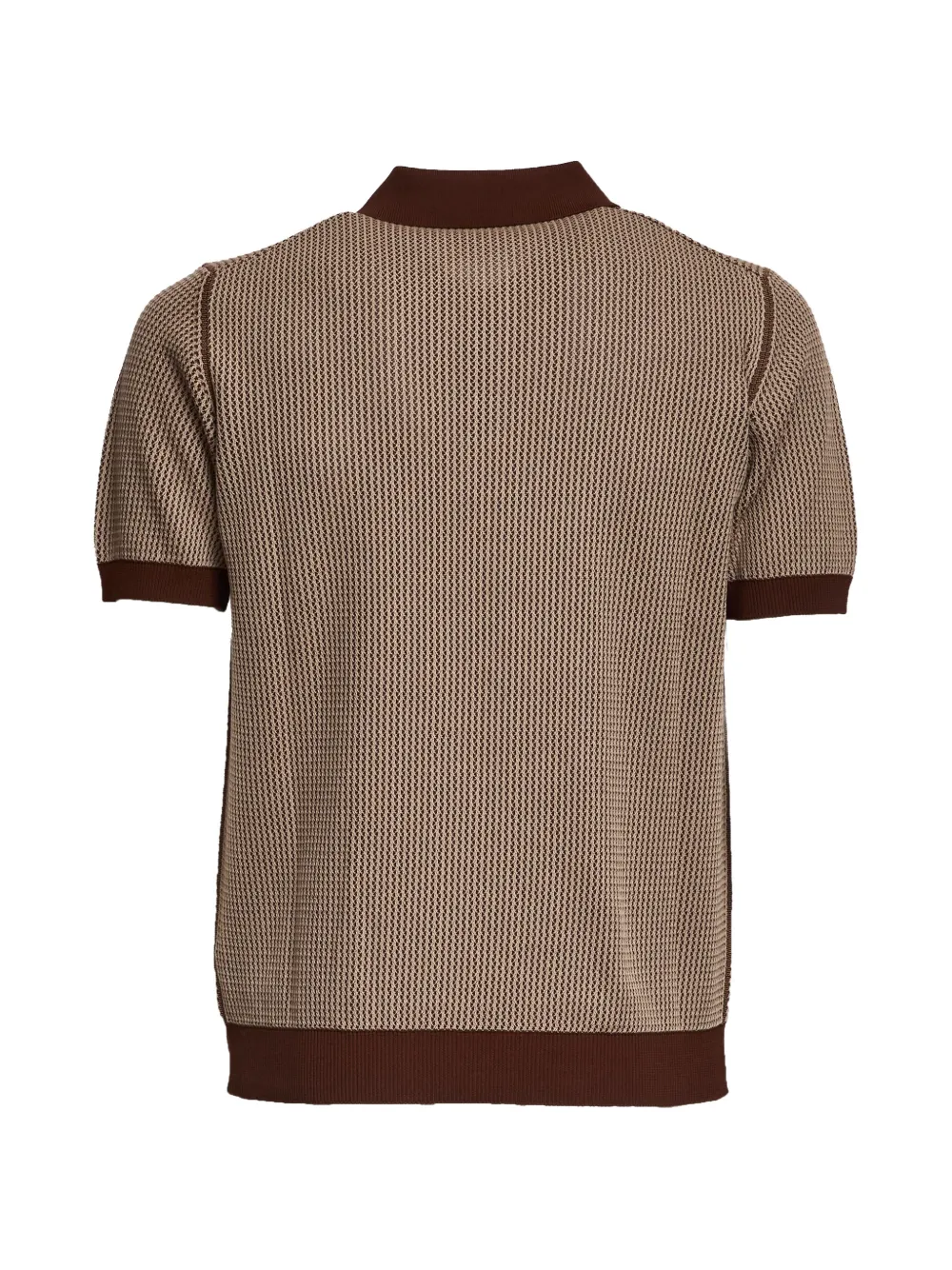
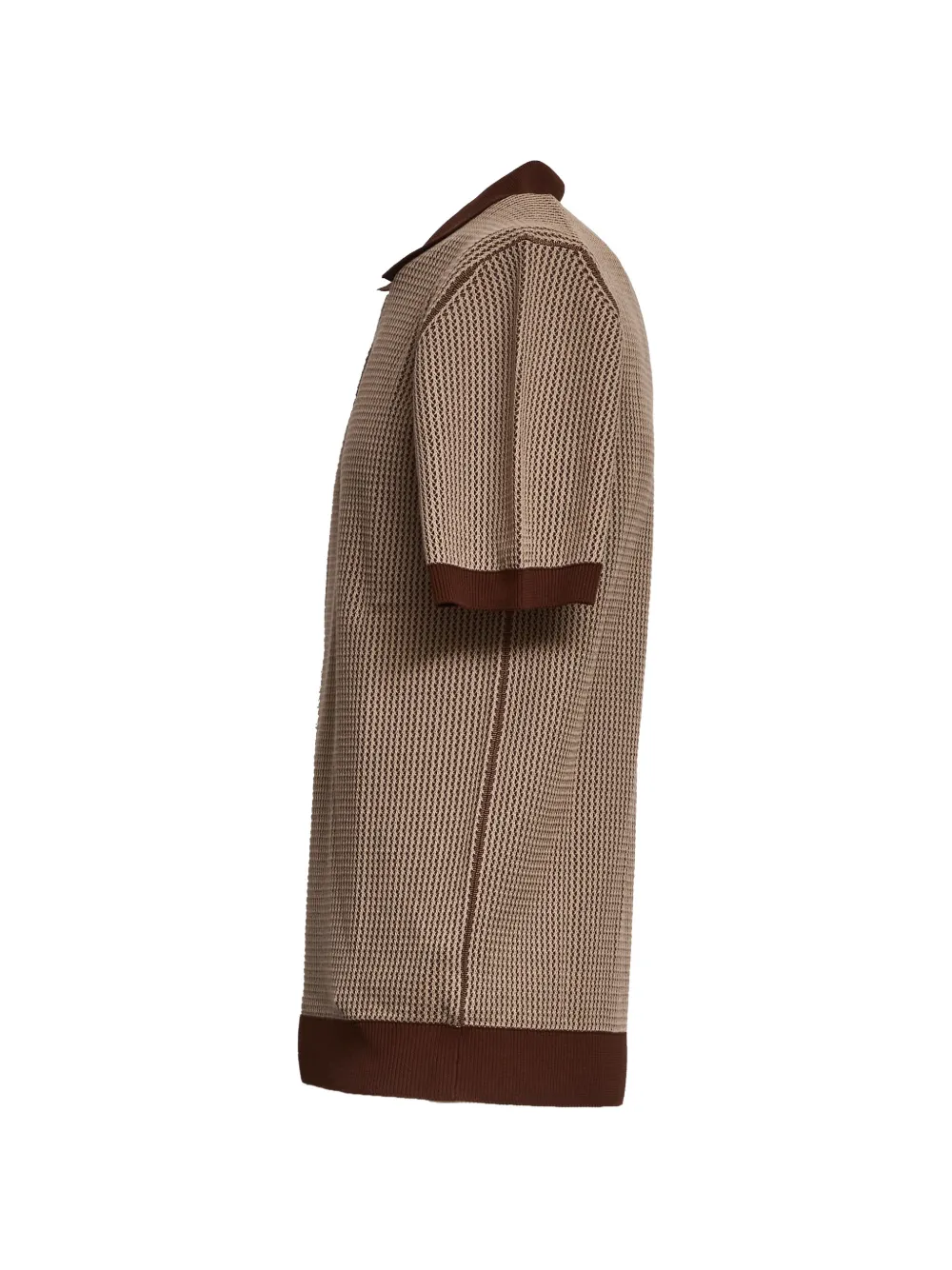
contrast polo shirt
contrast polo shirt
DELIVERY AND AUTHENTICATION

Includes Authentication Certificate
by Checkcheck global standards
Culture Note™
The contrast polo shirt, a garment of understated elegance, emerged from the desire for a more refined athletic uniform. Its roots lie in the late 19th century, evolving from the heavier, long-sleeved shirts worn by polo players. This evolution facilitated greater freedom of movement and breathability, crucial for the demands of the sport.
Primarily designed for both athletic pursuits and casual wear, the contrast polo shirt seamlessly transitions across contexts. Its breathable fabrics and tailored fit make it ideal for sports, while its clean lines and contrasting details lend themselves to a more polished aesthetic. The shirt's versatility allows it to be paired with various bottoms, from tailored trousers to casual shorts, rendering it a staple in any well-curated wardrobe.
The contrast polo shirt's influence is undeniable, having permeated diverse cultural spheres. Within the realm of high fashion, designers such as Ralph Lauren have championed the polo shirt, elevating it to a symbol of preppy sophistication, especially during the 1970s. Moreover, the contrast polo shirt has been embraced by various subcultures, from the mod scene, where the clean lines and contrasting details complemented the era's sharp aesthetic, to the hip-hop movement, where the polo shirt was adopted as a symbol of status and style.
The contrast polo shirt is meticulously crafted, often from cotton, polyester, or a blend, offering a balance of comfort and durability. Key features include a 3-button placket, a structured piqué knit, and contrast trim along the collar and sleeves. Additional details, such as a split hem with side vents and reinforced stitching, further enhance the shirt's refined construction and longevity.
Most asked questions
How we always
Guarantee the best prices?

Luxury marketplace
In luxury marketplaces, prices depend on demand — less popular items sell below retail.
.svg)
Competition between sellers
Our 5,000+ verified sellers compete with each other, giving you the lowest prices.
.svg)
Price comparison
We show you price comparisons across sellers so you always get better deals.
.svg)
Helping sellers, helping you
We help sellers buy smarter inventory, so they can offer you better prices.
Loading…