
Certificate of
Authenticity
Authenticity
0
Try on
View authenticity certificate

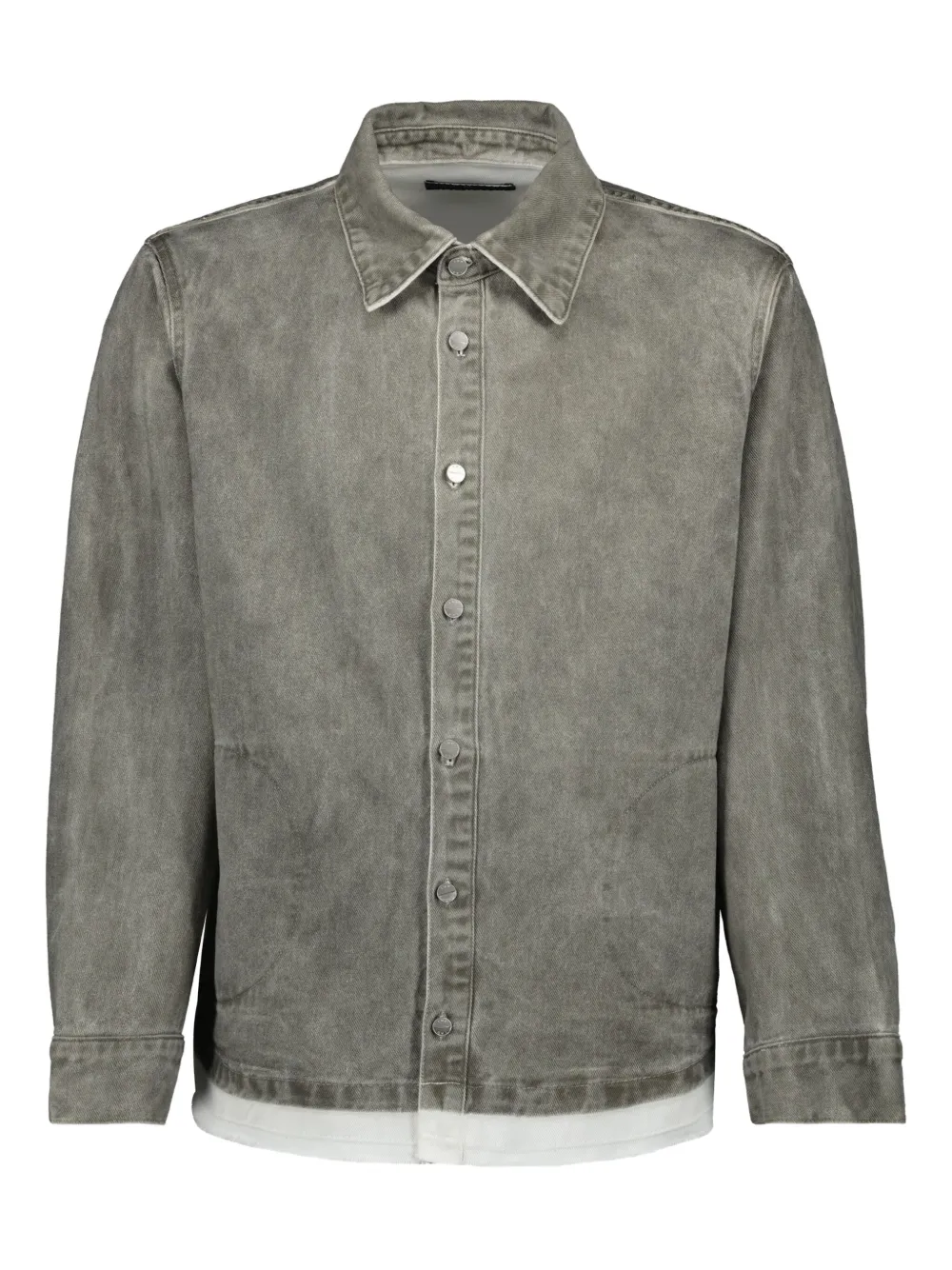
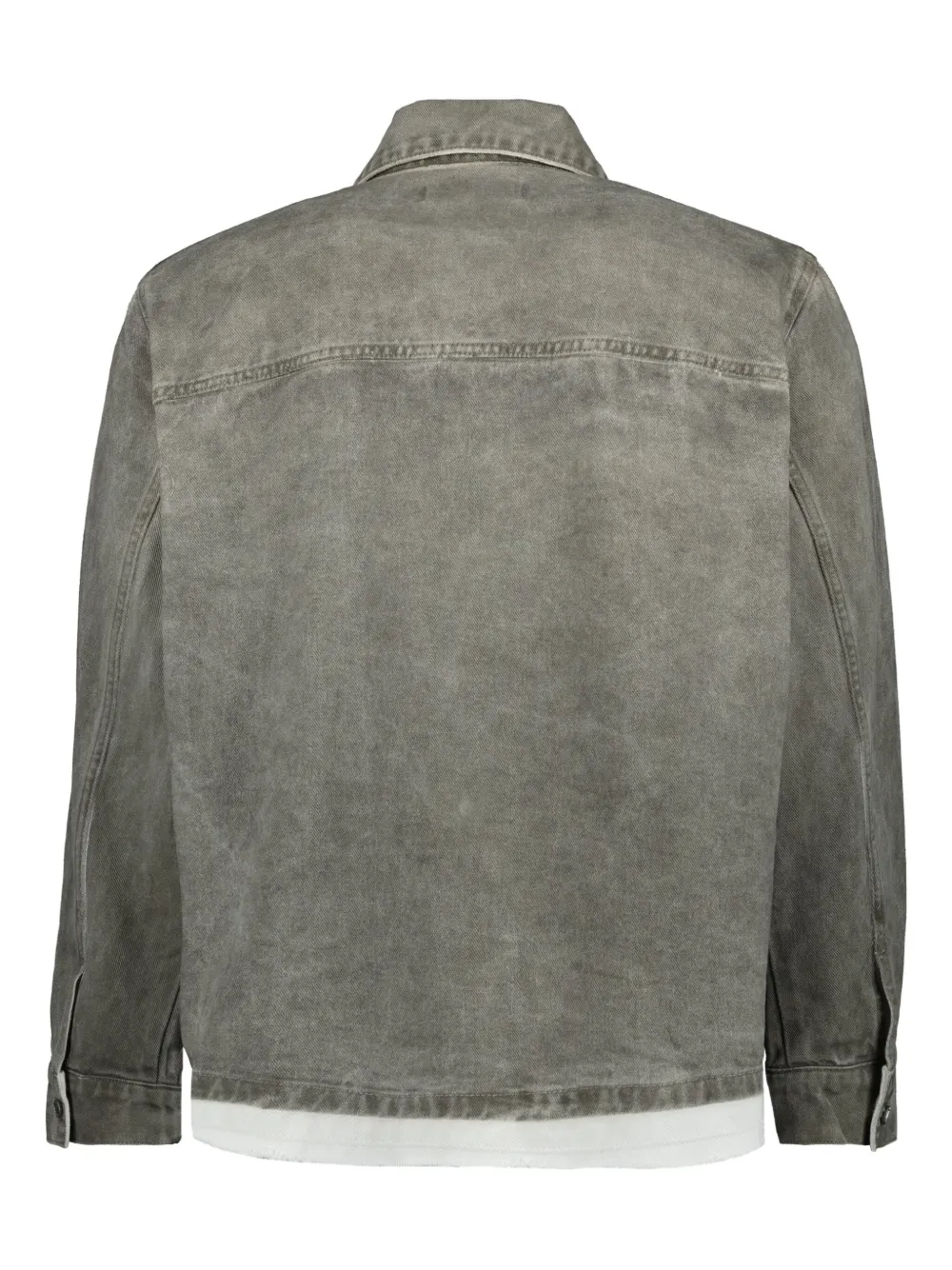
cotton denim shirt
cotton denim shirt
DELIVERY AND AUTHENTICATION

Includes Authentication Certificate
by Checkcheck global standards
Culture Note™
The cotton denim shirt, a garment of utilitarian origins, emerged from the necessity for durable workwear. Its roots lie firmly in the American West, where it was initially embraced by laborers seeking robust protection from the elements. This shirt’s evolution showcases a transition from practical necessity to a staple of global style.
The cotton denim shirt serves as a versatile garment, adaptable to various climates and social settings. It provides both protection and style, functioning as a standalone top or a layering piece. Its ability to be dressed up or down has solidified its place as a cornerstone of casual and semi-formal wardrobes globally.
The cotton denim shirt has undeniably permeated global fashion. Its influence is evident in the wardrobes of countless individuals across different social strata. The shirt, a symbol of rebellion and counter-culture, was embraced by figures like James Dean, whose iconic image in the 1950s solidified its place in the pantheon of cool. Furthermore, the denim shirt's adaptability saw it become a canvas for self-expression, as seen in various youth movements, solidifying its place in cultural history.
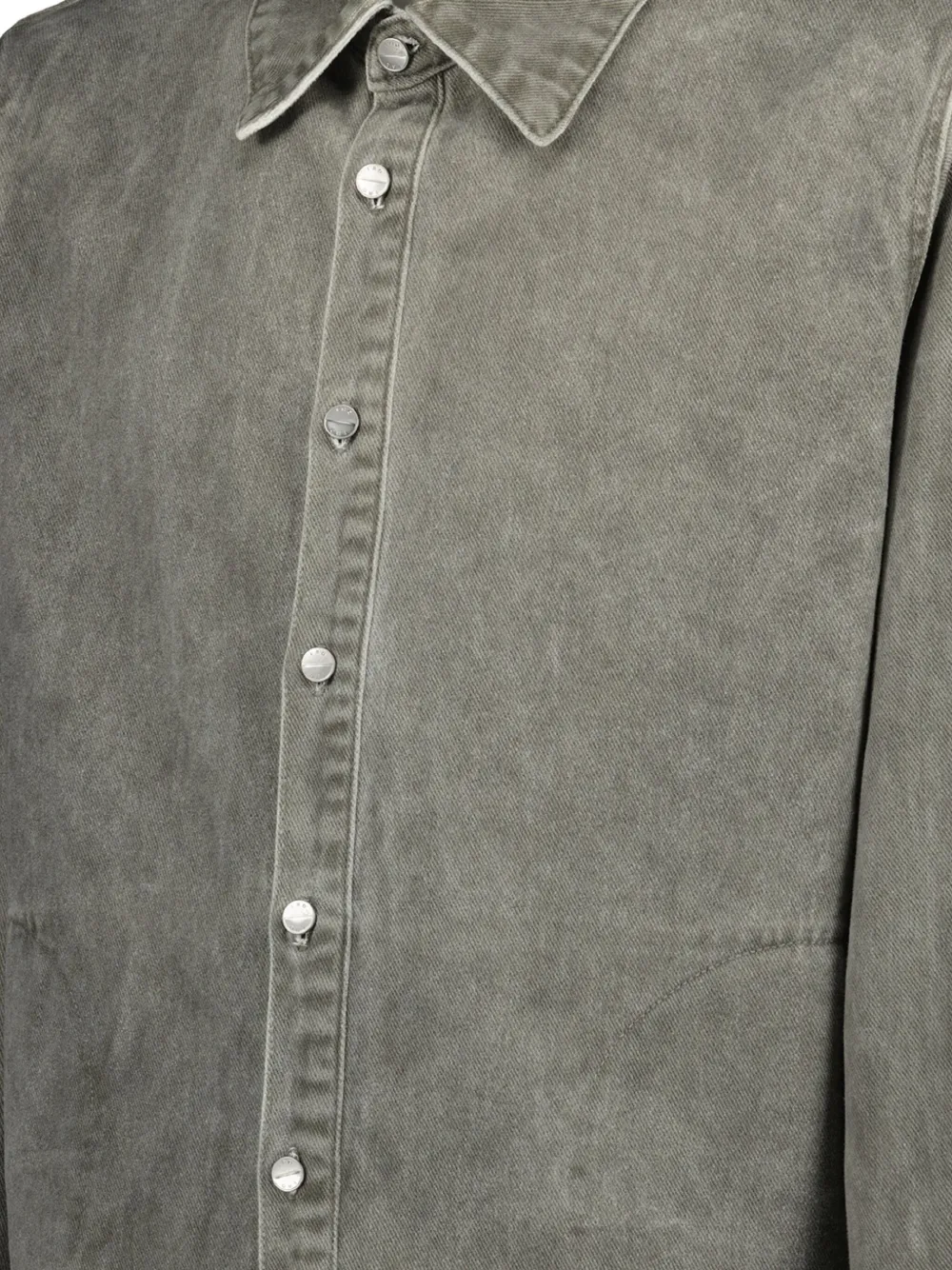
The construction of the cotton denim shirt is defined by its robust denim fabric, typically woven from cotton. The weave creates a sturdy textile capable of withstanding significant wear and tear. Reinforced stitching, often employing bar tacks at stress points, ensures the shirt's longevity, and the details include metal buttons and double-needle stitching.
Most asked questions
How we always
Guarantee the best prices?

Luxury marketplace
In luxury marketplaces, prices depend on demand — less popular items sell below retail.
.svg)
Competition between sellers
Our 5,000+ verified sellers compete with each other, giving you the lowest prices.
.svg)
Price comparison
We show you price comparisons across sellers so you always get better deals.
.svg)
Helping sellers, helping you
We help sellers buy smarter inventory, so they can offer you better prices.
Loading…