
Certificate of
Authenticity
Authenticity
0
Try on
View authenticity certificate

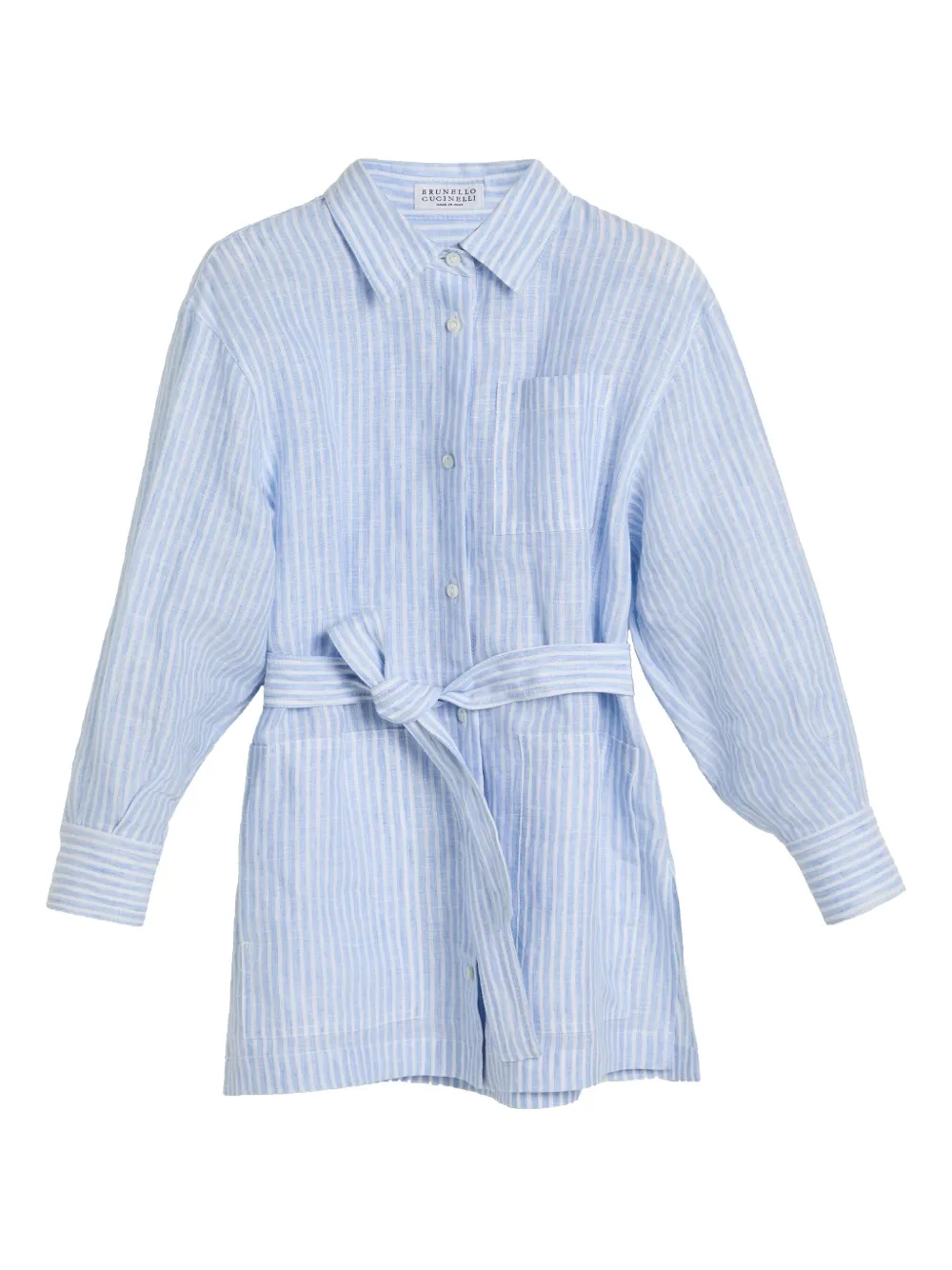
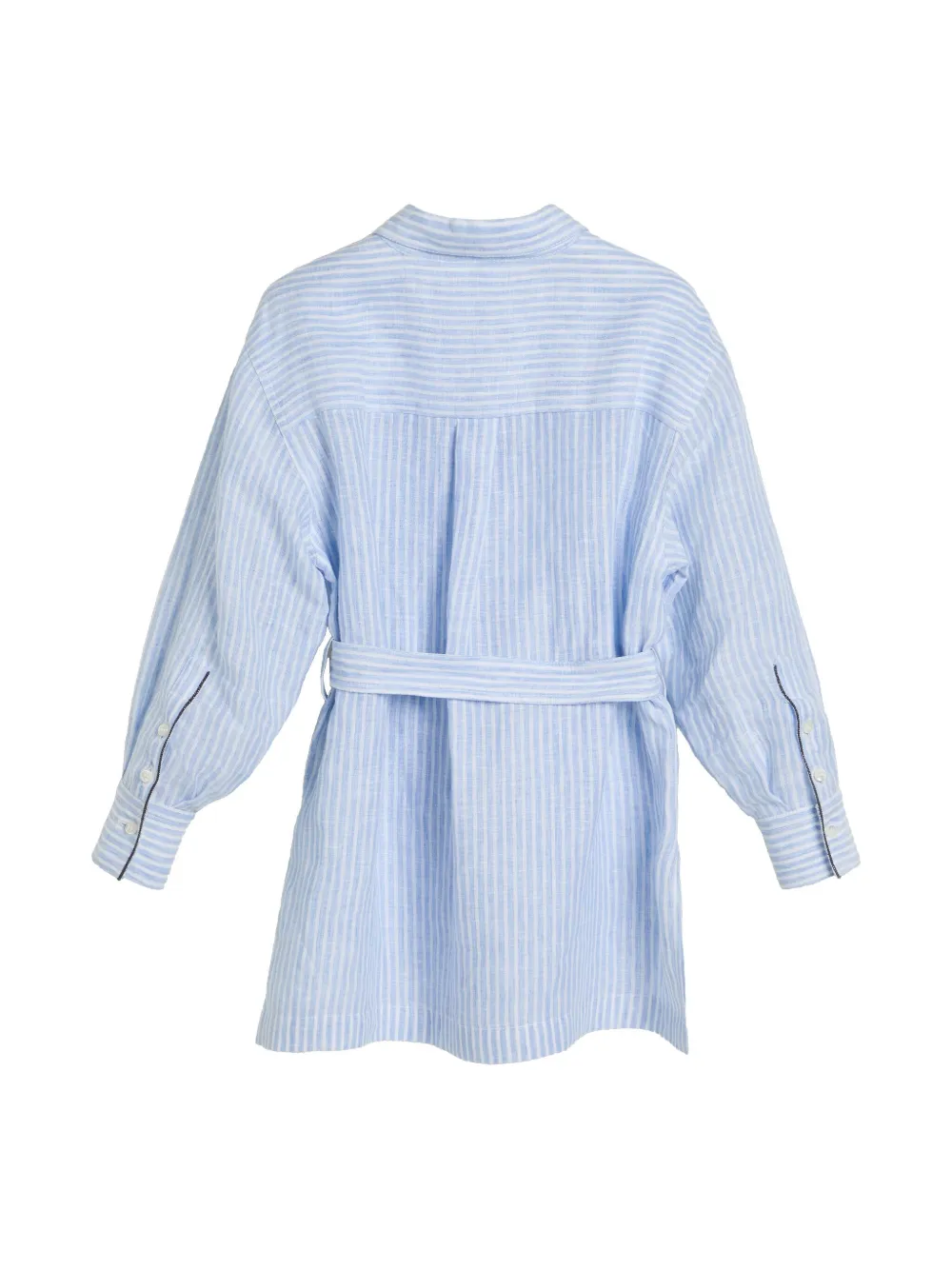
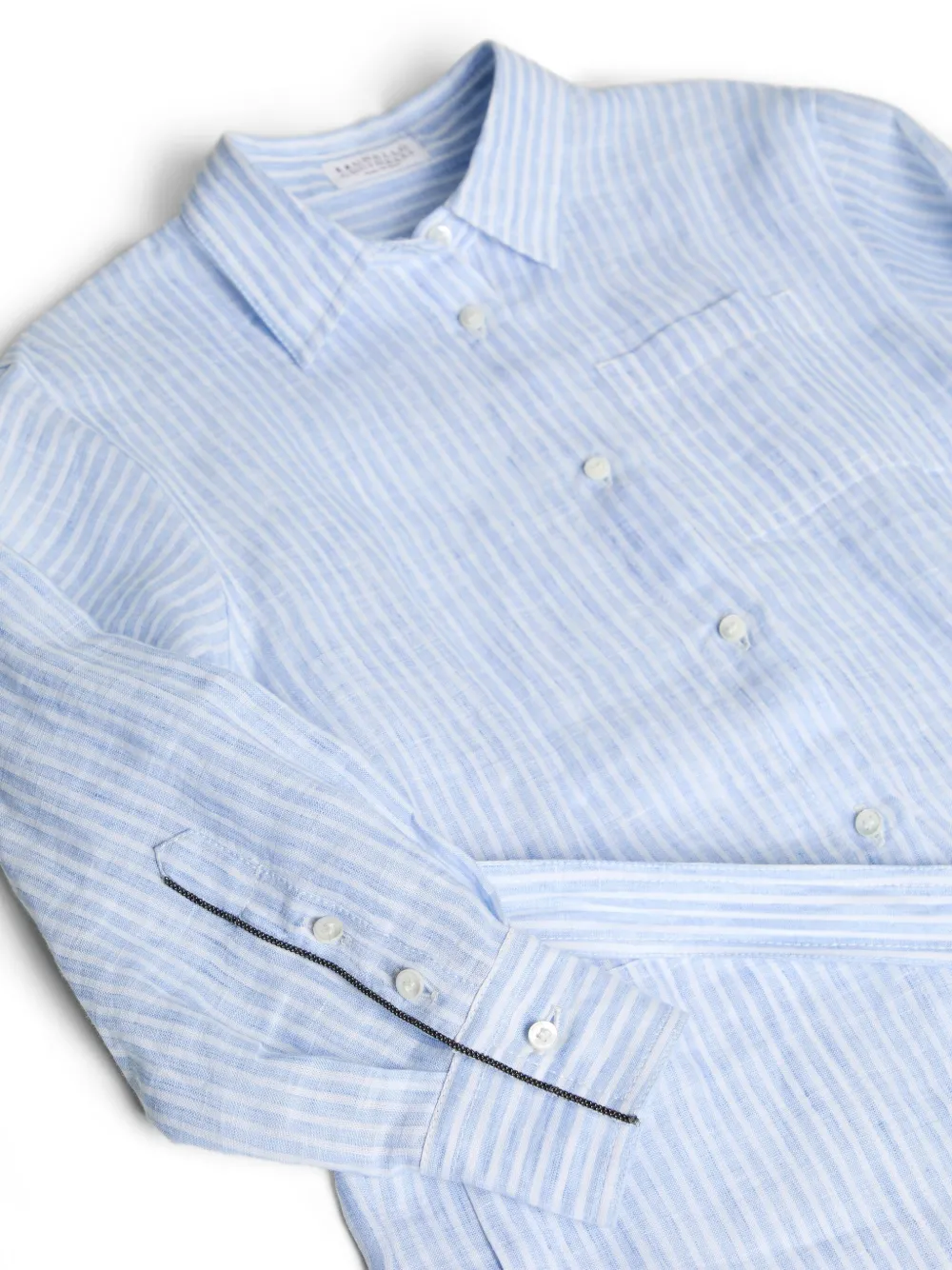
long belted shirt
long belted shirt
DELIVERY AND AUTHENTICATION

Includes Authentication Certificate
by Checkcheck global standards
Culture Note™
The genesis of the long belted shirt, though lacking a singular origin point, is rooted in the evolution of practical garments. Its lineage traces back to the utilitarian shirt, a staple of workwear, subtly transformed through the addition of a belt, which allowed for a more defined silhouette. This adaptation reflects a broader societal shift towards garments that blended function and form, a trend that continues to evolve.
The long belted shirt serves as a versatile garment, adaptable to diverse settings and styles. Its functionality extends from casual wear to more formal occasions, depending on the fabric and detailing. The design allows for a spectrum of styling options, from a relaxed, open silhouette to a more tailored, cinched fit, providing wearers with a garment that is both practical and fashionable.
The long belted shirt has influenced fashion through its adaptability and enduring appeal, particularly among those who value both style and practicality. The garment has become a canvas for designers to experiment with fabrics, prints, and silhouettes. Its popularity is evident in its widespread adoption, appearing in various collections, solidifying its status as a timeless piece.
The long belted shirt's construction is characterized by its versatility, with a wide array of fabrics and detailing. Fabrics range from the crispness of 100% cotton shirting to blends incorporating silk or polyester. Various construction details, such as traditional shirt collars, button-up fronts, and pockets, contribute to its enduring appeal. The inclusion of a belt, whether a matching fabric or a more elaborate design, cinches the waist, allowing for a defined silhouette.
Most asked questions
How we always
Guarantee the best prices?

Luxury marketplace
In luxury marketplaces, prices depend on demand — less popular items sell below retail.
.svg)
Competition between sellers
Our 5,000+ verified sellers compete with each other, giving you the lowest prices.
.svg)
Price comparison
We show you price comparisons across sellers so you always get better deals.
.svg)
Helping sellers, helping you
We help sellers buy smarter inventory, so they can offer you better prices.
Loading…