
Certificate of
Authenticity
Authenticity
0
Try on
View authenticity certificate

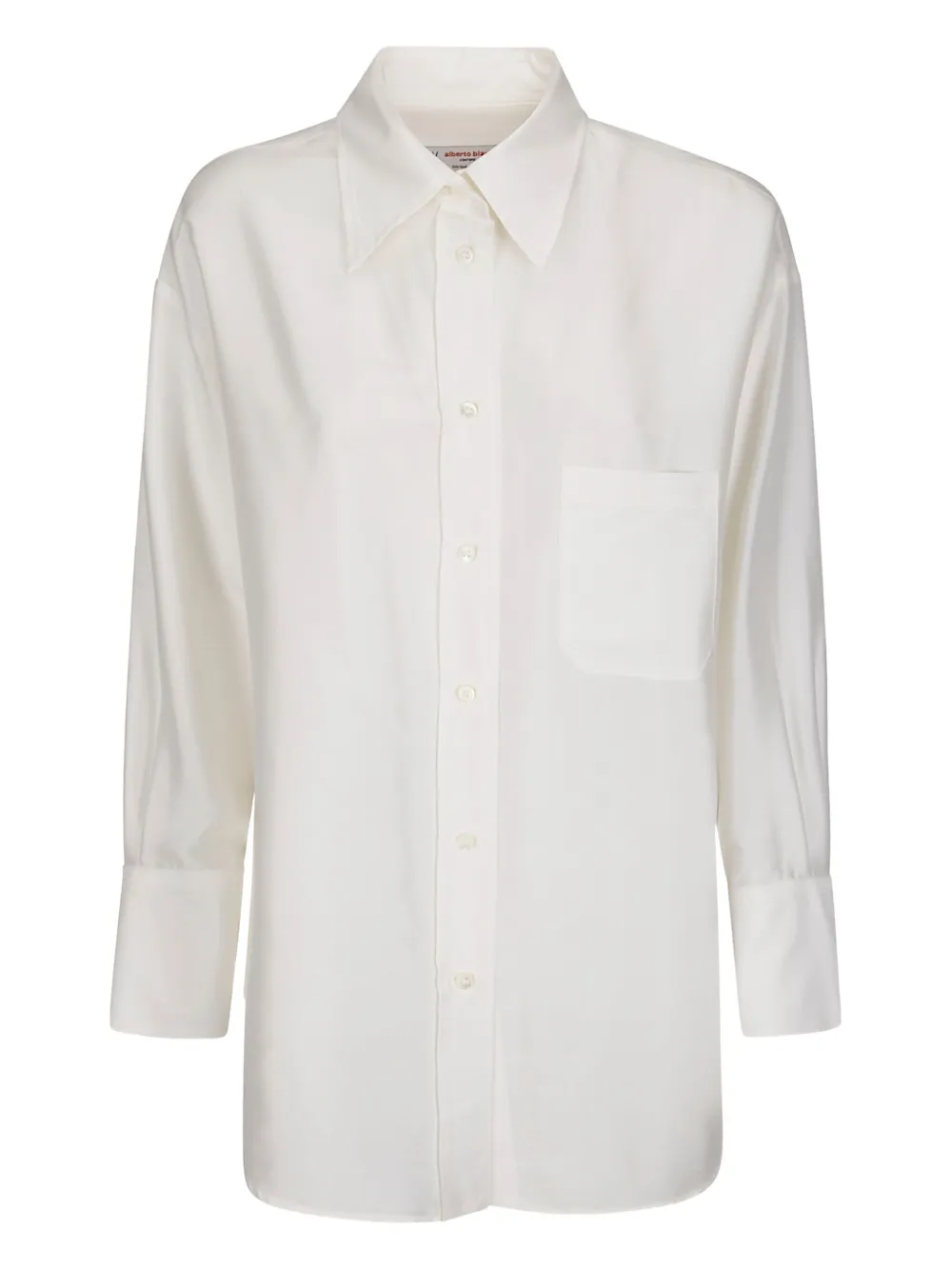
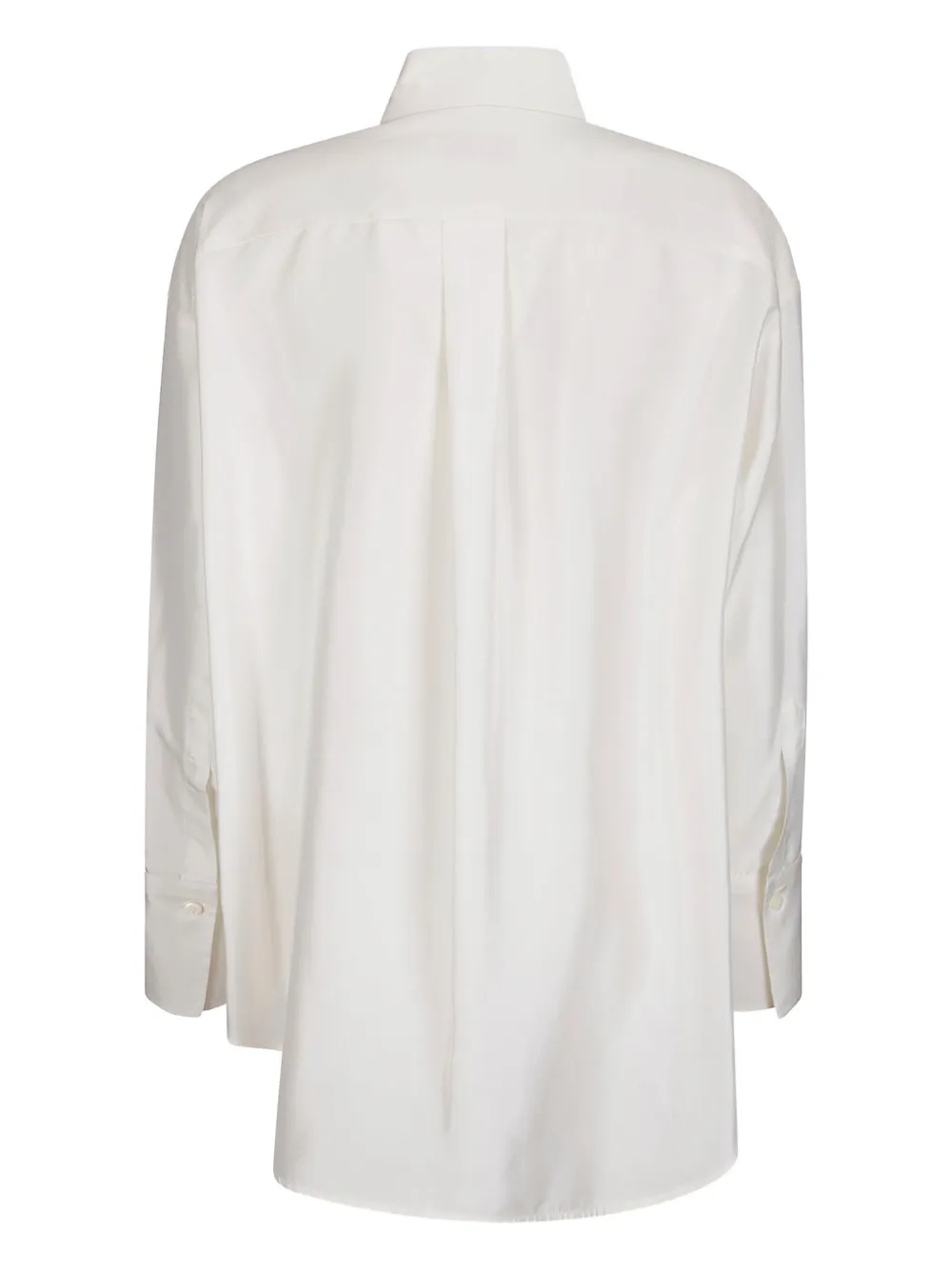
patch-pocket buttoned-up shirt
patch-pocket buttoned-up shirt
DELIVERY AND AUTHENTICATION

Includes Authentication Certificate
by Checkcheck global standards
Culture Note™
The genesis of the patch-pocket buttoned-up shirt lies in utilitarian design, born from a need for practical apparel. Its roots are firmly planted in workwear, where durability and functionality were paramount. Early iterations prioritized robust construction and ample storage, establishing the groundwork for its enduring appeal.
The patch-pocket buttoned-up shirt serves as a versatile staple, bridging the gap between casual and semi-formal wear. Its practicality is undeniable, offering accessible storage via its signature pockets. The shirt's adaptable nature makes it suitable for layering or wearing on its own, easily transitioning across environments.
The patch-pocket buttoned-up shirt has permeated diverse cultural spheres, leaving its mark on style. Its influence can be felt across the decades. The shirt's design has been embraced by countless figures, solidifying its place in the wardrobes of the discerning.
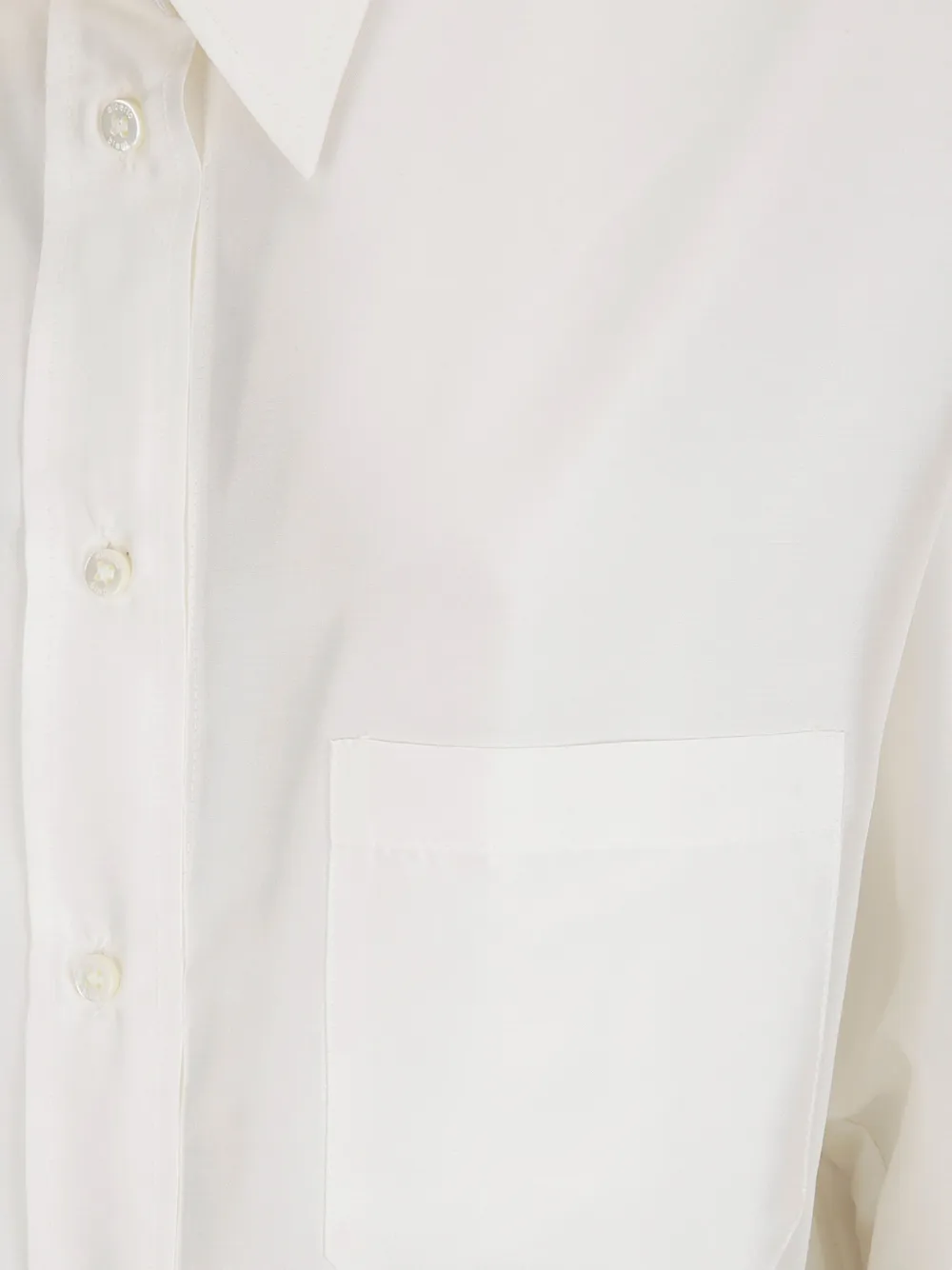
This garment's construction centers on its distinctive patch pockets, fabric pieces directly affixed to the shirt's exterior. These pockets, often displaying visible topstitching, can assume various shapes, enhancing both form and function. A button-front closure, running the length of the shirt, secures the garment, showcasing a classic design.
Most asked questions
How we always
Guarantee the best prices?

Luxury marketplace
In luxury marketplaces, prices depend on demand — less popular items sell below retail.
.svg)
Competition between sellers
Our 5,000+ verified sellers compete with each other, giving you the lowest prices.
.svg)
Price comparison
We show you price comparisons across sellers so you always get better deals.
.svg)
Helping sellers, helping you
We help sellers buy smarter inventory, so they can offer you better prices.
Loading…