
Certificate of
Authenticity
Authenticity
0
Try on
View authenticity certificate

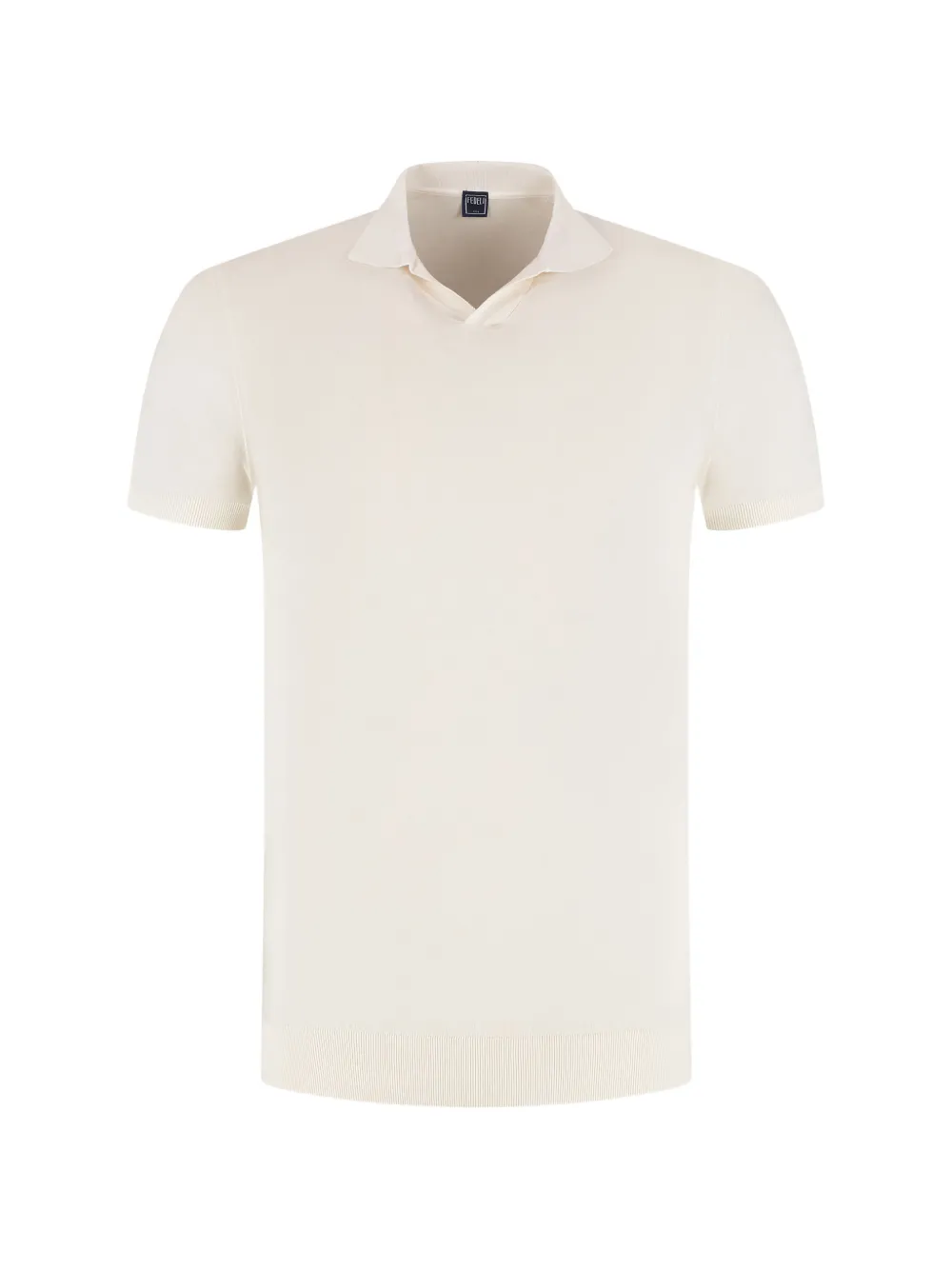
polo-collar short-sleeve T-Shirt
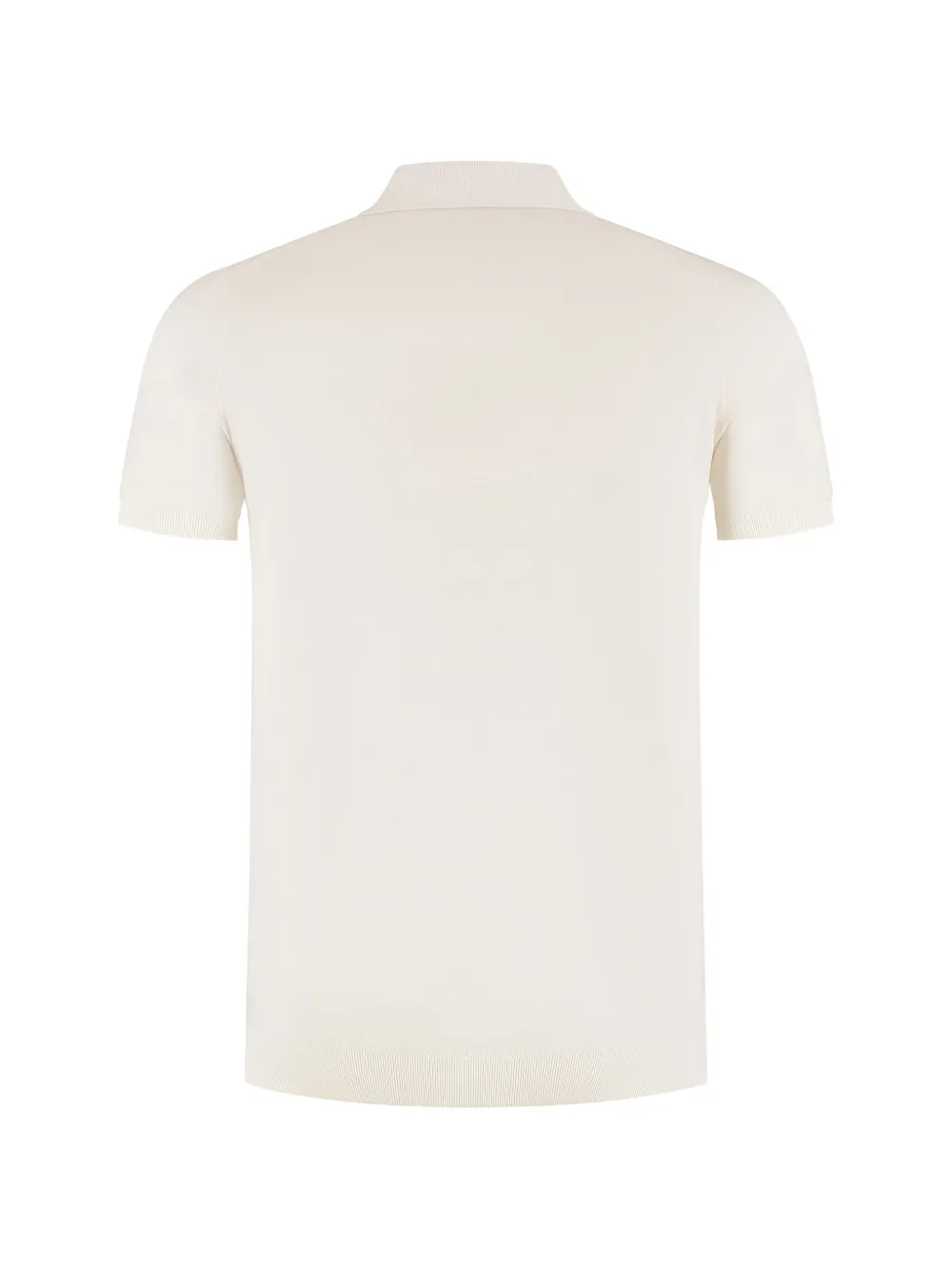
polo-collar short-sleeve T-Shirt
DELIVERY AND AUTHENTICATION

Includes Authentication Certificate
by Checkcheck global standards
Come see it in person
Culture Note™
The polo shirt, a garment of understated elegance, emerged from the sporting world. Its genesis is linked to the athletic demands of polo players, seeking a more practical alternative to the traditional long-sleeved shirts. This evolution was driven by the need for a garment that could withstand the rigors of the game while maintaining a degree of decorum.
Functionality is central to the polo shirt's design, offering comfort and versatility. It serves as a staple in both casual and semi-formal contexts. The fabric composition, ranging from cotton to polyester blends, contributes to its adaptability across diverse climates and activities. The shirt's design allows for the wearer to perform, while maintaining a degree of refinement.
The polo shirt's influence is undeniable across various cultural spheres. Its adoption by figures of authority and style has cemented its status. While specific sightings are not explicitly detailed in the provided data, the shirt's prevalence in preppy subcultures, as well as its adoption by athletes and celebrities, is well-documented. Its enduring appeal lies in its adaptability and ability to convey both casual ease and a hint of sophistication.
The polo shirt's construction is defined by a collared neckline and a buttoned placket, typically featuring two or three buttons. It is commonly fashioned from pique knit, a textured fabric that enhances breathability and durability, although jersey knit is another viable option. The design includes short sleeves, often finished with a ribbed cuff, and a split hem with side vents for ease of movement and tucking.
Most asked questions
How we always
Guarantee the best prices?

Luxury marketplace
In luxury marketplaces, prices depend on demand — less popular items sell below retail.
.svg)
Competition between sellers
Our 5,000+ verified sellers compete with each other, giving you the lowest prices.
.svg)
Price comparison
We show you price comparisons across sellers so you always get better deals.
.svg)
Helping sellers, helping you
We help sellers buy smarter inventory, so they can offer you better prices.
Loading…