
Certificate of
Authenticity
Authenticity
0
Try on
View authenticity certificate

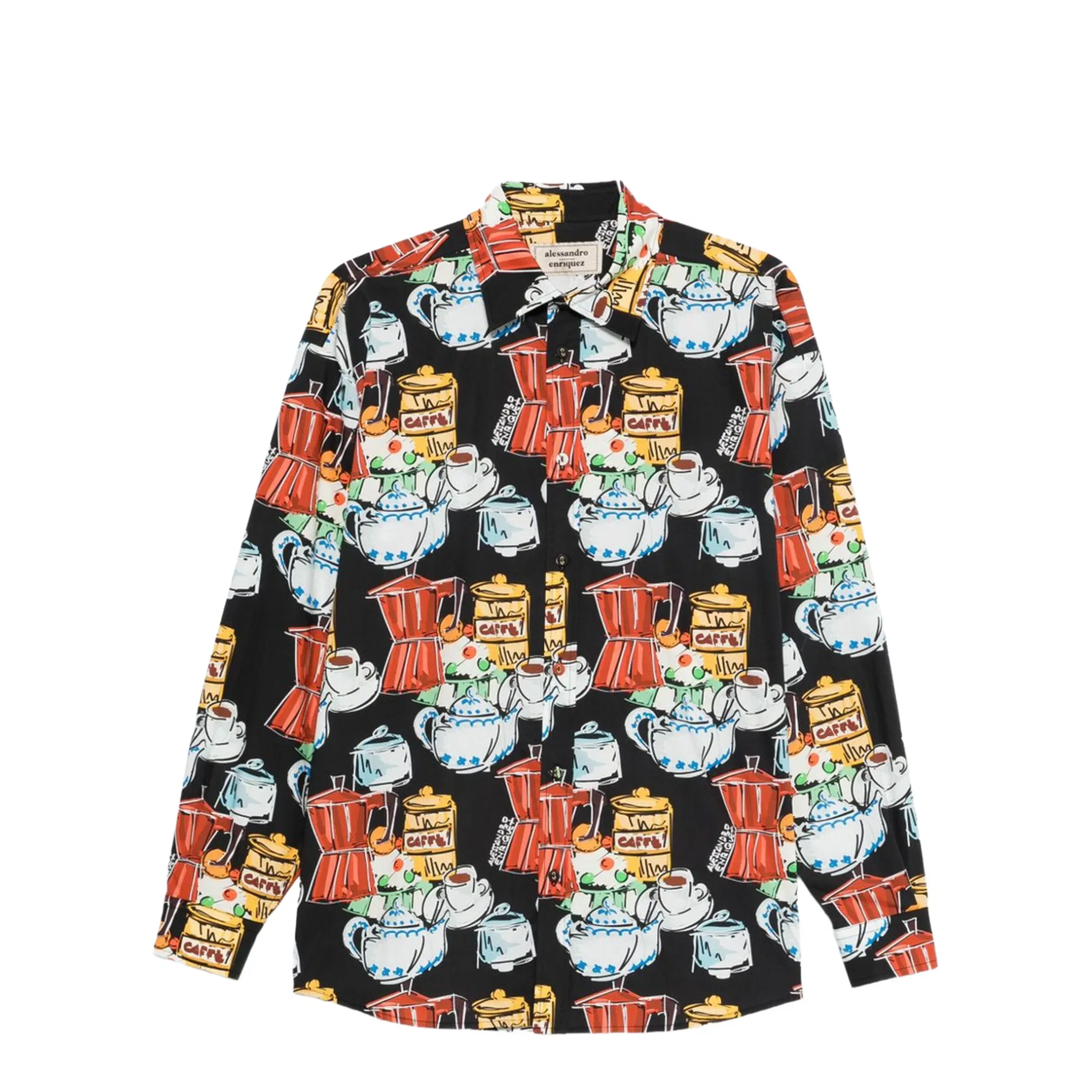
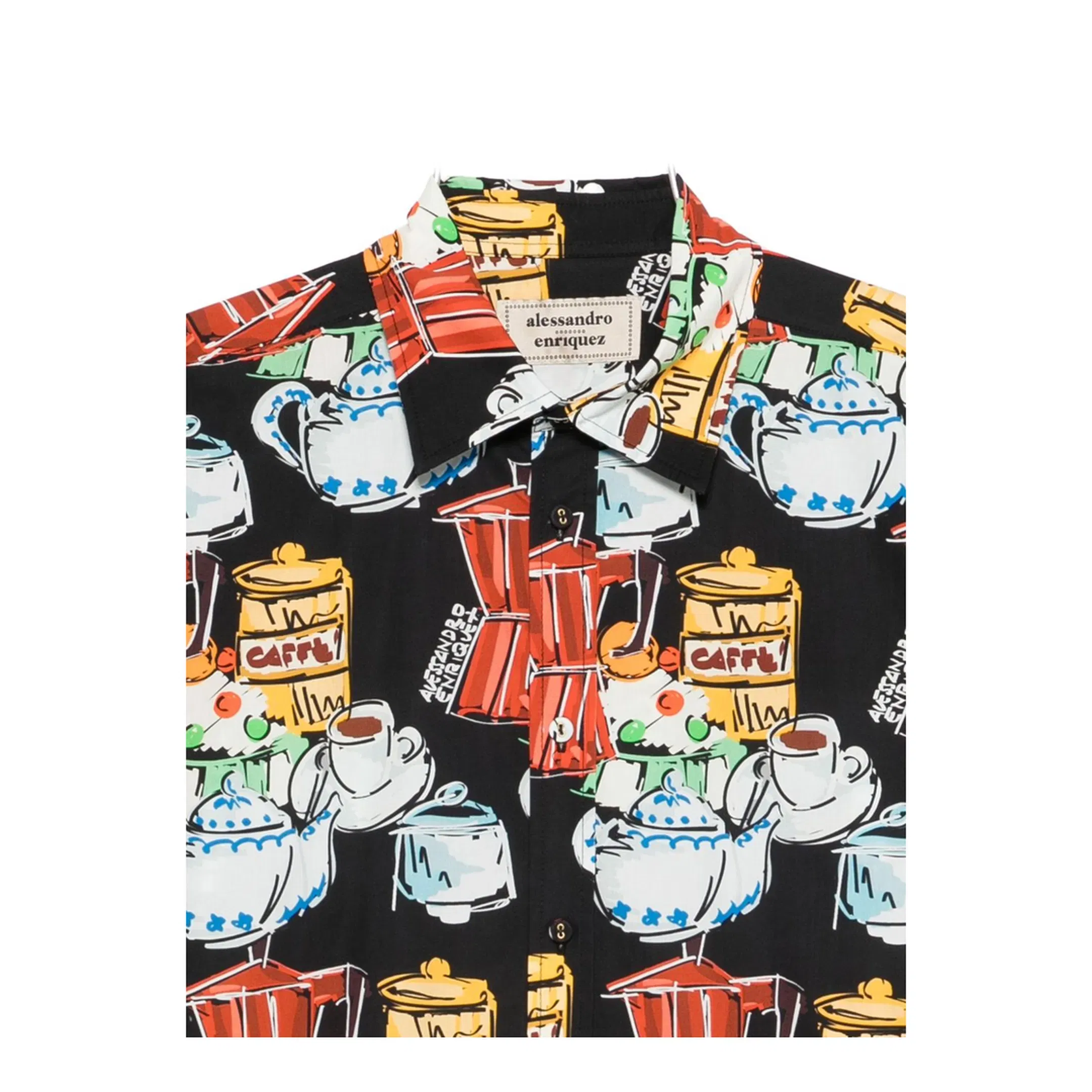
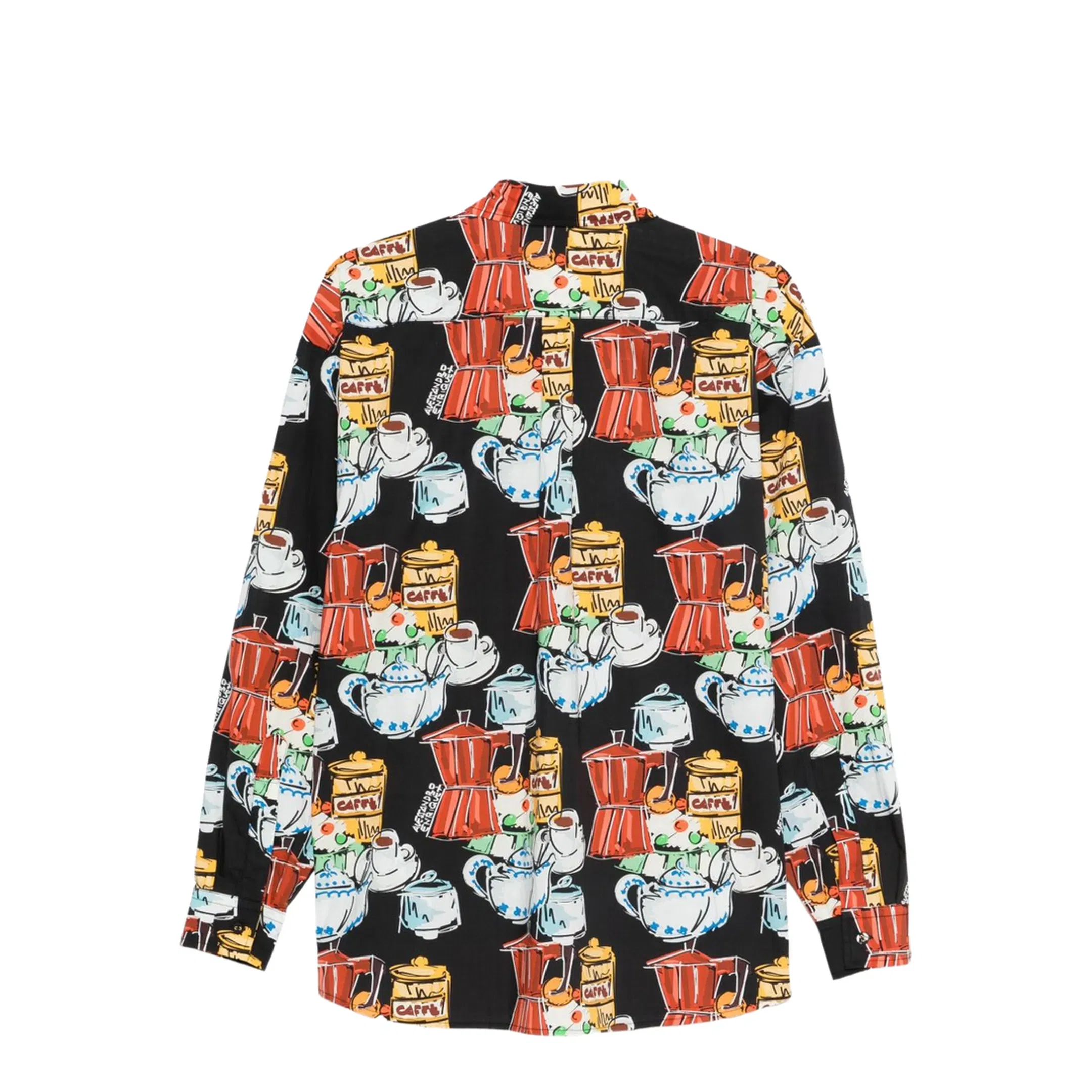
Shirts MultiColour
Shirts MultiColour
DELIVERY AND AUTHENTICATION

Includes Authentication Certificate
by Checkcheck global standards
Culture Note™
The genesis of the multicoloured shirt is as varied as its hues, emerging from a desire for vibrant self-expression. Its roots can be traced across diverse cultures, from the tie-dye techniques of the counterculture to the bold patterns of global textiles. This garment's evolution reflects a continuous quest for individuality and a rejection of sartorial conformity.
The utility of the multicoloured shirt transcends mere functionality, serving as a canvas for personal statement. Its adaptable nature allows it to be styled for casual outings, artistic expression, or even as a bold statement piece in more formal settings. This flexibility has cemented its place as a staple in wardrobes across the globe, allowing for endless interpretations.
The multicoloured shirt has undeniably shaped visual culture, embraced by influential figures across eras. It was seen frequently during the peak of the psychedelic era, with artists and musicians using them to express their radical beliefs. Fashion designers have consistently used the garment to challenge the status quo, producing collections that celebrate bold colours and unconventional aesthetics. The shirt's influence resonates through its presence in subcultures, where its variations are used to signal identity and belonging.
The construction of a multicoloured shirt is a testament to the artistry of textile production. The process involves either dyeing individual yarns before weaving, or the application of pigments to pre-made fabrics. Varying techniques determine the final aesthetic, ranging from the subtle gradients of a dip-dye to the striking geometries of colour-blocked designs.
Most asked questions
How we always
Guarantee the best prices?

Luxury marketplace
In luxury marketplaces, prices depend on demand — less popular items sell below retail.
.svg)
Competition between sellers
Our 5,000+ verified sellers compete with each other, giving you the lowest prices.
.svg)
Price comparison
We show you price comparisons across sellers so you always get better deals.
.svg)
Helping sellers, helping you
We help sellers buy smarter inventory, so they can offer you better prices.
Loading…