
Certificate of
Authenticity
Authenticity
0
Try on
View authenticity certificate

Shirts Orange
Shirts Orange
DELIVERY AND AUTHENTICATION

Includes Authentication Certificate
by Checkcheck global standards
Culture Note™
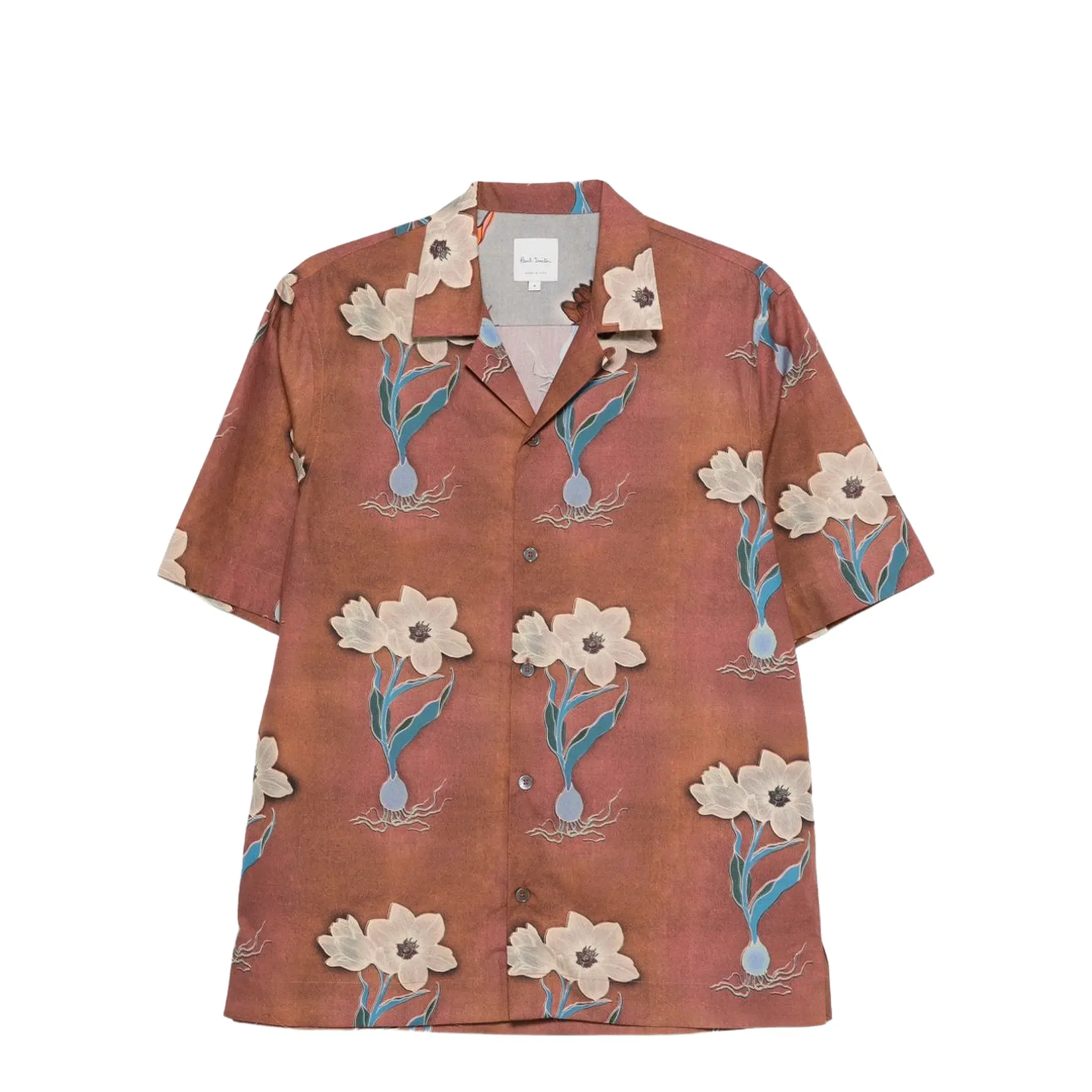
The genesis of the orange shirt is rooted in its straightforward functionality as a garment. Its origins are traced to the need for easily identifiable and often affordable apparel. This basic need has sustained its existence, evolving from purely utilitarian contexts to broader applications.
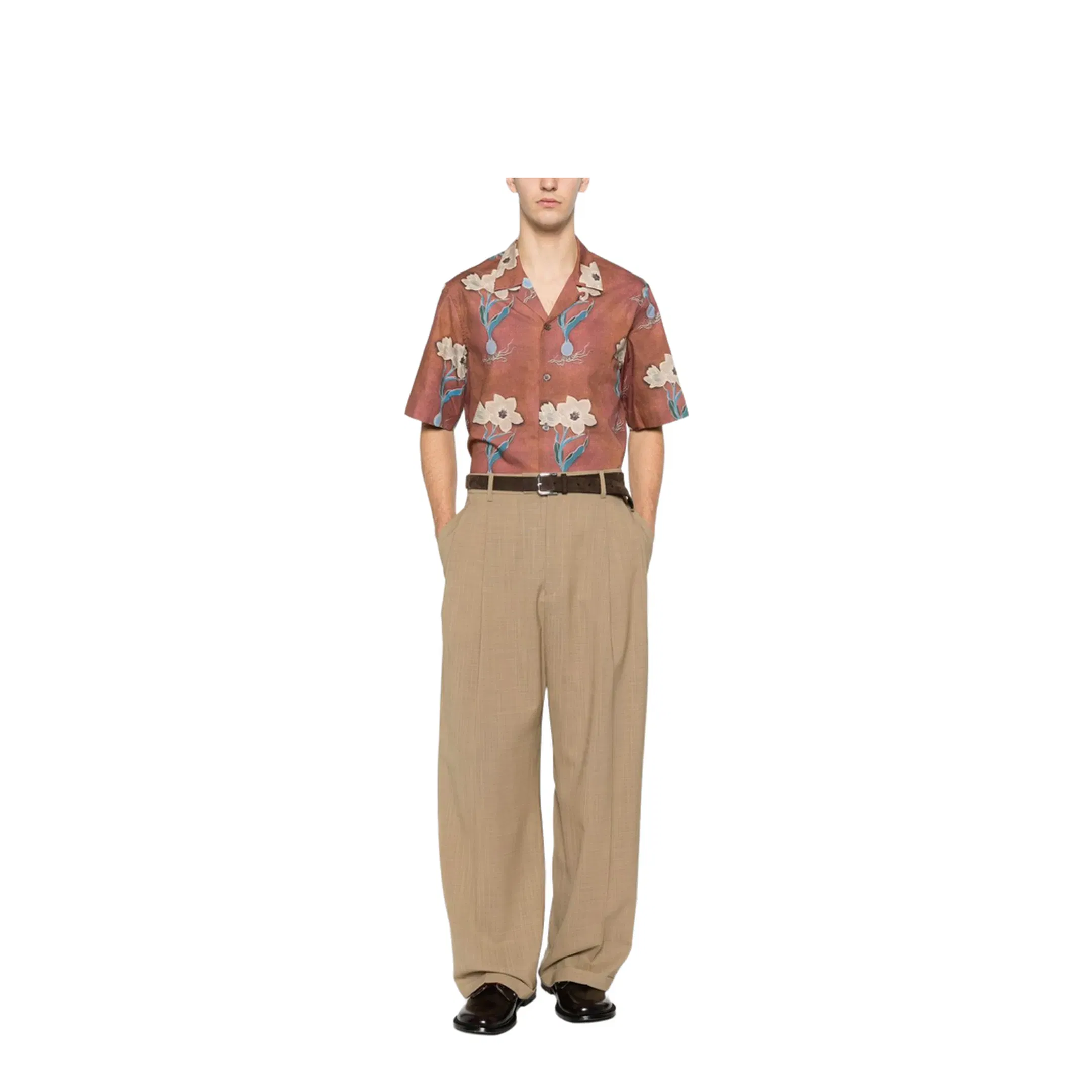
The utility of an orange shirt is multifaceted, serving a range of functions from workwear to casual wear. Its high visibility makes it a staple in safety contexts, while its vibrant color can also be a bold fashion statement. The shirt's versatility allows it to seamlessly integrate into various wardrobes, adaptable to multiple climates and occasions.
The orange shirt, though seemingly commonplace, has subtly but steadily permeated cultural expression. While direct celebrity sightings are scant, the shirt's ubiquity speaks to its pervasive influence. Its straightforward design has made it a canvas for various subcultures. Furthermore, the shirt's presence in media, from the factory floors of post-war America to the casual wear of Silicon Valley titans, underscores its enduring appeal.
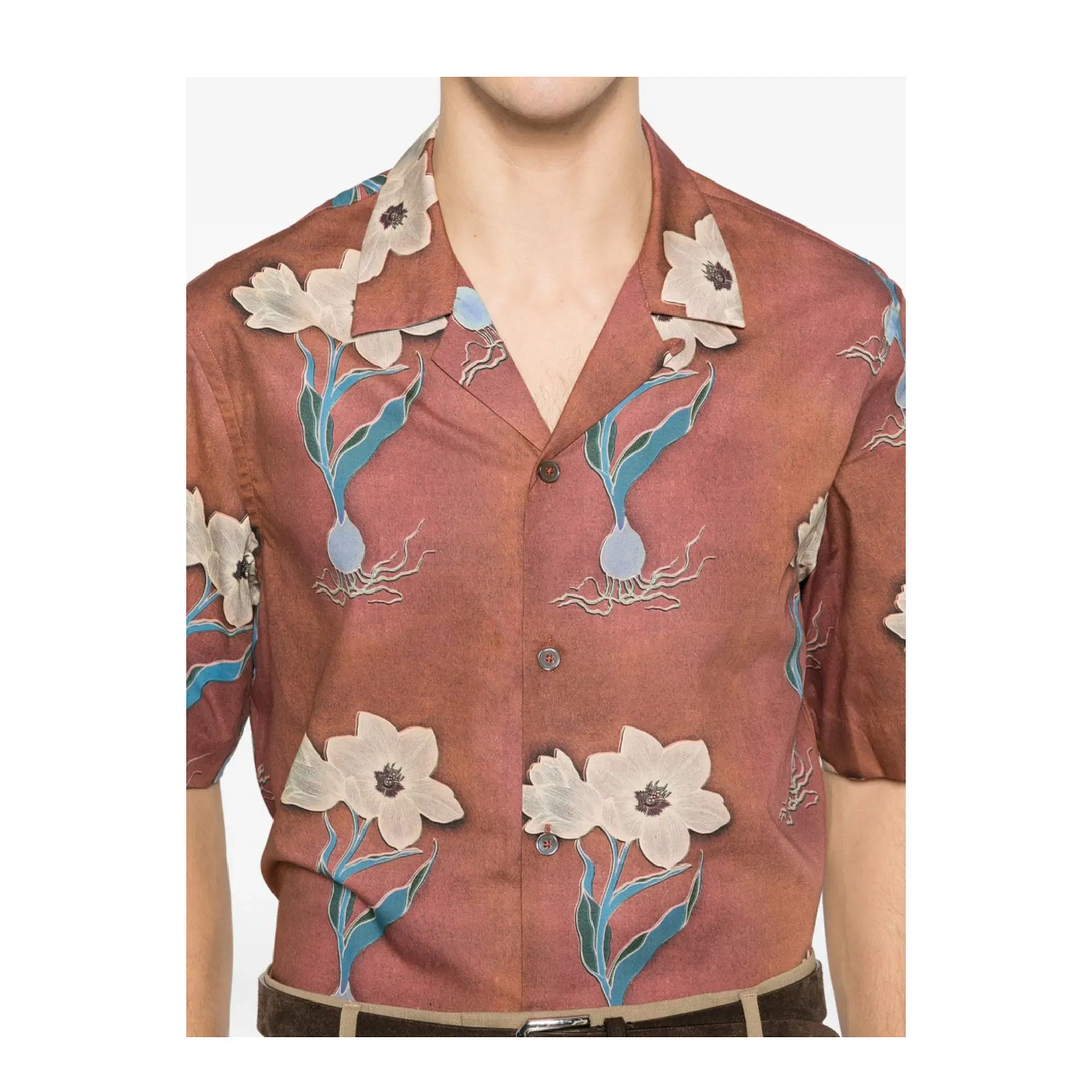
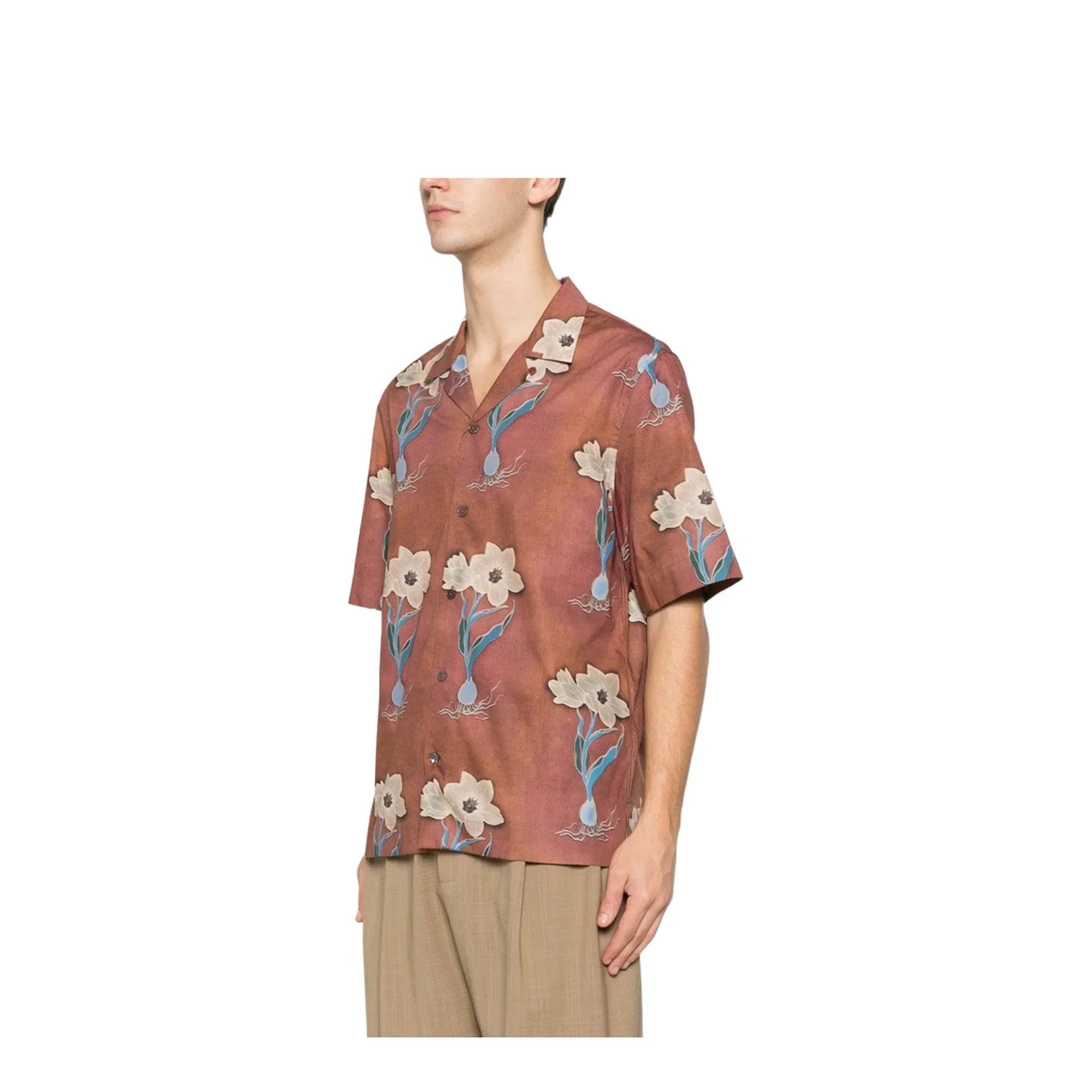
The construction of an orange shirt, while seemingly simple, can vary greatly depending on its intended purpose and the materials employed. The fundamental design involves a torso covering, sleeves, and a neckline, often a crew neck or a buttoned collar. The quality of the fabric, the stitching techniques, and the cut all contribute to the shirt's overall durability and aesthetic appeal.
Most asked questions
How we always
Guarantee the best prices?

Luxury marketplace
In luxury marketplaces, prices depend on demand — less popular items sell below retail.
.svg)
Competition between sellers
Our 5,000+ verified sellers compete with each other, giving you the lowest prices.
.svg)
Price comparison
We show you price comparisons across sellers so you always get better deals.
.svg)
Helping sellers, helping you
We help sellers buy smarter inventory, so they can offer you better prices.
Loading…