
Certificate of
Authenticity
Authenticity
0
View authenticity certificate

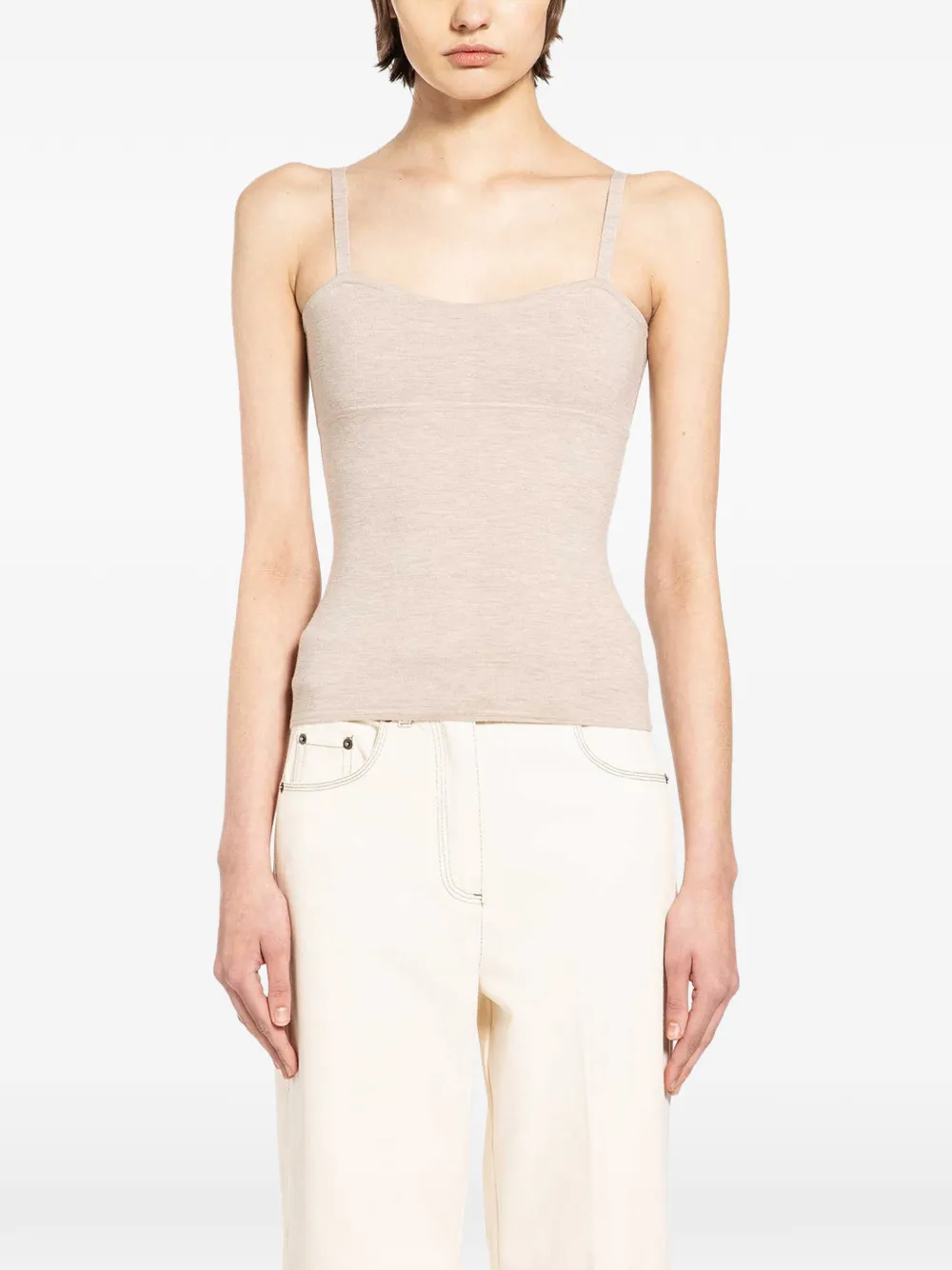
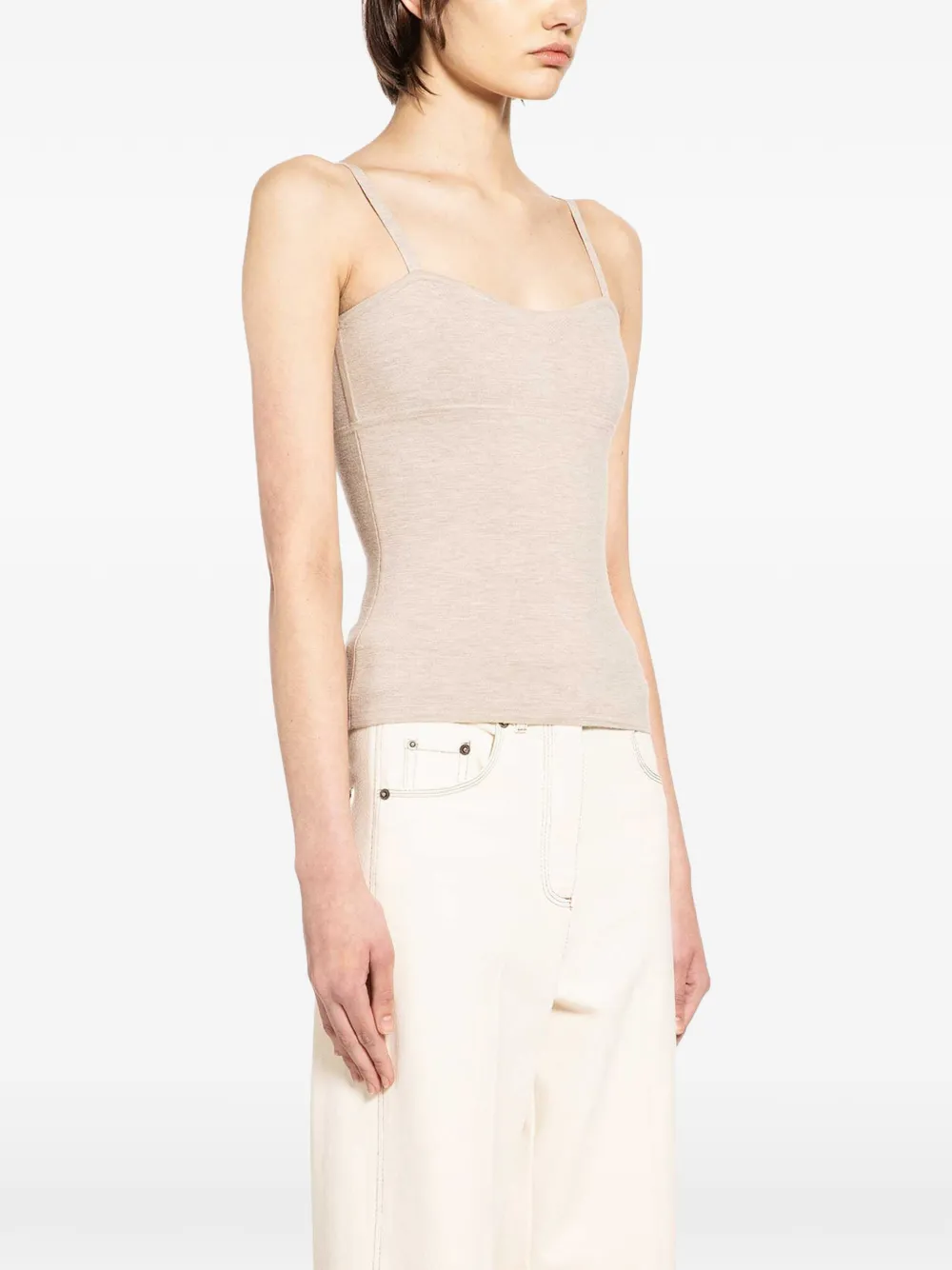
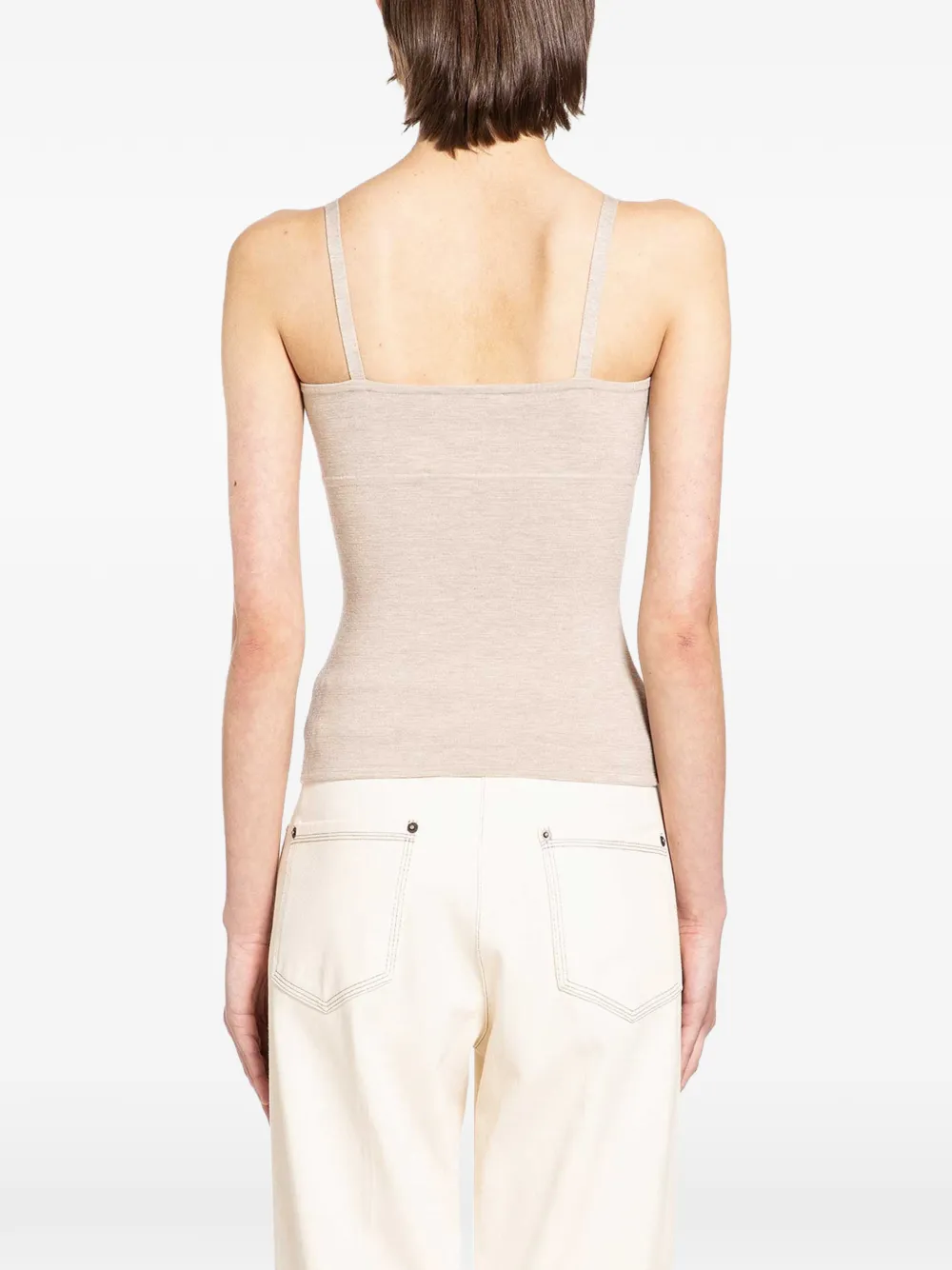
spaghetti-straps tank top
spaghetti-straps tank top
DELIVERY AND AUTHENTICATION

Includes Authentication Certificate
by Checkcheck global standards
Culture Note™
The spaghetti-strap tank top, a garment of minimalist design, emerged as a symbol of casual elegance. Its origins are rooted in the broader evolution of undergarments, gradually transitioning into a standalone fashion statement. This transformation reflected a shift towards more revealing and comfortable clothing options, gaining traction across diverse societal strata.
The spaghetti-strap tank top serves a dual function, adept as both a standalone garment and a versatile layering piece. Its lightweight construction provides a lighter, airier feel, making it suitable for warmer climates or as an underlayer. The design elongates the neck and upper body, creating an illusion of height, while its adaptable nature allows it to transition seamlessly from day to night, dressed up or down.
The spaghetti-strap tank top has significantly influenced fashion, becoming a staple in various subcultures. Its impact is undeniable, with figures like Kate Moss, often seen in the streets of London, solidifying its place in high fashion. Its presence is also notable in the world of cinema, with actresses frequently wearing the top, helping to cement its status as a timeless piece. Furthermore, its influence extends to various music genres, where artists embraced the tank top.
This garment's construction relies on simplicity, emphasizing fluid lines and a delicate appearance. The use of fabrics like Modal, various knit blends, and lightweight polyester/spandex blends allows for a comfortable, body-conforming fit. The construction typically involves thin, often adjustable spaghetti straps, with necklines that may feature a scoop or V-shape, and the side seams are meticulously sewn to ensure a sleek silhouette.
Most asked questions
How we always
Guarantee the best prices?

Luxury marketplace
In luxury marketplaces, prices depend on demand — less popular items sell below retail.
.svg)
Competition between sellers
Our 5,000+ verified sellers compete with each other, giving you the lowest prices.
.svg)
Price comparison
We show you price comparisons across sellers so you always get better deals.
.svg)
Helping sellers, helping you
We help sellers buy smarter inventory, so they can offer you better prices.
Loading…