
Certificate of
Authenticity
Authenticity
0
Try on
View authenticity certificate

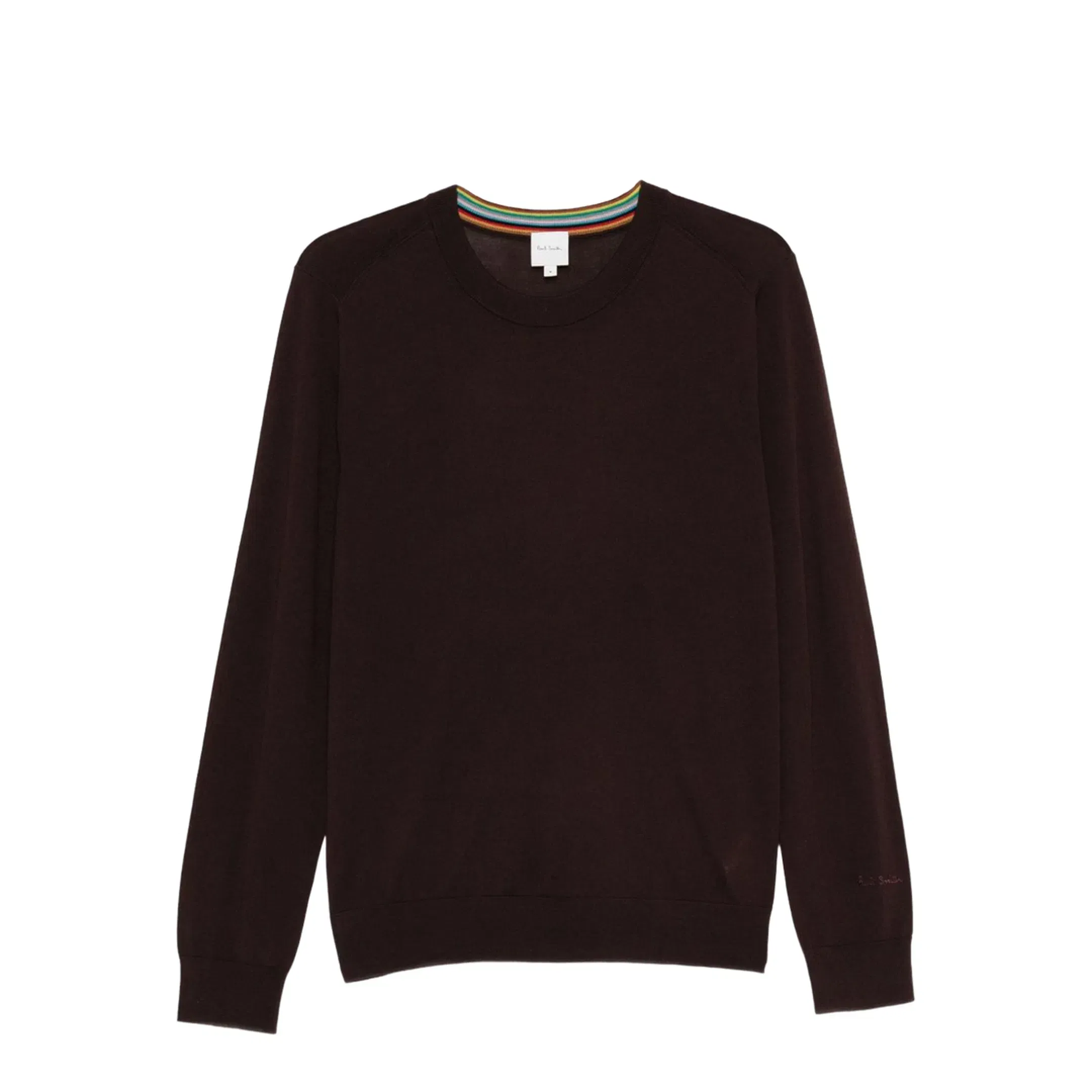
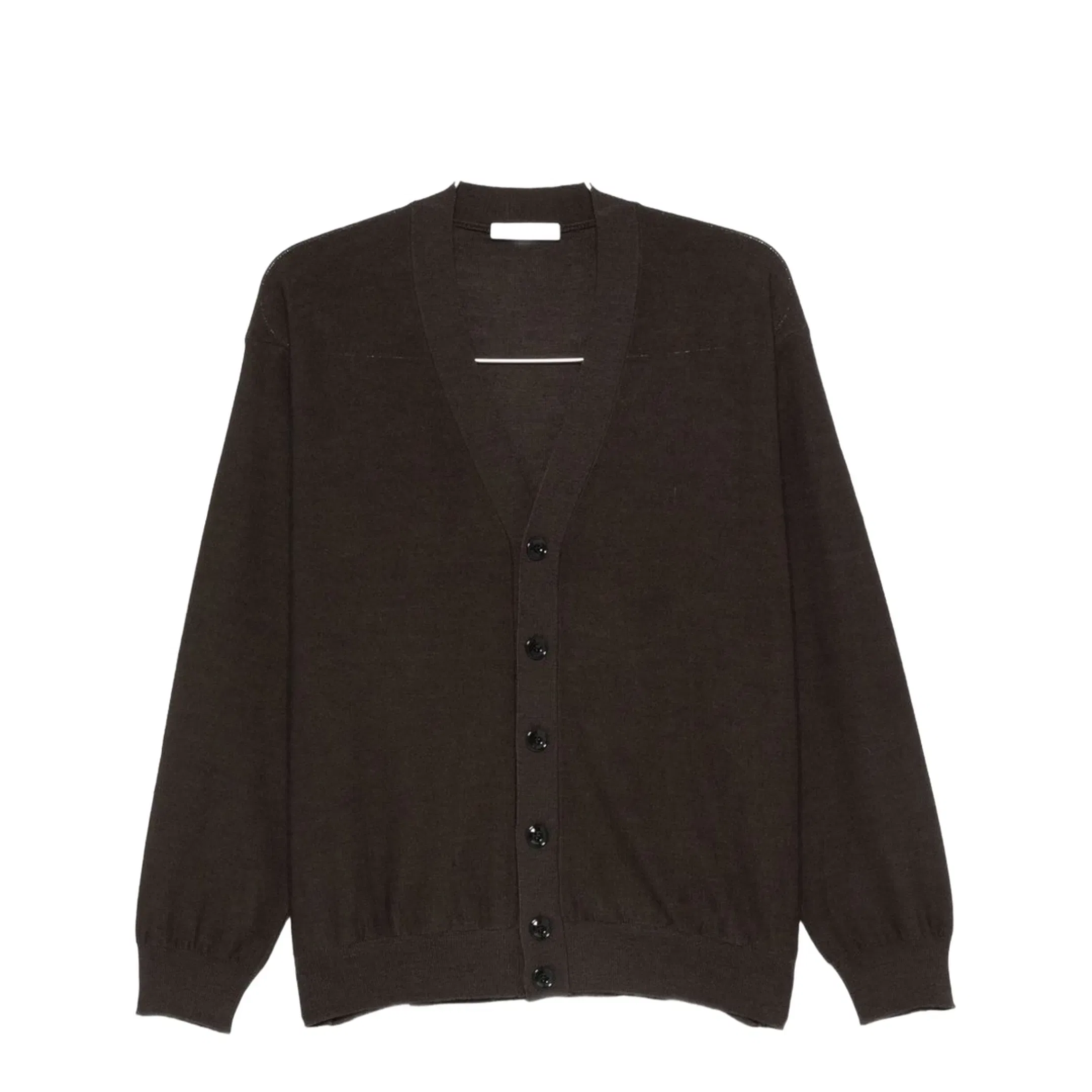
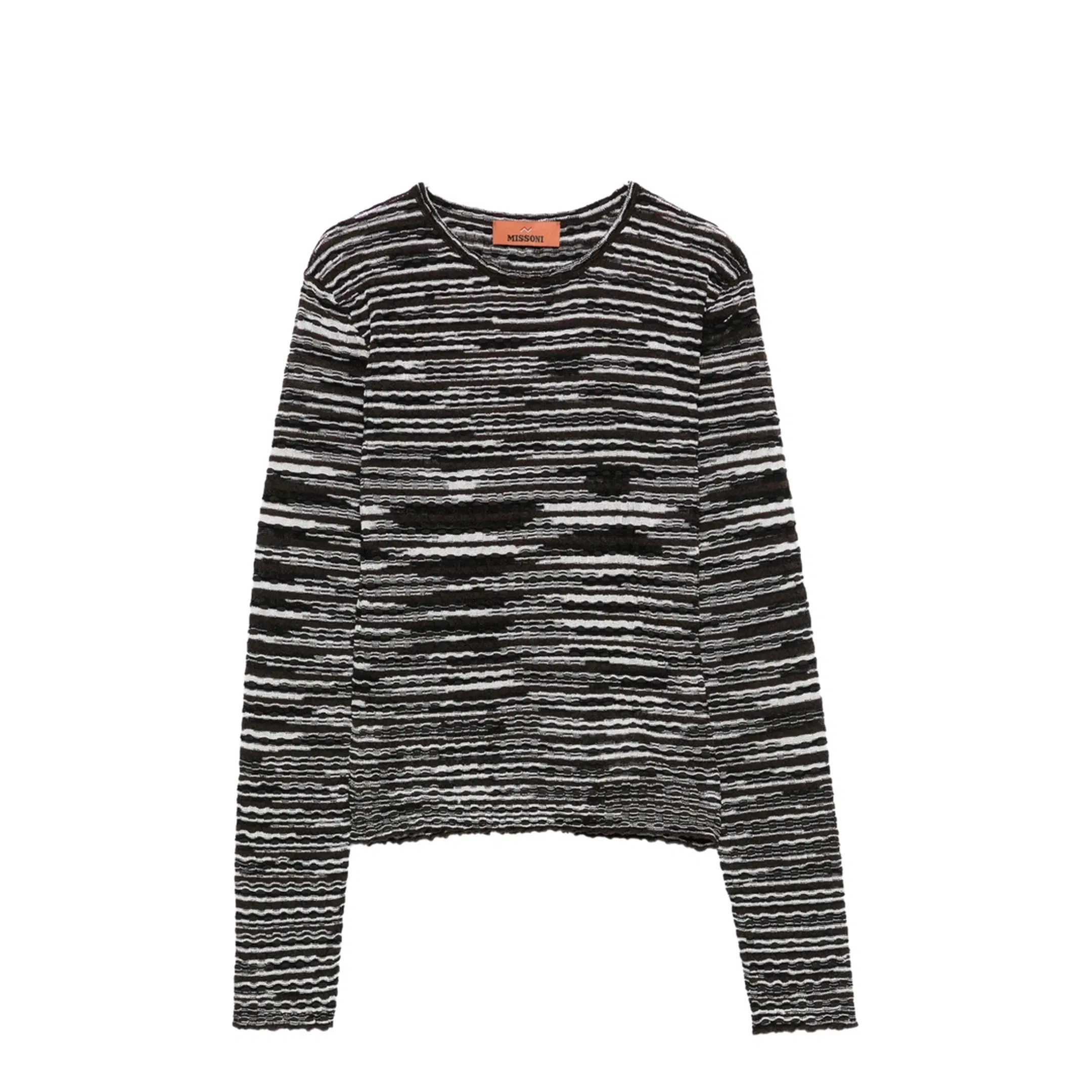
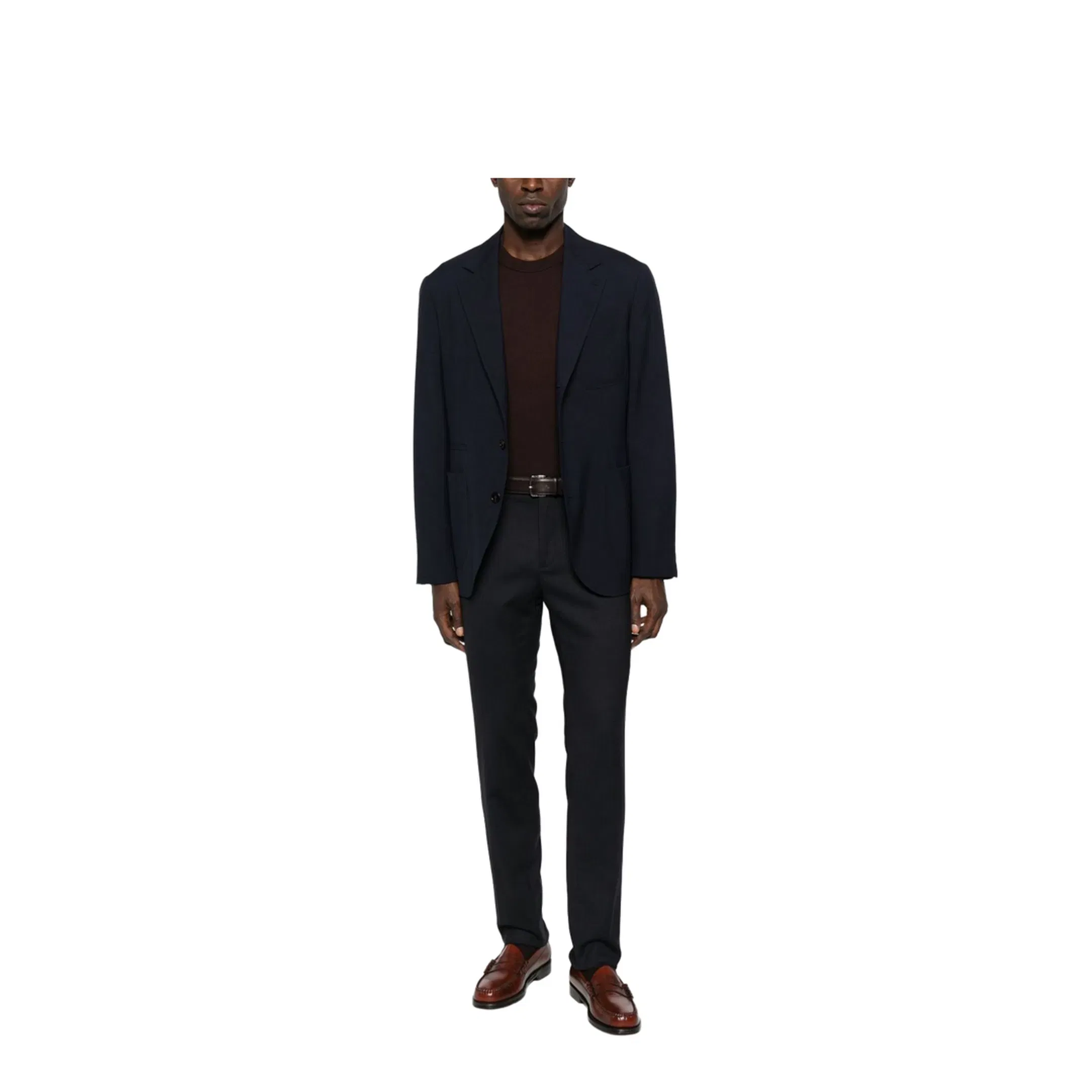
Sweaters Brown
Sweaters Brown
DELIVERY AND AUTHENTICATION

Includes Authentication Certificate
by Checkcheck global standards
Culture Note™
The genesis of the brown sweater, a garment of understated elegance, is shrouded in the mists of mass production. Its emergence coincided with the industrial revolution, when advancements in textile manufacturing made it accessible to a wider populace. The color, a versatile earth tone, quickly became a staple, reflecting a practicality that resonated across social strata.
The brown sweater's utility is multifaceted, serving as both a practical layer and a statement piece. It provides warmth in cooler climates while offering a degree of versatility. Its adaptability, suitable for both casual and semi-formal occasions, has cemented its status as a foundational garment. The enduring appeal lies in its ability to complement a variety of styles, from the rugged to the refined.
The brown sweater has silently permeated various cultural spheres, leaving an indelible mark. Though precise event-specific sightings are not available, its influence is undeniable. The sweater's simple, unassuming nature has allowed it to become a canvas for personal expression, embraced by diverse subcultures. Its enduring presence underscores its status as an essential item.
The brown sweater's construction, initially, was dictated by the available materials. Wool, cotton, and blends dominated, each offering a unique texture and warmth. Knitting techniques, from simple stockinette to more complex cable patterns, determined the garment's drape and aesthetic appeal. The silhouette, typically a classic crew or V-neck, prioritized comfort and ease of wear, solidifying its place in the everyday wardrobe.
Most asked questions
How we always
Guarantee the best prices?

Luxury marketplace
In luxury marketplaces, prices depend on demand — less popular items sell below retail.
.svg)
Competition between sellers
Our 5,000+ verified sellers compete with each other, giving you the lowest prices.
.svg)
Price comparison
We show you price comparisons across sellers so you always get better deals.
.svg)
Helping sellers, helping you
We help sellers buy smarter inventory, so they can offer you better prices.
Loading…