
Certificate of
Authenticity
Authenticity
0
View authenticity certificate

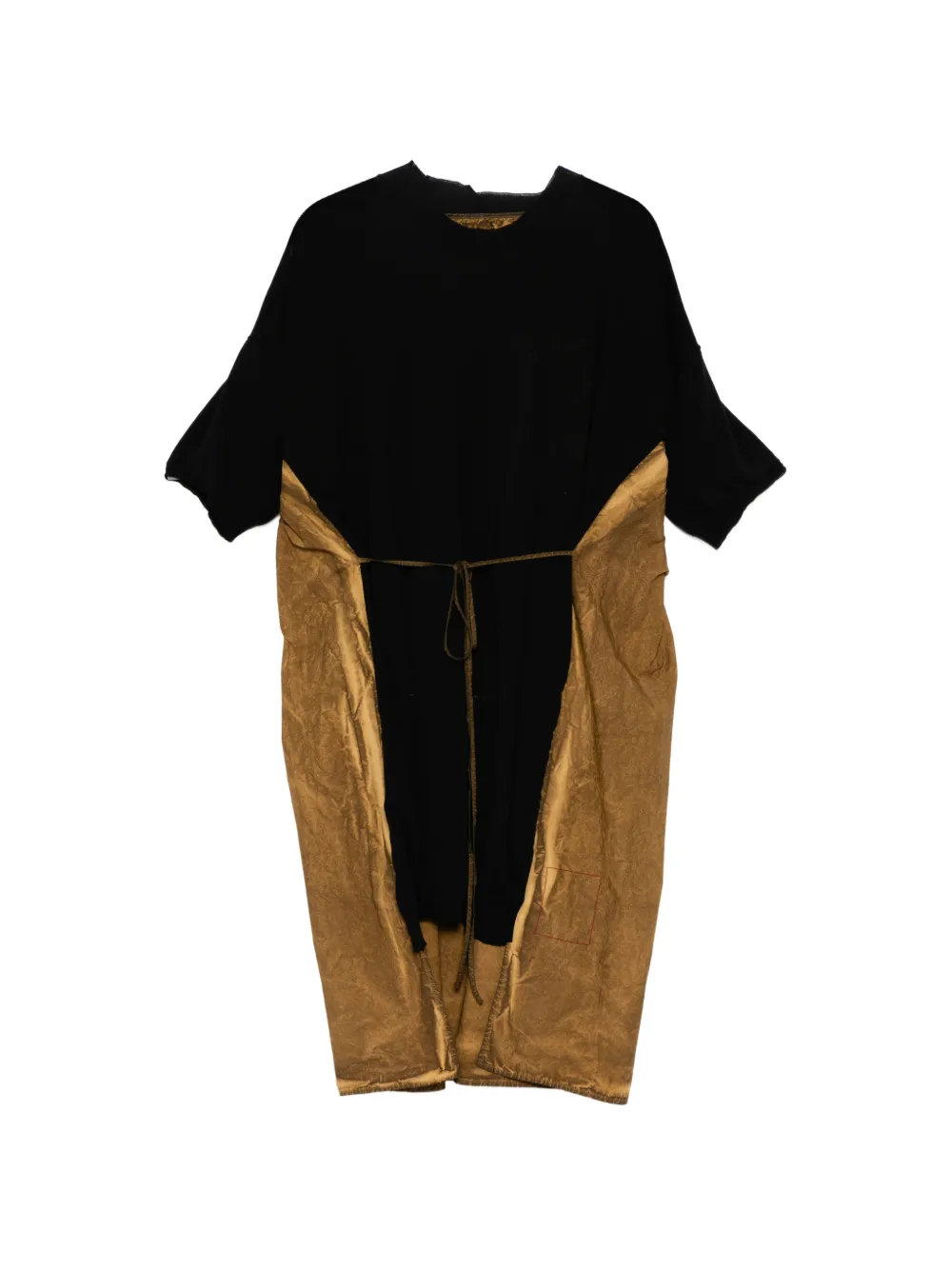
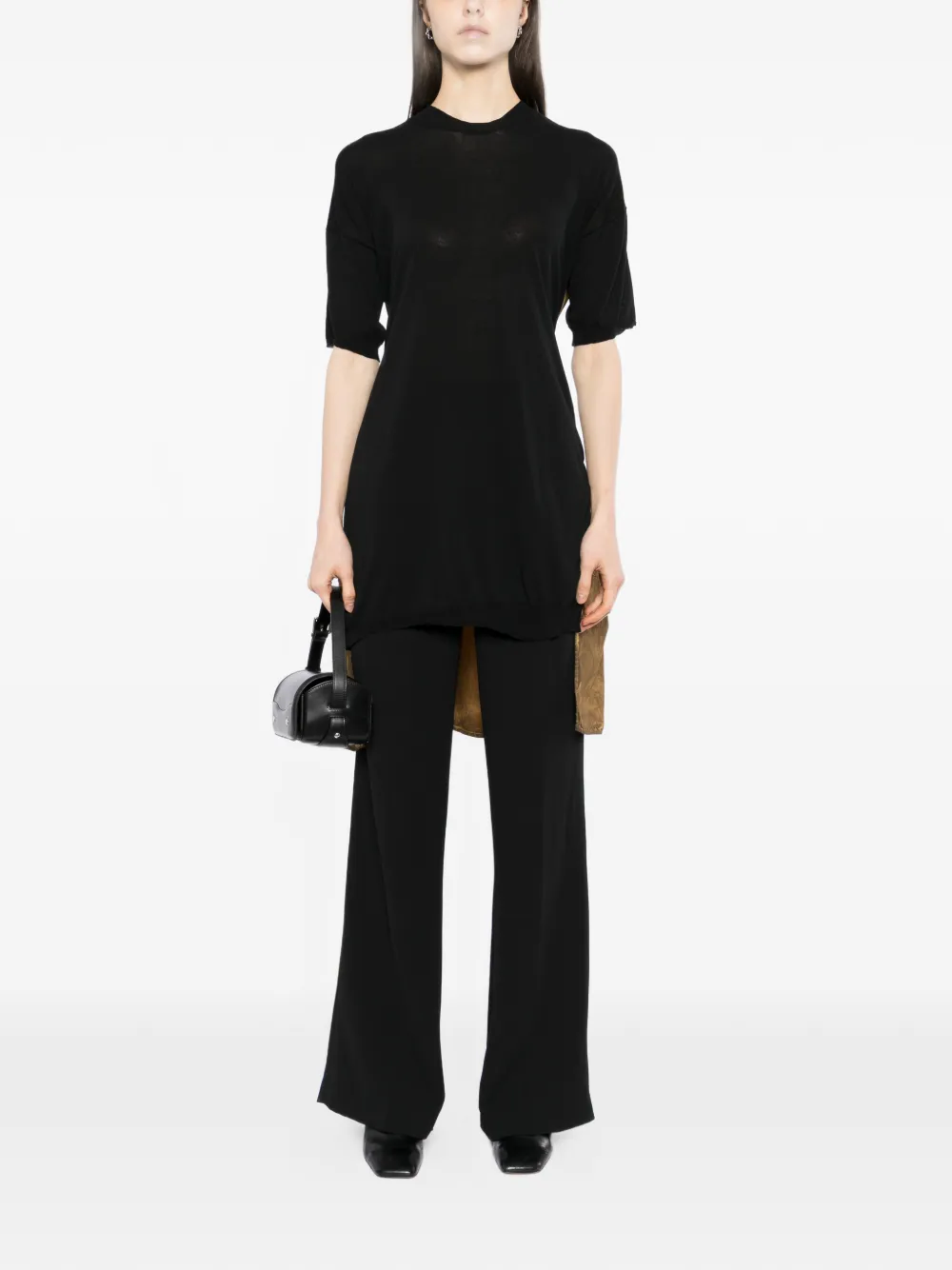
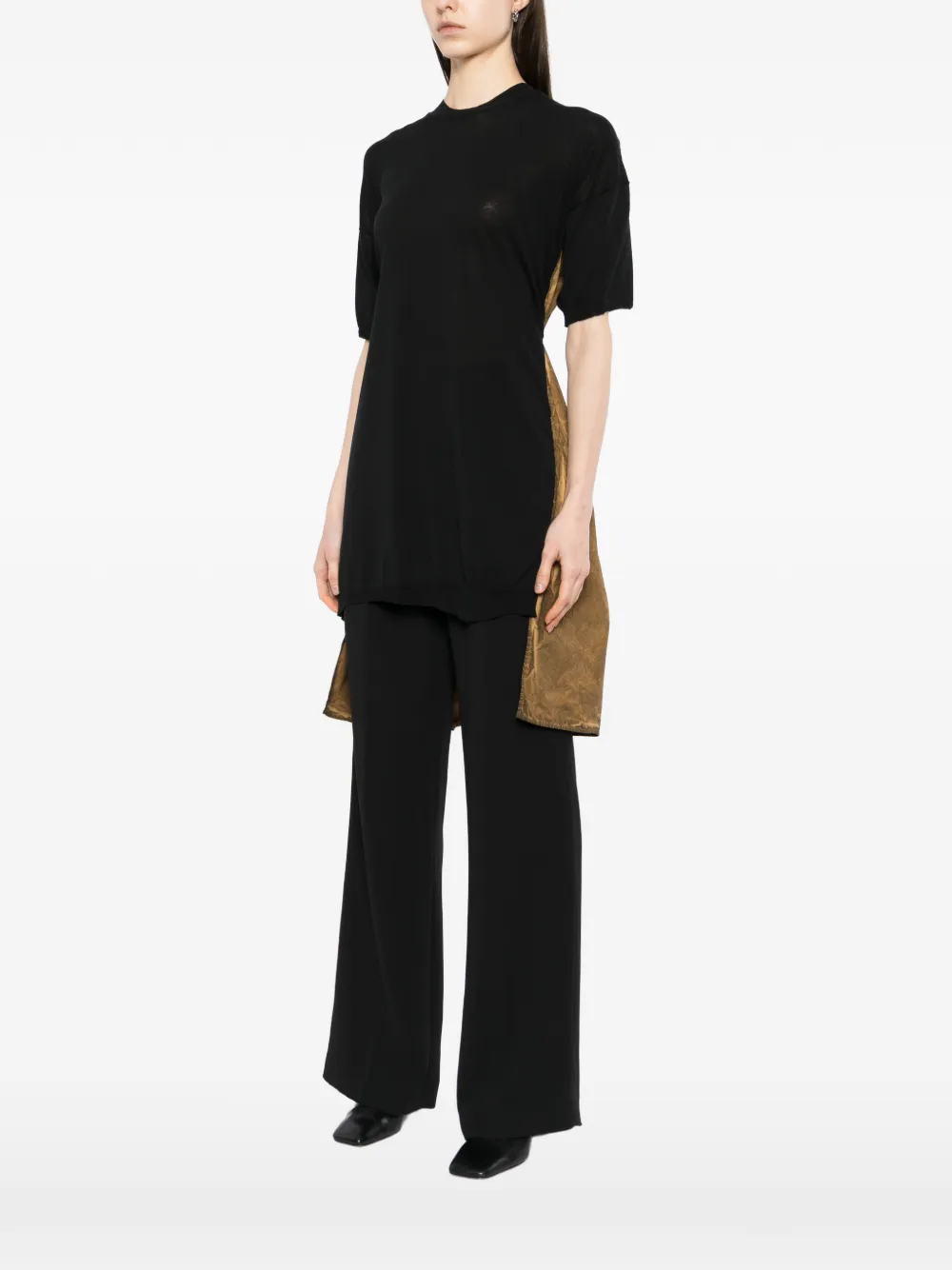
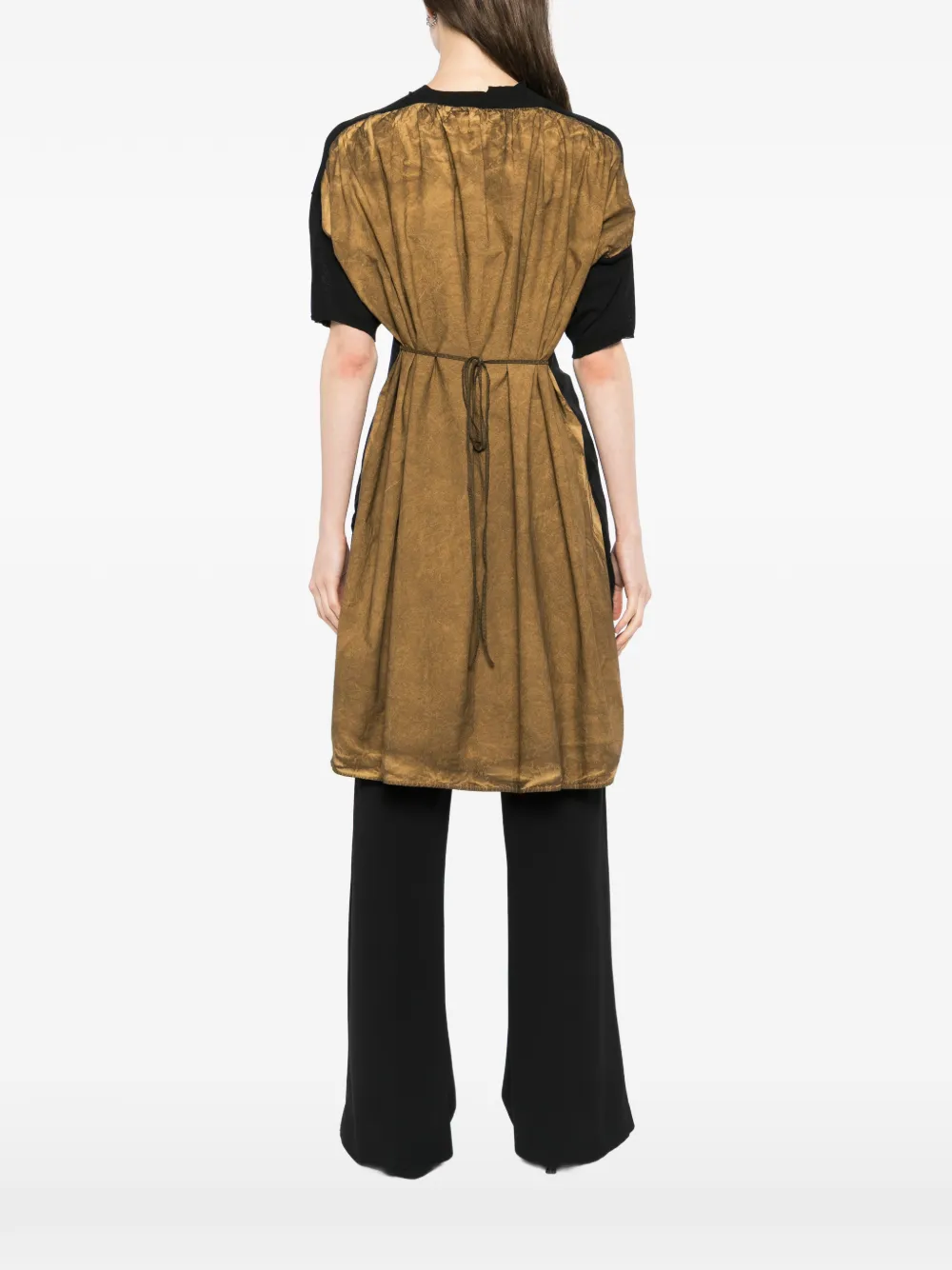
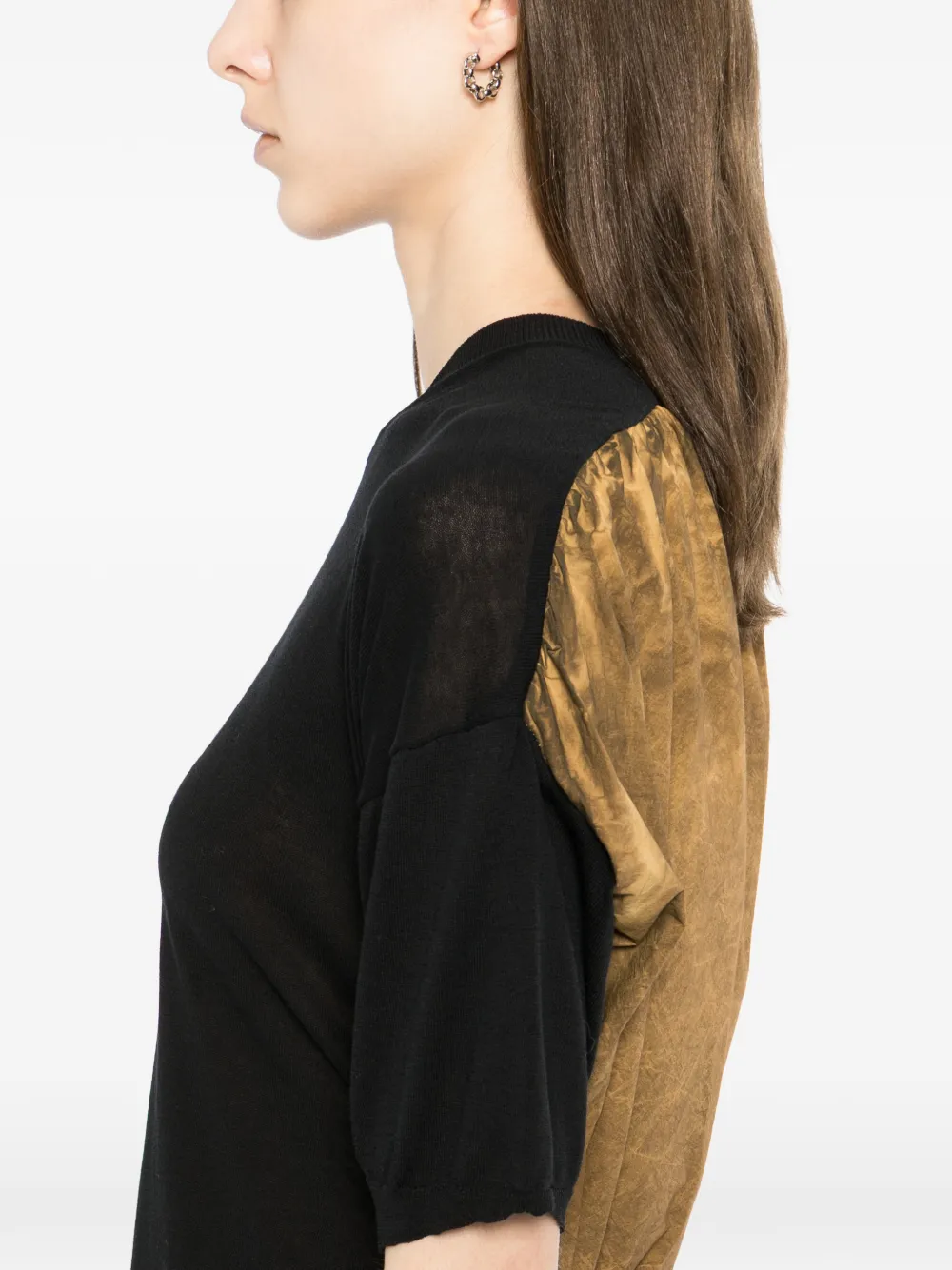
tied-waist top
tied-waist top
DELIVERY AND AUTHENTICATION

Includes Authentication Certificate
by Checkcheck global standards
Culture Note™
The tied-waist top, a garment of considerable adaptability, first emerged as a functional element designed to define the waist. Its roots lie in the desire to shape loose silhouettes, creating a more flattering and structured appearance. The evolution of this top reflects an ongoing interplay between form and function, a testament to the enduring appeal of a cinched waist.
The tied-waist top serves as a versatile garment, appropriate for a wide variety of occasions. Its adaptable design makes it suitable for both casual and more formal settings, depending on the fabric and styling choices. The tie allows for customization, enabling the wearer to modify the fit and overall look.
The tied-waist top has been embraced by cultural figures throughout history. While direct event-specific sightings are not available, it is a garment with an inherent capacity for transformation and personalization, making it a favorite among those who value both comfort and style. Its influence continues through the emphasis on creating an hourglass shape, reflecting an enduring appeal in the world of fashion.
This top is distinguished by its tie at the waist, a key element in defining its silhouette. It is typically crafted with a longer length, often extending below the hips, which contributes to its elegant drape. The construction prioritizes a loose fit, subsequently shaped by the waist tie to create the desired hourglass form.
Most asked questions
How we always
Guarantee the best prices?

Luxury marketplace
In luxury marketplaces, prices depend on demand — less popular items sell below retail.
.svg)
Competition between sellers
Our 5,000+ verified sellers compete with each other, giving you the lowest prices.
.svg)
Price comparison
We show you price comparisons across sellers so you always get better deals.
.svg)
Helping sellers, helping you
We help sellers buy smarter inventory, so they can offer you better prices.
Loading…