
Certificate of
Authenticity
Authenticity
0
Try on
View authenticity certificate

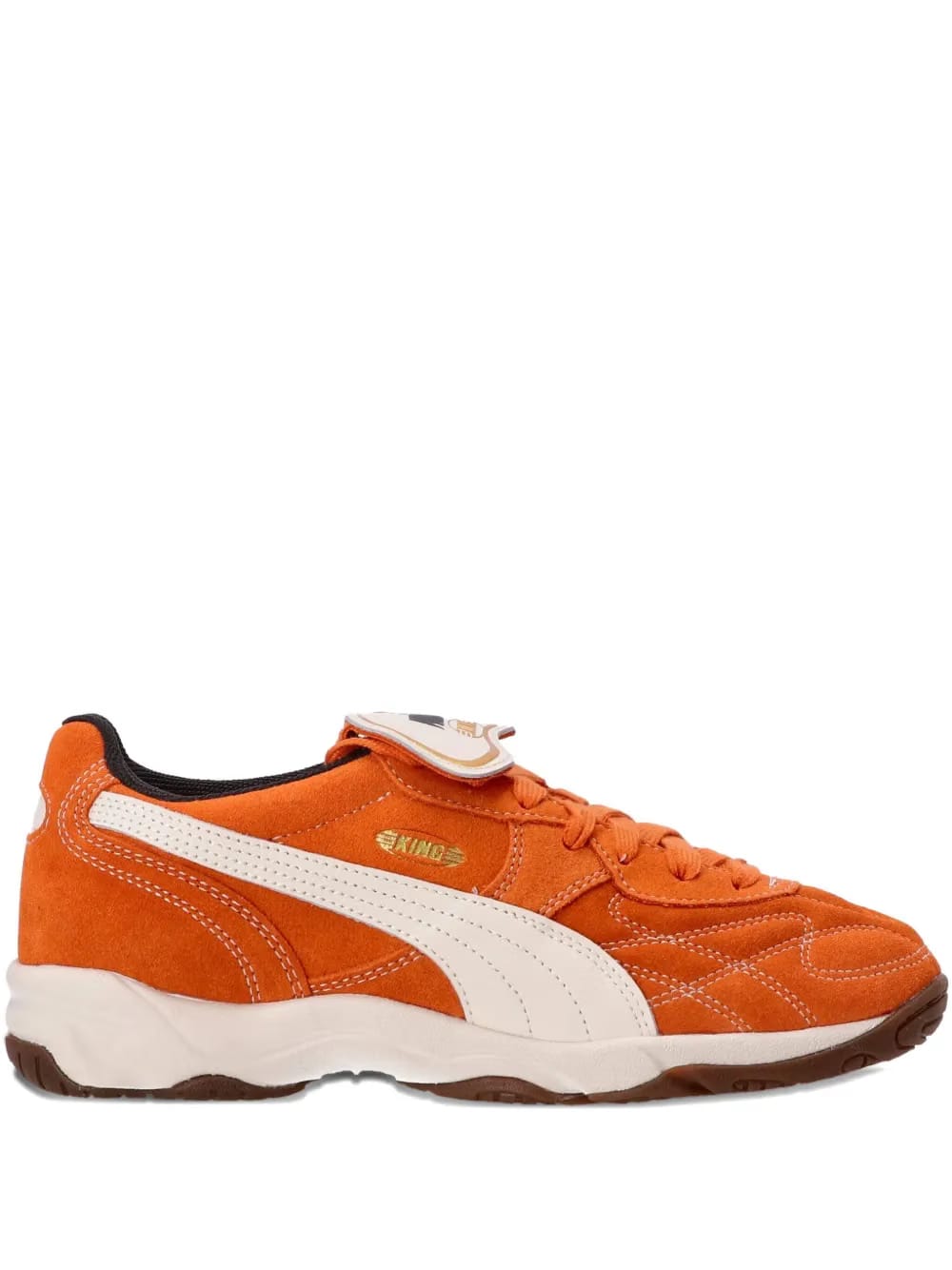
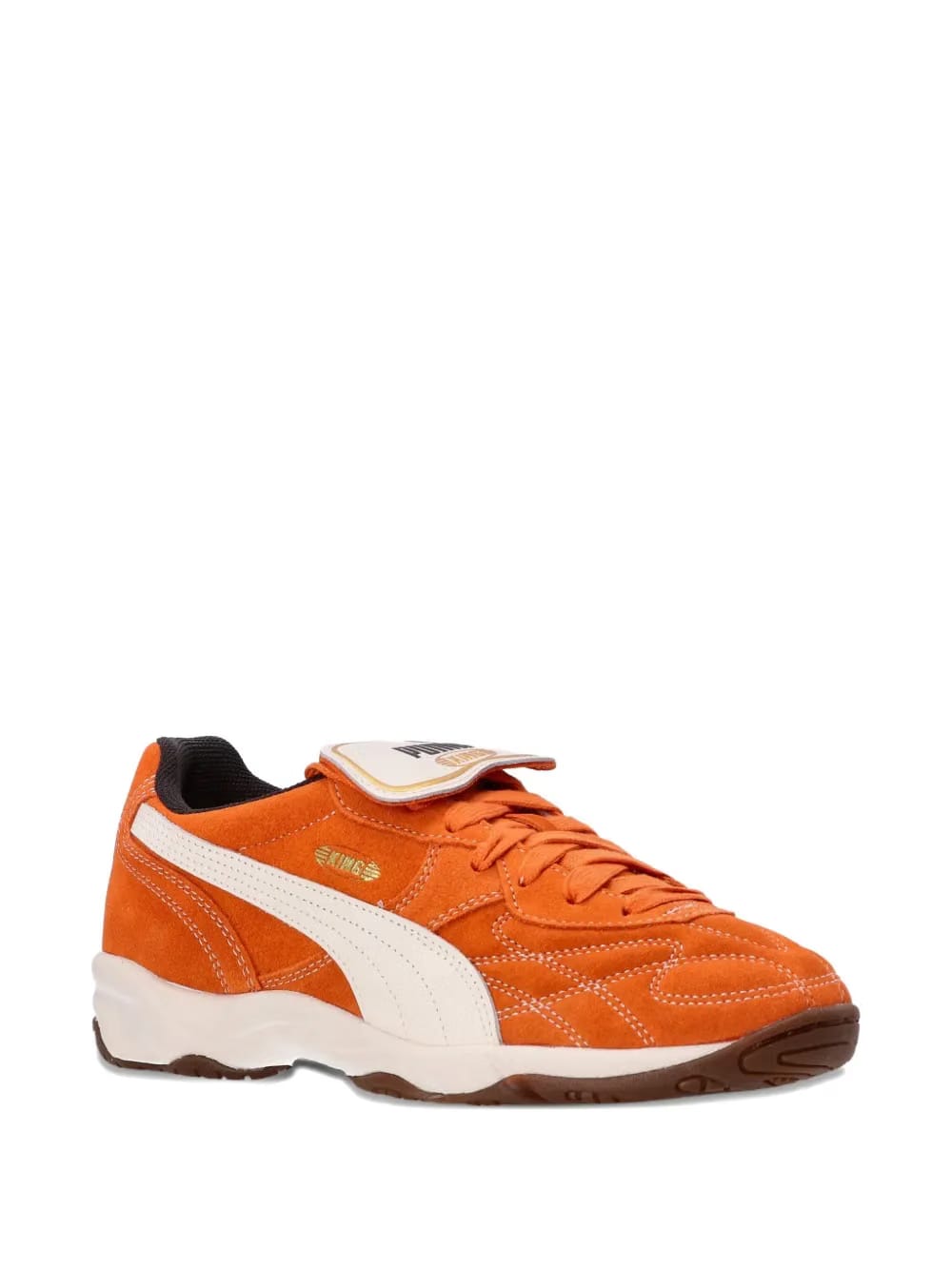
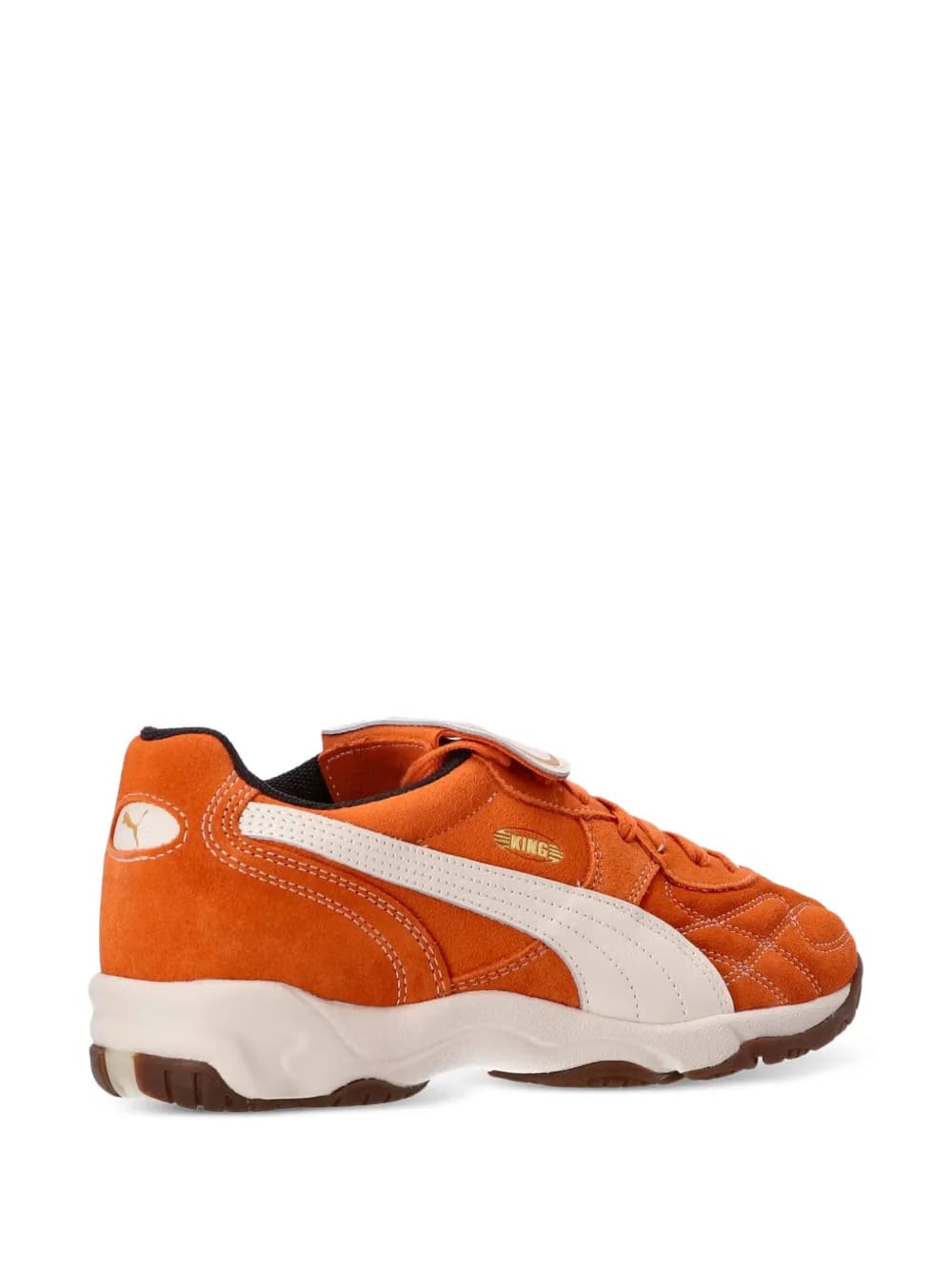
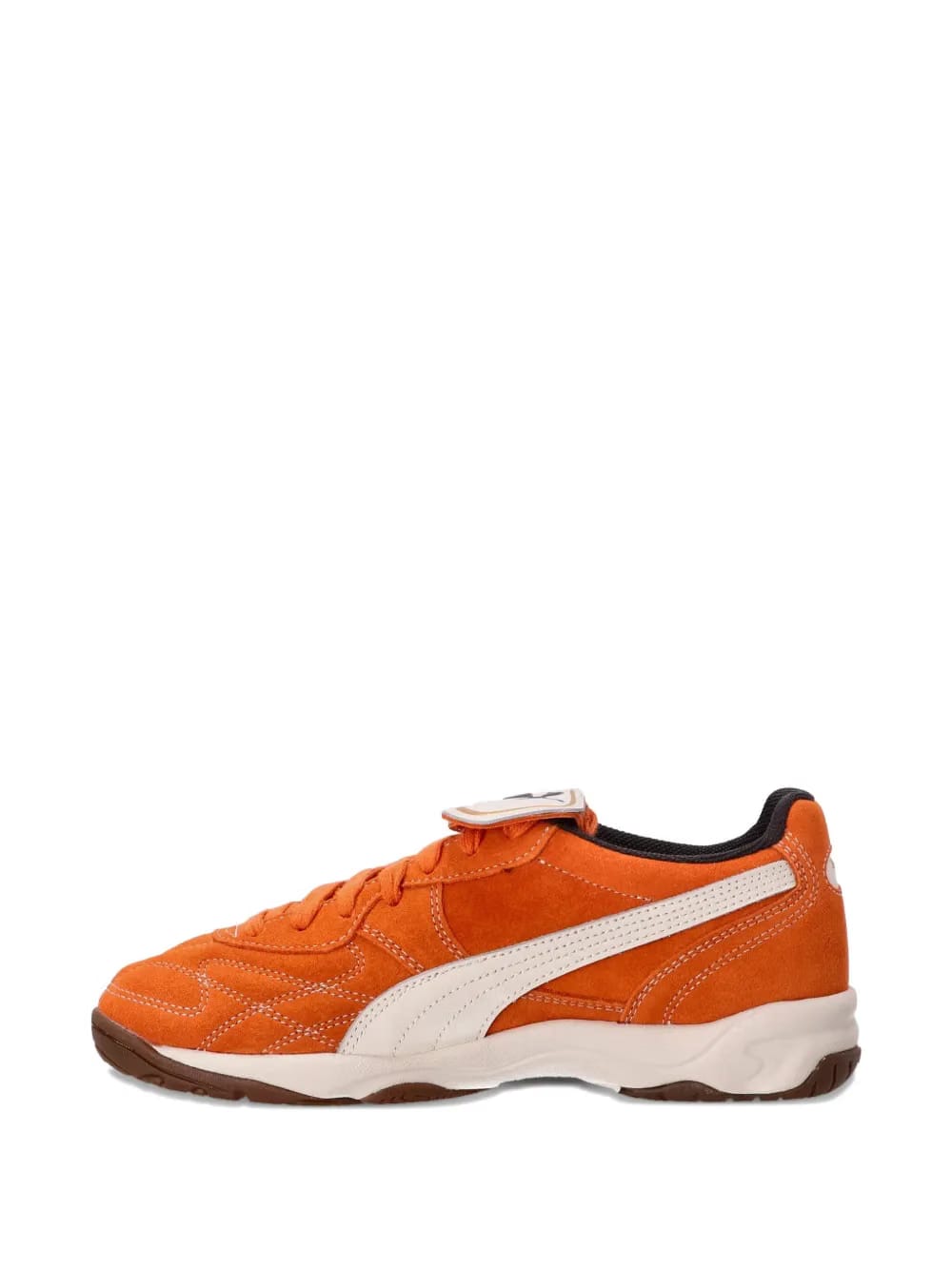
Indoor suede panelled sneakers
Indoor suede panelled sneakers
DELIVERY AND AUTHENTICATION

Includes Authentication Certificate
by Checkcheck global standards
Culture Note™
The PUMA Indoor, a venerated trainer, first emerged in the mid-1980s, marking a pivotal moment in athletic footwear history. This initial release established the foundation for a legacy of performance and style. The Indoor's design ethos, rooted in functionality, swiftly garnered attention, setting the stage for its enduring appeal. Its early success paved the way for subsequent iterations, cementing its place in the annals of iconic footwear.
Primarily designed as a universal training shoe, the Indoor seamlessly transitioned from the sporting arena to everyday life. Its design catered to various athletic endeavors, and this versatility allowed the shoe to gain traction in the casual footwear market. The shoe's adaptability made it a favorite for indoor sports enthusiasts, and it soon became a staple for everyday adventures, bridging the gap between performance and lifestyle.
The PUMA Indoor has profoundly influenced numerous subcultures, becoming a symbol of individuality and style. Figures like those within the Terrace culture have embraced the shoe, solidifying its status. This association, particularly within the context of European streetstyle, demonstrates the shoe's impact. The Indoor's sleek design and enduring appeal have made it a coveted item, solidifying its place in the wardrobes of those who value both heritage and modern aesthetics.
The Indoor boasts a construction that marries premium materials with meticulous craftsmanship. The upper is often adorned with supple suede panels, exuding a luxurious feel and aesthetic. The integration of the PUMA Formstrip, a contrasting white stripe, amplifies its visual identity. Features such as a lace-up closure and a durable rubber outsole ensure both comfort and longevity, reflecting a dedication to quality.
Most asked questions
How we always
Guarantee the best prices?

Luxury marketplace
In luxury marketplaces, prices depend on demand — less popular items sell below retail.
.svg)
Competition between sellers
Our 5,000+ verified sellers compete with each other, giving you the lowest prices.
.svg)
Price comparison
We show you price comparisons across sellers so you always get better deals.
.svg)
Helping sellers, helping you
We help sellers buy smarter inventory, so they can offer you better prices.
Loading…