

Certificate of
Authenticity
Authenticity


0
Try on
View authenticity certificate

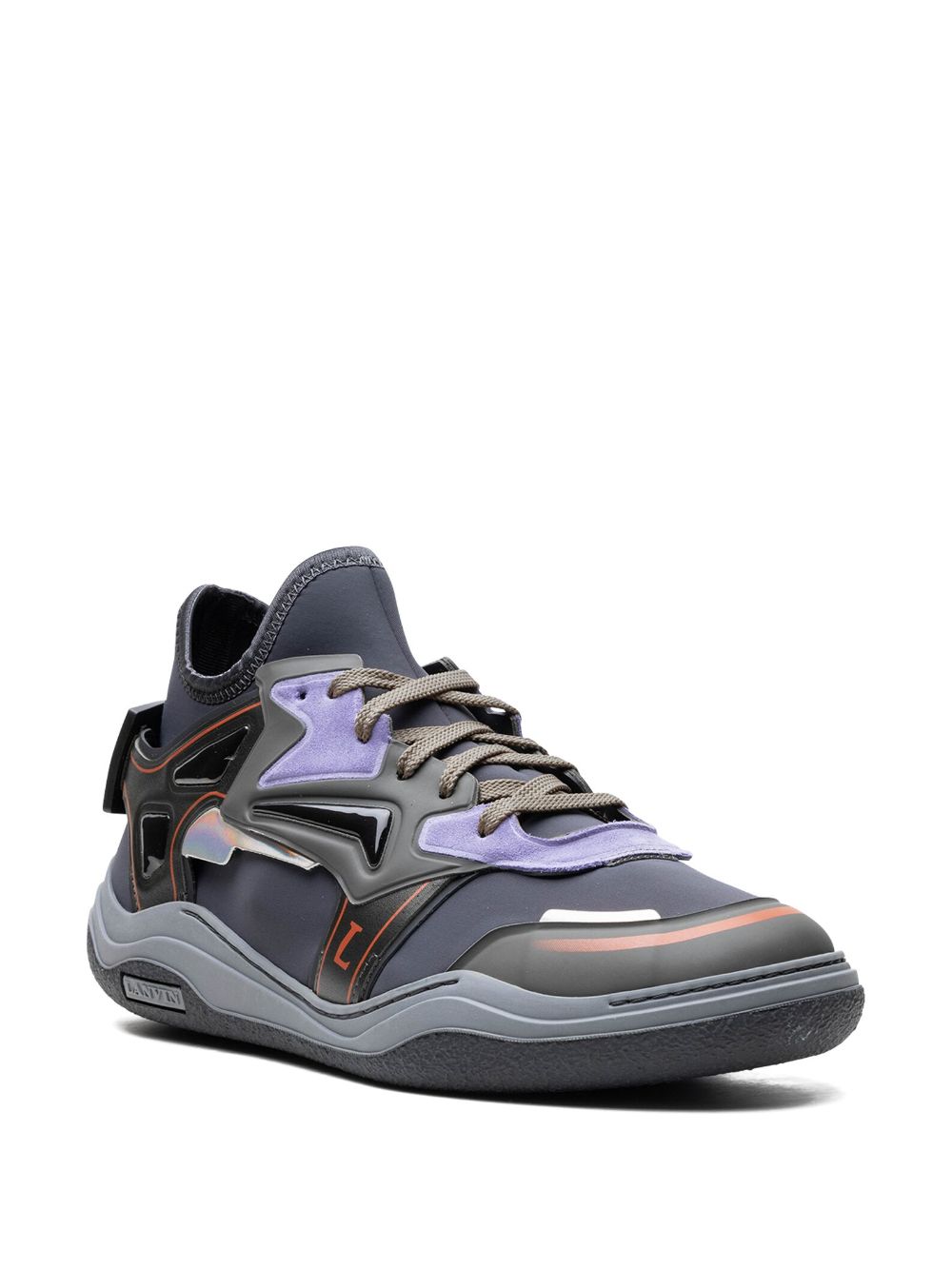
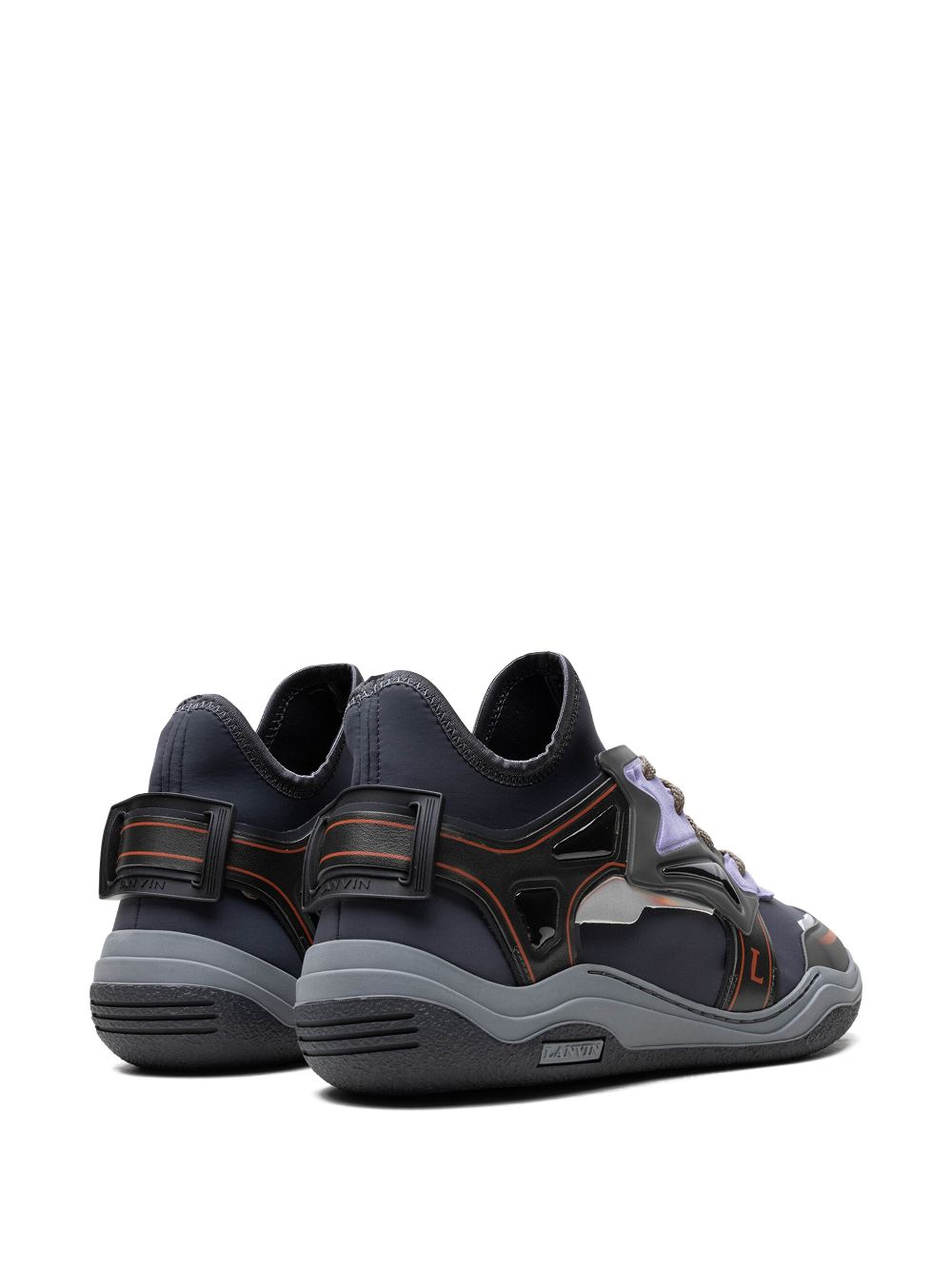
neoprene diving sneakers
neoprene diving sneakers
DELIVERY AND AUTHENTICATION

Includes Authentication Certificate
by Checkcheck global standards
Culture Note™
The genesis of neoprene diving sneakers traces back to the mid-20th century. The material, neoprene, a synthetic rubber, emerged during World War II, revolutionizing protective gear. Physicist Hugh Bradner's invention of the modern wetsuit in the 1950s further cemented neoprene's role in water activities.
Neoprene diving sneakers serve as indispensable equipment for water sports enthusiasts. They provide protection against sharp objects, marine life, and temperature fluctuations. These sneakers are designed for a range of activities, from diving and snorkeling to kayaking and paddleboarding.
The impact of neoprene diving sneakers is undeniable within aquatic subcultures. The legacy of neoprene is intimately tied to influential figures. Jack O'Neill, a pivotal figure in the surfing world, understood the necessity of neoprene for cold-water surfing. Body Glove, another pioneering brand, helped popularize the material. And while specific celebrity sightings are not available, the very existence of these sneakers has influenced how we approach water-based recreation.
These sneakers are typically crafted from neoprene, a material celebrated for its flexibility and water resistance. The construction often features a snug, sock-like fit, facilitated by slip-on designs or zippers. Rubber soles provide essential grip on slippery surfaces.
Most asked questions
How we always
Guarantee the best prices?

Luxury marketplace
In luxury marketplaces, prices depend on demand — less popular items sell below retail.
.svg)
Competition between sellers
Our 5,000+ verified sellers compete with each other, giving you the lowest prices.
.svg)
Price comparison
We show you price comparisons across sellers so you always get better deals.
.svg)
Helping sellers, helping you
We help sellers buy smarter inventory, so they can offer you better prices.
Loading…