

Certificate of
Authenticity
Authenticity
0
Try on
View authenticity certificate

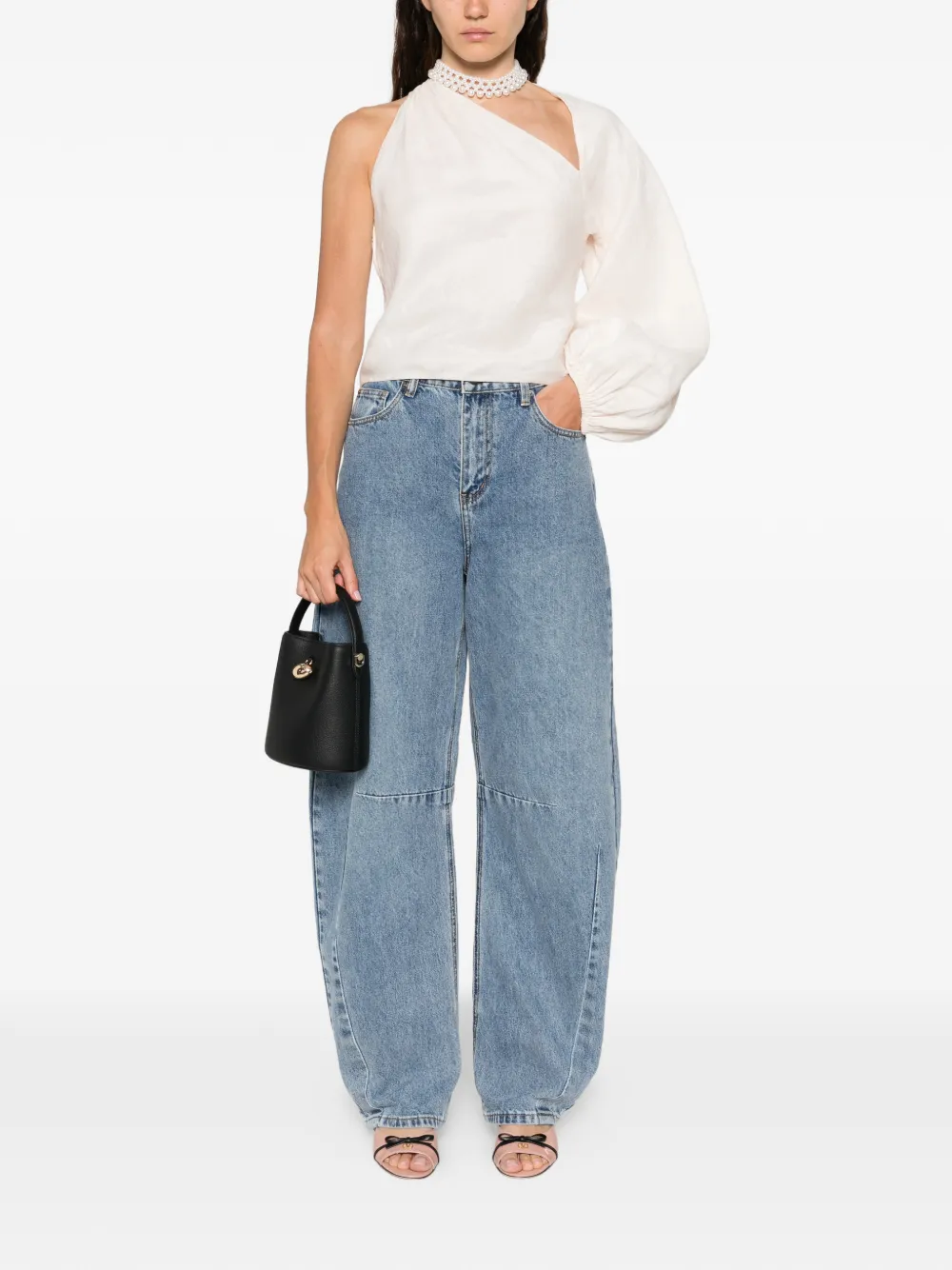
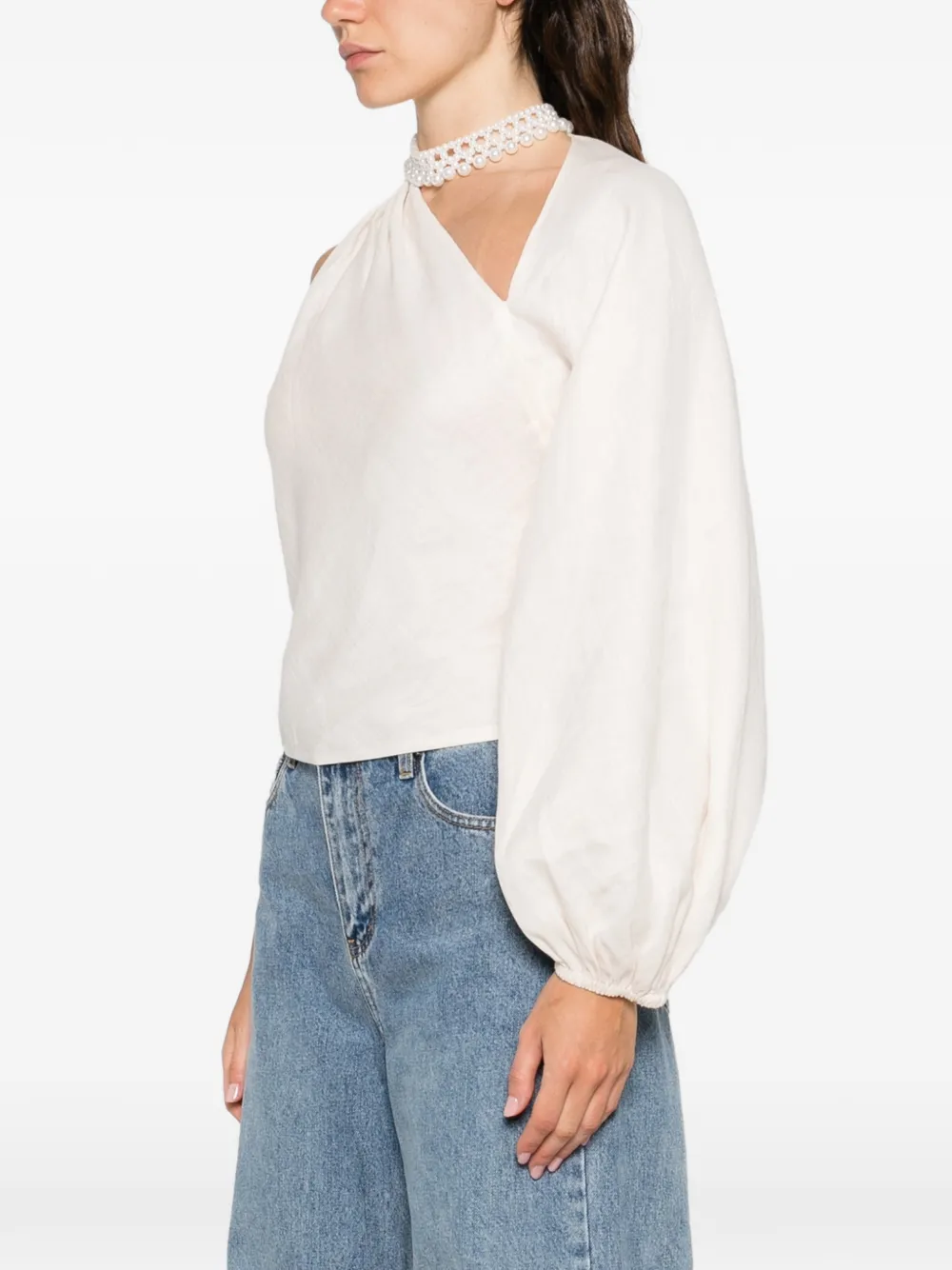
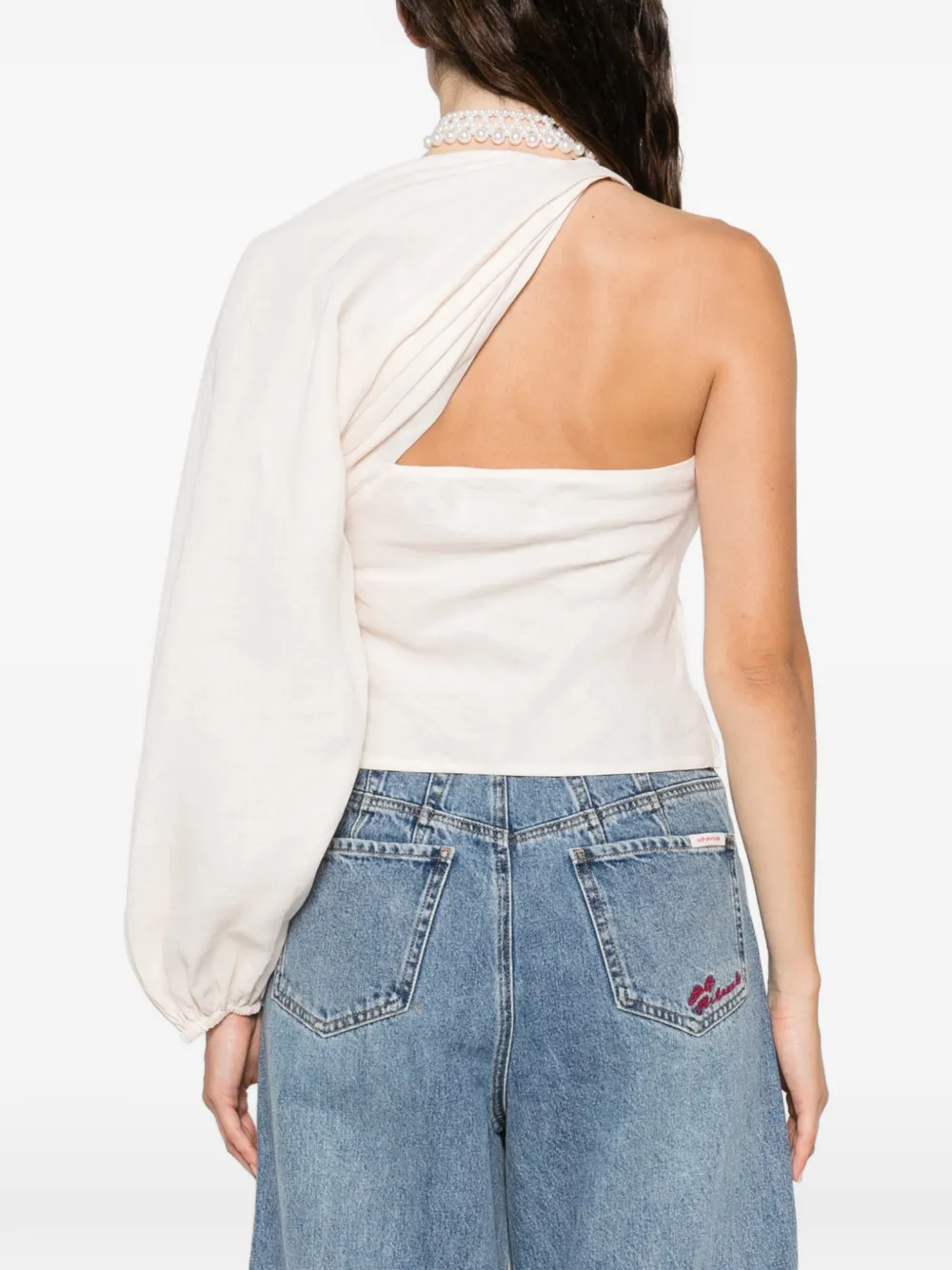
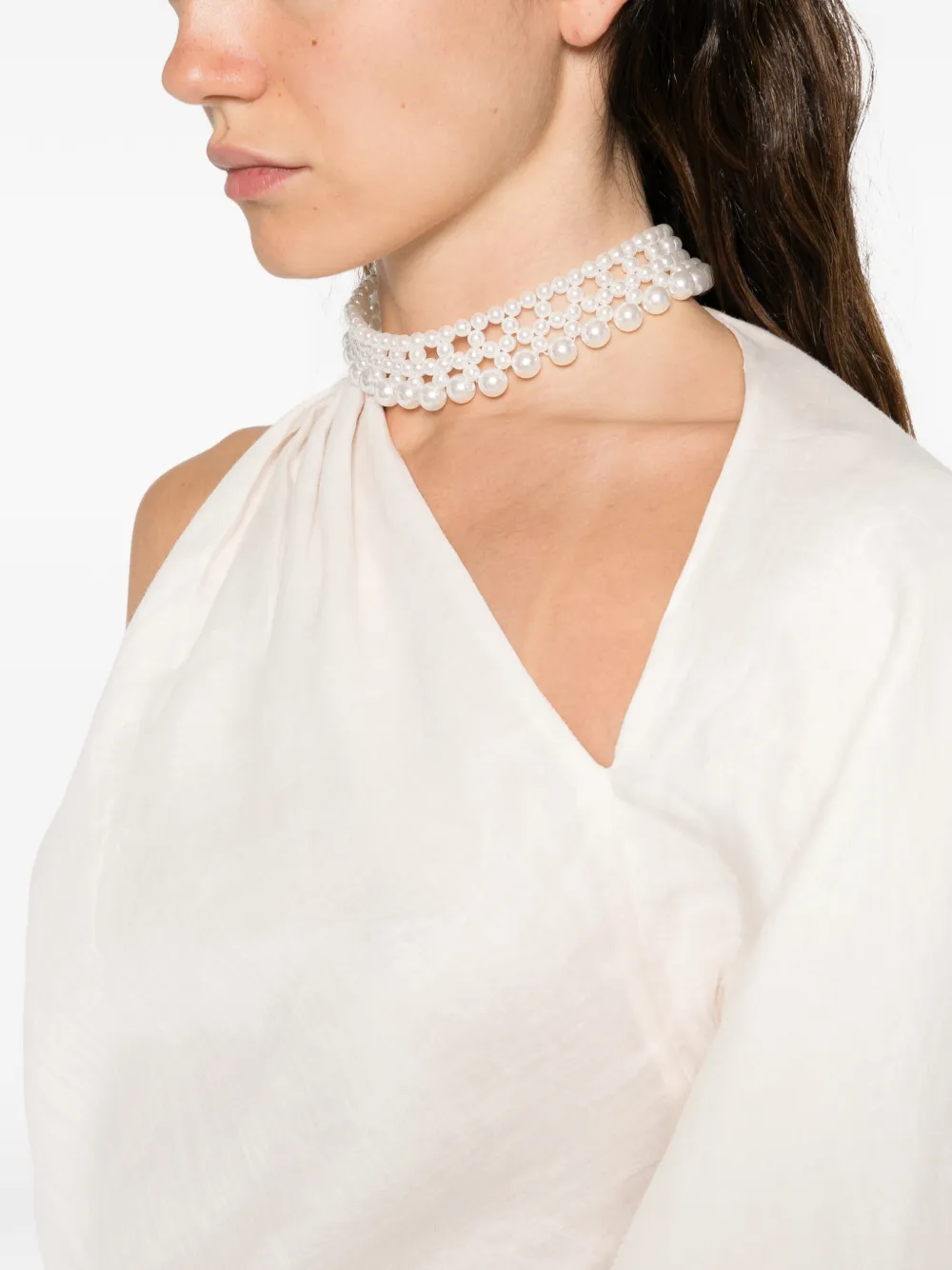
draped-sleeve top
draped-sleeve top
DELIVERY AND AUTHENTICATION

Includes Authentication Certificate
by Checkcheck global standards
Culture Note™
The draped-sleeve top, a garment of fluid lines and inherent sophistication, emerged from the desire to sculpt the body with fabric. Its origins are rooted in the classical draping techniques of ancient civilizations, where cloth was manipulated to create form and movement. This technique evolved through centuries, eventually finding its modern expression in this elegantly constructed top.
This garment serves as an essential component of a refined wardrobe, offering both versatility and a touch of drama. The draped-sleeve top is ideally suited for both formal and casual settings, easily transitioning from day to evening. Its form-fitting silhouette, achieved through the use of stretchy fabrics, enhances the natural shape while providing exceptional comfort.
The draped-sleeve top has become a staple, embraced by figures of considerable influence. While specific sightings are not provided, it is widely recognized that this garment has graced numerous high-profile events. Its presence is felt across the fashion landscape, from the runways of Paris to the streets of New York, solidifying its place as a timeless emblem of style.
The draped-sleeve top is meticulously crafted, often from supple materials such as viscose, spandex blends, or jersey. Its construction frequently features artful details like an asymmetrically draped bodice or neckline, along with the potential for ruched elements and soft, flowing sleeves. Designs can incorporate cowl necks or wrap styles with kimono sleeves, enhancing the piece's inherent femininity.
Most asked questions
How we always
Guarantee the best prices?

Luxury marketplace
In luxury marketplaces, prices depend on demand — less popular items sell below retail.
.svg)
Competition between sellers
Our 5,000+ verified sellers compete with each other, giving you the lowest prices.
.svg)
Price comparison
We show you price comparisons across sellers so you always get better deals.
.svg)
Helping sellers, helping you
We help sellers buy smarter inventory, so they can offer you better prices.
Loading…