
Certificate of
Authenticity
Authenticity
0
Try on
View authenticity certificate

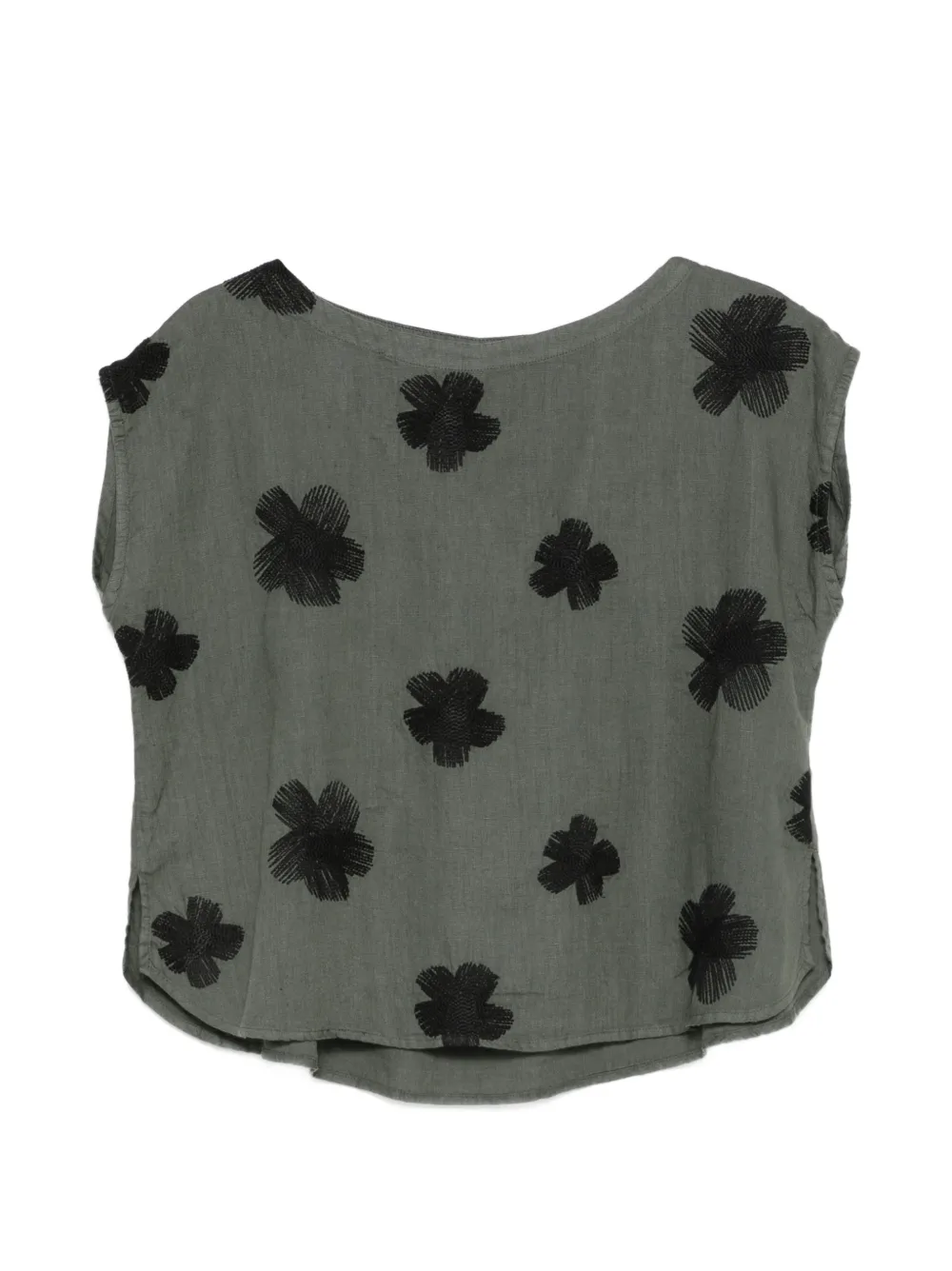
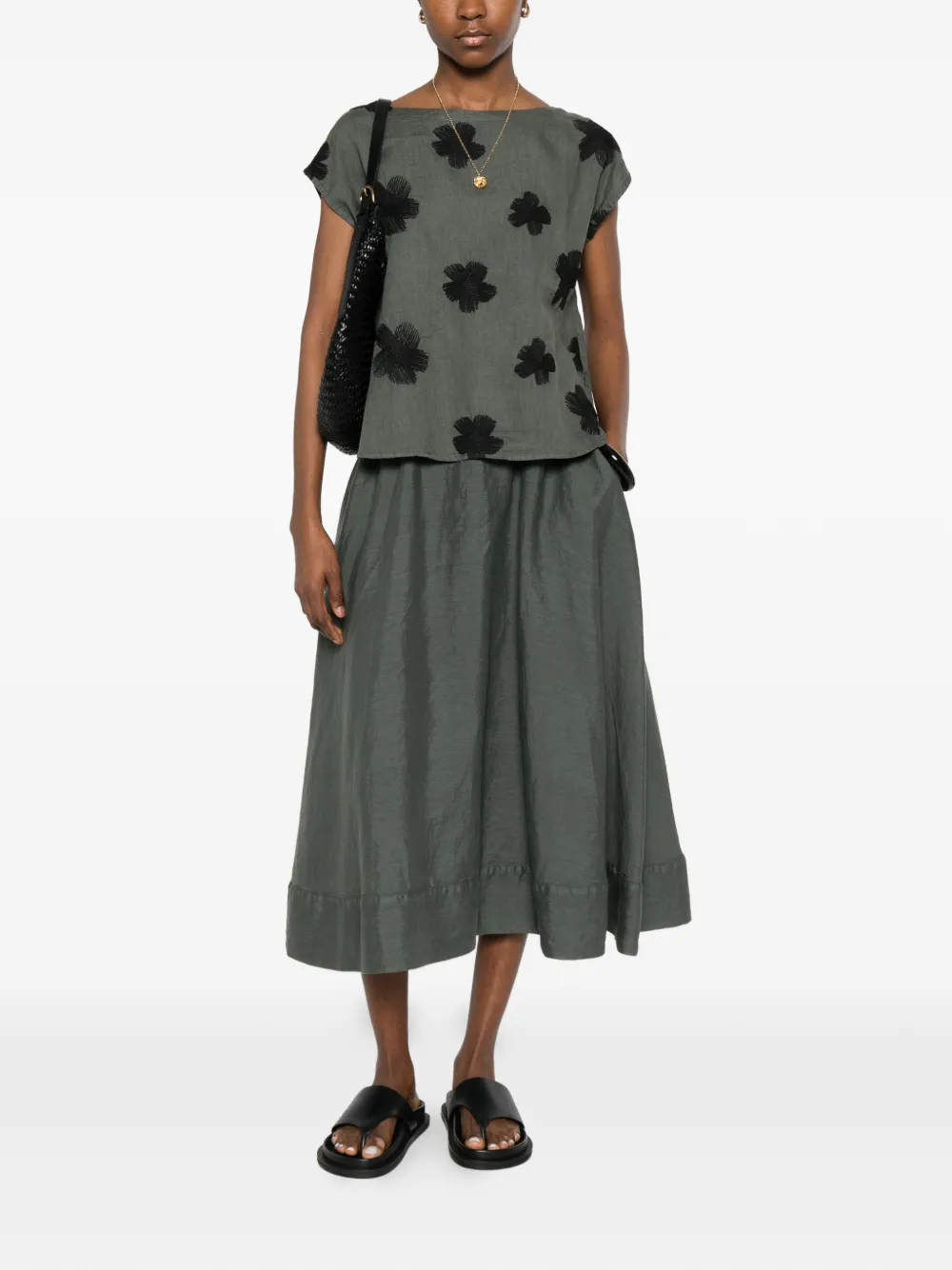
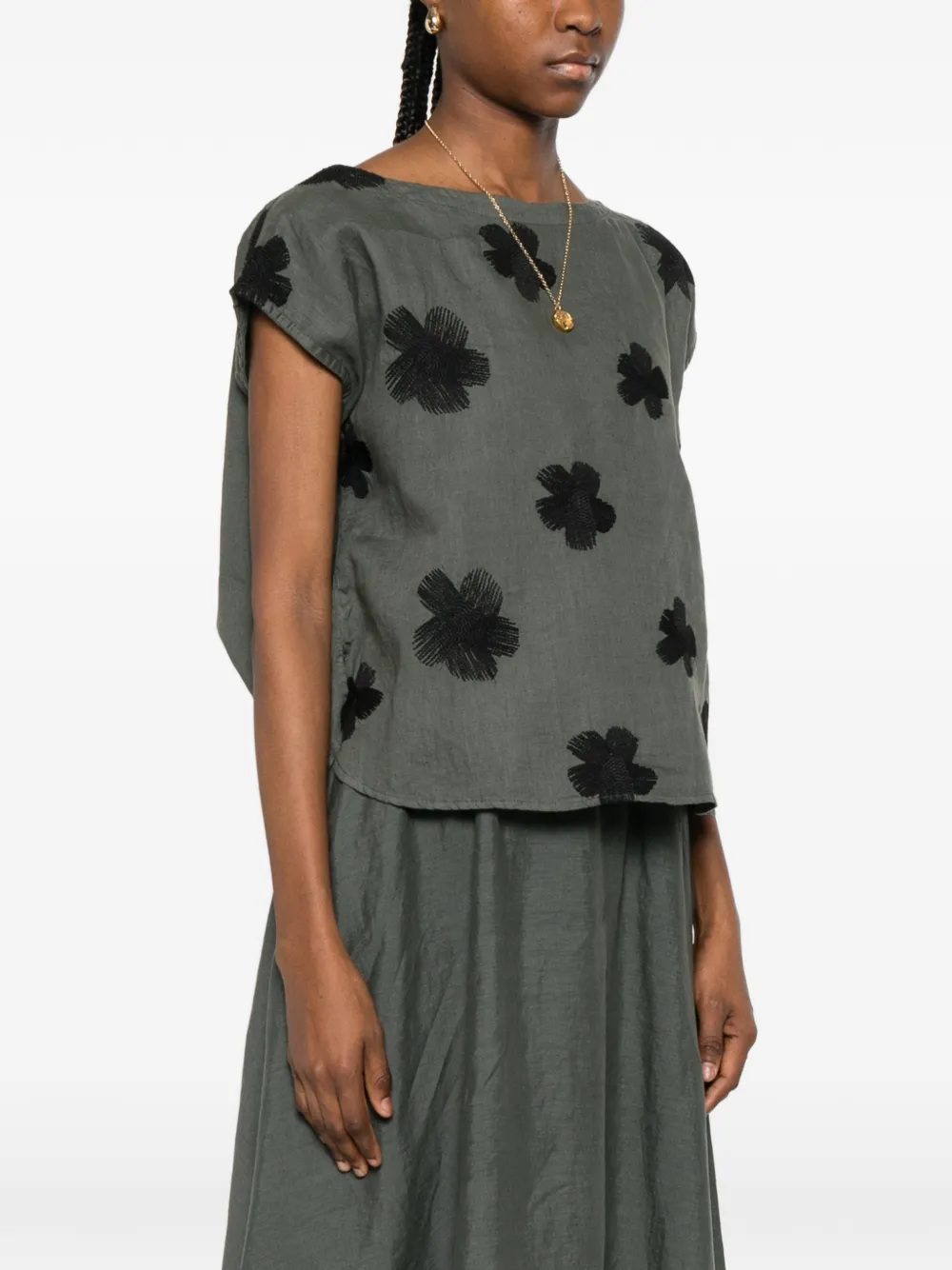
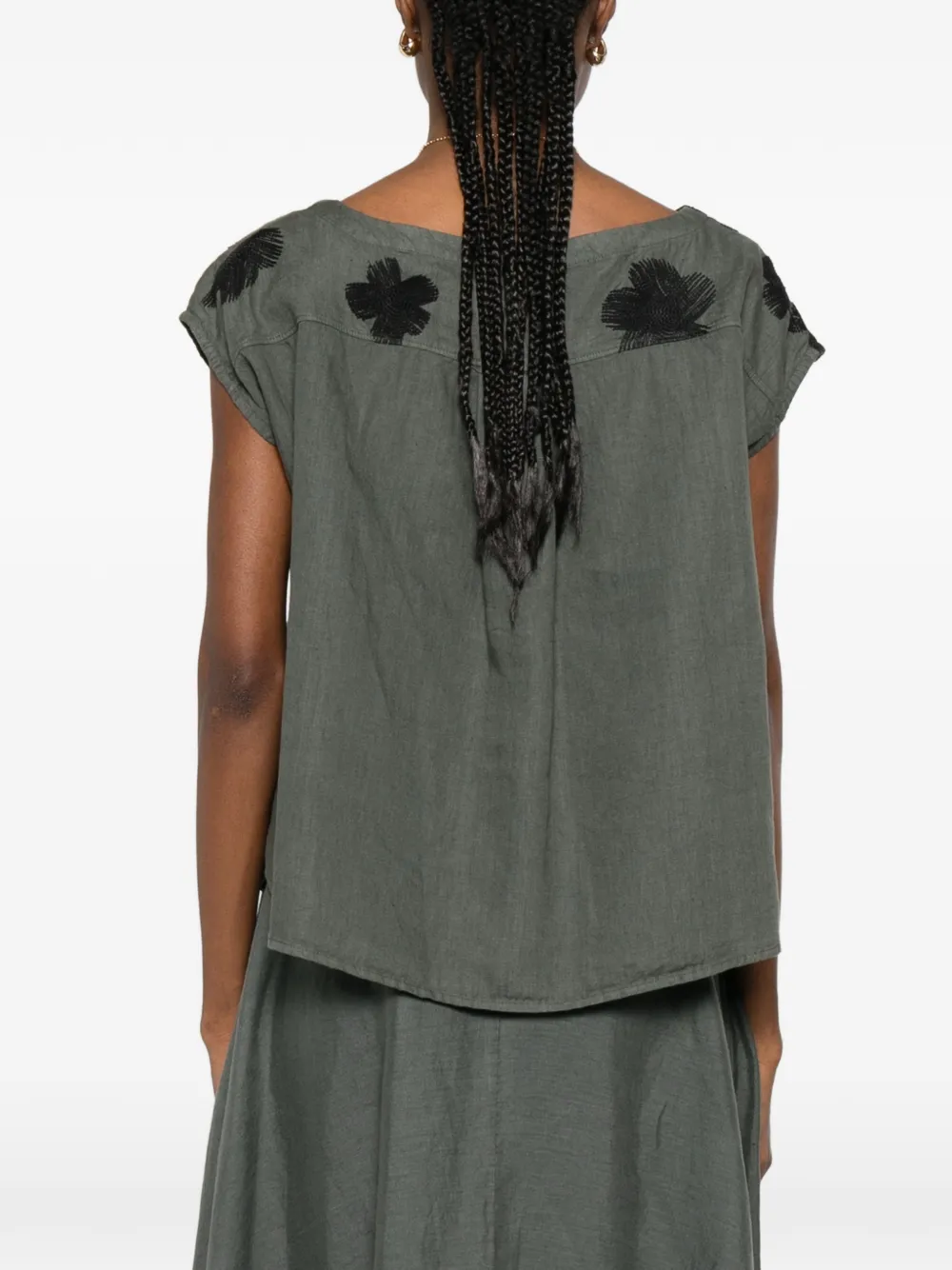
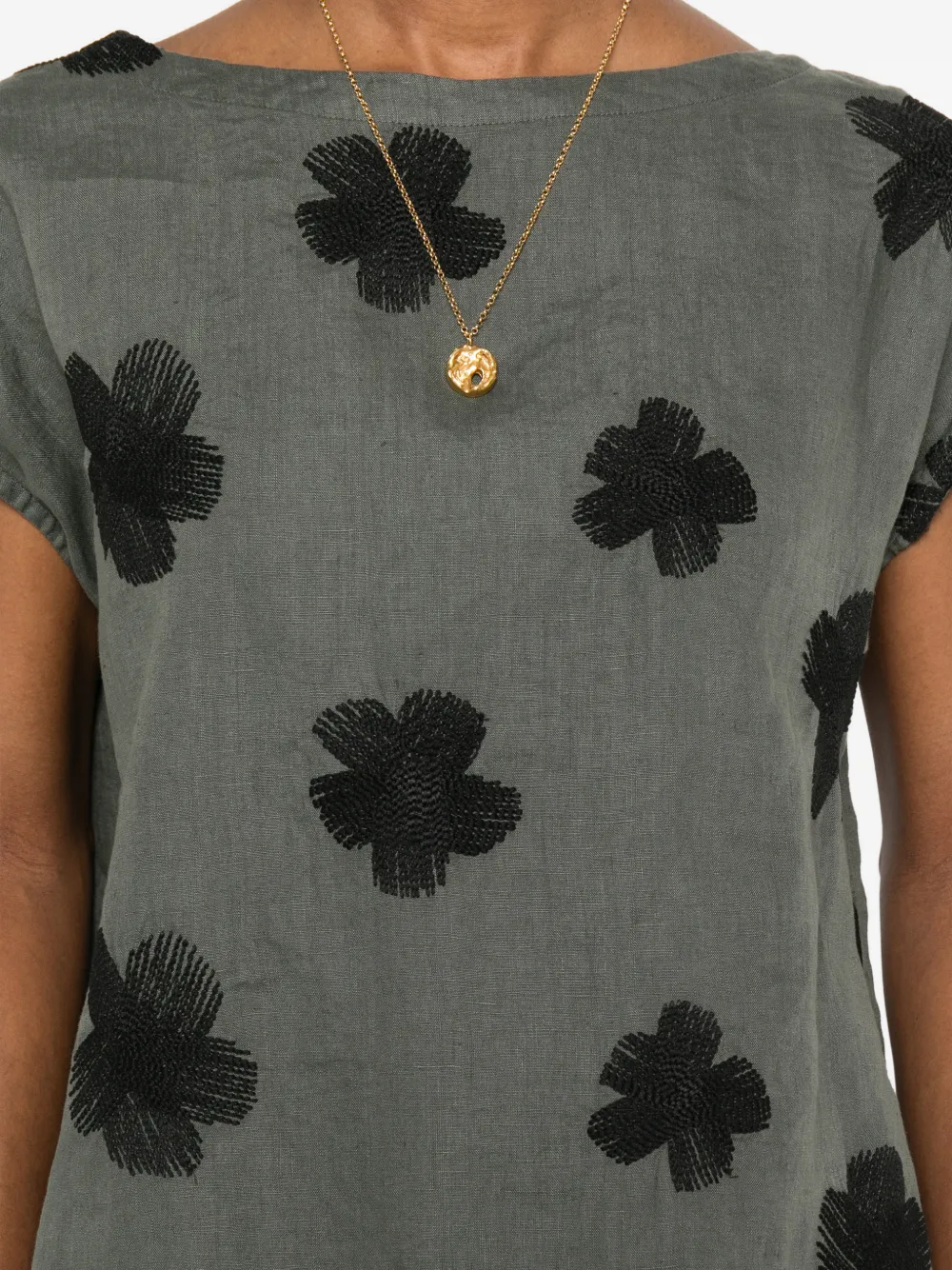
floral blouse
floral blouse
DELIVERY AND AUTHENTICATION

Includes Authentication Certificate
by Checkcheck global standards
Culture Note™
The floral blouse, a garment of perennial appeal, traces its lineage to the broader history of textile design. Its earliest iterations, emerging with the rise of decorative printing techniques, served as a canvas for botanical artistry. The garment's evolution is intertwined with advancements in fabric production and the shifting aesthetics of various eras, reflecting changing social mores and artistic influences.
The floral blouse serves as a versatile garment, adaptable to numerous settings. It can be dressed up or down, making it suitable for both casual and more formal occasions. Its aesthetic appeal transcends specific subcultures, finding acceptance across a broad spectrum of tastes. The floral blouse's adaptability has cemented its position as a wardrobe staple, enduring through countless seasonal cycles.
The floral blouse has consistently resonated with prominent cultural figures. Its presence has been felt across diverse social circles, from the ateliers of haute couture to the streets. The garment's impact has been witnessed across art and design, with its botanical motifs influencing movements. The floral blouse's influence remains robust, continuing to inspire new creations and adaptations within the ever-evolving world of fashion.
Constructed from various fabrics, the floral blouse showcases diverse manufacturing approaches. The application of the floral print itself, a defining characteristic, ranges from traditional screen printing to modern digital methods. The blouse's design elements, including neckline, sleeve style, and silhouette, vary widely depending on the era and intended use, reflecting the ever-changing nature of fashion.
Most asked questions
How we always
Guarantee the best prices?

Luxury marketplace
In luxury marketplaces, prices depend on demand — less popular items sell below retail.
.svg)
Competition between sellers
Our 5,000+ verified sellers compete with each other, giving you the lowest prices.
.svg)
Price comparison
We show you price comparisons across sellers so you always get better deals.
.svg)
Helping sellers, helping you
We help sellers buy smarter inventory, so they can offer you better prices.
Loading…