
Certificate of
Authenticity
Authenticity


0
Try on
View authenticity certificate

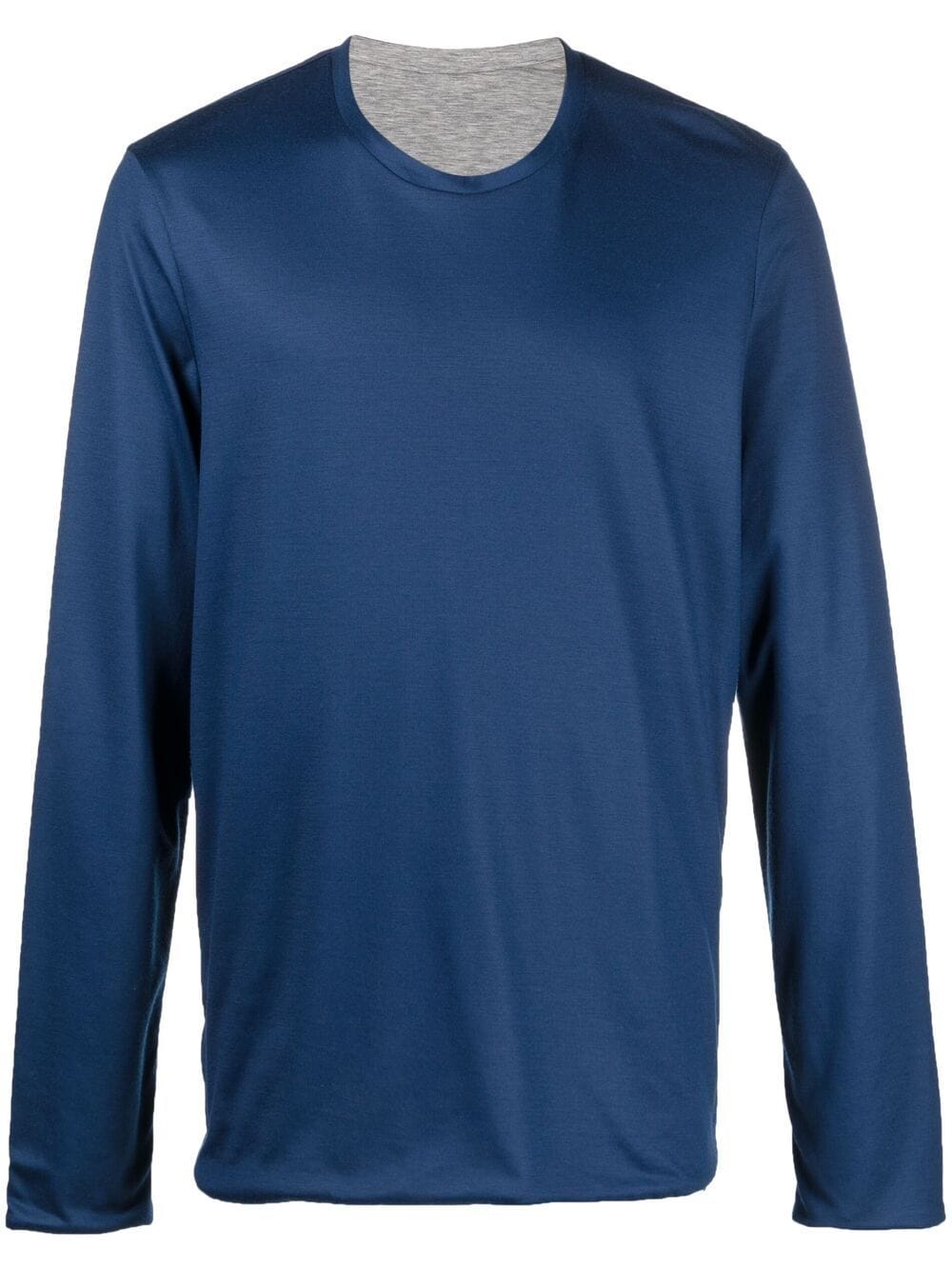
long-sleeved jersey T-Shirt
long-sleeved jersey T-Shirt
DELIVERY AND AUTHENTICATION

Includes Authentication Certificate
by Checkcheck global standards
Come see it in person
Culture Note™
The long-sleeved jersey T-shirt emerged from the evolution of knit fabrics, specifically jersey, which was initially used for undergarments and sportswear. Its adoption into mainstream fashion signified a shift toward comfortable, versatile clothing suitable for various activities. This garment's origins are rooted in the industrial advancements of textile manufacturing, enabling mass production and wider accessibility.
The long-sleeved jersey T-shirt serves a multitude of purposes, from providing warmth and comfort in cooler conditions to acting as a foundational layering piece. Its fabric, often chosen for its breathability and drape, makes it suitable for both casual and athletic wear. The adaptability of the jersey knit allows for a range of fits, from slim to oversized, catering to diverse style preferences.
The long-sleeved jersey T-shirt's influence is widespread, serving as a staple in various subcultures and fashion movements. Its enduring appeal is evident across different eras and demographics. While specific celebrity sightings are unconfirmed, its presence is constant.
The creation of a long-sleeved jersey T-shirt involves several precise steps, beginning with the spinning of fibers into yarn, which can be wool, cotton, or synthetic blends. This yarn is then knitted into jersey fabric, a weft knit distinguished by its looped structure, offering flexibility and a soft texture. The fabric is subsequently cut and sewn, often with reinforced seams and ribbed necklines, to create the final product.
Most asked questions
How we always
Guarantee the best prices?

Luxury marketplace
In luxury marketplaces, prices depend on demand — less popular items sell below retail.
.svg)
Competition between sellers
Our 5,000+ verified sellers compete with each other, giving you the lowest prices.
.svg)
Price comparison
We show you price comparisons across sellers so you always get better deals.
.svg)
Helping sellers, helping you
We help sellers buy smarter inventory, so they can offer you better prices.
Loading…