
Certificate of
Authenticity
Authenticity
0
Try on
View authenticity certificate

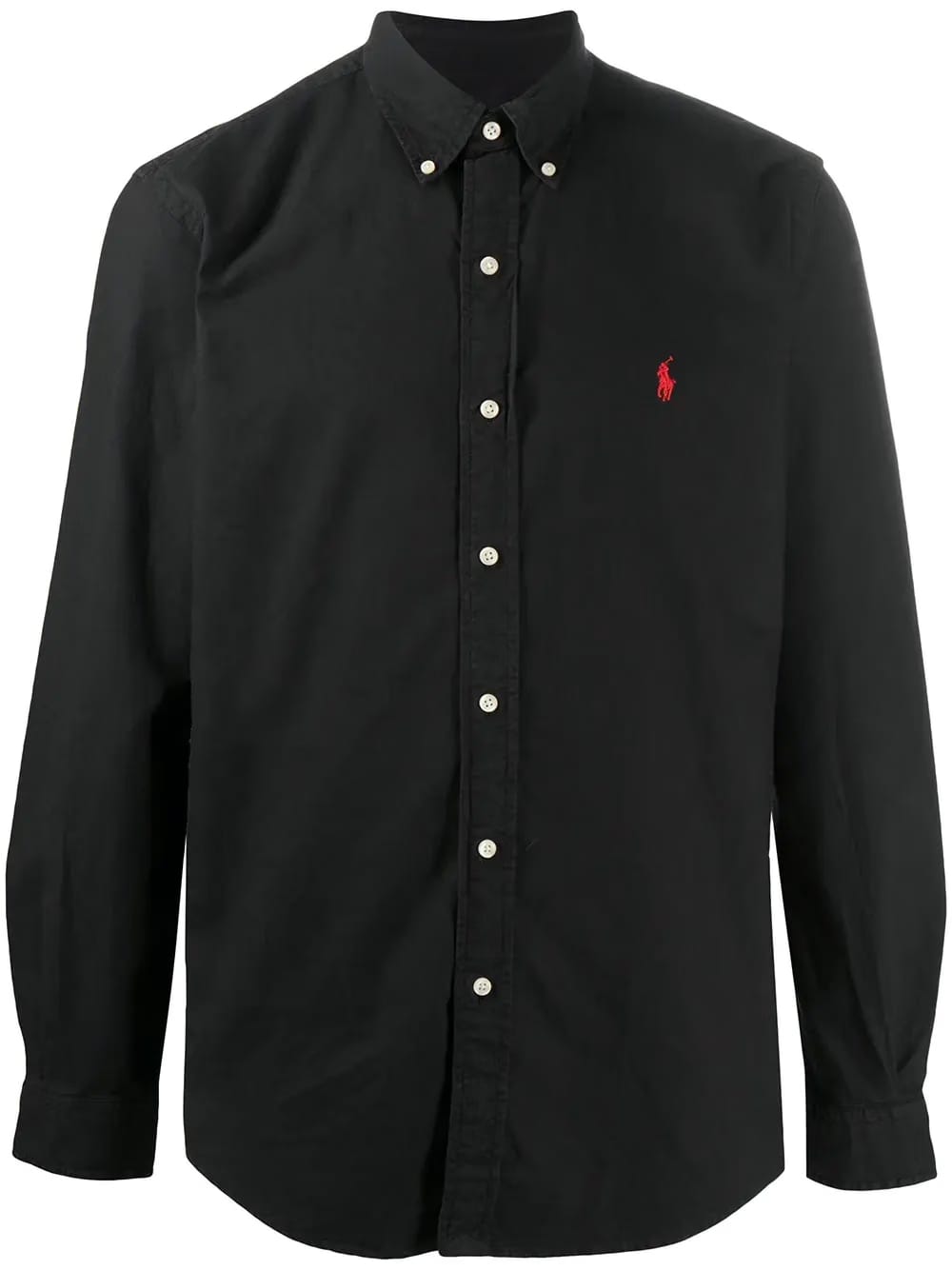
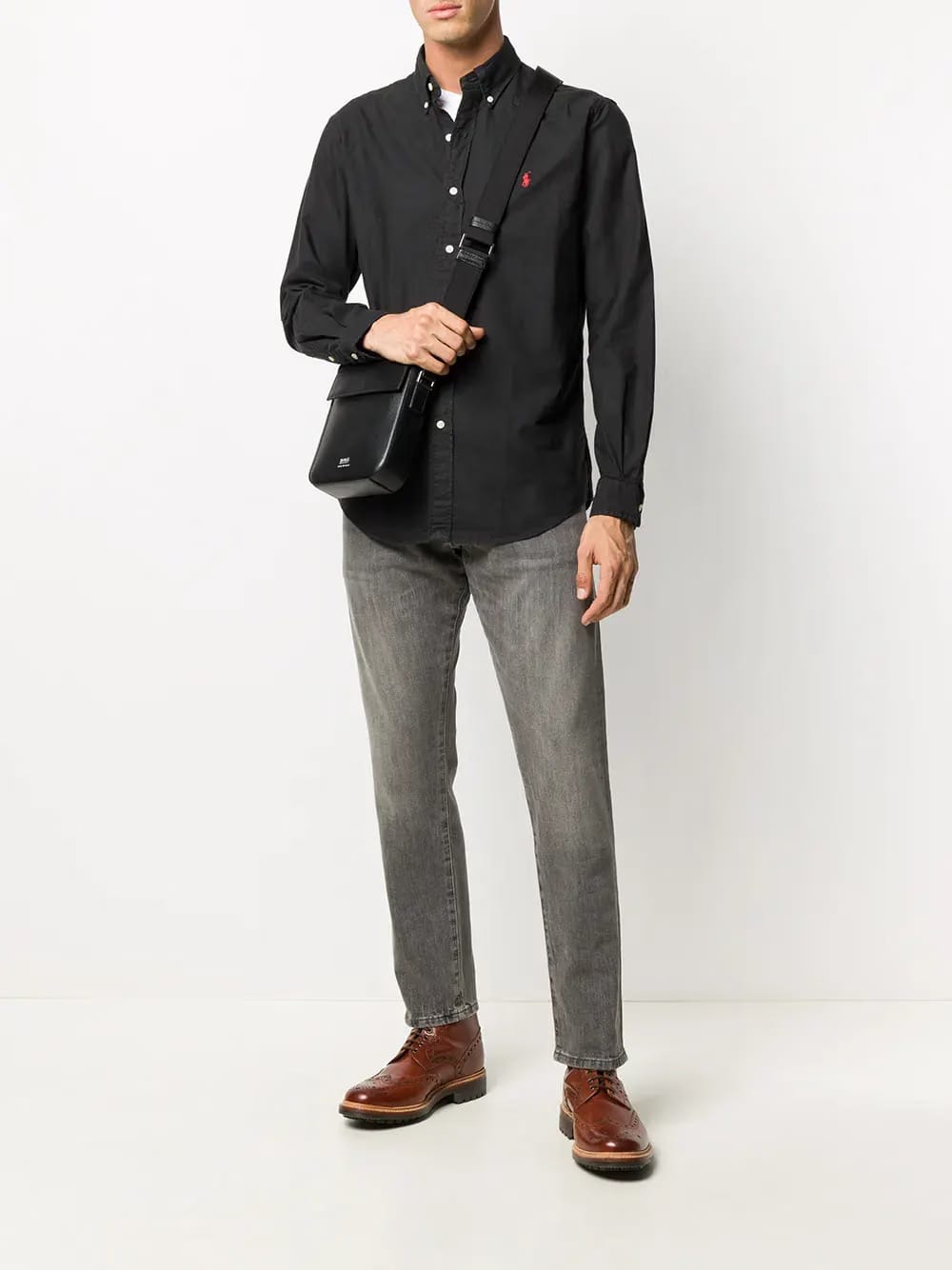
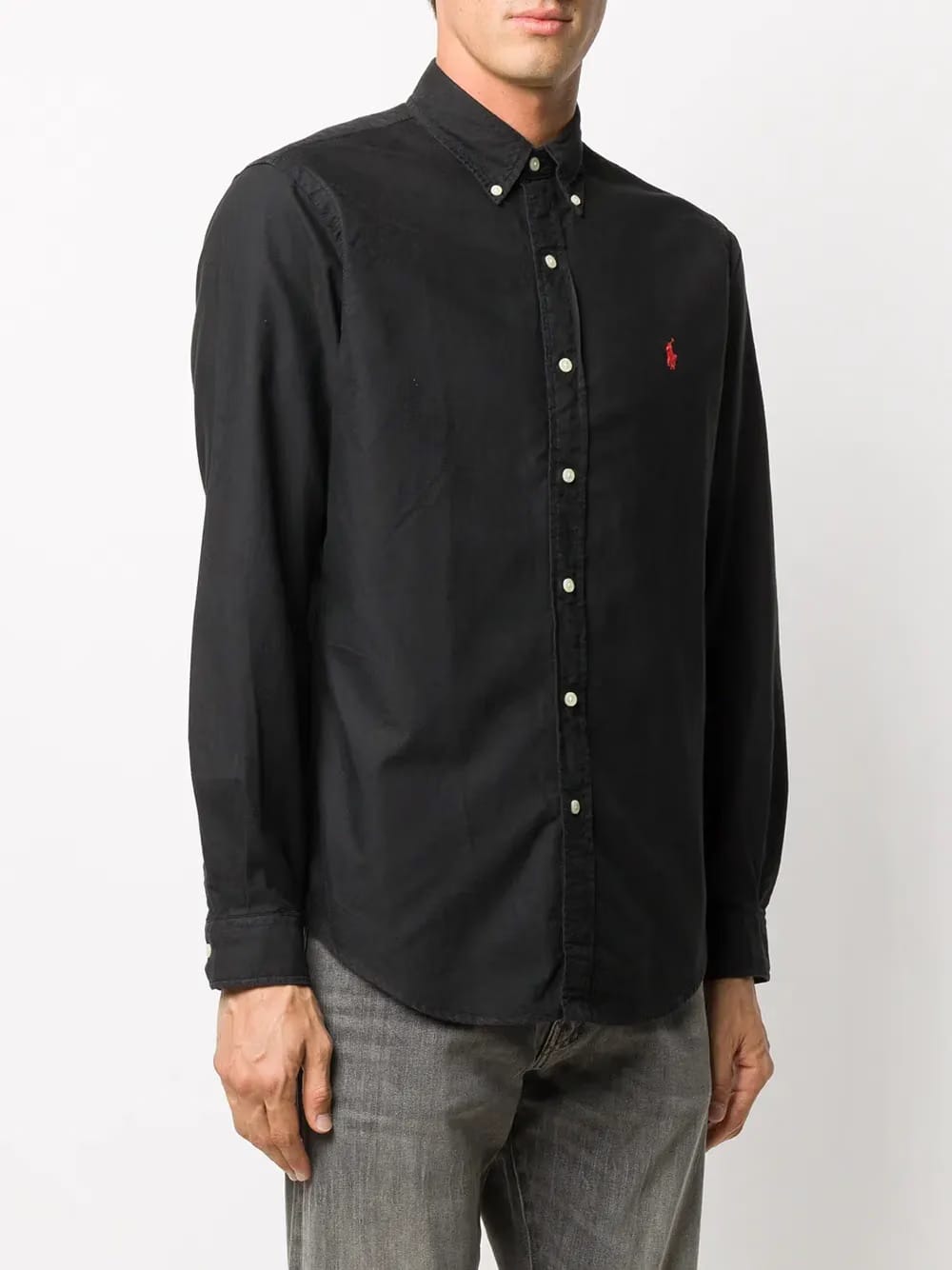
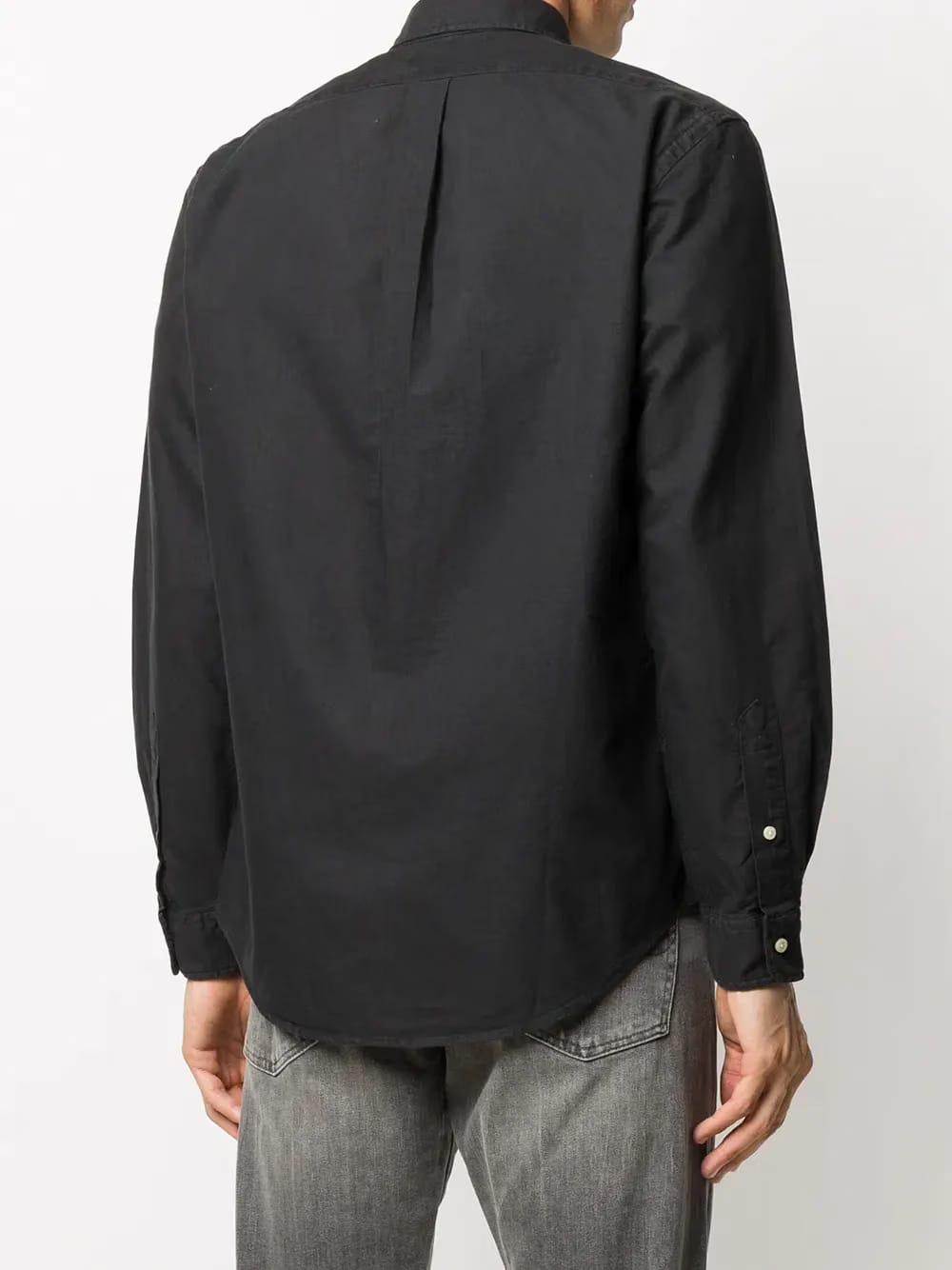
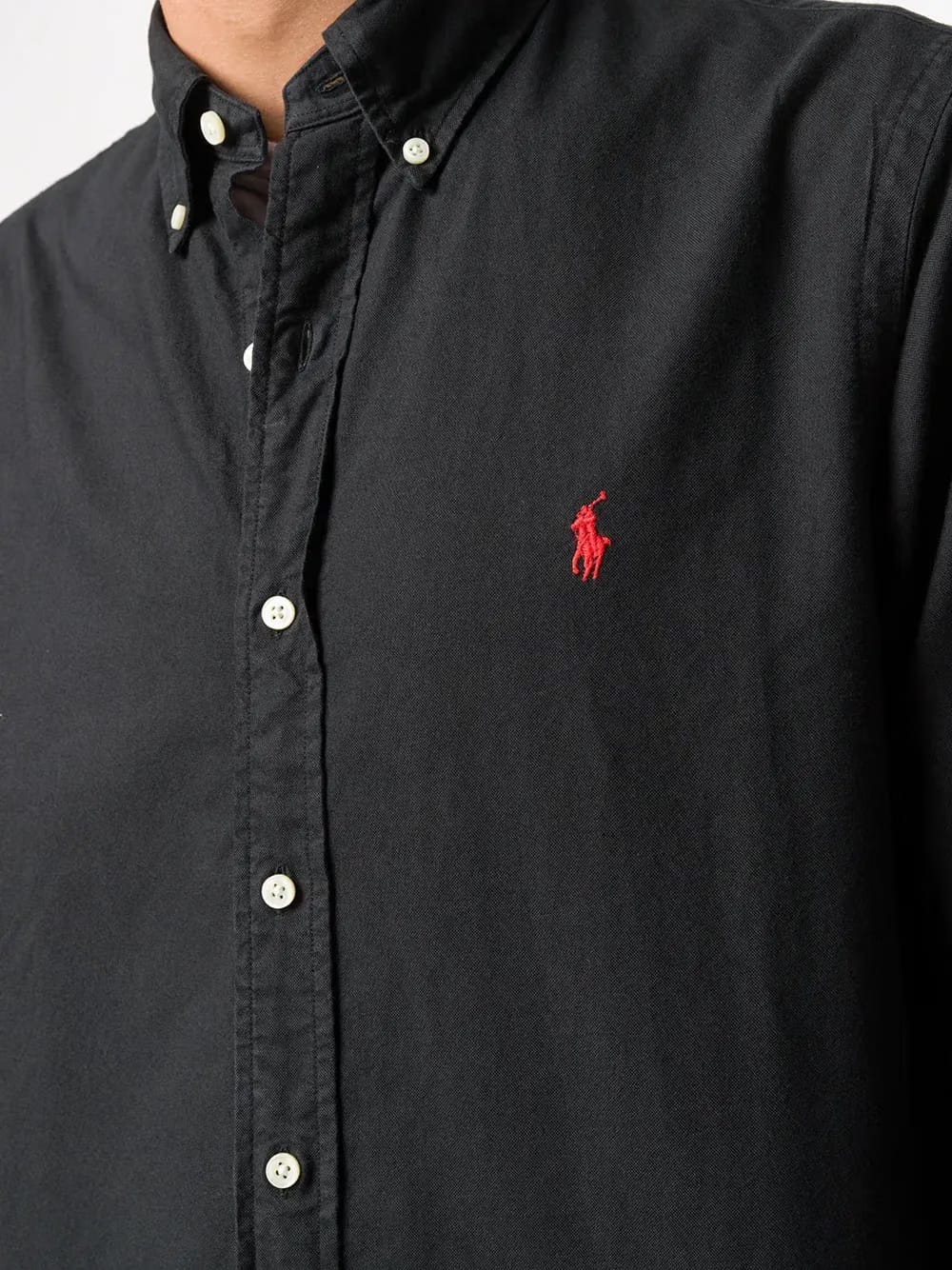
plain long-sleeved shirt
plain long-sleeved shirt
DELIVERY AND AUTHENTICATION

Includes Authentication Certificate
by Checkcheck global standards
Culture Note™
The genesis of the plain long-sleeved shirt is inextricably linked to the evolution of utilitarian garments. Its roots trace back to the necessity for adaptable, everyday wear, designed to offer comfort and protection across a variety of climates and activities. This garment's understated design reflects a fundamental shift towards functional simplicity in apparel.
The utility of the plain long-sleeved shirt is found in its versatility and adaptability. It serves as an essential layering piece, providing warmth and coverage in cooler conditions. Its inherent simplicity allows it to be paired with diverse outfits, making it a cornerstone in wardrobes worldwide.
The plain long-sleeved shirt holds a position of quiet power within the broader fashion landscape. Its influence transcends specific trends, making it a constant in various style tribes. The enduring appeal of this garment is seen across diverse cultural movements, solidifying its place in the history of fashion.
The plain long-sleeved shirt, in its essence, is defined by its straightforward construction. Typically, it features a basic crew or a v-neck, long sleeves, and a simple hemline. The fabric employed is often a knit, such as jersey, chosen for its flexibility, breathability, and ease of care, ensuring its enduring appeal.
Most asked questions
How we always
Guarantee the best prices?

Luxury marketplace
In luxury marketplaces, prices depend on demand — less popular items sell below retail.
.svg)
Competition between sellers
Our 5,000+ verified sellers compete with each other, giving you the lowest prices.
.svg)
Price comparison
We show you price comparisons across sellers so you always get better deals.
.svg)
Helping sellers, helping you
We help sellers buy smarter inventory, so they can offer you better prices.
Loading…