
Certificate of
Authenticity
Authenticity
0
Try on
View authenticity certificate

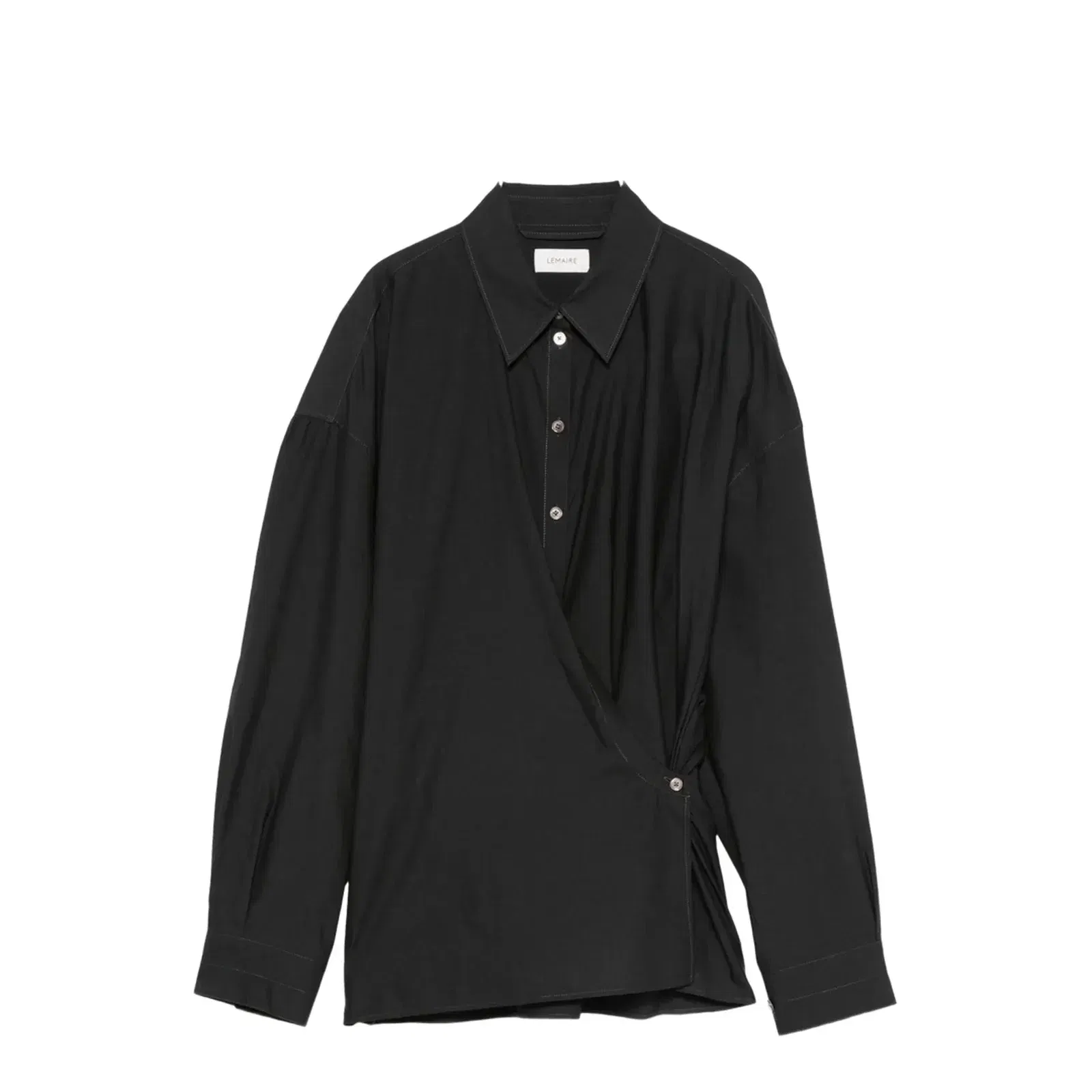
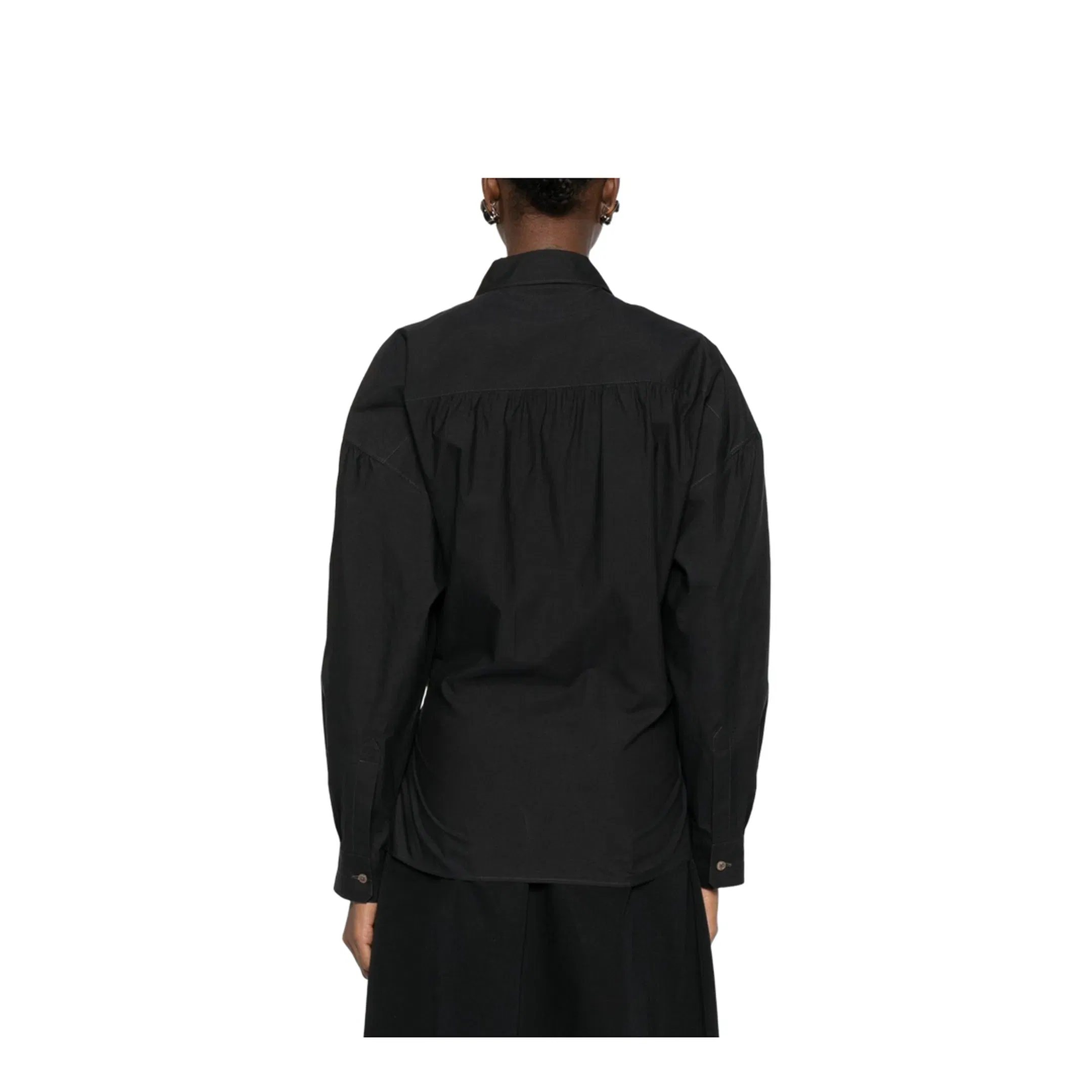
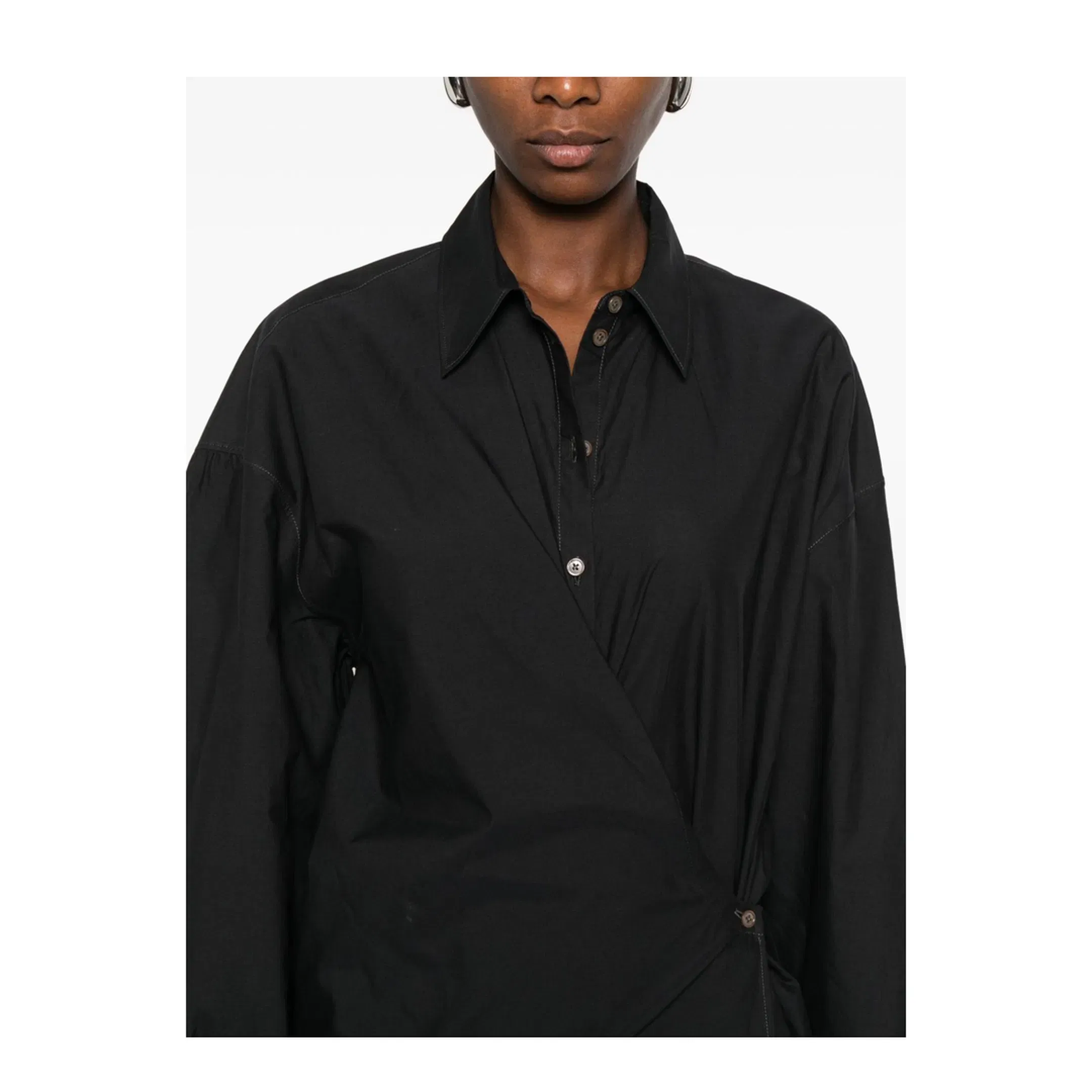
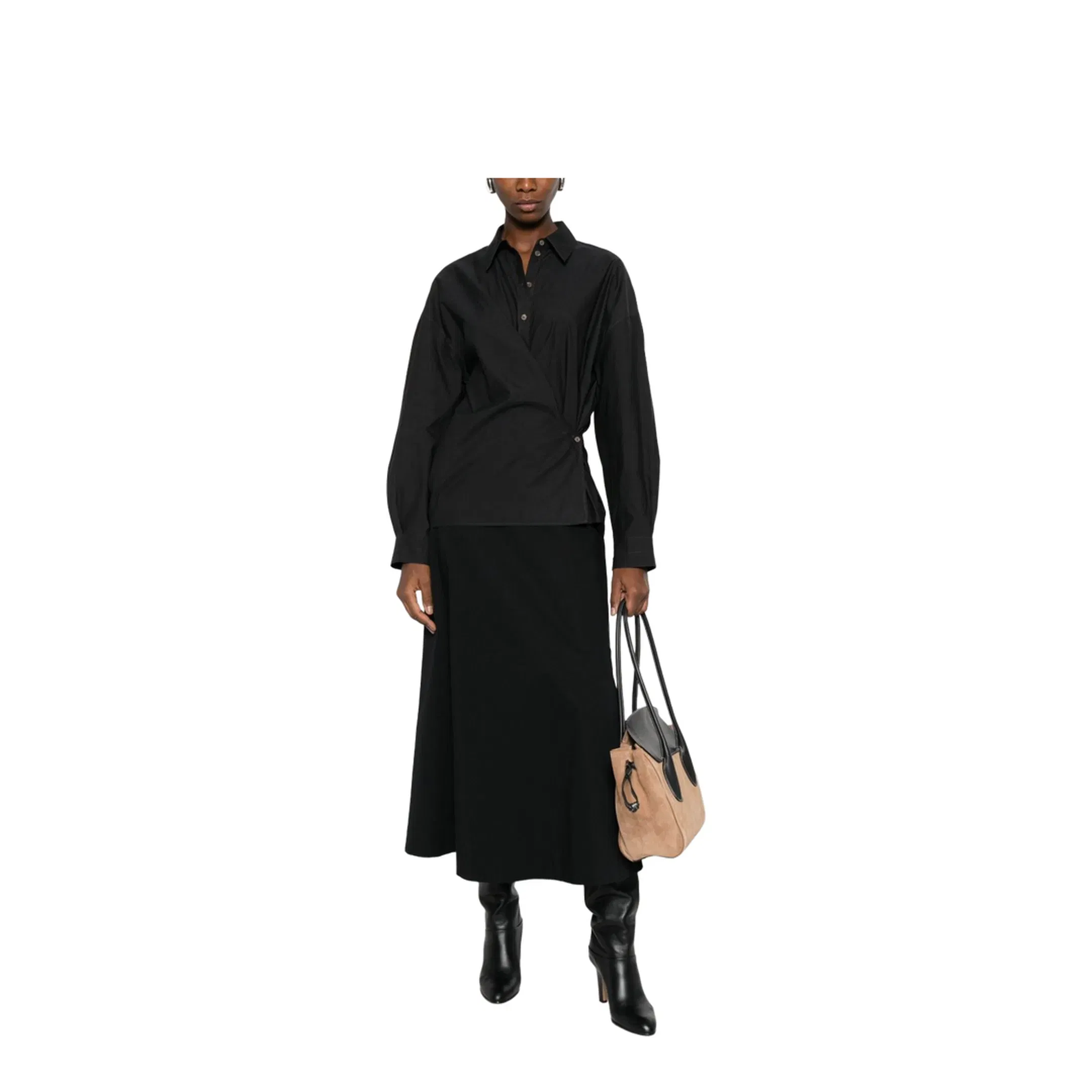
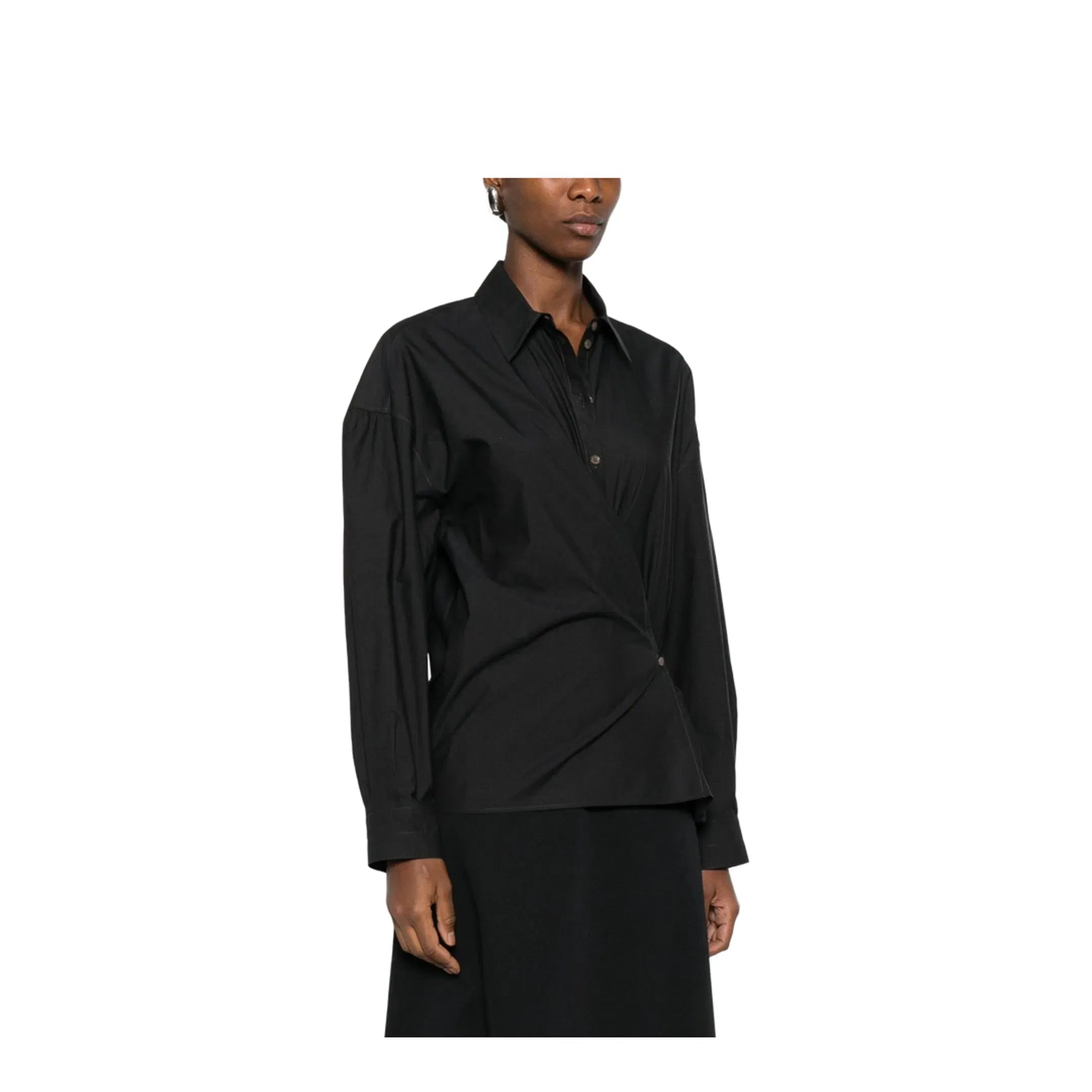
Shirt Blouse
Shirt Blouse
DELIVERY AND AUTHENTICATION

Includes Authentication Certificate
by Checkcheck global standards
Culture Note™
The Shirt Blouse, a garment of ambiguous lineage, emerged from the confluence of the tailored shirt and the softer, more feminine blouse. Its origins are rooted in the evolving needs of a modern wardrobe, seeking a balance between structure and fluidity, practicality and elegance. This hybrid design gained traction as fashion trends blurred the lines between traditionally masculine and feminine styles, solidifying its place in the sartorial landscape.
The Shirt Blouse serves a versatile role in the modern wardrobe, transitioning seamlessly from professional settings to casual outings. Its adaptability allows for pairing with tailored trousers for a polished look, or with jeans for a more relaxed aesthetic. This garment's ability to be dressed up or down has cemented its place as a staple, offering both style and comfort for diverse occasions.
The Shirt Blouse has consistently reflected broader cultural shifts. Its influence can be seen in the various interpretations found throughout fashion history, mirroring evolving societal norms. This garment's impact is not limited to any single demographic; rather, its adaptability has allowed it to find a place in diverse wardrobes across the globe, reflecting the wearer's personal style.
The construction of a Shirt Blouse is characterized by its adaptability. It often features a looser fit than a classic shirt, allowing for a draped or relaxed silhouette that flatters a variety of body types. The absence of rigid tailoring, combined with the use of lighter fabrics, distinguishes it from a traditional shirt. The details present will vary from the specific design or brand, but the design typically prioritizes comfort and ease of movement.
Most asked questions
How we always
Guarantee the best prices?

Luxury marketplace
In luxury marketplaces, prices depend on demand — less popular items sell below retail.
.svg)
Competition between sellers
Our 5,000+ verified sellers compete with each other, giving you the lowest prices.
.svg)
Price comparison
We show you price comparisons across sellers so you always get better deals.
.svg)
Helping sellers, helping you
We help sellers buy smarter inventory, so they can offer you better prices.
Loading…